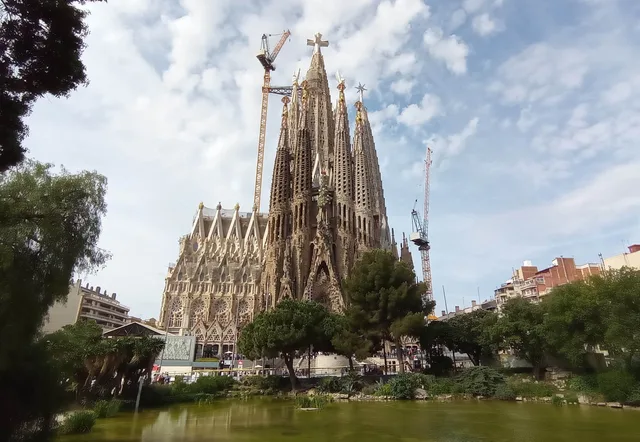
 ≈ 30 min awayBasilica and Expiatory Church of the Holy Family
- Distance
- 2.2 km
 TravelHub
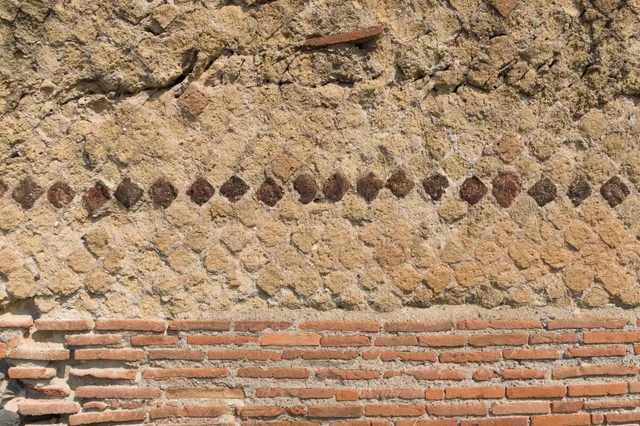
Tenants renting beside the Roman wall trade vehicle access for pedestrian alleyways that funnel walking tours past their front doors every morning.
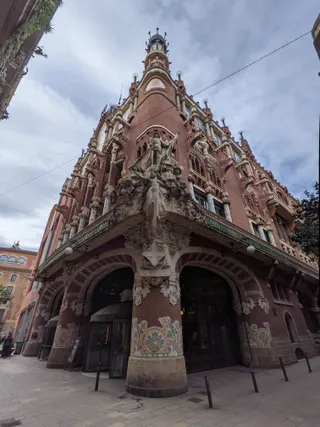 Palau de la Música Catalana
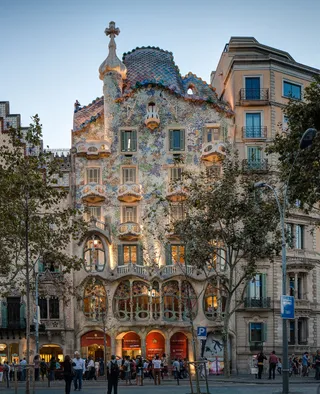 Casa Batlló
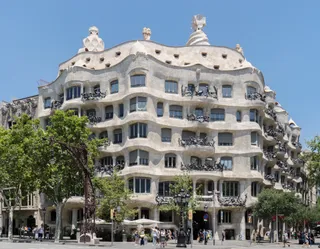 Casa Milà
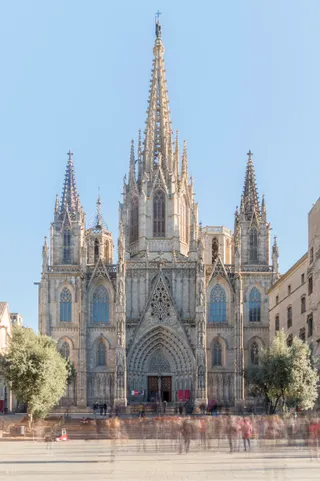 Cathedral of the Holy Cross and Saint Eulalia
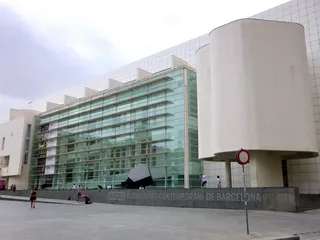 MACBA Barcelona Museum of Contemporary Art
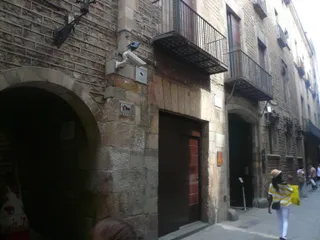 Museu Picasso
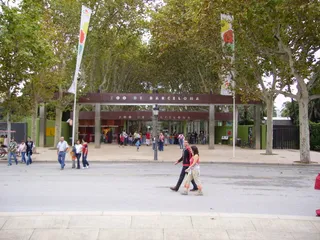 Barcelona Zoo
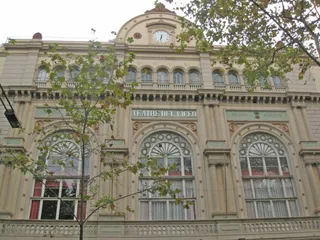 Gran Teatre del Liceu
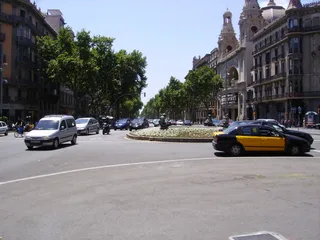 Gran Via de les Corts Catalanes
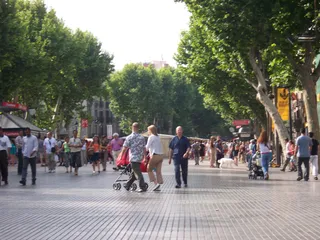 La Rambla
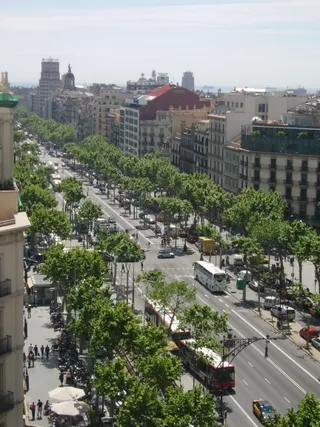 Passeig de Gràcia
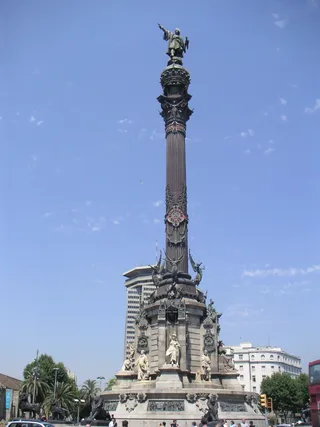 Columbus Monument
 Aquarium Barcelona
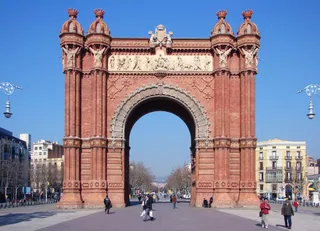 Arc de Triomf
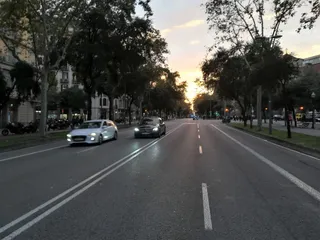 Avinguda Diagonal
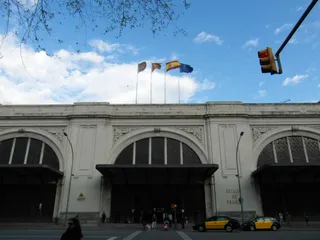 Barcelona Estació de França
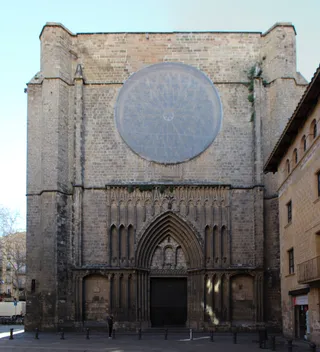 Basilica of Our Lady of the Pine Tree
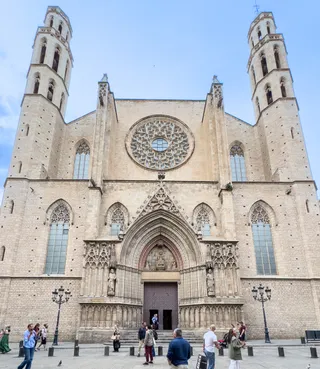 Basilica of Our Lady of the Sea
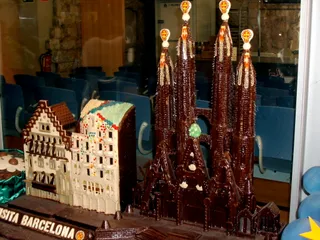 Casa Amatller
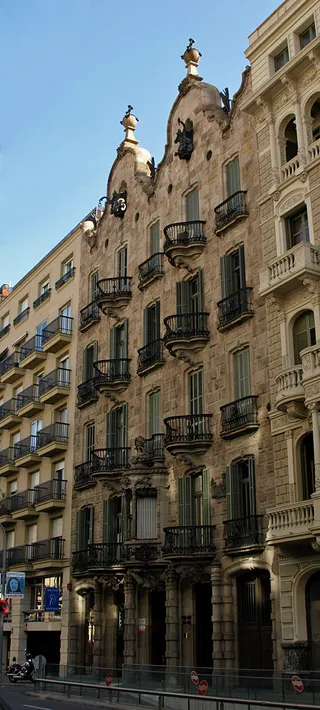 Casa Calvet
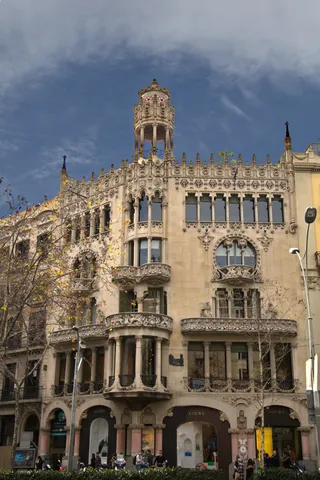 Casa Lleó Morera
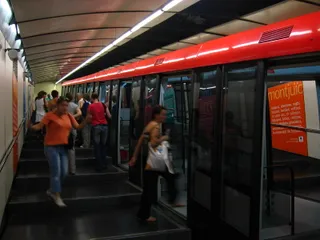 Funicular de Montjuïc
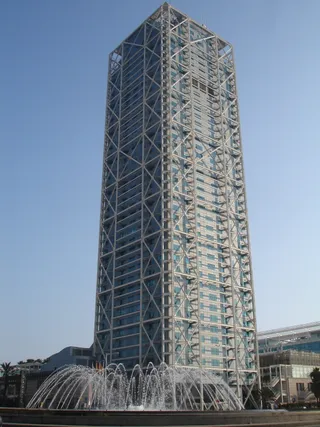 Hotel Arts
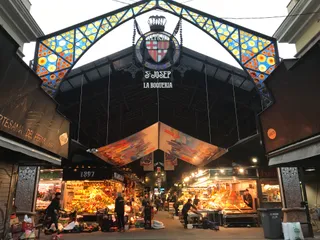 La Boqueria
 Museu de la Xocolata
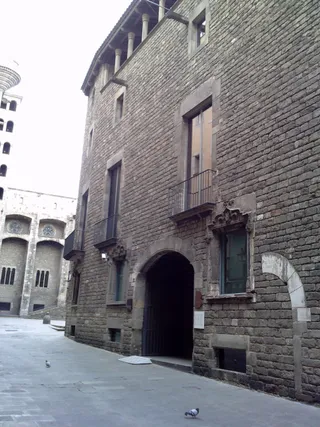 Museu d'Història de Barcelona
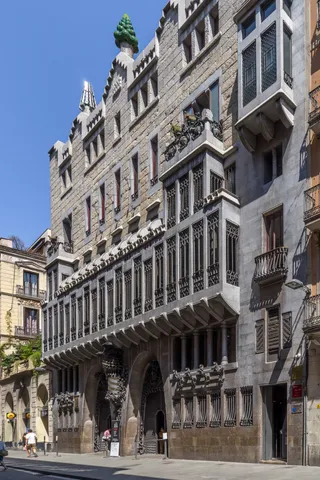 Palau Güell
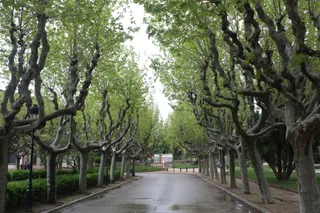 Parc de la Ciutadella
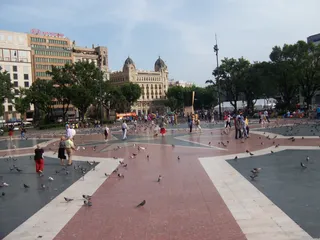 Plaça de Catalunya
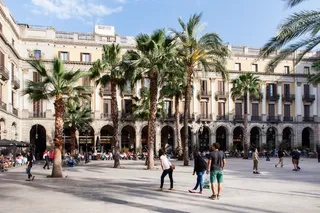 Royal Square
Roman defensive architecture prioritized enclosing entire urban populations rather than relying on detached forts. Builders drew from earlier Etruscan construction traditions, developing methods that joined massive irregular stone blocks into tightly fitted polygonal surfaces. Simple early ramparts relied on raised earthworks to secure municipal borders, establishing standard defensive principles that defined imperial urban layouts.
Engineering evolved from basic earthworks fronted by protective ditches to elaborate stone circuits featuring integrated fort structures placed at regular intervals. These comprehensive barriers secured expanding civic centers against external threats. In municipal settings, surviving stone ramparts constrain modern urban movement, funneling pedestrians through ancient gateways and dictating the spatial flow around surviving masonry.
What visitors say on Google Maps
Rating and recent reviews from Google Maps load on request.
Can’t find the place you need? Search understands any language. Open search