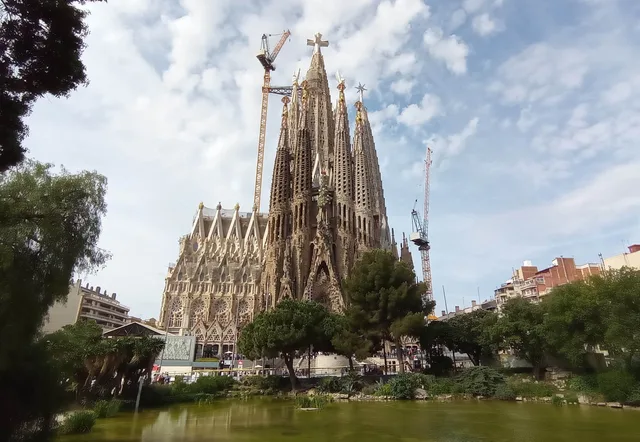
 ≈ 20 min awayBasilica and Expiatory Church of the Holy Family
- Distance
- 1.5 km
 TravelHub
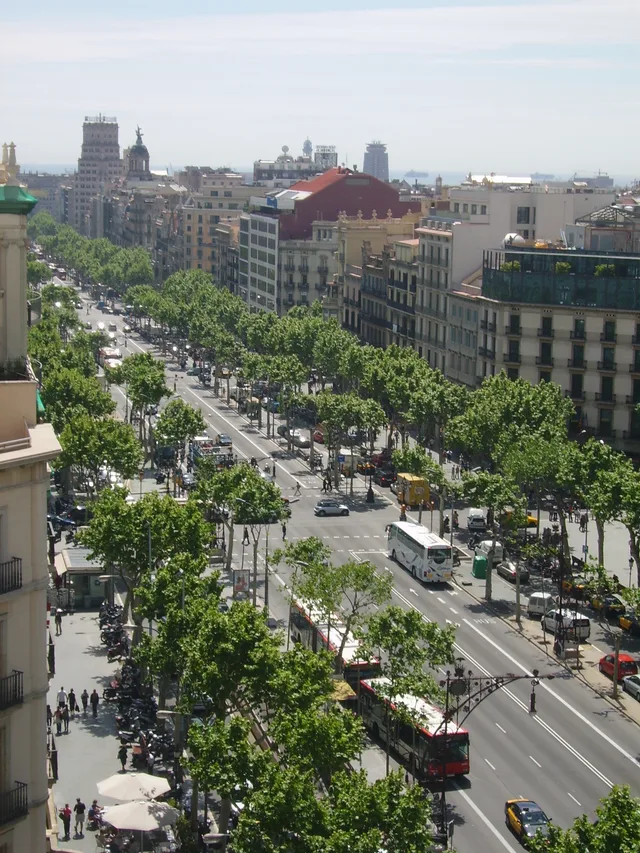
Residents run everyday errands past ornate modernista facades while sharing the sidewalks with shoppers between Plaça Catalunya and Gràcia.
 Basilica and Expiatory Church of the Holy Family
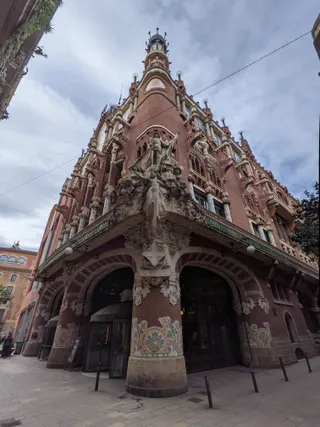 Palau de la Música Catalana
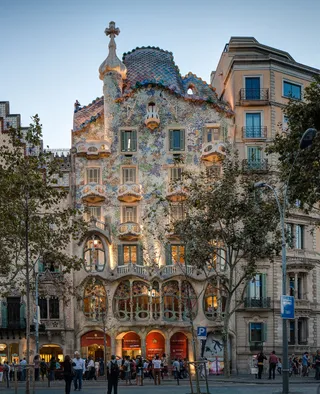 Casa Batlló
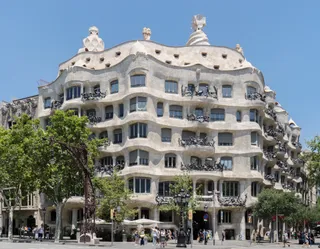 Casa Milà
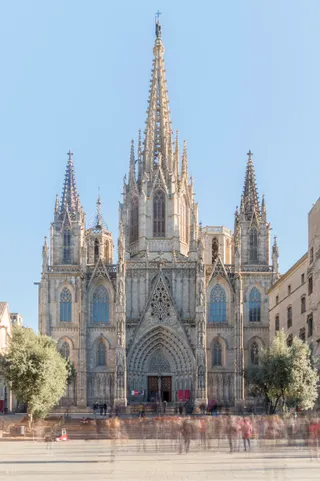 Cathedral of the Holy Cross and Saint Eulalia
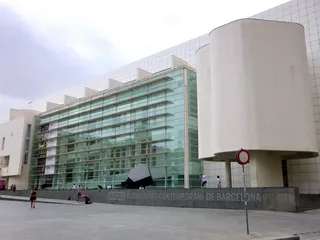 MACBA Barcelona Museum of Contemporary Art
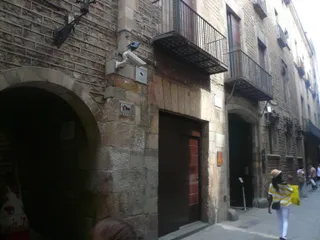 Museu Picasso
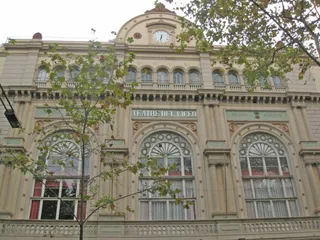 Gran Teatre del Liceu
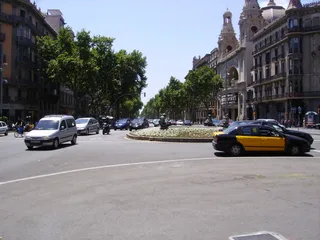 Gran Via de les Corts Catalanes
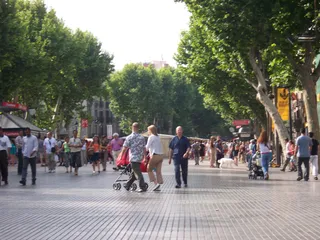 La Rambla
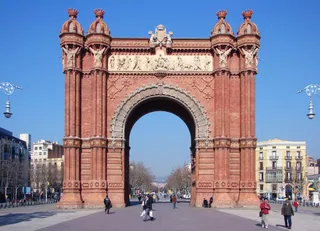 Arc de Triomf
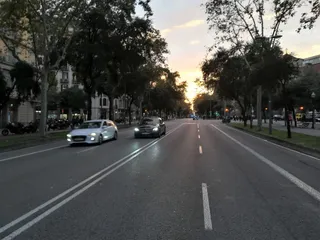 Avinguda Diagonal
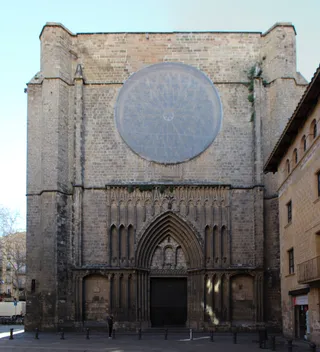 Basilica of Our Lady of the Pine Tree
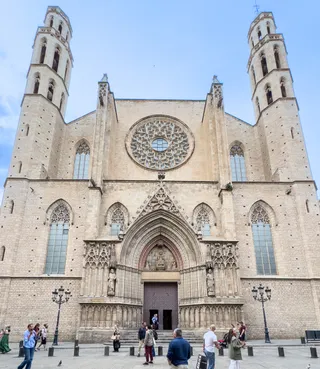 Basilica of Our Lady of the Sea
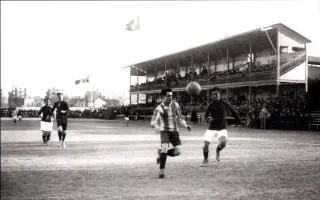 Camp del Carrer Indústria
 Casa Amatller
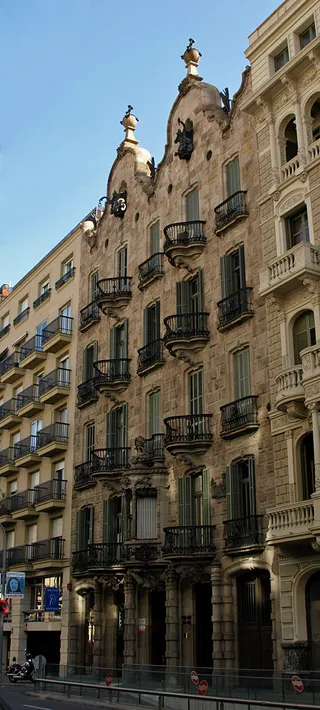 Casa Calvet
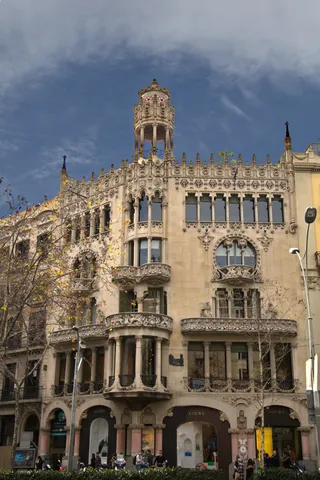 Casa Lleó Morera
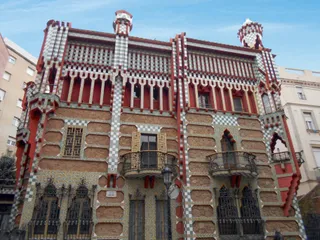 Casa Vicens
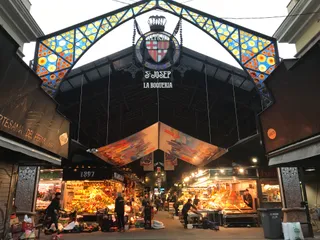 La Boqueria
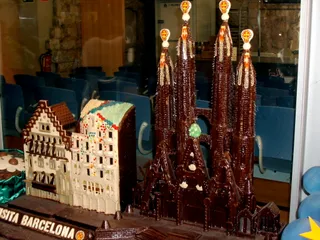
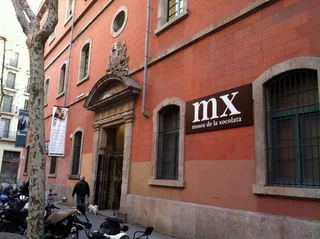 Museu de la Xocolata
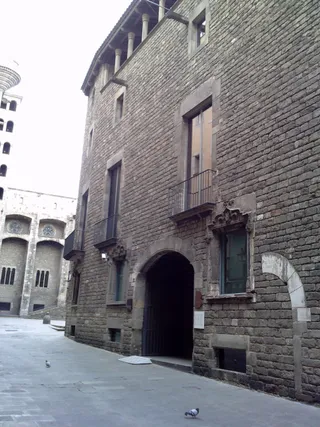 Museu d'Història de Barcelona
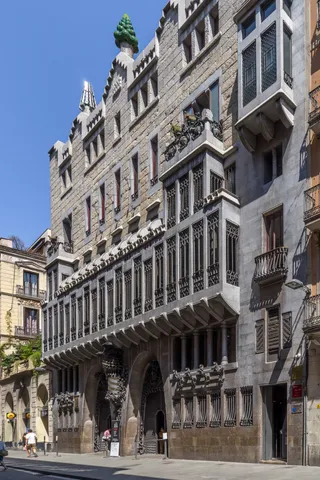 Palau Güell
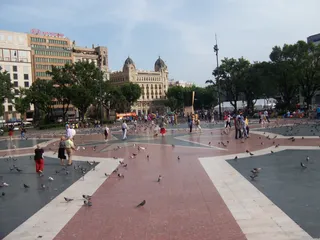 Plaça de Catalunya
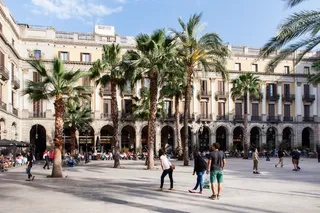 Royal Square
The avenue began as an unpaved country lane named Camí de Jesús, flanked by gardens connecting Barcelona to the independent settlement of Gràcia. An early urbanisation attempt under Ramon Plana stopped during regional epidemics before resuming under the Marquis of Campo Sagrado. The resulting broad thoroughfare drew aristocrats riding carriages, eventually evolving into an open showcase for Catalan Art Nouveau masters.
Notable architects including Antoni Gaudí, Josep Puig i Cadafalch, and Pere Falqués shaped the boulevard with distinctive facades alongside signature stone benches and integrated street-lights. During the Spanish Civil War, the Basque government operated its headquarters here, while literary figures like Salvador Espriu made Casa Fuster their home. Today the corridor doubles as a rail and subway interchange beneath luxury retail.
What visitors say on Google Maps
Rating and recent reviews from Google Maps load on request.
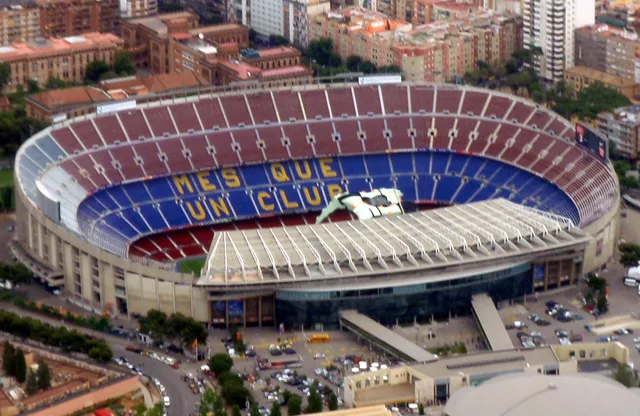 ≈ 45 min awayCamp Nou
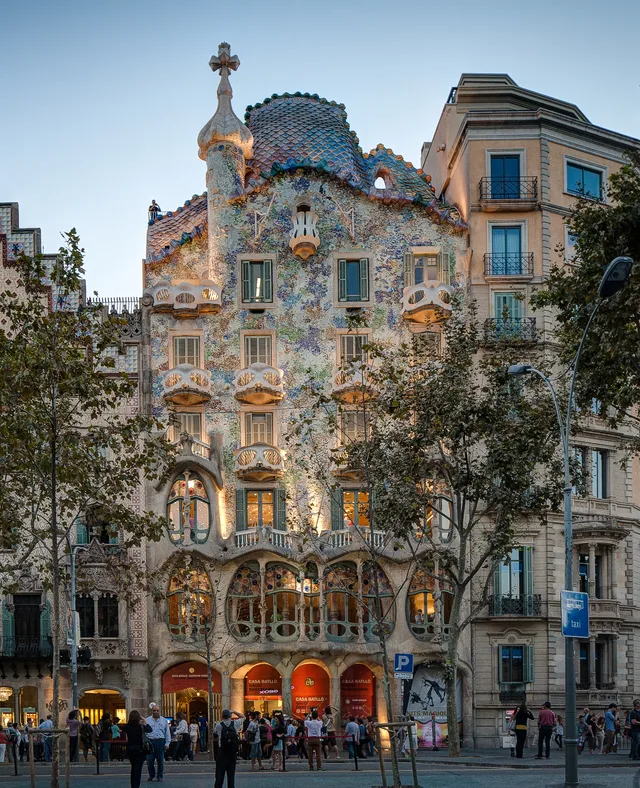 ≈ 5 min awayCasa Batlló
Can’t find the place you need? Search understands any language. Open search