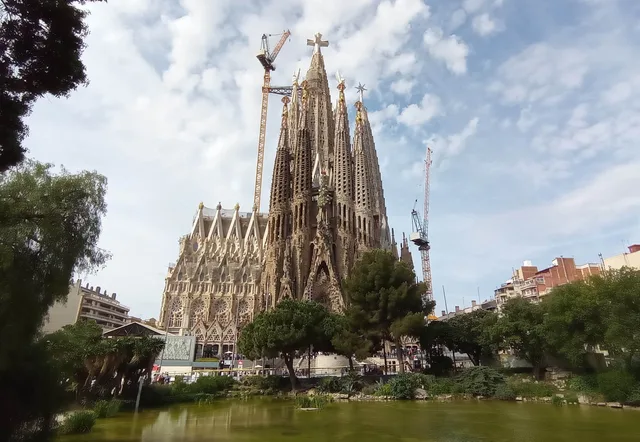
 ≈ 30 min drogiSagrada Família
- Odległość
- 2,2 km
 TravelHub
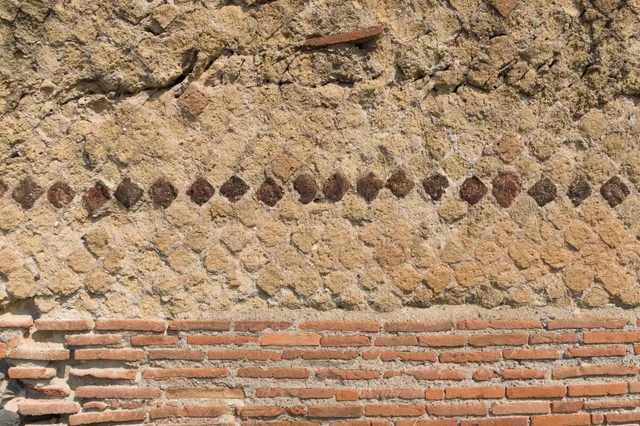
Tenants renting beside the Roman wall trade vehicle access for pedestrian alleyways that funnel walking tours past their front doors every morning.
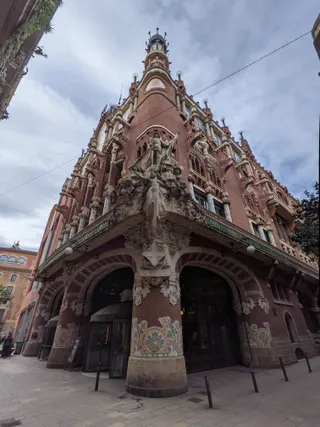 Pałac Muzyki Katalońskiej
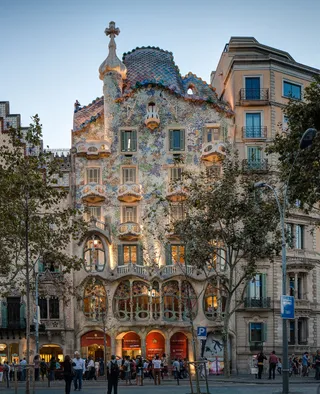 Casa Batlló
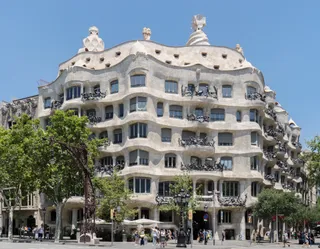 Casa Milà
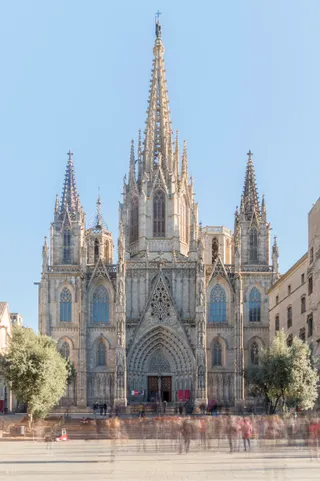 Katedra św. Eulalii w Barcelonie
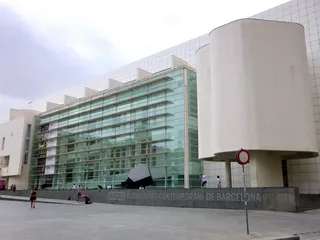 MACBA Barcelona Museum of Contemporary Art
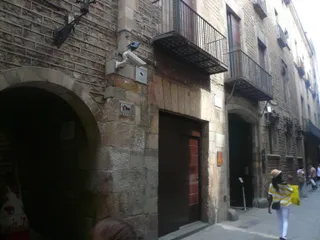 Muzeum Picassa w Barcelonie
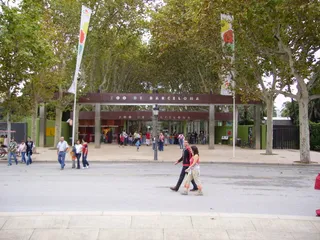 Ogród Zoologiczny w Barcelonie
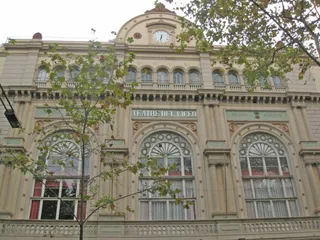 Gran Teatre del Liceu
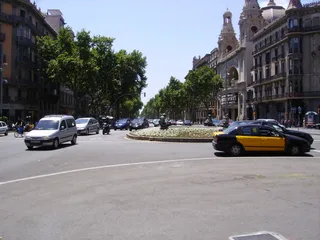 Gran Via de les Corts Catalanes
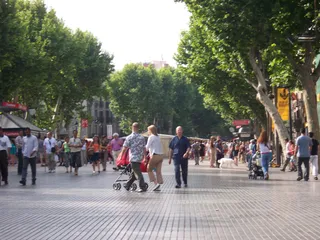 La Rambla
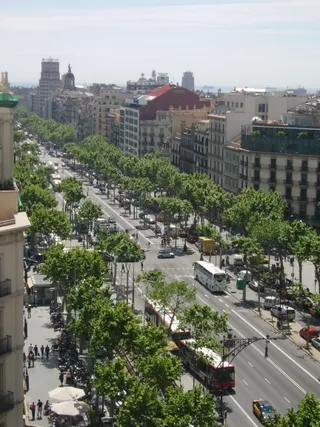 passeig de Gràcia
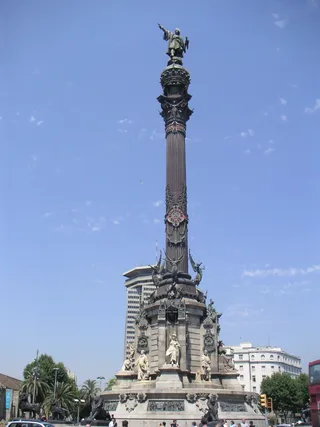 Pomnik Krzysztofa Kolumba w Barcelonie
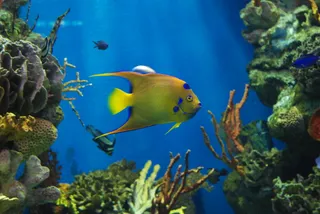 Aquarium Barcelona
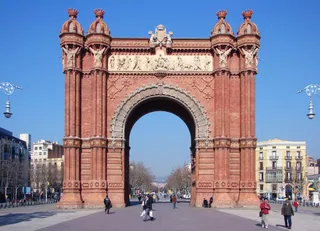 Łuk Triumfalny
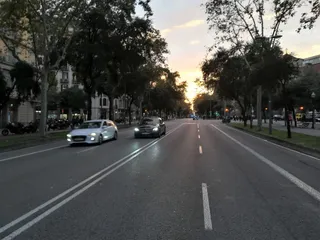 Avinguda Diagonal
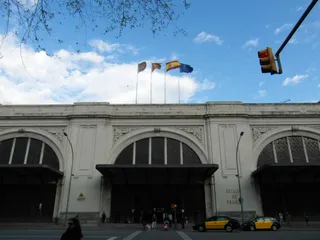 Barcelona Estació de França
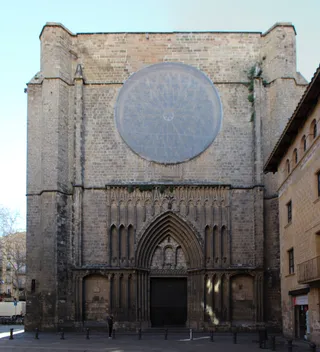 Kościół Santa María del Pí w Barcelonie
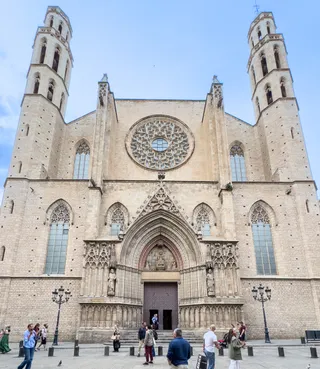 Kościół Santa Maria del Mar w Barcelonie
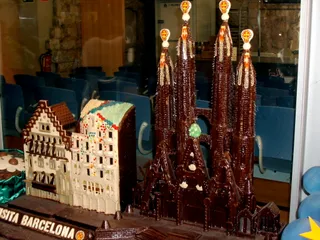 Casa Amatller
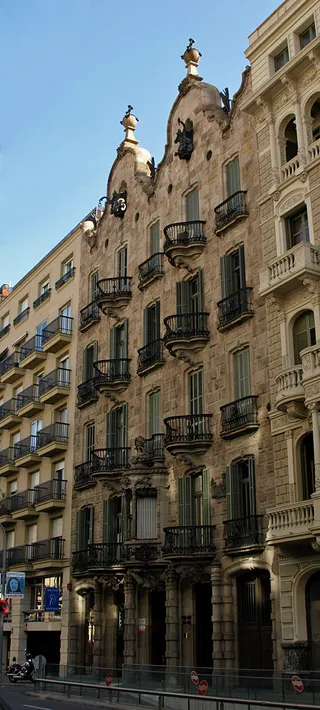 Casa Calvet
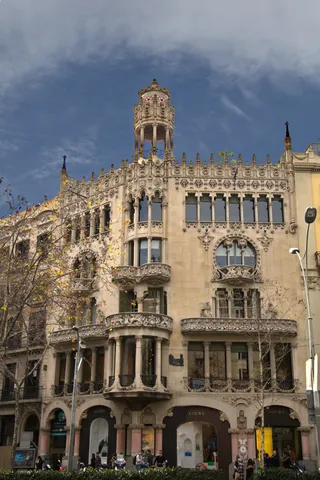 Casa Lleó Morera
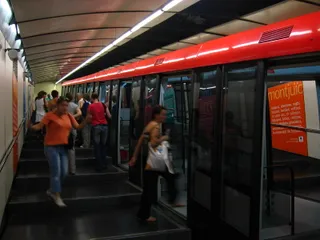 Funicular de Montjuïc
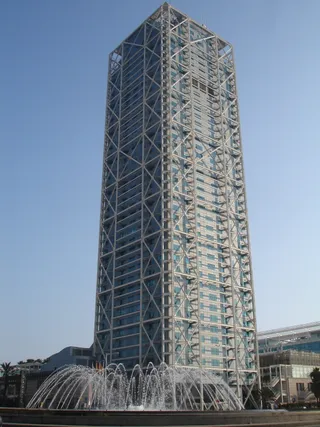 Hotel Arts Barcelona Barcelona
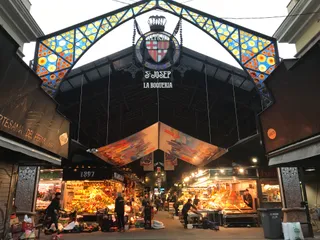 La Boqueria
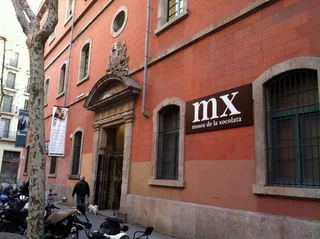 Museu de la Xocolata
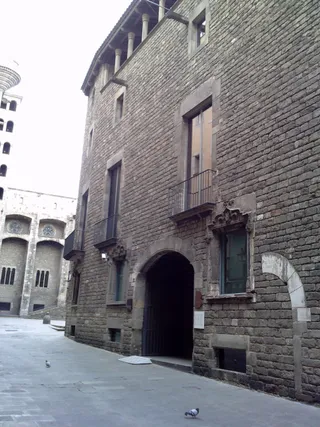 Museu d'Història de Barcelona
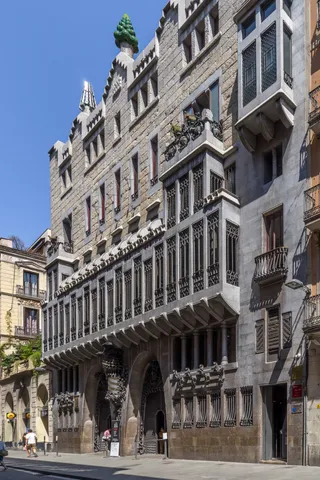 Pałac Güell
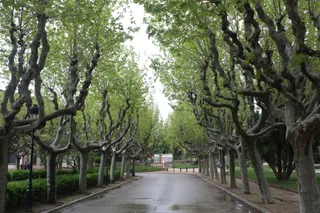 parc de la Ciutadella
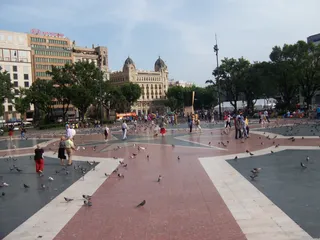 Plaça de Catalunya
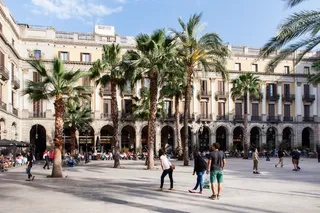 Plaça Reial
Roman defensive architecture prioritized enclosing entire urban populations rather than relying on detached forts. Builders drew from earlier Etruscan construction traditions, developing methods that joined massive irregular stone blocks into tightly fitted polygonal surfaces. Simple early ramparts relied on raised earthworks to secure municipal borders, establishing standard defensive principles that defined imperial urban layouts.
Engineering evolved from basic earthworks fronted by protective ditches to elaborate stone circuits featuring integrated fort structures placed at regular intervals. These comprehensive barriers secured expanding civic centers against external threats. In municipal settings, surviving stone ramparts constrain modern urban movement, funneling pedestrians through ancient gateways and dictating the spatial flow around surviving masonry.
Co piszą odwiedzający w Mapach Google
Ocena i najnowsze opinie z Map Google wczytają się na żądanie.
≈ 30 min drogiSagrada Família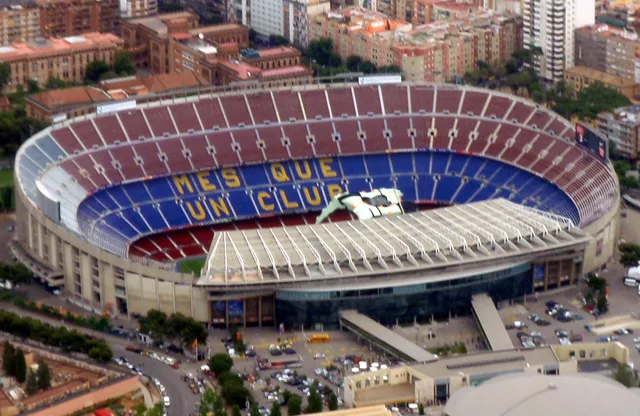 ≈ 55 min drogiCamp Nou
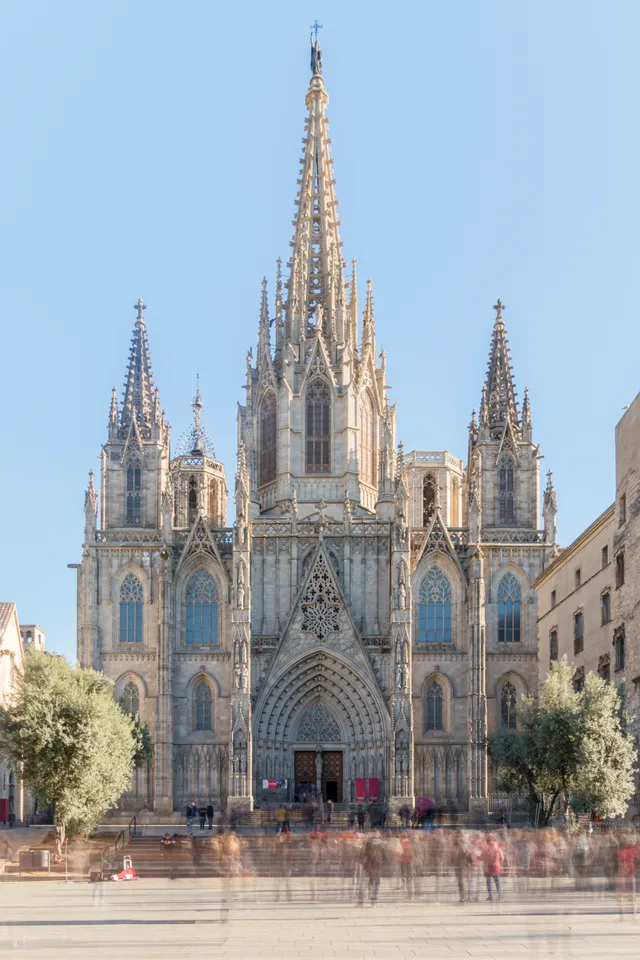 ≈ 5 min drogiKatedra św. Eulalii w Barcelonie
Nie możesz znaleźć miejsca, którego potrzebujesz? Wyszukiwarka rozumie każdy język. Otwórz wyszukiwarkę