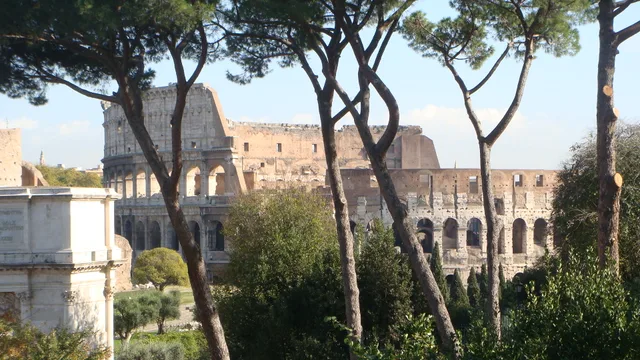
 ≈ 5 min awayColosseum
- Distance
- 300 m
 TravelHub
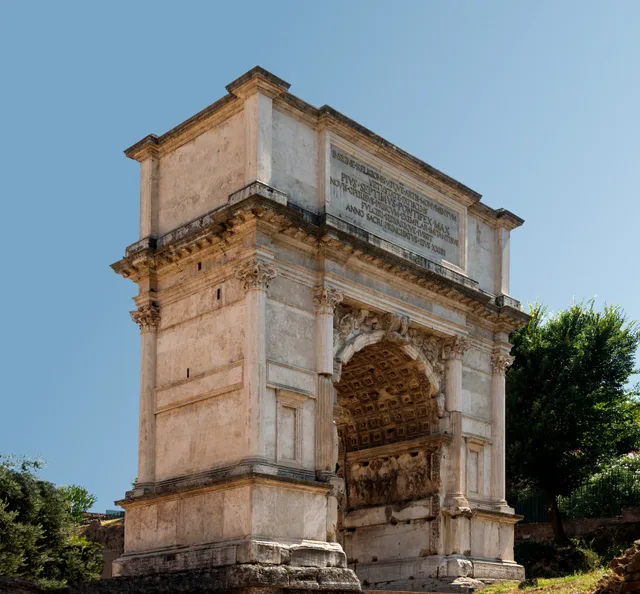
Tenants in Monti navigate around the Via Sacra foot traffic on daily errands, treating the monumental perimeter as a routine transit barrier.
 Colosseum
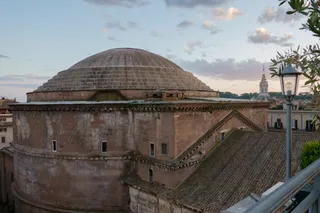 Pantheon
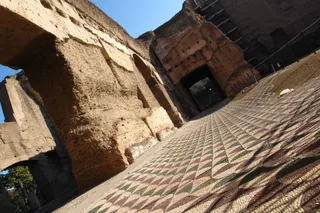 Baths of Caracalla
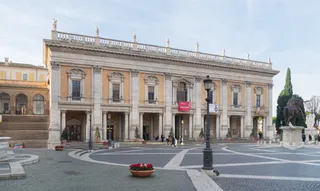 Capitoline Museums
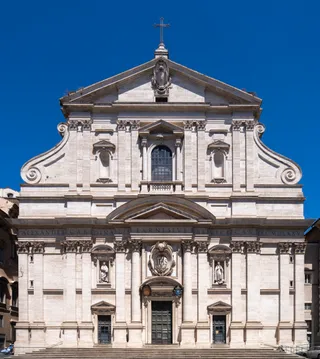 Church of the Gesù
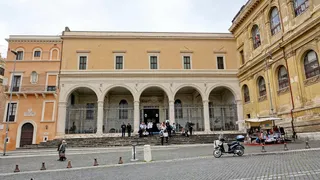 San Pietro in Vincoli
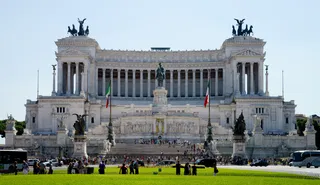 Altare della Patria
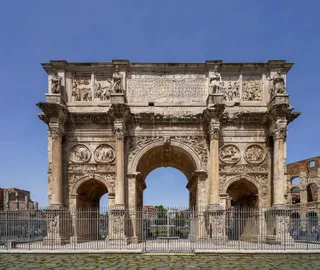 Arch of Constantine
 Archbasilica of St. John Lateran
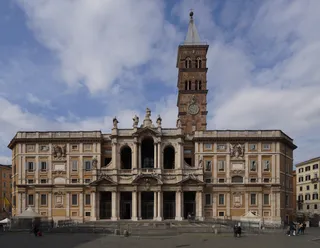 Basilica di Santa Maria Maggiore
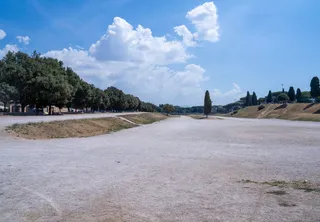 Circus Maximus
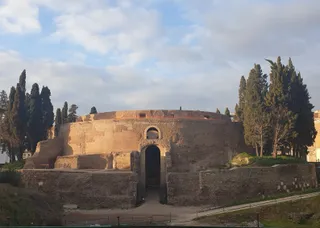 Mausoleum of Augustus
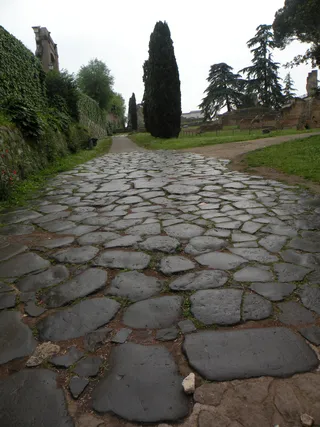 Palatine Hill
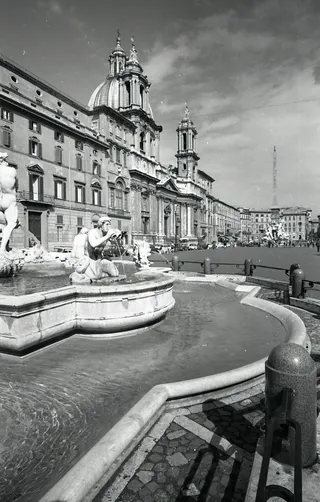 Piazza Navona
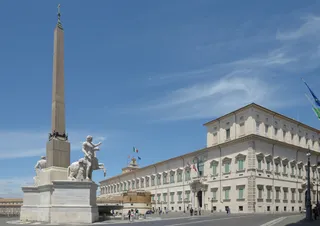 Quirinal Palace
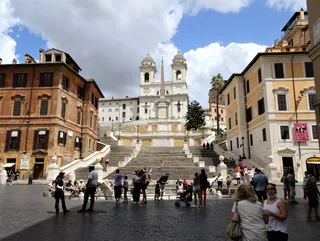 Spanish Steps
 Temple of Vesta
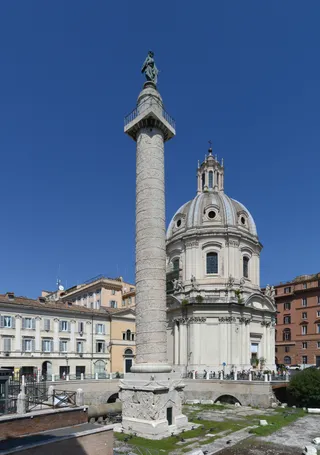 Trajan's Column
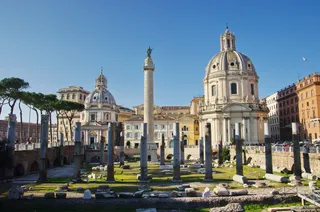 Trajan's Forum
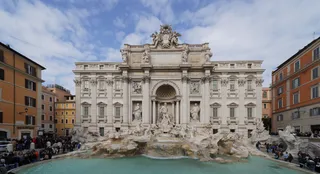 Trevi Fountain
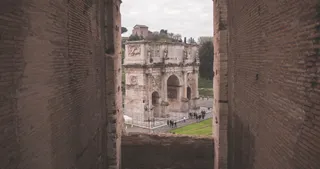 Museo Nazionale Romano
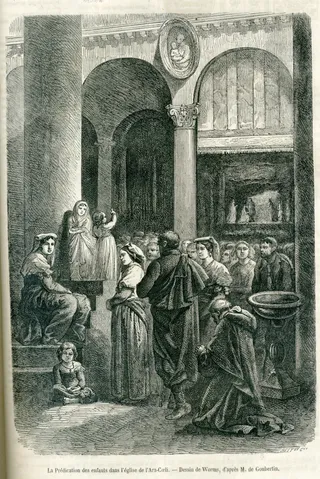 Santa Maria in Aracoeli
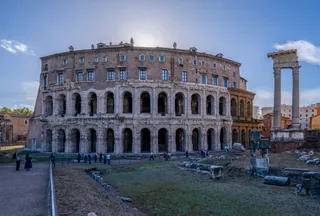 Theatre of Marcellus
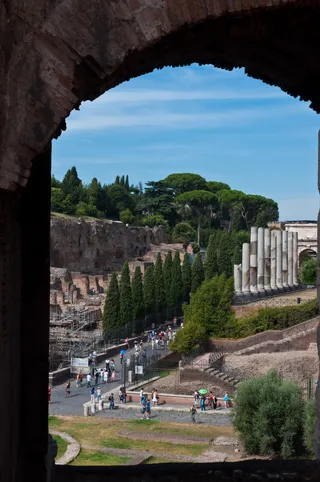 Via Sacra
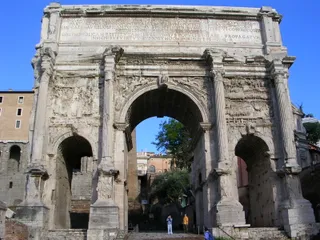 Arch of Septimius Severus (Roman Forum)
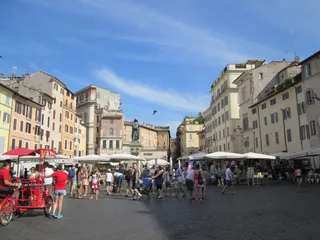 Campo de' Fiori
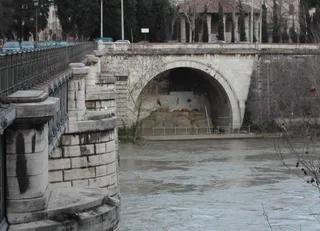 Cloaca Maxima
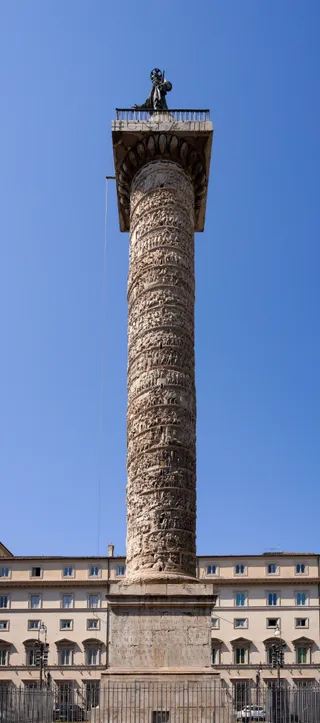 Column of Marcus Aurelius
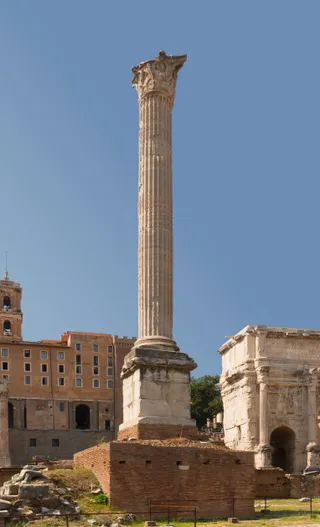 Column of Phocas
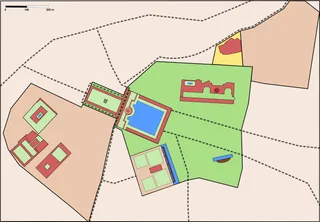 Domus Aurea
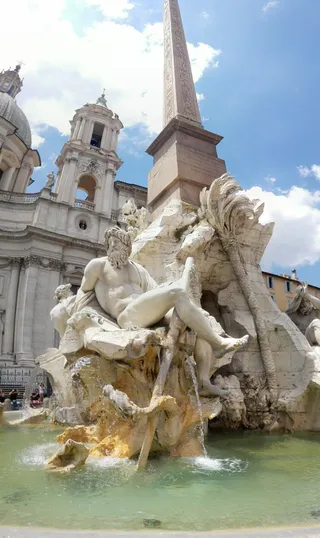 Four Rivers Fountain
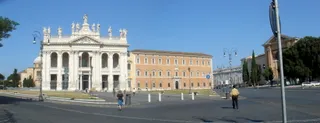 Lateran Palace
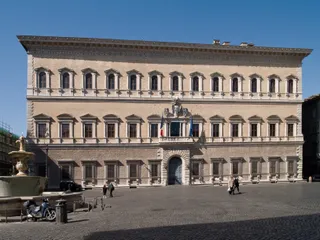 Palazzo Farnese
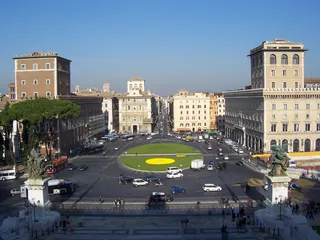 piazza Venezia
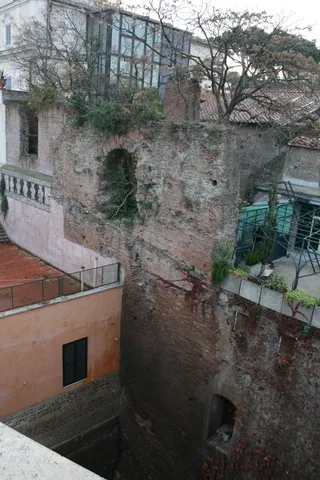 Pontifical Gregorian University
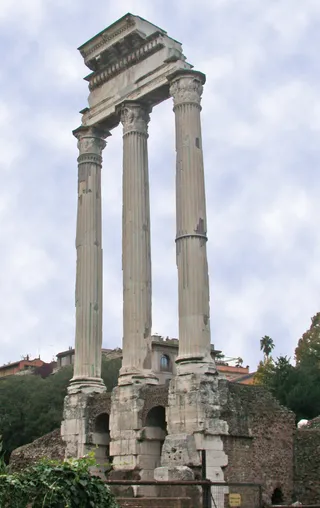 Temple of Castor and Pollux
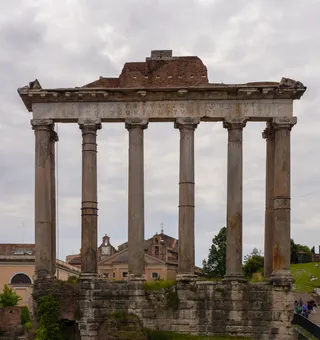 Temple of Saturn
Emperor Domitian commissioned the monument on the Via Sacra following the death of Titus to commemorate imperial deification and the military campaign in Judaea. Attributions link the architectural execution to Rabirius, who designed major Flavian projects. During the Middle Ages, the Frangipani family incorporated the arch into a fortified stronghold. Surviving beam holes mark where defensive chambers were built into the vault.
Papal decrees following the creation of the Roman Ghetto converted the arch into an annual site of forced submission for local Jewish leaders. The Chief Rabbinate of Rome maintained a community boycott against passing beneath the passage until the modern foundation of Israel. Conservation supervised by Raffaele Stern and Giuseppe Valadier used travertine to separate modern repairs from original marble fabric.
What visitors say on Google Maps
Rating and recent reviews from Google Maps load on request.
≈ 5 min awayColosseum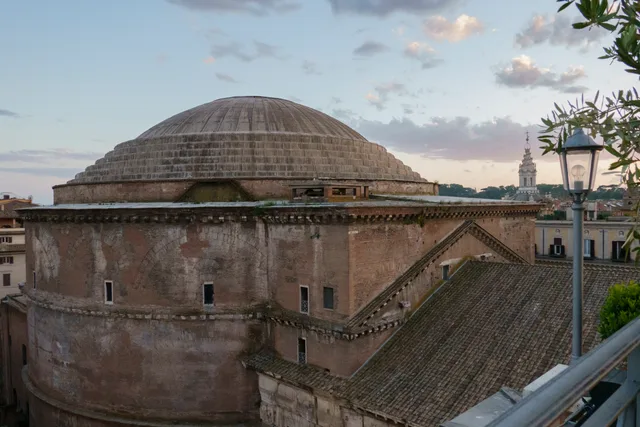 ≈ 20 min awayPantheon
 ≈ 40 min awaySistine Chapel
Can’t find the place you need? Search understands any language. Open search