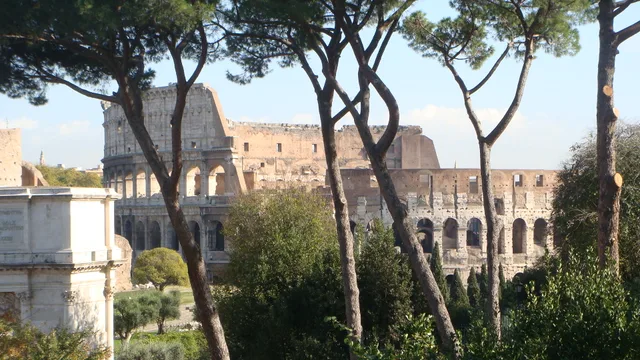
 A ≈ 5 min de distanciaColiseo
- Distancia
- 300 m
 TravelHub
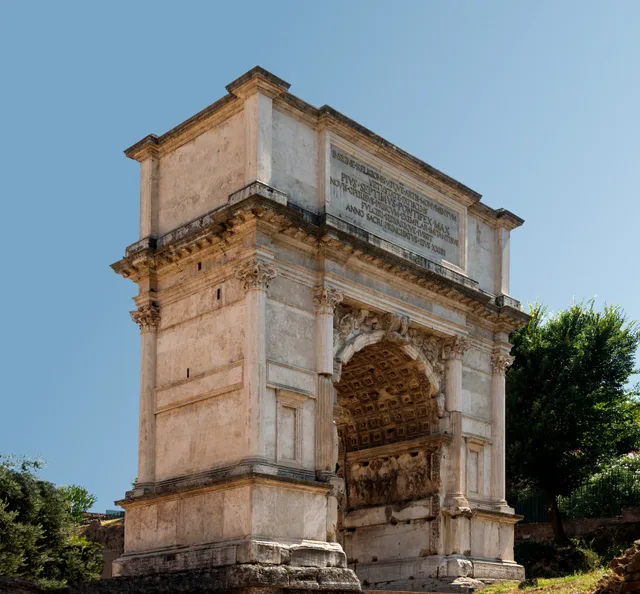
Tenants in Monti navigate around the Via Sacra foot traffic on daily errands, treating the monumental perimeter as a routine transit barrier.
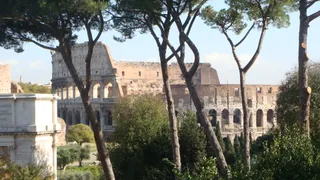 Coliseo
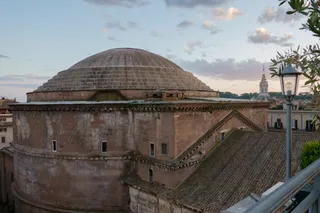 Panteón de Agripa
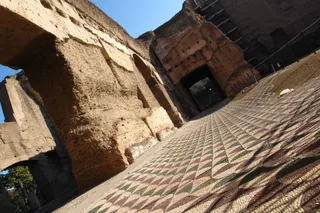 Termas de Caracalla
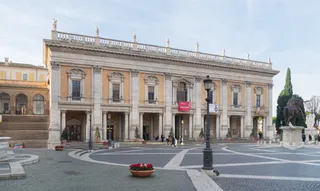 Museos Capitolinos
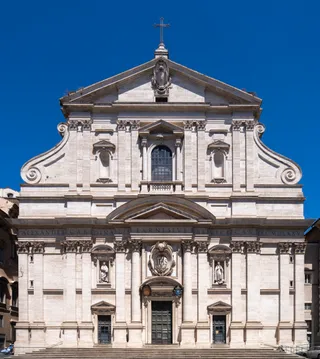 Iglesia del Gesù
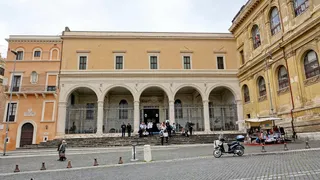 San Pietro in Vincoli
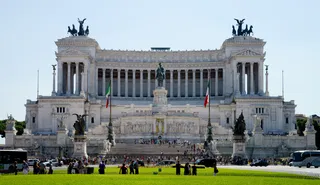 Monumento a Víctor Manuel II
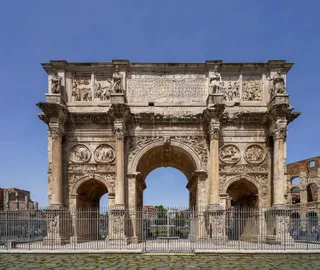 Arco de Constantino
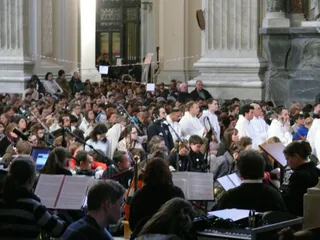 Archibasílica de San Juan de Letrán
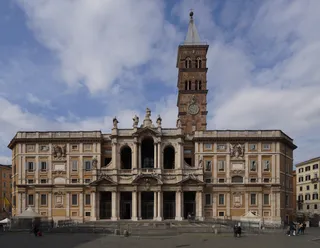 basílica de Santa María la Mayor
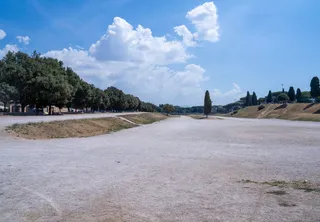 Circo Máximo
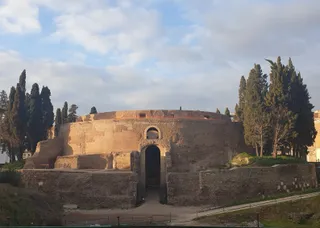 Mausoleo de Augusto
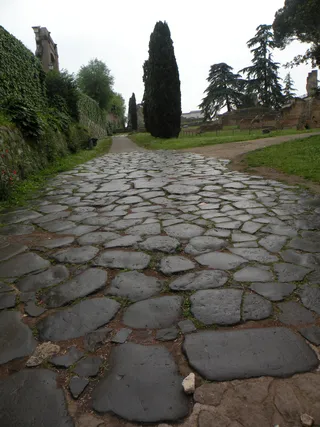 Monte Palatino
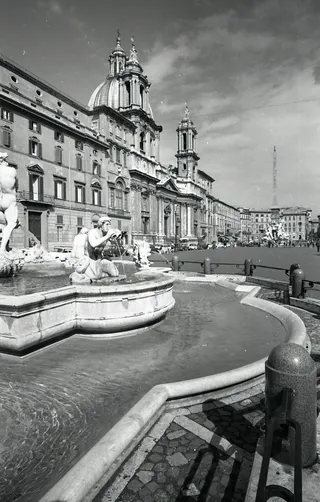 Plaza Navona
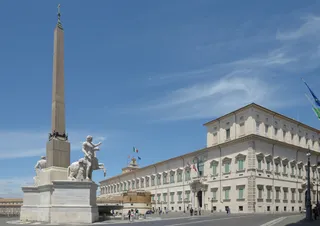 Palacio del Quirinal
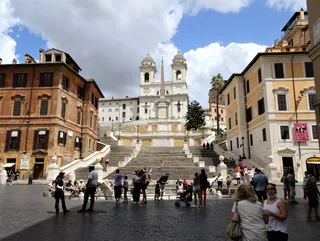 Escalinata de la plaza de España
 templo de Vesta
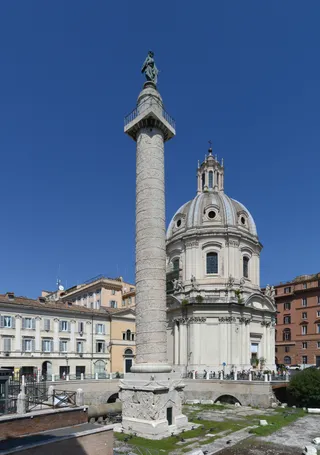 Columna de Trajano
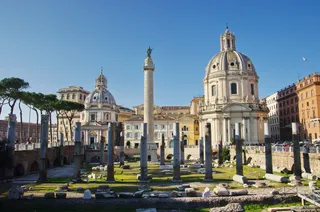 Foro de Trajano
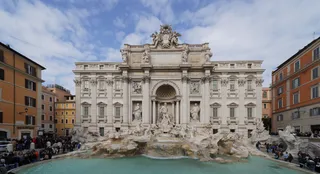 Fontana di Trevi
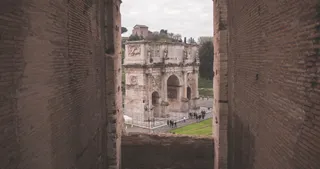 Museo Nacional Romano
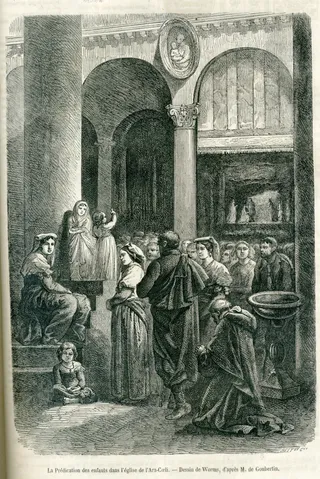 basílica de Santa María en Aracoeli
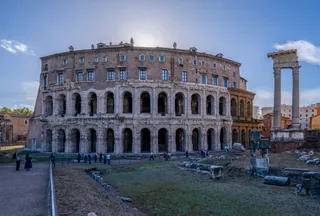 Teatro de Marcelo
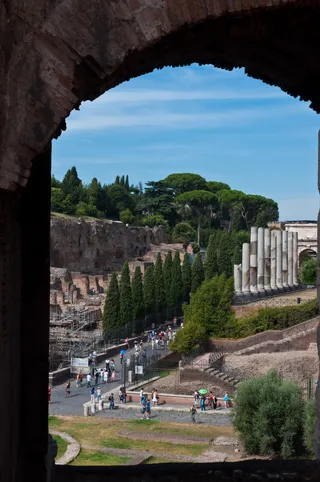 Vía Sacra
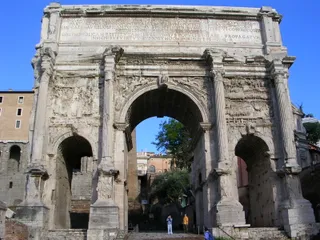 Arco de Septimio Severo
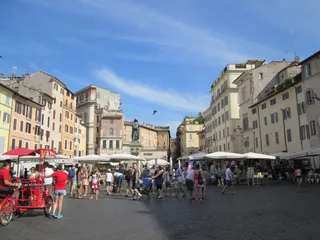 Campo de' Fiori
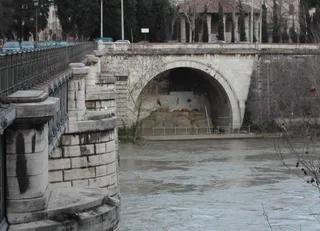 Cloaca Máxima
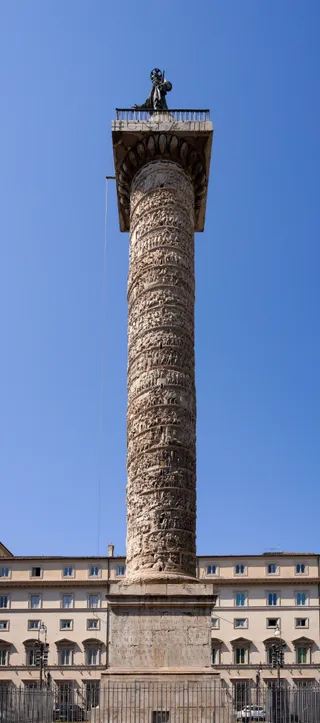 Columna de Marco Aurelio
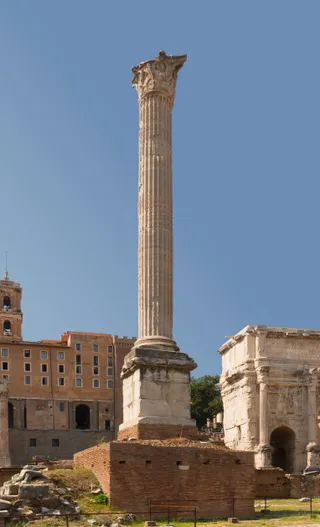 Columna de Focas
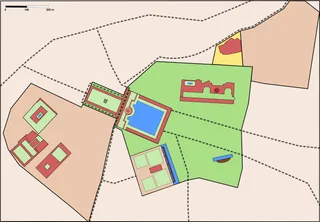 Domus Aurea
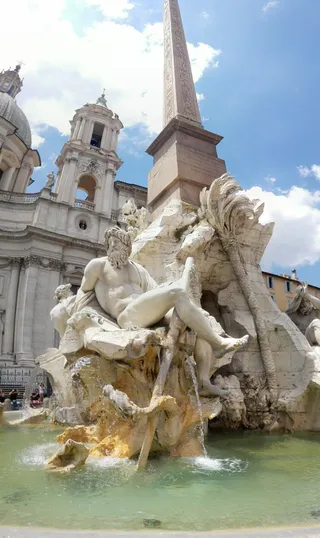 Fuente de los Cuatro Ríos
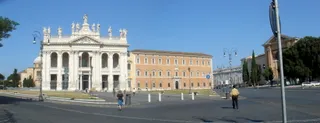 Palacio de Letrán
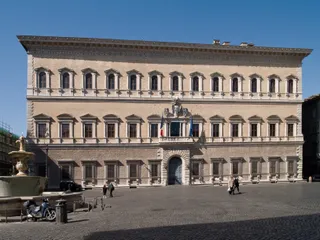 Palacio Farnesio
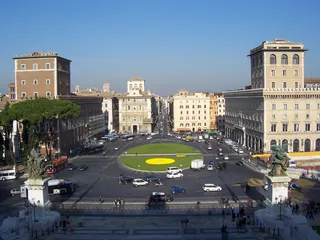 Plaza Venezia
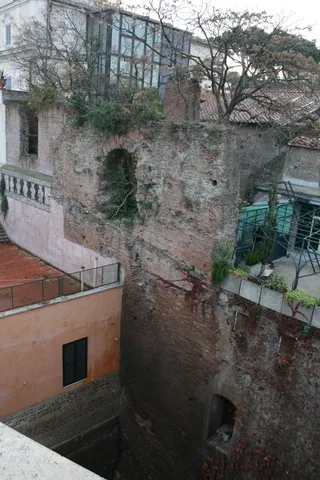 Pontificia Universidad Gregoriana
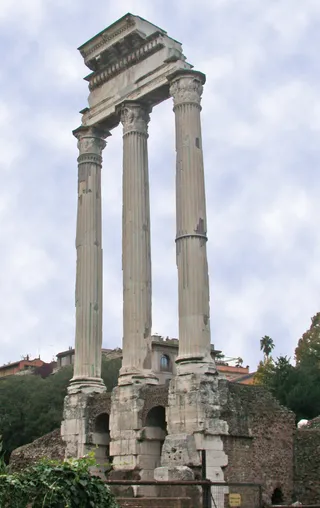 Templo de Cástor y Pólux
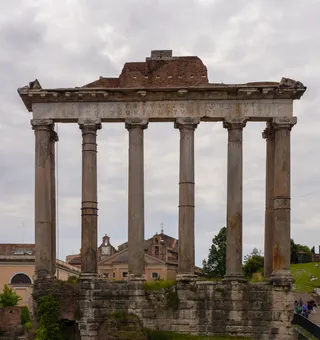 Templo de Saturno
Emperor Domitian commissioned the monument on the Via Sacra following the death of Titus to commemorate imperial deification and the military campaign in Judaea. Attributions link the architectural execution to Rabirius, who designed major Flavian projects. During the Middle Ages, the Frangipani family incorporated the arch into a fortified stronghold. Surviving beam holes mark where defensive chambers were built into the vault.
Papal decrees following the creation of the Roman Ghetto converted the arch into an annual site of forced submission for local Jewish leaders. The Chief Rabbinate of Rome maintained a community boycott against passing beneath the passage until the modern foundation of Israel. Conservation supervised by Raffaele Stern and Giuseppe Valadier used travertine to separate modern repairs from original marble fabric.
Lo que escriben los visitantes en Google Maps
La valoración y las reseñas recientes de Google Maps se cargan a petición.
A ≈ 5 min de distanciaColiseo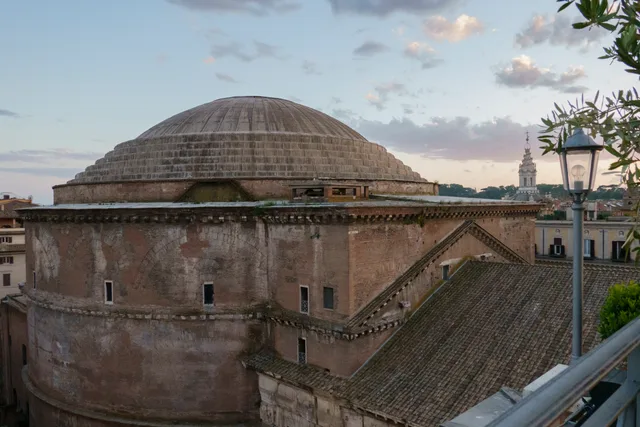 A ≈ 20 min de distanciaPanteón de Agripa
 A ≈ 40 min de distanciaCapilla Sixtina
¿No encuentras el lugar que necesitas? La búsqueda entiende cualquier idioma. Abrir búsqueda