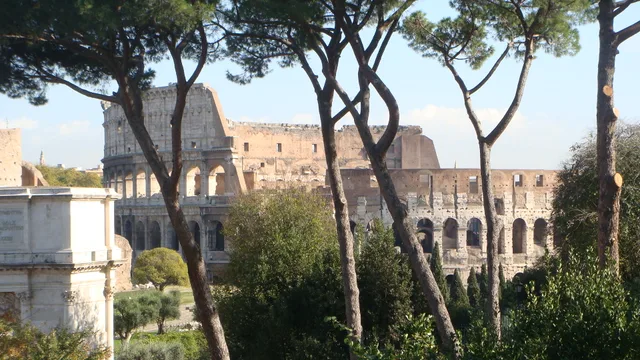
 ≈ 5 Min. entferntKolosseum
- Entfernung
- 300 m
 TravelHub
Tenants in Monti navigate around the Via Sacra foot traffic on daily errands, treating the monumental perimeter as a routine transit barrier.
 Kolosseum
 Pantheon
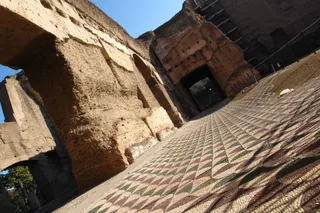 Caracalla-Thermen
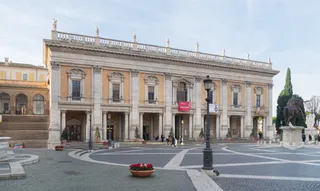 Kapitolinische Museen
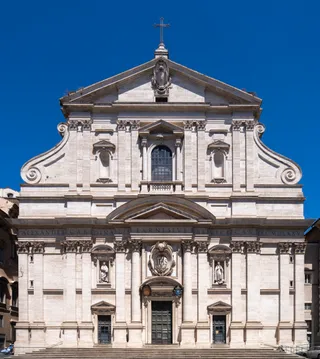 Il Gesù
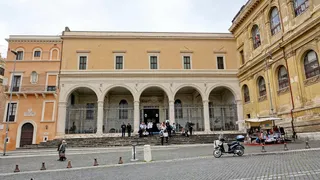 San Pietro in Vincoli
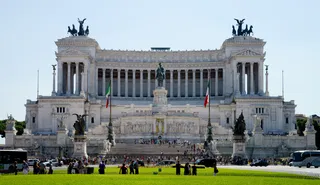 Monumento a Vittorio Emanuele II
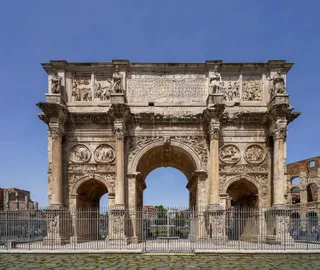 Konstantinsbogen
 Lateranbasilika
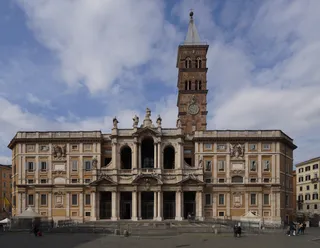 Santa Maria Maggiore
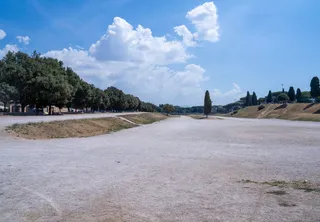 Circus Maximus
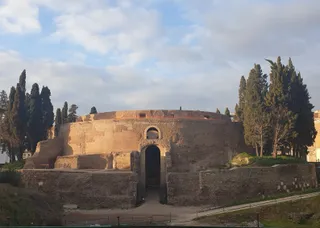 Augustusmausoleum
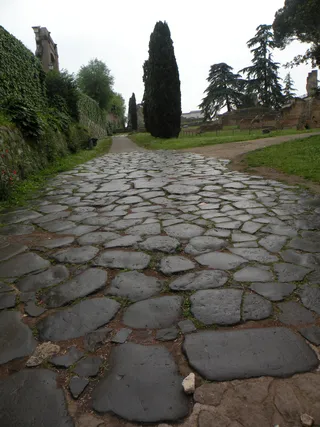 Palatin
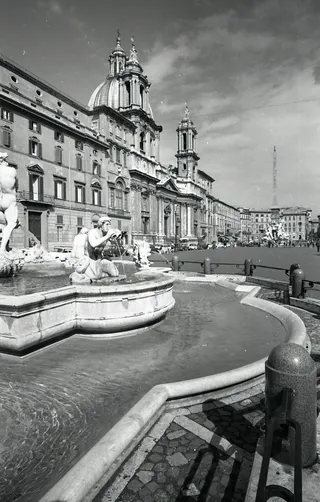 Piazza Navona
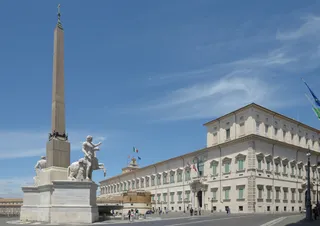 Quirinalspalast
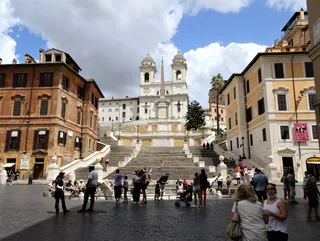 Spanische Treppe
 Tempel der Vesta
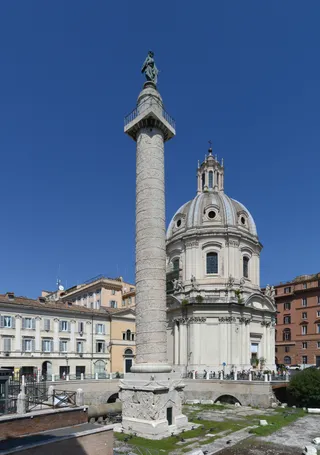 Trajanssäule
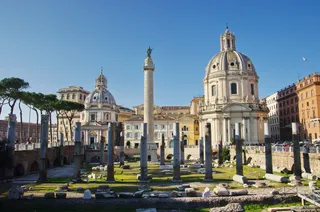 Trajansforum
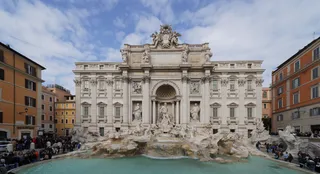 Trevi-Brunnen
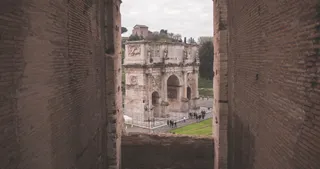 Museo Nazionale Romano
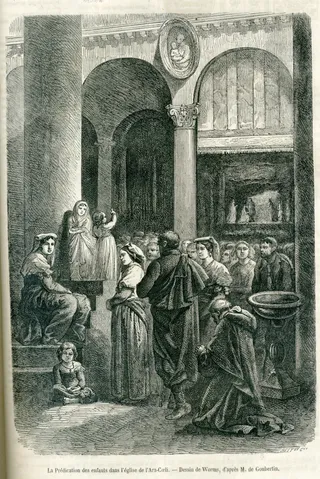 Santa Maria in Aracoeli
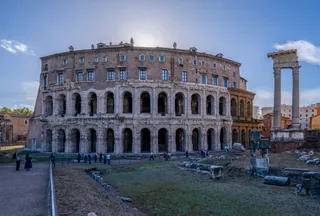 Marcellustheater
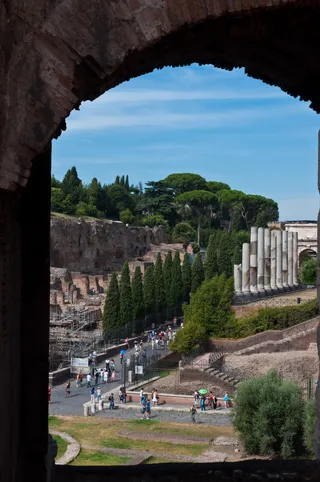 Via Sacra
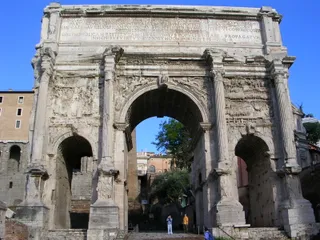 Septimius-Severus-Bogen
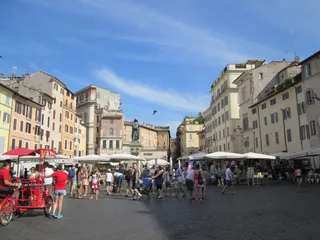 Campo de’ Fiori
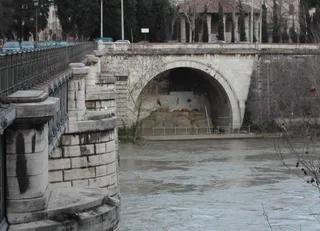 Cloaca Maxima
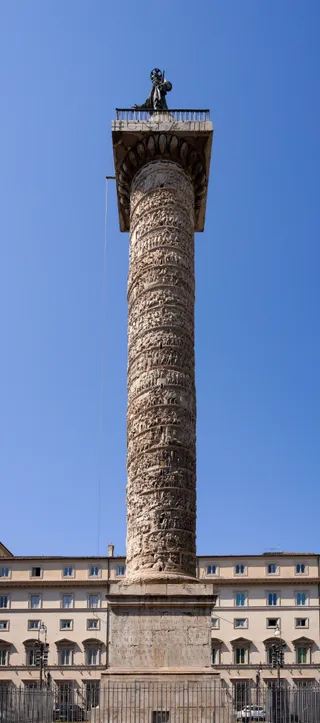 Mark-Aurel-Säule
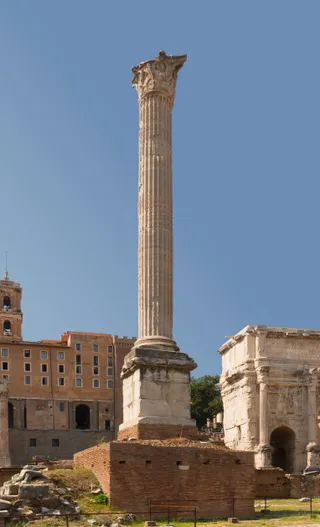 Phokas-Säule
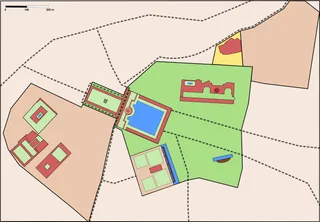 Domus Aurea
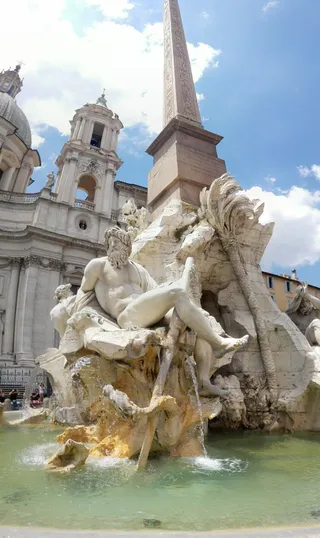 Vierströmebrunnen
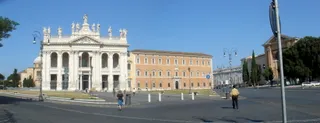 Lateranpalast
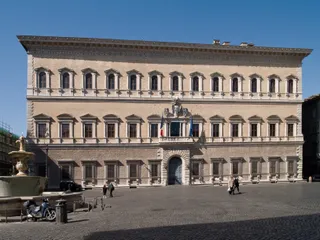 Palazzo Farnese
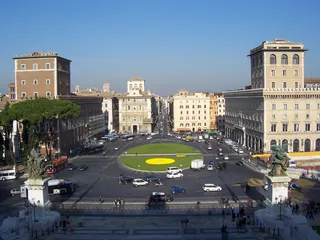 Piazza Venezia
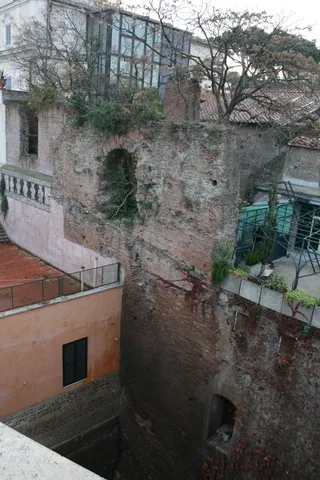 Päpstliche Universität Gregoriana
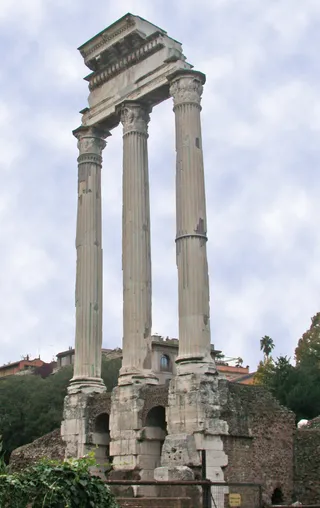 Aedes Castoris
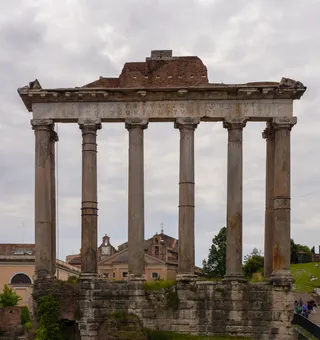 Tempel des Saturn
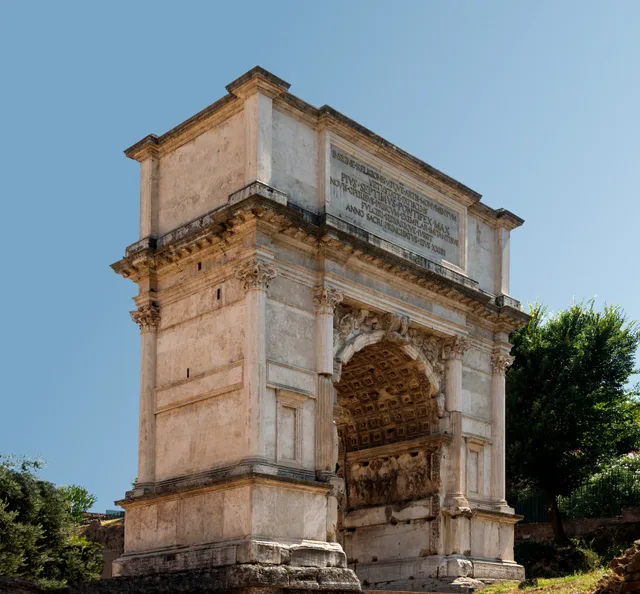
Emperor Domitian commissioned the monument on the Via Sacra following the death of Titus to commemorate imperial deification and the military campaign in Judaea. Attributions link the architectural execution to Rabirius, who designed major Flavian projects. During the Middle Ages, the Frangipani family incorporated the arch into a fortified stronghold. Surviving beam holes mark where defensive chambers were built into the vault.
Papal decrees following the creation of the Roman Ghetto converted the arch into an annual site of forced submission for local Jewish leaders. The Chief Rabbinate of Rome maintained a community boycott against passing beneath the passage until the modern foundation of Israel. Conservation supervised by Raffaele Stern and Giuseppe Valadier used travertine to separate modern repairs from original marble fabric.
Was Besucher auf Google Maps schreiben
Bewertung und aktuelle Rezensionen von Google Maps werden auf Wunsch geladen.
≈ 5 Min. entferntKolosseum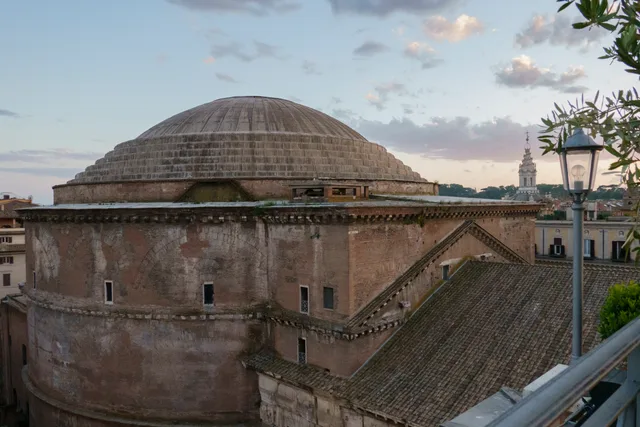 ≈ 20 Min. entferntPantheon
 ≈ 40 Min. entferntSixtinische Kapelle
Ort nicht gefunden? Die Suche versteht jede Sprache. Suche öffnen