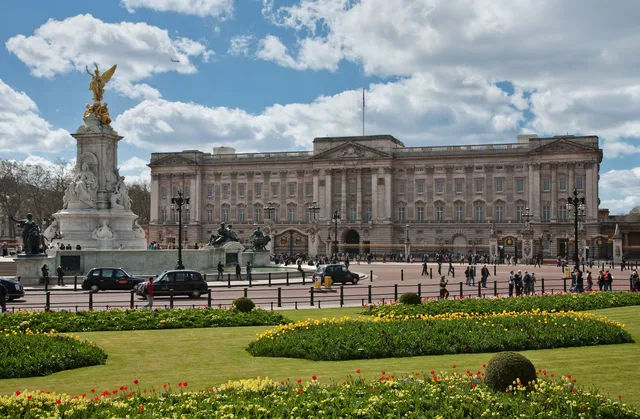
 ≈ 10 min awayBuckingham Palace
- Distance
- 500 m
 TravelHub
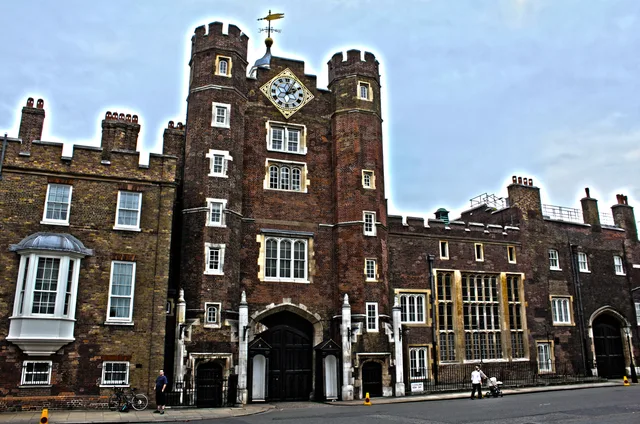
Residents in this corner of Westminster share their morning walks with foreign ambassadors accredited to the royal court, trading quiet residential privacy for permanent ceremonial security cordons.
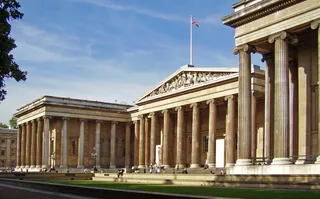 British Museum
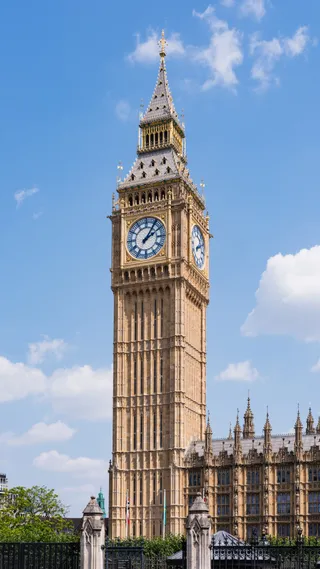 Big Ben
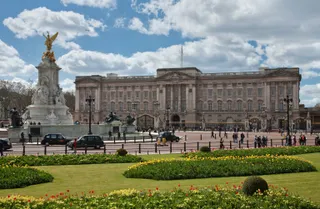 Buckingham Palace
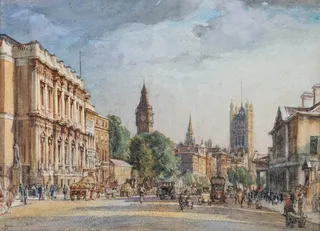 Palace of Westminster
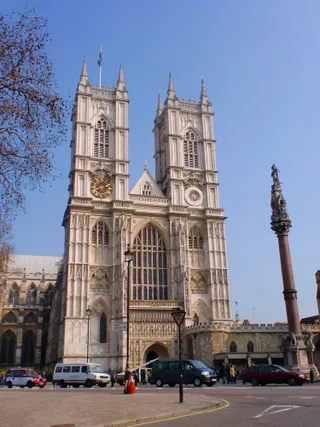 Westminster Abbey
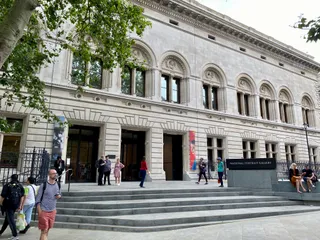 National Portrait Gallery
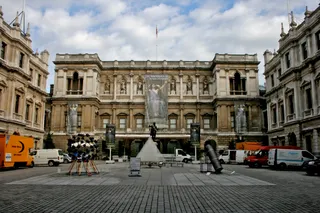 Royal Academy of Arts
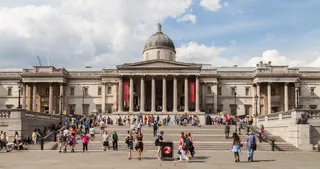 National Gallery
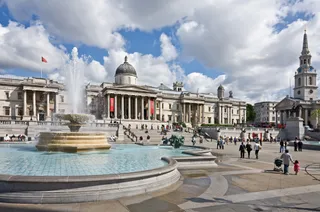 Trafalgar Square
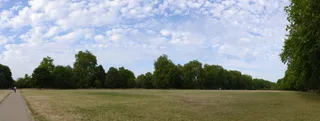 Hyde Park
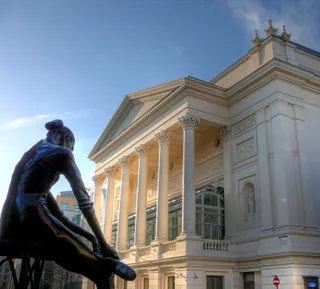 Royal Opera House
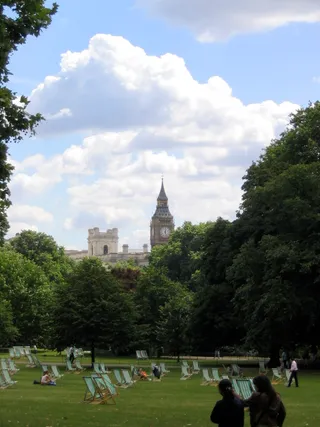 St James's Park
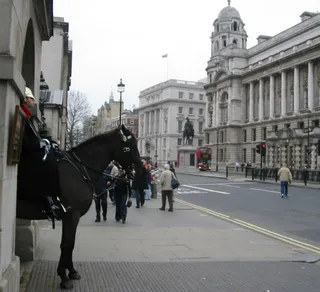 Whitehall
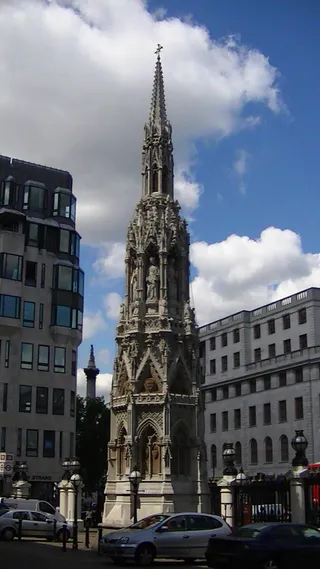 Charing Cross
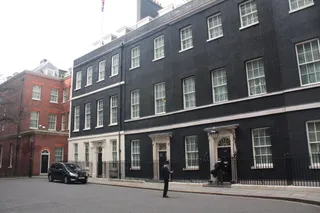 10 Downing Street
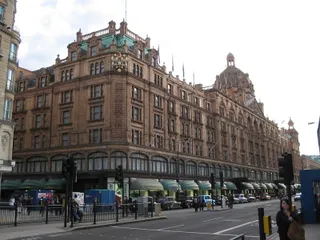 Harrods
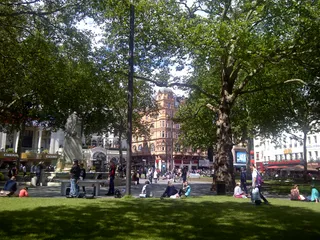 Leicester Square
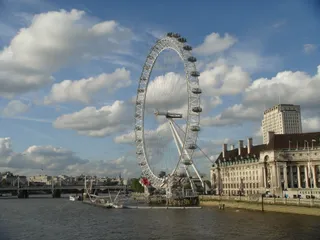 London Eye
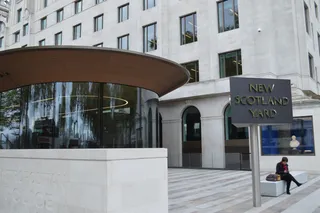 New Scotland Yard
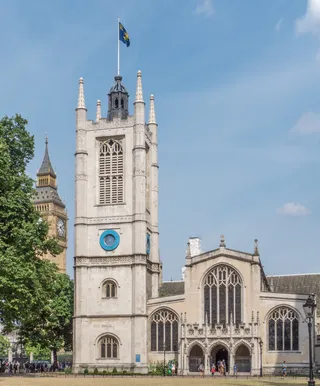 St Margaret's Church, Westminster
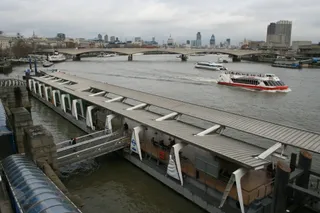 Waterloo Bridge
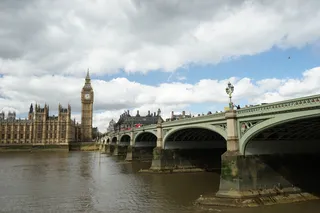 Westminster Bridge
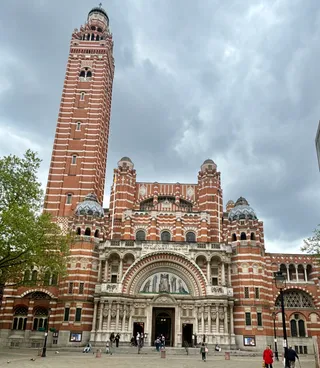 Westminster Cathedral
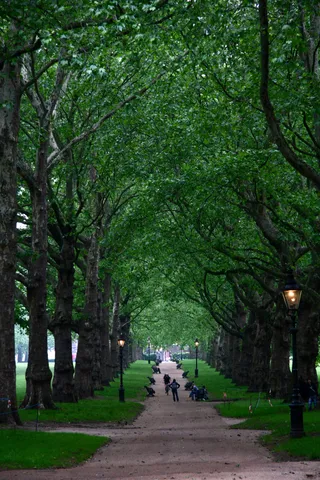 Green Park
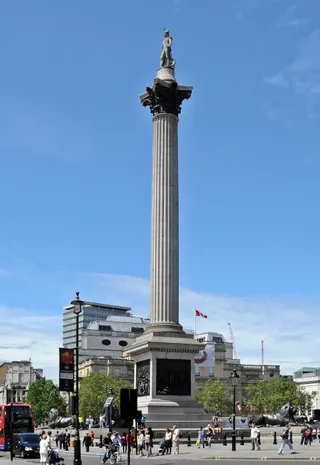 Nelson's Column
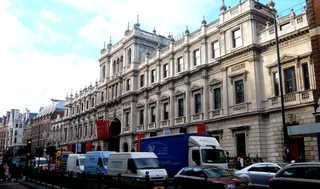 Piccadilly
Henry VIII commissioned the complex on the grounds of an ancient leper hospital dedicated to Saint James the Less. Constructed in red brick as a retreat from formal life at Whitehall Palace, the residence grew around courtyards named Colour Court, Ambassador's Court, Engine Court, and Friary Court. The north gatehouse retains corner octagonal towers, bearing royal initials carved for the monarch and Anne Boleyn.
Following the destruction of Whitehall Palace by fire, William III made the site the principal London residence and administrative centre of the monarchy. The Chapel Royal relocated to the palace chapel during this period. The institution still convenes the Accession Council upon a monarch's death, accommodates the Marshal of the Diplomatic Corps, and supplies working apartments for senior members of the royal family.
Urban density around Westminster eventually restricted royal domestic life. George III judged the palace unsuitable due to street congestion and an absence of private grounds, prompting the purchase of nearby Buckingham House. Oliver Cromwell previously converted the courtyards into military barracks during the Commonwealth. Today, Friary Court remains open towards Marlborough Road to allow public crowds during ceremonial state proclamations.
No free-housing hosts here yet — the nearest city with them:
ParisWhat visitors say on Google Maps
Rating and recent reviews from Google Maps load on request.
≈ 10 min awayBuckingham Palace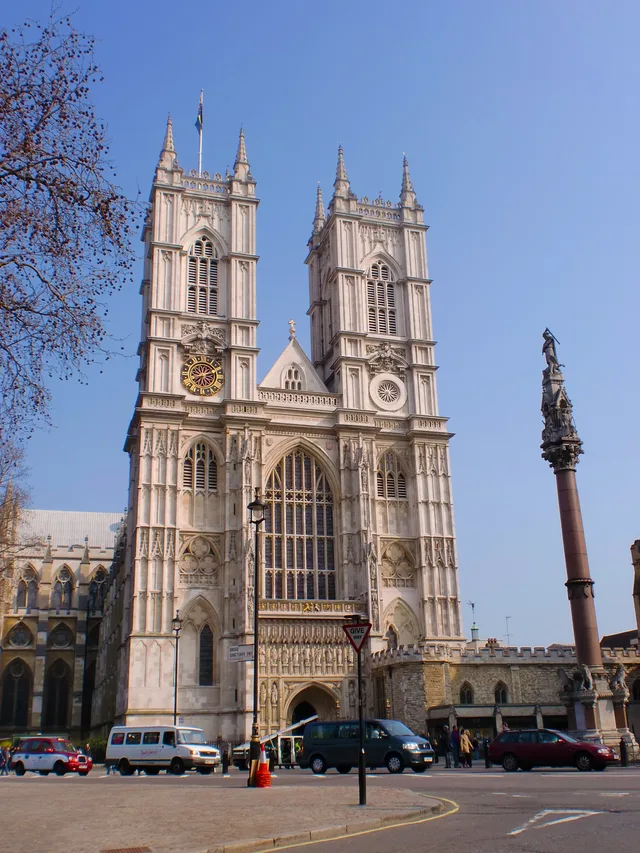 ≈ 15 min awayWestminster Abbey
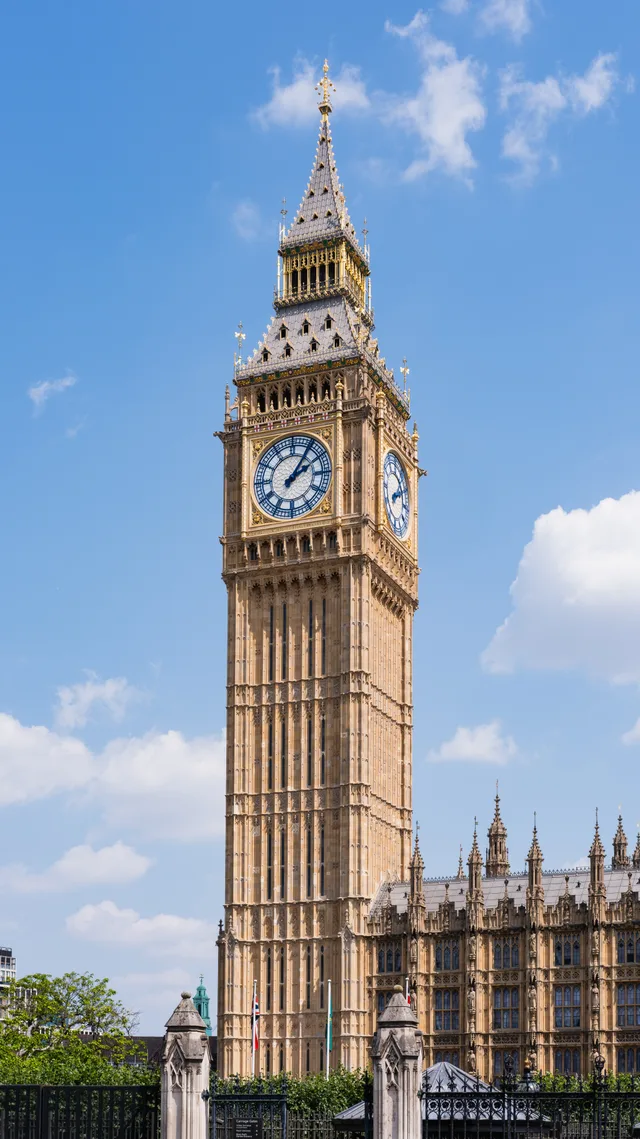 ≈ 15 min awayBig Ben
Can’t find the place you need? Search understands any language. Open search