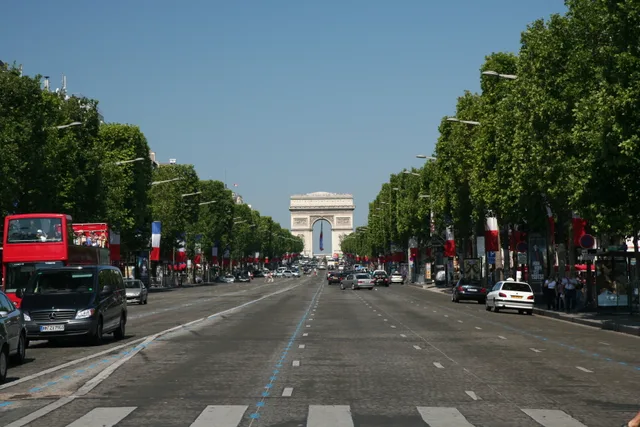
 ≈ 10 min drogiAvenue des Champs-Élysées
- Odległość
- 600 m
 TravelHub
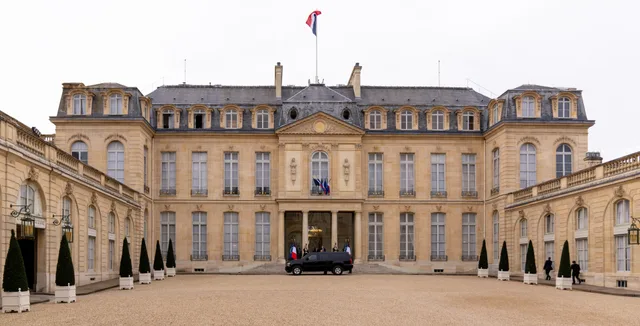
Living near the Faubourg Saint-Honoré trades quiet residential evenings for security cordons while keeping central transit links immediately accessible.
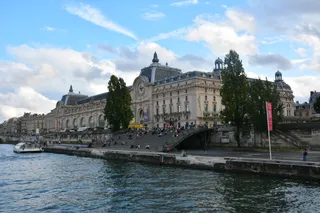 Musée d’Orsay
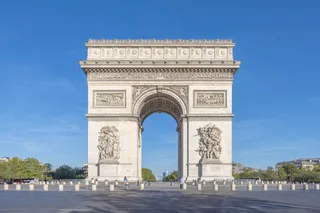 Łuk Triumfalny w Paryżu
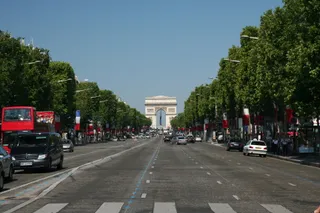 Avenue des Champs-Élysées
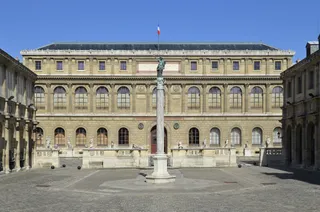 École nationale supérieure des beaux-arts
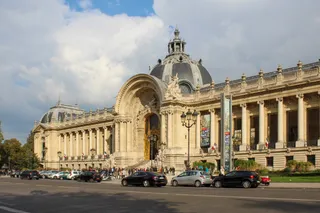 Petit Palais
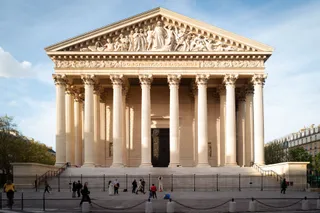 Kościół de la Madeleine w Paryżu
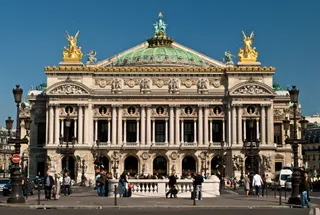 Opéra Garnier
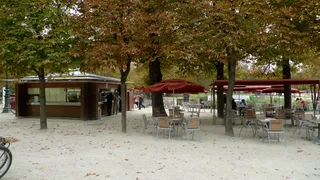 Tuileries
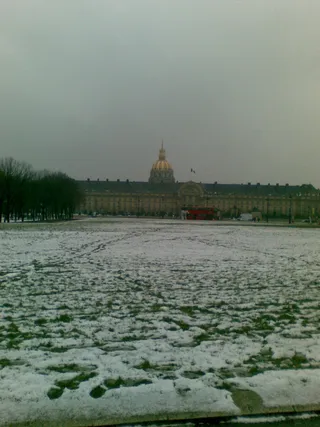 Les Invalides
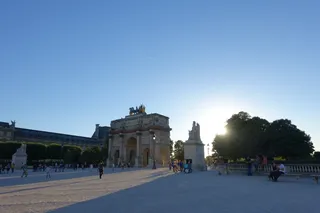 Arc du Carrousel
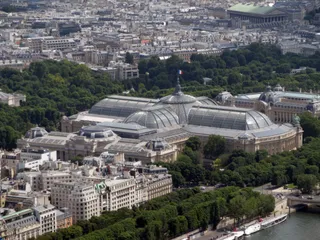 Grand Palais
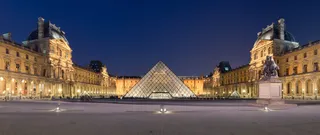 Piramida Luwru
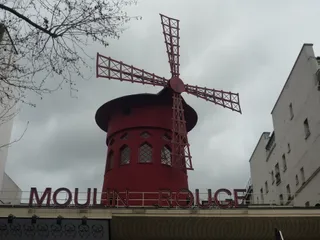 Moulin Rouge
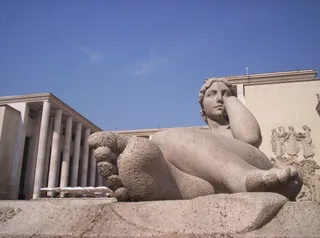 Musée d’Art moderne de Paris
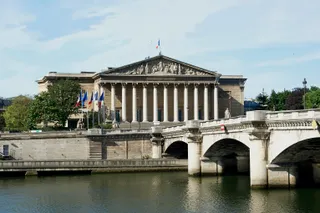 Palais Bourbon
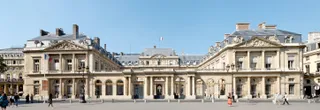 Palais-Royal
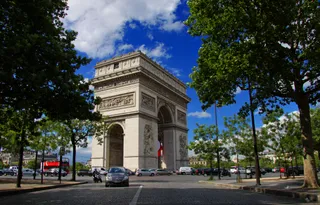 Plac Charles'a de Gaulle'a
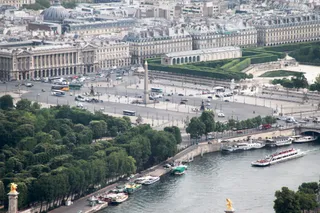 Place de la Concorde
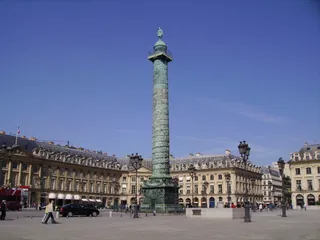 Place Vendôme
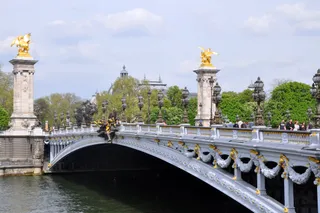 Most Aleksandra III
 Musée Rodin
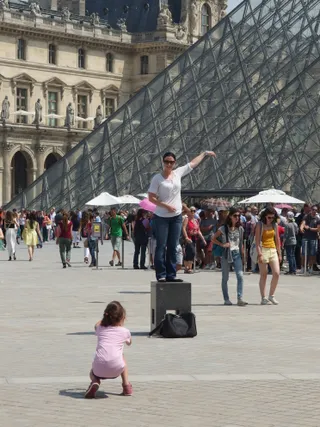 Luwr
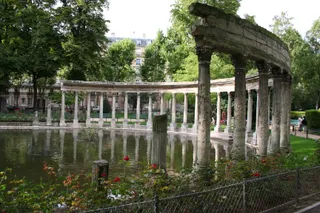 Park Monceau
Architect Armand-Claude Mollet designed the complex as a private residence for the Count of Évreux, combining a formal entrance court with extensive gardens. The building passed through notable owners including the Marquise de Pompadour and the Duchess of Bourbon, who introduced the Élysée name. During the post-monarchy transition, the Second Republic designated the site as the official residence for the head of state.
Beyond executive governance, the site preserves layers of urban history. Nicolas Beaujon previously remodelled the halls into exhibition galleries for major European paintings, while the revolutionary era temporarily turned the private grounds into public spaces for dining and entertainment. Emperor Napoléon occupied the palace during his reign and signed his final abdication inside these rooms after the defeat at Waterloo.
Long-term residents in the adjoining streets encounter a district shaped by tight security cordons and frequent diplomatic motorcades. The presence of the presidency keeps the surrounding thoroughfares strictly monitored, limiting casual public access to the palace gates while keeping the neighbourhood quiet and heavily guarded compared to the bustling retail corridors of the nearby Champs-Élysées.
Co piszą odwiedzający w Mapach Google
Ocena i najnowsze opinie z Map Google wczytają się na żądanie.
≈ 10 min drogiAvenue des Champs-Élysées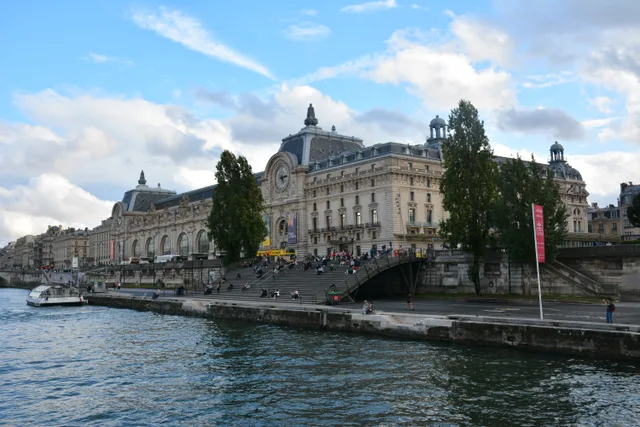 ≈ 20 min drogiMusée d’Orsay
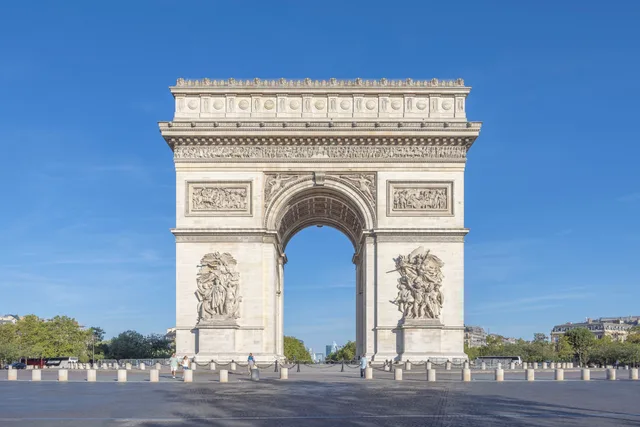 ≈ 20 min drogiŁuk Triumfalny w Paryżu
Nie możesz znaleźć miejsca, którego potrzebujesz? Wyszukiwarka rozumie każdy język. Otwórz wyszukiwarkę