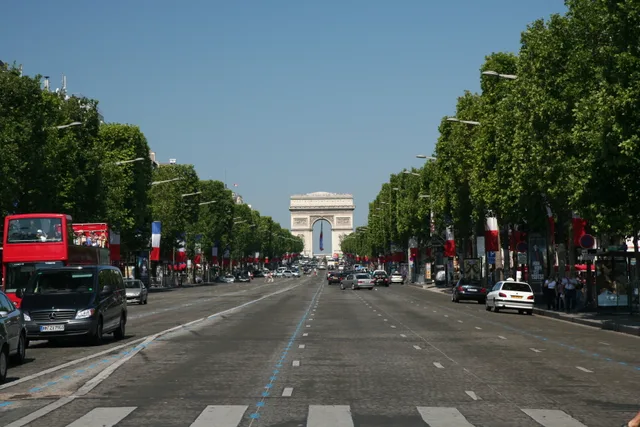
 ≈ 10 λ. μακριάΛεωφόρος Σαμπ-Ελιζέ
- Απόσταση
- 600 μ.
 TravelHub
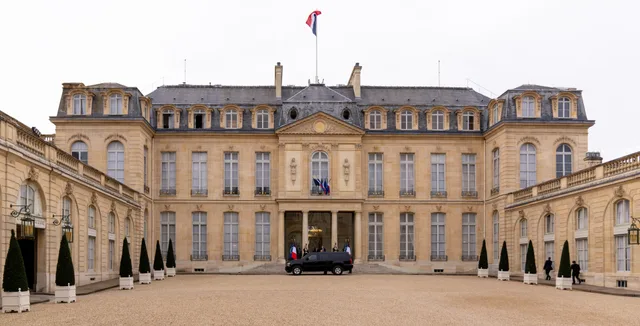
Living near the Faubourg Saint-Honoré trades quiet residential evenings for security cordons while keeping central transit links immediately accessible.
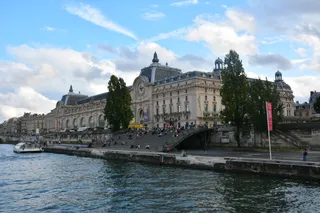 Μουσείο Ορσέ
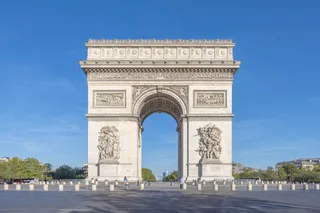 Αψίδα του Θριάμβου
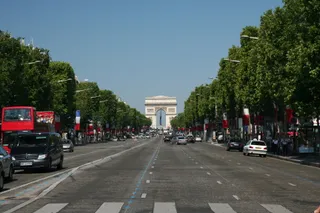 Λεωφόρος Σαμπ-Ελιζέ
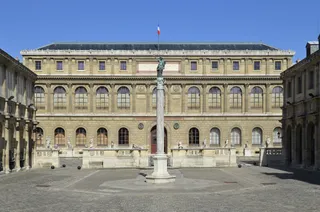 Σχολή Καλών Τεχνών του Παρισιού
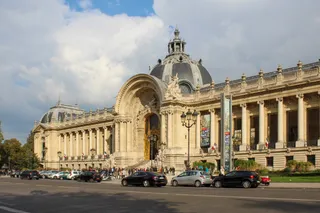 Πετί Παλαί
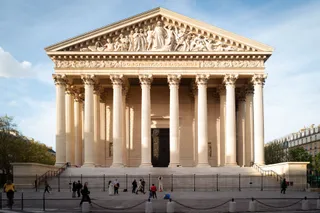 Εκκλησία της Μαντλέν
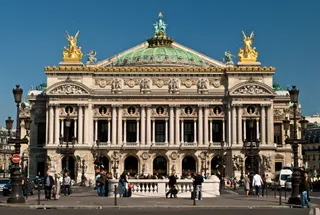 Όπερα Γκαρνιέ
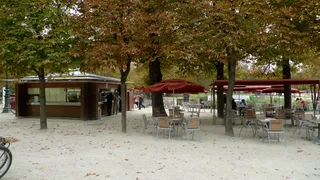 Κήπος του Κεραμεικού
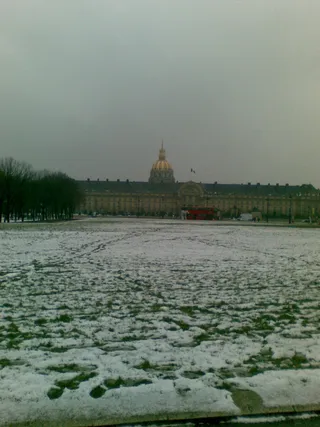 Μέγαρο των Απομάχων
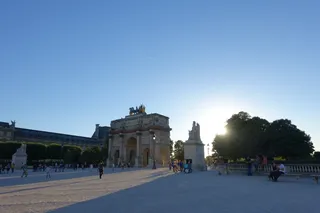 Αψίδα του Θριάμβου του Καρουζέλ
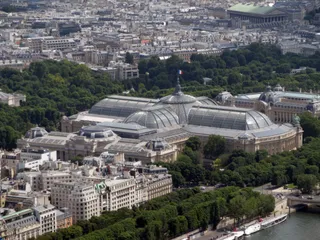 Γκραν Παλαί
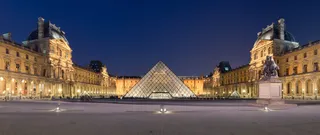 Πυραμίδα Λούβρου
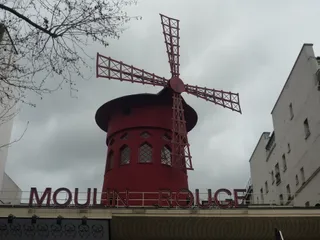 Μουλέν Ρουζ
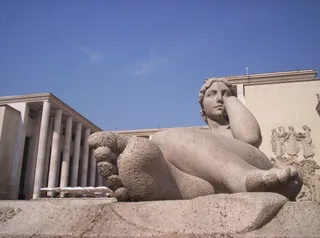 Μουσείο Σύγχρονης Τέχνης του Παρισιού
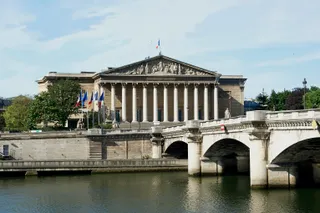 Παλαί Μπουρμπόν
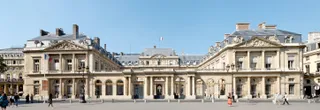 Παλαί Ρουαγιάλ
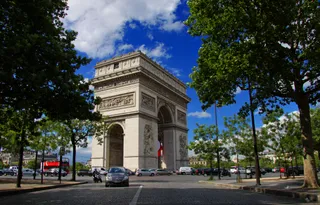 Πλατεία Σαρλ ντε Γκωλ
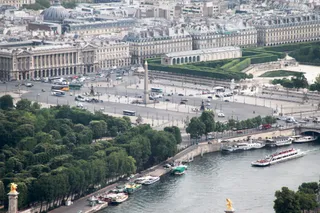 Πλατεία Κονκόρντ
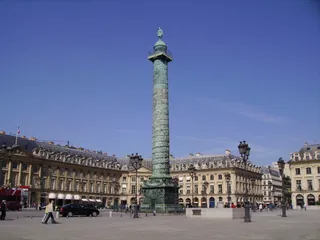 Πλατεία Βαντόμ
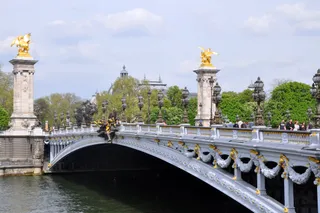 Γέφυρα Αλεξάνδρου Γ΄
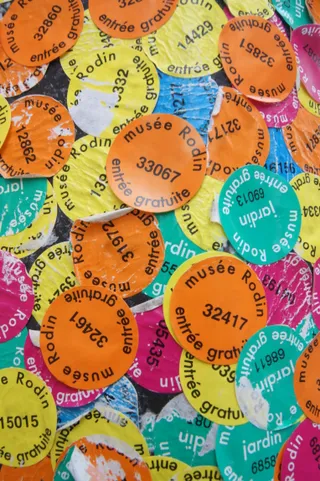 Μουσείο Ροντέν
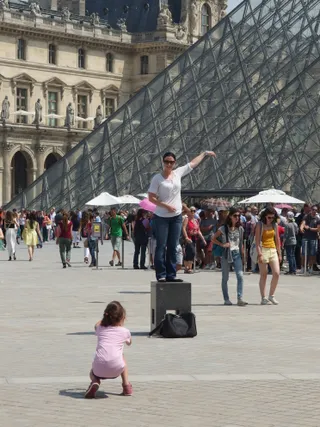 Παλάτι του Λούβρου
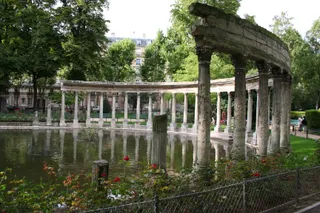 Παρκ Μονσώ
Architect Armand-Claude Mollet designed the complex as a private residence for the Count of Évreux, combining a formal entrance court with extensive gardens. The building passed through notable owners including the Marquise de Pompadour and the Duchess of Bourbon, who introduced the Élysée name. During the post-monarchy transition, the Second Republic designated the site as the official residence for the head of state.
Beyond executive governance, the site preserves layers of urban history. Nicolas Beaujon previously remodelled the halls into exhibition galleries for major European paintings, while the revolutionary era temporarily turned the private grounds into public spaces for dining and entertainment. Emperor Napoléon occupied the palace during his reign and signed his final abdication inside these rooms after the defeat at Waterloo.
Long-term residents in the adjoining streets encounter a district shaped by tight security cordons and frequent diplomatic motorcades. The presence of the presidency keeps the surrounding thoroughfares strictly monitored, limiting casual public access to the palace gates while keeping the neighbourhood quiet and heavily guarded compared to the bustling retail corridors of the nearby Champs-Élysées.
Τι γράφουν οι επισκέπτες στους Χάρτες Google
Η βαθμολογία και οι πρόσφατες κριτικές από τους Χάρτες Google φορτώνουν κατόπιν αιτήματος.
≈ 10 λ. μακριάΛεωφόρος Σαμπ-Ελιζέ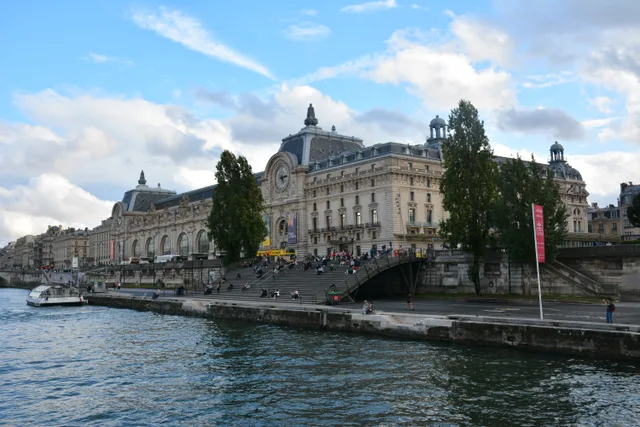 ≈ 20 λ. μακριάΜουσείο Ορσέ
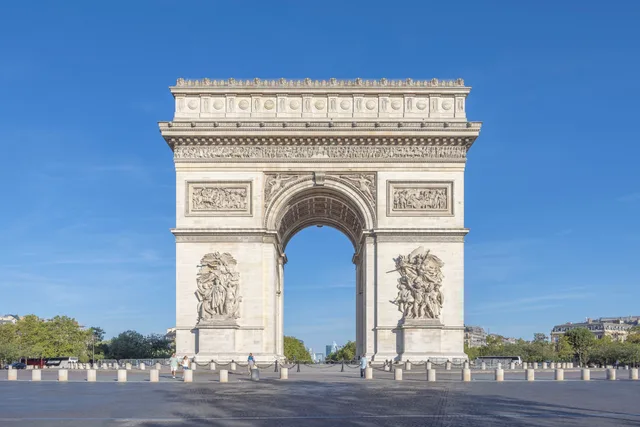 ≈ 20 λ. μακριάΑψίδα του Θριάμβου
Δεν βρίσκετε το μέρος που ψάχνετε; Η αναζήτηση κατανοεί οποιαδήποτε γλώσσα. Άνοιγμα αναζήτησης