Pāriet uz saturu
TravelHub

Jūsu iestatījumi

Valoda, valūta un pase tiek saglabātas šajā ierīcē un attiecas uz visu pakalpojumu.

Cenas tiek rādītas jūsu izvēlētajā valūtā ar norādītu valūtas kursa datumu.

Nav izvēlēta

Atbildes par vīzām ir atkarīgas no jūsu pases. Šis nav juridisks padoms: pārbaudiet oficiālo avotu, kas norādīts blakus katrai atbildei.

Dzīvo

Kyoto: Ceļvedis, cenas un bezmaksas naktsmītnes · 2026. g.

Renters who look beyond the historic central wards can secure a room for ¥50,000, trading direct subway access for daily commutes on crowded municipal buses.
Vietu karte
Cenu atskaites punktiVisas cenas
Kafija pie letes
3,28 $
Pusdienas ēdnīcā
114 000 ¥
Vakariņas ārpus mājas
390 200 ¥
Alus bārā
3,14 $
Ūdens, 0,5 l
0,71 $
Avoti: 2 · Uz 2026. gada 5. septembris
Avots: Cost of Living in Kyoto. Jun 2026. Prices in Kyoto · Cost of Living in Kyoto. Updated Prices May 2026.
Valoda uz vietasfrāzes
Municipal buses and trains
English and Japanese. Displays and audio announcements operate in English.

«お会計をお願いします»Use to request the bill at dining establishments.

Kas iekļaujasmaršruti
1 diena
Gion, Kiyomizu-dera, Hokanji Temple
3 dienas
+ Nijō Castle, Kinkaku-ji, Arashiyama
7 dienas
+ Fushimi, Uji, Heian-jingu Shrine
Divu stundu attālumā
Ceļojuma laiki, kas apzīmēti ar „≈”, ir aplēses, kas balstītas uz attālumu, nevis sarakstiem
Par vietu

Kyoto functions as an ancient imperial seat and a modern industrial capital simultaneously. Preservation laws protect hundreds of temples while global electronics corporations run their operations from the outer wards.

The urban layout retains the grid established when the court ruled from the Heian basin. Beyond the concentration of preserved temples and designated national treasures, the local economy relies on precision technology and traditional manufacturing. Global hardware corporations maintain corporate bases in the outer wards alongside long-standing textile operations that produce woven silk garments and Fushimi sake breweries.

Lasīt tālāk

Daily transit relies heavily on municipal bus routes because the subway network consists solely of the Karasuma and Tozai lines. Surface routes connect the main railway terminal to peripheral residential districts, though municipal drivers turn away oversized luggage to ease passenger crowding. Long-term tenants living outside the central grid depend on street-level buses or private railway branches for their commutes.

Social routines reflect traditional customs alongside commercial barriers. High-end kaiseki dining rooms routinely require introductions from established patrons and settle bills exclusively in cash. Nightlife centres on compact bars along the Kiyamachi corridor rather than dance clubs, prompting late-night clubgoers to travel toward Osaka. Local speech retains distinct honorific phrasing that sets the basin apart.

Asociācijas
  • Kaiseki diningMany elite dining rooms reject direct foreign bookings without local introductions.
  • Municipal busesVehicles face heavy passenger crowding and prohibit passengers with large luggage.
  • NintendoThe global gaming corporation maintains its worldwide headquarters in the city.
  • Gion MatsuriHistoric festival traditions culminate in grand ritual processions through downtown.
  • Fushimi sake brewingSouthern industrial district houses major historic breweries including Gekkeikan.
Fakti
  • The national government operates the Agency for Cultural Affairs from Kyoto instead of Tokyo.
  • City bus operators enforce restrictions prohibiting travelers from boarding with large luggage.
  • The municipal subway system consists of the Karasuma Line and the Tozai Line, which intersect at Karasuma Oike Station.
  • Corporate headquarters for video game developer Nintendo and electronics manufacturer Kyocera are based within the city limits.
Avots: Wikipedia · Wikivoyage
Kyoto attēlos8 fotoattēli · 1 vieta
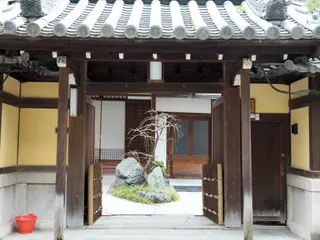
Honnō-ji Temple
Jim Gateley · cc-by-3.0 · 1993. gada 1. nov.
Honnō-ji Temple
Sorasak boontohhgraphy · cc0 · 2017. gada 5. maijs
Honnō-ji Temple
Andre Benz trapnation · cc0 · 2017. gada 2. maijs
Honnō-ji Temple
P Fan Net · cc-by-3.0 · 2004. gada 12. apr.

Kadri ir piesaistīti vietām kartē: katram fotoattēlam ir autors un licence. Līdzīgi kadri no citas pilsētas šeit nekad neparādās — ja nav attiecīgās vietas fotoattēlu, josla netiek rādīta.

Nauda

Cik patiesībā izmaksā mēnesis un kādas ir ikdienas lietu cenas

Cenu piemēri
Kafija
3,28 $
Pusdienas ēdnīcā
114 000 ¥
Vakariņas kafejnīcā
390 200 ¥
Alus bārā
3,14 $
Istaba, mēnesī
5 000 000 ¥
Ūdens pudele
0,71 $
IEC ID punkti

Līdz 50% no apmaiņas programmām, praksēm un ekosistēmas pakalpojumiem var segt ar punktiem.

+300par reģistrēšanos ar IEC ID+100par pierakstīšanos TravelHub
Punktu programmas noteikumi
3 avoti · Uz 2026. gada 5. septembris
Avots: Cost of Living in Kyoto. Jun 2026. Prices in Kyoto · Cost of Living in Kyoto. Updated Prices May 2026. · Cost of Living in Kyoto 2026: Rent, Food & Monthly Expenses
Salīdzināt ar Osaka

Nokļūšana un apmešanās

Vispirms bezmaksas, pēc tam maksas

Bezmaksas naktsmājas pie saimniekiemSkatīt saimniekus
Pilsētā99saimnieki gaida viesus
Atsevišķa istaba13%pārējie piedāvā dīvānu vai matraci
Runā angliski46
Verificēts profils15%ar apstiprinātu profilu

Saimnieka valodas: japāņu, angļu, spāņu, ķīniešu un franču · Precīzas adreses būs redzamas sarunā ar saimnieku.

Lidojums

Izvēlieties izlidošanas pilsētu, un mēs parādīsim lidojumu cenas pa mēnešiem no mūsu kešatmiņas.

Izbraucieni
  • Osaka1 st.Frequent commuter trains link directly to this culinary and entertainment center.
  • Hiroshima3 st. 35 minBullet trains provide rapid connections to the peace memorial park and historic bay landmarks.
  • Tokyo3 st. 40 minHigh-speed rail connects travelers directly to the sprawling districts of the national capital.
Solis pa solim pēc ierašanās
  1. 01Pick up a local data SIM card at the airport arrival terminal.
  2. 02Withdraw Japanese yen from an airport automated teller machine for cash transactions.
  3. 03Purchase a municipal transit pass at the ticket counter or automated kiosk.
  4. 04Board the Haruka limited express train directly to Kyōto Station.
3 avoti · Uz 2026. gada 5. septembris
Avots: TravelHub · OurAirports (public domain) · Overview | 京都市交通局

Vīza un praktiska informācija

Izvēlieties pasi

Vīzas atbilde tiek aprēķināta pārim „pase → valsts”: termiņi, nodevas un dokumenti atšķiras atkarībā no pases. Izvēlieties pasi, un atbilde parādīsies šeit.

Labi zināt
  • City buses discourage or deny boarding to passengers with large suitcases, requiring travelers to use the subway or luggage transfer services.
  • Kaiseki restaurants routinely reject direct bookings from international visitors, demanding an introduction from an established patron.
  • Kyoto imposes a municipal accommodation tax on lodging that may be excluded from initial rate quotes.
1 papildu noteikums
  • Temple lodgings enforce rigid curfews and check-in times, with front desks rarely offering English language assistance.
Biežāk uzdotie jautājumi
How do you reach Kyoto from the nearest airport?

Kyoto lacks its own commercial airport and relies on air hubs located in Osaka. The Haruka limited express train connects Kansai International Airport directly to Kyoto Station, supported by scheduled highway limousine buses. Domestic arrivals landing at Itami Airport reach the city via airport bus links or monorail transfers to private rail lines.

Avots: Wikipedia · Wikivoyage
Can passengers bring large luggage onto Kyoto city buses?

Transit operators discourage travelers from bringing large suitcases onto municipal buses, and drivers may refuse boarding during congested periods. Subway lines and trains accommodate oversized baggage without similar restrictions. Dedicated baggage forwarding services also ship luggage directly between transit stations and local hotels.

Avots: Wikivoyage
Is tap water safe to drink in Kyoto?

Municipal tap water in Kyoto is potable and safe for everyday consumption. Public drinking fountains located across the city offer convenient points to refill reusable bottles.

Avots: Wikivoyage
How do dining reservations work for traditional kaiseki meals in Kyoto?

Many high-end kaiseki establishments decline direct booking requests from independent foreign guests and require introductions through regular diners. Luxury hotel concierges can often secure reservations on behalf of their registered guests. Most traditional dining rooms operate exclusively on cash and do not accept credit cards.

Avots: Wikivoyage
Should visitors rely on the subway or buses to travel around Kyoto?

The municipal subway operates along crossing north-south and east-west corridors, providing rapid movement through the central districts. Reaching outlying temples and historical sites requires city buses, which provide extensive coverage beyond the reach of the rail grid. City buses feature multilingual electronic displays and automated stop announcements to assist travelers.

Avots: Wikipedia · Wikivoyage
Can visitors use contactless IC transit cards in Kyoto?

Rechargeable smart cards such as ICOCA function across municipal subways, regional trains, and city buses throughout Kyoto. Cardholders pass through station ticket barriers and board transit vehicles using these stored-value cards. Ticketing machines situated at railway stations provide reload and purchase facilities.

Avots: Wikivoyage
Can travelers stay overnight in Kyoto temples?

Certain Buddhist temples in Kyoto operate lodgings known as shukubo situated directly on or near temple grounds. Overnight guests are typically invited to join resident monks for early morning prayer ceremonies. These accommodations observe strict evening curfews and check-in schedules, and staff generally communicate only in Japanese.

Avots: Wikivoyage
3 avoti
Avots: Wikivoyage · Wikivoyage · Wikivoyage

Kā nokļūt

Lidostas, attālumi un sabiedriskais transports

Kā nokļūtOurAirports (public domain)
Osaka Itami International Airport ITM39 km no centra
Kobe Airport UKB65 km no centra
Kansai International Airport KIX81 km no centra
Sabiedriskais transports110 000 ¥Monthly pass

Kad doties un maršruti

Kad doties un ko paspēt vienā dienā, trijās dienās vai nedēļā

Gatavi maršruti
Higashiyama Heritage Walk4 pieturas
  1. 09:00Hokanji TempleExamine the historic timber pagoda towering over the stone-paved lanes.
  2. 10:30Kennin-jiTour the Zen halls and stroll around the dry landscape gravel courtyards.
  3. 13:00EntokuinView the preserved tea rooms and historic rock arrangements.
  4. 15:00Chion-inAscend the colossal wooden entrance gate to inspect the temple grounds.
Shogunate and Imperial Legacies3 pieturas
  1. 09:30Former Imperial Villa Nijō CastleInspect the historic palace architecture and fortified perimeter walls.
  2. 12:00Honnō-jiVisit the central temple grounds reconstructed along historic avenues.
  3. 14:30Heian-jingu ShrineWalk through the grand shrine courtyard commemorating ancient imperial history.

Valoda un kultūra

Frāzes, kas maina cenu un toni, un situācijas, kurās nevar iztikt bez valodas zināšanām

English suffices for navigation on public transit and at major railway terminals. Train signage and municipal bus announcements provide English guidance.

Piecas frāzes, kas tev patiešām būs nepieciešamas
  • お会計をお願いしますO-kaikei o onegaishimasu
    Check, pleaseUse to request the bill at dining establishments.
  • すみません、英語のメニューはありますかSumimasen, eigo no menyū wa arimasu ka
    Excuse me, do you have an English menu?Use when arriving at restaurants to verify available materials.
  • 部屋の見学は可能ですかHeya no kengaku wa kanō desu ka
    Is it possible to view the room?Use when contacting housing agencies or landlords.
  • おすすめは何ですかOsusume wa nan desu ka
    What do you recommend?Use at food counters or markets to ask for local specialties.
  • クレジットカードは使えますかKurejitto kādo wa tsukaemasu ka
    Can I use a credit card?Use before ordering, as many traditional venues accept cash only.
2 vēl frāzes
  • 助けていただけますかTasukete itadakemasu ka
    Could you please help me?Use to request immediate assistance from staff or bystanders.
  • おおきにŌkini
    Thank youUse in local shops and markets across Kyoto to acknowledge service.
Kur tev būs nepieciešama valoda
SituācijaValoda
Municipal buses and trainsEnglish and Japanese. Displays and audio announcements operate in English.
Major railway stationsEnglish and Japanese. Directional signs feature Latin lettering and English text.
Traditional ryokan and temple lodgingsJapanese. Staff rarely speak English, and reservations require Japanese.
Neighborhood eateries and barsJapanese. Venues cater primarily to local patrons and expect Japanese.
Internet and manga cafesJapanese. Written materials and computer interfaces are in Japanese.
Fine dining and kaiseki venuesJapanese. Establishments generally decline direct international bookings without a local intermediary.
Paliec ilgāk

Jūs varat atbraukt uz nedēļu patstāvīgi. Lai šeit dzīvotu un strādātu — piesakieties programmai.

Vīzu, darba devēja uzaicinājumu, apdrošināšanu un atbalstu uz vietas nodrošina IEC International Programmes komanda. Šīs ir programmas, kas ļauj cilvēkiem dzīvot un strādāt Japan, nevis tikai to apmeklēt.

11 programma valstī

Līdzīgi tuvumā

Ko vēl skatās cilvēki pēc Kyoto

Neatradāt vajadzīgo vietu? Meklēšanas rīks saprot jebkuru valodu un izveido lapu 10–15 sekunžu laikā. Atvērt meklēšanu

Dažas saites ir saistītās saites un ir attiecīgi atzīmētas.