Pāriet uz saturu
TravelHub
Kioto · Japāna

Kyoto Tower: kas ir apkārt, kā nokļūt un kad doties · 2026. g.

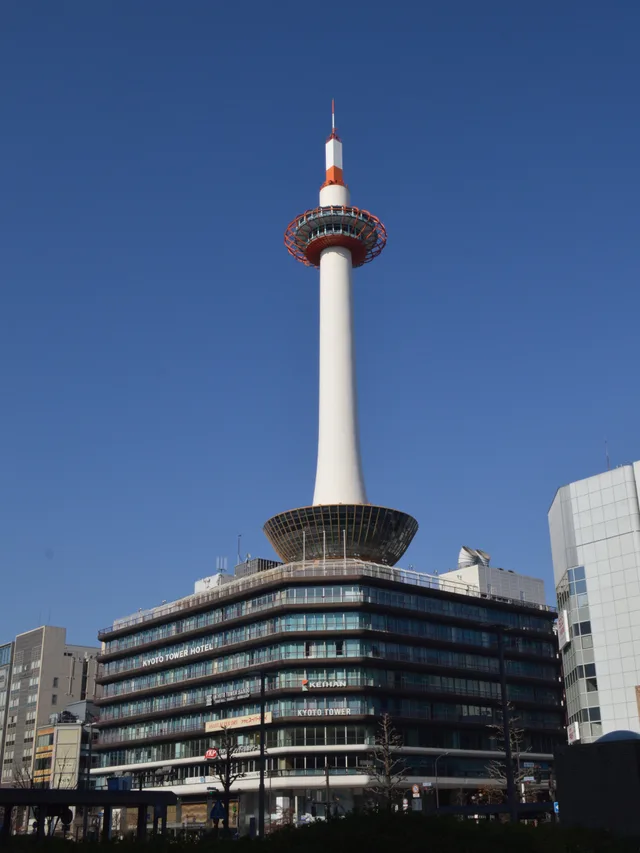
Residents navigating the central station district treat the white spire as an inescapable landmark across a low-rise skyline governed by strict height limits.

Kyoto Tower · CC BY-SA 4.0

Vietu karte
Tagad pilsētāKyoto Towervietējais laiks galamērķīApkārtnē10
Valūtas kurss158,29 ¥par 1 $JPY — valsts valūtauz 2026. gada 3. nov.
Par vietu

A cylindrical steel landmark dominates the skyline facing the transport terminal.

Modernist architect Mamoru Yamada designed the cylindrical structure with stacked steel rings wrapped in lightweight welded plates instead of an open metal lattice. Engineered alongside Kyoto University specialists to survive intense typhoons and severe earthquakes, the white spire echoes the shape of a traditional Japanese candle. It sits atop a commercial base directly opposite the main railway terminal.

Lasīt tālāk

Strict municipal height limits keep surrounding machiya townhouses low, ensuring the spire remains the tallest structure in the urban area. This stark contrast with historic timber architecture created enduring controversy. Prominent critics condemned the steel monument as an intrusion, whereas proponents regard the tower and adjacent station complex as essential symbols connecting the ancient capital to modern Japan.

Asociācijas
  • Kyoto StationStands directly opposite the central rail terminal and transit hub.
  • Japanese candle motifThe white cylindrical exterior was shaped to resemble a traditional candle.
  • Municipal height limitsCity building caps ensure the observation deck remains the tallest urban viewpoint.
  • Skyline controversyTraditionalists view the steel spire as a jarring clash with historic architecture.
  • Typhoon and earthquake resistanceEngineered with stacked steel rings to survive extreme natural disasters.
Fakti
  • The spire functions as the tallest man-made structure in the municipality due to local building height controls.
  • Modernist architect Mamoru Yamada designed the cylindrical structure with structural engineering guidance from Kyoto University.
  • The tower base integrates commercial retail spaces and hotel accommodations directly across from the central railway hub.
  • Instead of an open metal framework, the tower uses stacked steel rings covered in welded plates to withstand typhoons and seismic tremors.
Avots: Wikipedia
Kyoto Tower attēlos5 fotoattēli
Asturio Cantabrio · cc-by-sa-4.0 · 2023. gada 1. dec.
Simone Urbinati · cc-by-sa-3.0 · 2006. gada 3. aug.
Volfgang · cc-by-sa-3.0 · 2008. gada 26. dec.
Corpse Reviver · cc-by-3.0 · 2009. gada 17. jūl.

Nokļūšana un apmešanās

Bezmaksas naktsmājas pie saimniekiemSkatīt saimniekus
Pilsētā99saimnieki gaida viesus
2 avoti · Uz 2026. gada 4. novembris
Avots: TravelHub · OurAirports (public domain)

Google atsauksmes

Ko apmeklētāji raksta Google Maps

Vērtējums un jaunākās atsauksmes no Google Maps ielādēsies pēc pieprasījuma.

Atvērt Google Maps