 ≈ 30 min attālumāKinkaku-ji Temple
- Attālums
- 9 km
 TravelHub
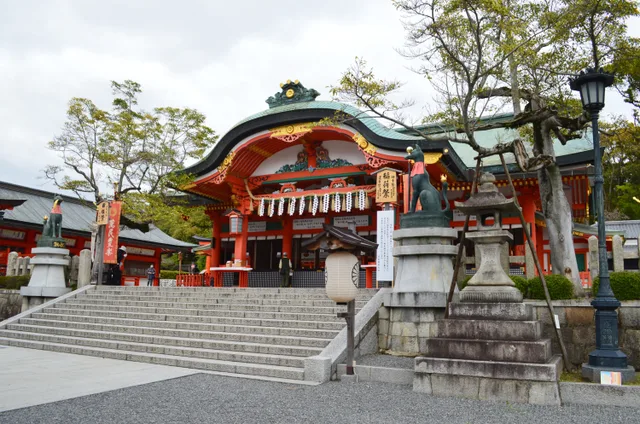
Residents time their ascents up Mount Inari for daybreak to clear the path of torii gates before visiting crowds arrive.
The shrine functions as the administrative and spiritual center for the national network of Inari shrines. Paths lined with closely spaced torii gates climb through dense cedar woods from the main hall toward the peak of Mount Inari. Donors establish these gates in gratitude for commercial success or answered prayers, creating an unbroken crimson tunnel that turns into steep forest trails higher up the slopes.
Immigrant artisans from the Hata clan established the original sanctuary after introducing continental agricultural and brewing methods to the surrounding basin. Farther up the wooded ridgeline, private rock altars dedicated by ordinary citizens outnumber formal shrine buildings. The mountain approaches also shaped modern creative work nearby, providing direct visual inspiration for Nintendo designers developing aerial game worlds.
Architectural details set the complex apart from typical Shinto grounds. Worshippers encounter an open view of a sacred mirror at the main sanctuary rather than a concealed chamber. Below the inner mountain paths, the entrance tower gate stands as a contribution from regent Toyotomi Hideyoshi. During the annual New Year holiday, immense crowds fill the lower terraces, transforming quiet neighborhood approaches into dense gatherings.
Ko apmeklētāji raksta Google Maps
Vērtējums un jaunākās atsauksmes no Google Maps ielādēsies pēc pieprasījuma.
≈ 30 min attālumāKinkaku-ji Temple ≈ 15 min attālumāTōfuku-ji Temple
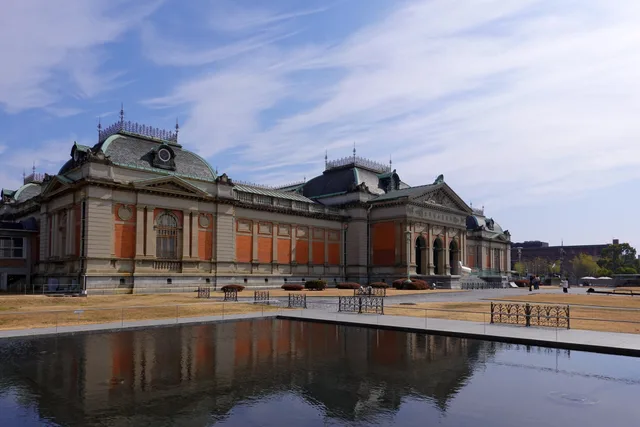 ≈ 30 min attālumāKyoto National Museum
Nevarat atrast vajadzīgo vietu? Meklēšana saprot jebkuru valodu. Atvērt meklēšanu