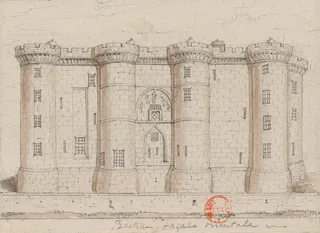
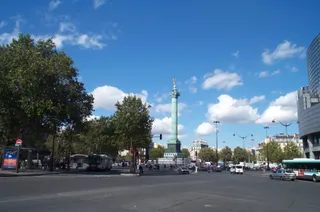
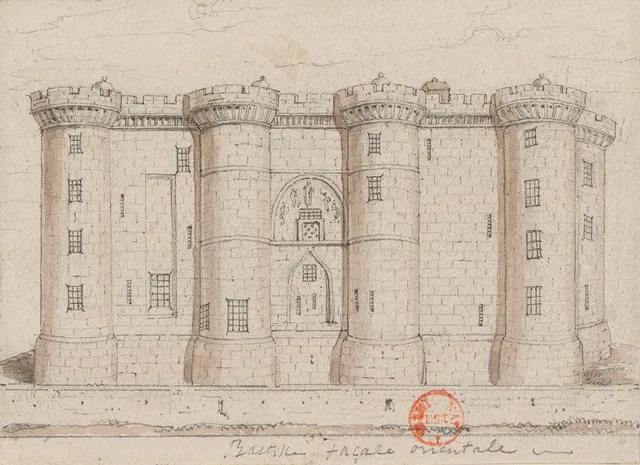
 ≈ 10 min awayBastille
- Distance
- 700 m
 TravelHub
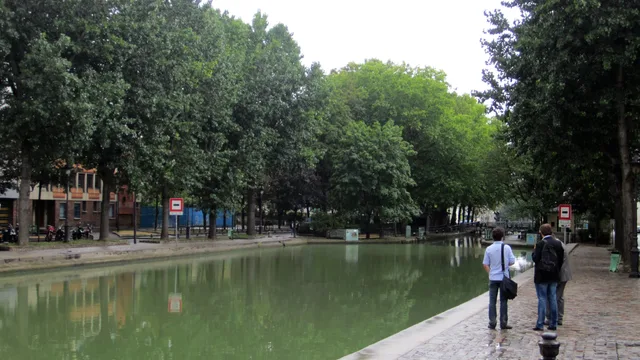
Residents along the water trade quiet nights for stone towpaths that function as communal living rooms every evening.
The waterway was commissioned under Napoleon to deliver clean drinking water from the northeast, helping eradicate cholera while supplying city fountains and street cleaning crews. Financed through wine duties, the route carried barges laden with grain and masonry between the Bassin de la Villette and Port de l'Arsenal. Half the original channel later disappeared beneath vaulted boulevards to open broad public avenues.
Commercial shipping eventually collapsed, and municipal planners nearly paved over the entire trench for an automobile highway before preservation prevailed. Today, sanitation teams drain the canal bed on periodic maintenance cycles, drawing crowds to inspect recovered municipal debris. The waterway also serves as emergency swimming relief during severe heatwaves and provides continuous walking paths past working iron locks.
The stone corridor has long anchored Parisian artistic identity, inspiring impressionist canvases by Alfred Sisley and classic cinema like Hotel du Nord and Amelie. Former municipal mortuary warehouses along the bank now operate as multimedia cultural halls, while quay walls feature elaborate graffiti murals. Long-term residents inherit an urban landscape where outdoor social gatherings and lock maintenance define the daily backdrop.
≈ 10 min awayBastille ≈ 35 min awayLouvre Museum
Can’t find the place you need? Search understands any language. Open search