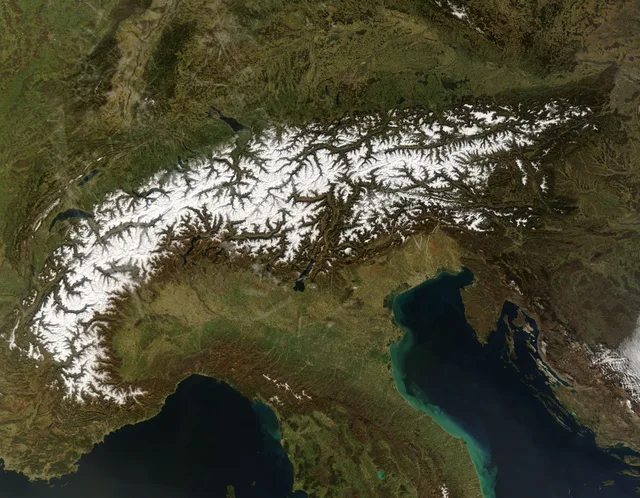
 à ≈ 35 minAlpes
- Distance
- 12 km
 TravelHub
Living in high alpine settlements demands reliance on rail networks and cable cars, as several resort villages forbid private motor vehicles entirely.
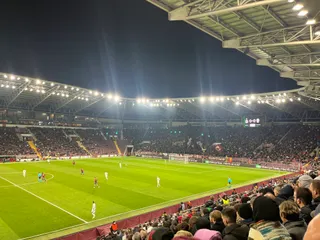 stade de Genève
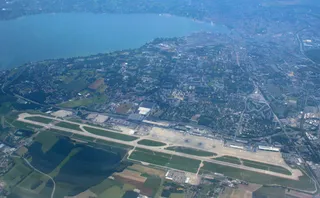 aéroport international de Genève
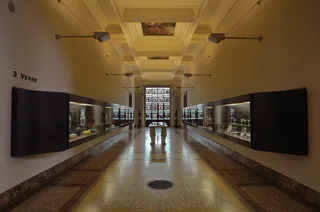 musée Ariana
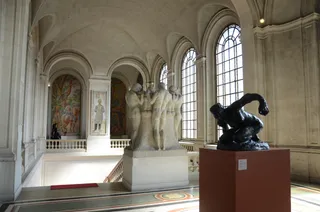 Musée d’Art et d’Histoire de Genève
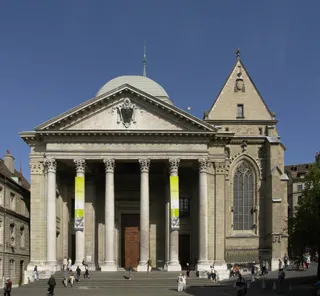 cathédrale Saint-Pierre de Genève
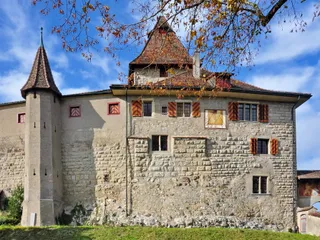 château de Kybourg
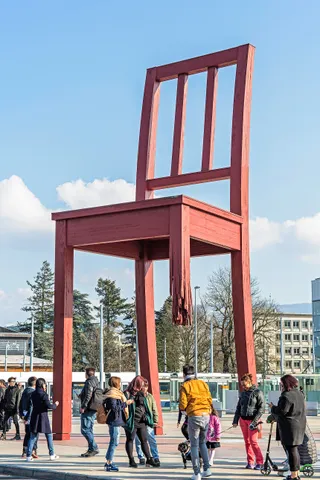 Broken Chair
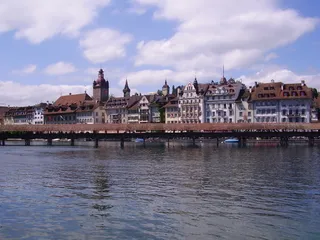 pont de la Chapelle
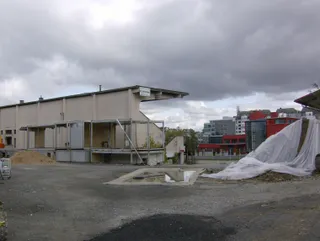 stade des Charmilles à Genève
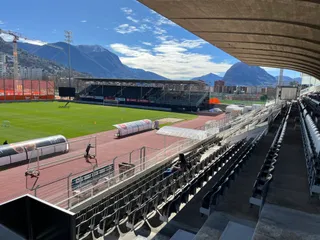 Stadio comunale Cornaredo
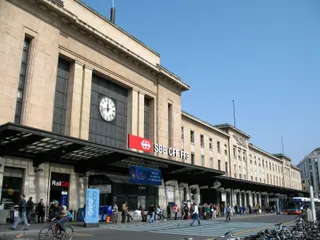 Genève-Cornavin
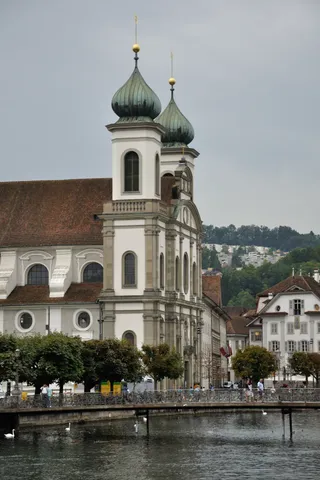 église des Jésuites de Lucerne
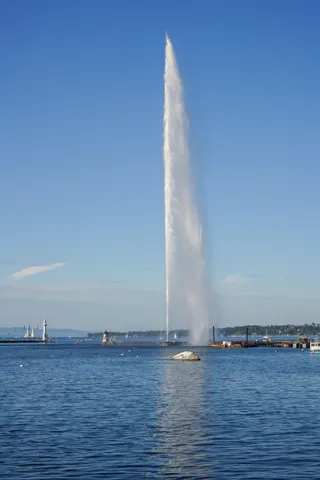 Jet d'eau de Genève
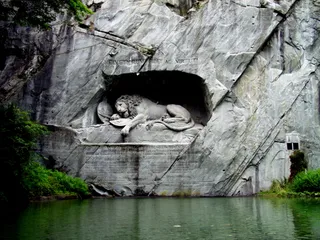 Lion de Lucerne
 aéroport international de Lugano
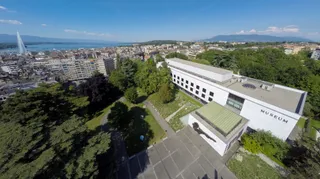 Muséum d'histoire naturelle de Genève
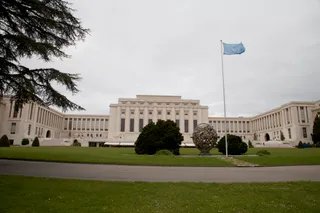 palais des Nations
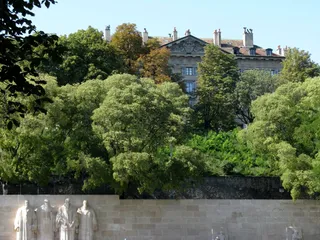 monument international de la Réformation
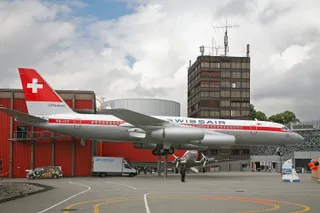 musée suisse des Transports
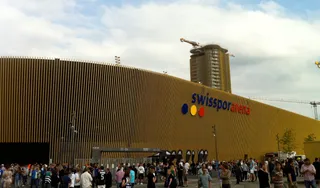 thermoplan arena
Alpine topography dictates daily routines across the ranges. Valley floors connect to higher altitudes through aerial tramways, cogwheel trains, and footpaths. Several permanent settlements restrict private combustion vehicles, forcing long-term residents to haul groceries and luggage on public railways or village electric carts.
Glacial retreat reshapes mountain work and safety across all elevations. Permafrost degradation increases rockfall risks, while seasonal warming disrupts summer glacier skiing and valley water runoff. Living at these altitudes requires constant monitoring of trail conditions, cable car operation schedules, and avalanche warning systems.
Aucun hôte proposant un logement gratuit ici pour le moment — la ville la plus proche en proposant :
Milanà ≈ 35 minAlpes à ≈ 2 h 10 min1 139 hôtesMilan
 à ≈ 3 h 30 min1 154 hôtesLyon
Vous ne trouvez pas la destination souhaitée ? La recherche prend en charge toutes les langues. Ouvrir la recherche