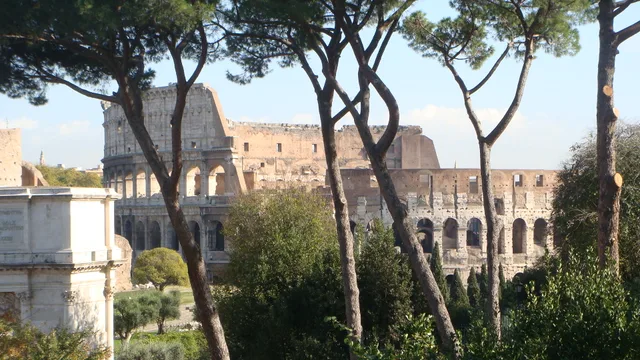
 A ≈ 15 min de distanciaColiseo
- Distancia
- 1,1 km
 TravelHub
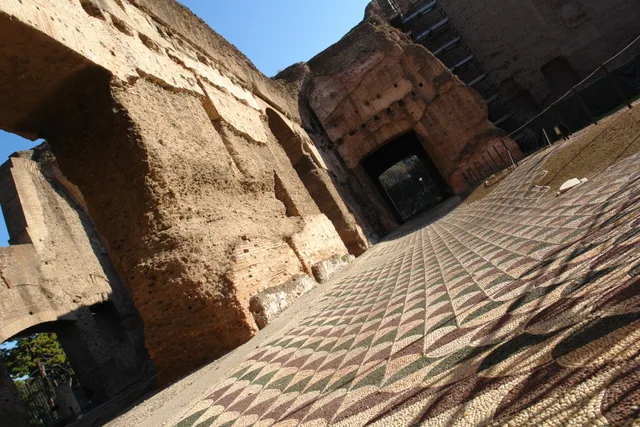
Residents living near the bath grounds trade immediate subway links for quiet green avenues and open archaeological space.
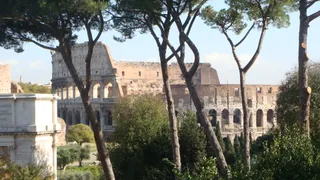 Coliseo
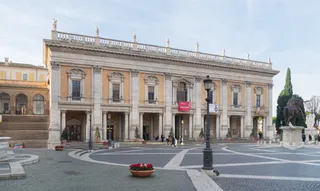 Museos Capitolinos
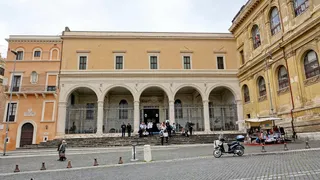 San Pietro in Vincoli
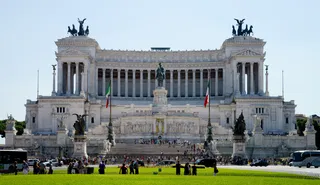 Monumento a Víctor Manuel II
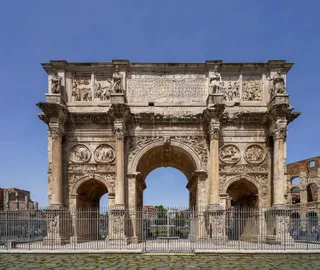 Arco de Constantino
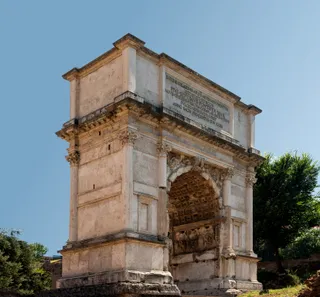 Arco de Tito
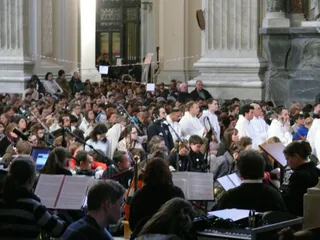 Archibasílica de San Juan de Letrán
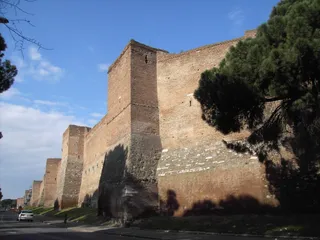 Murallas aurelianas
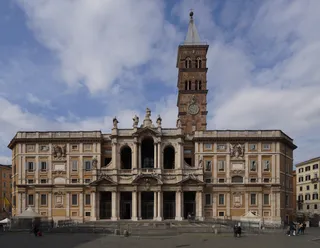 basílica de Santa María la Mayor
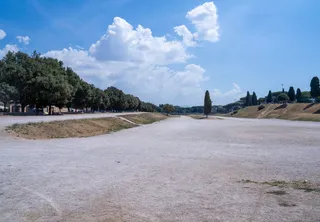 Circo Máximo
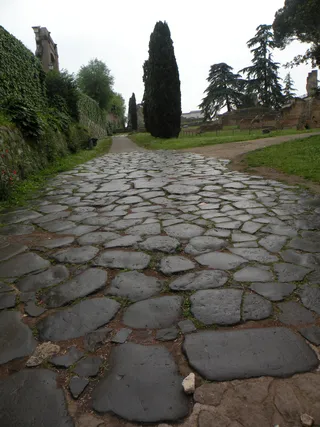 Monte Palatino
 templo de Vesta
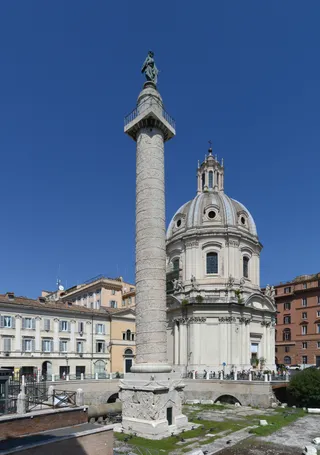 Columna de Trajano
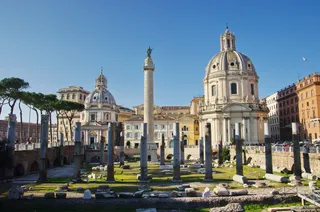 Foro de Trajano
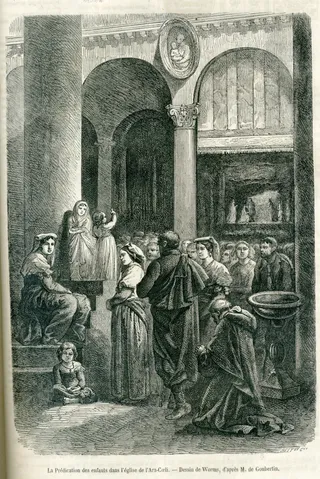 basílica de Santa María en Aracoeli
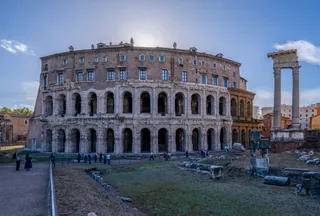 Teatro de Marcelo
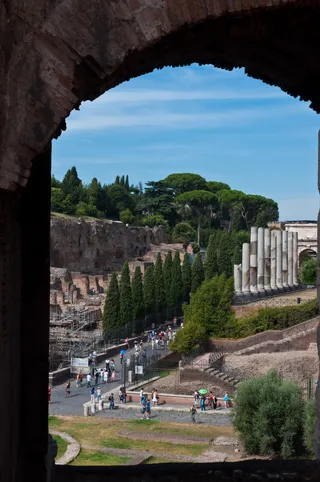 Vía Sacra
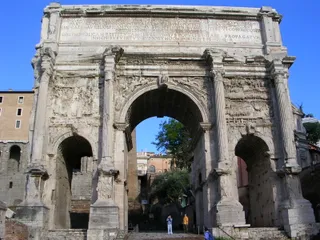 Arco de Septimio Severo
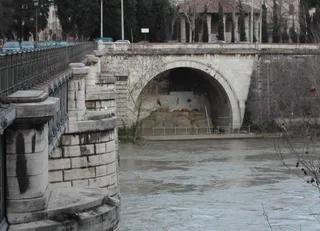 Cloaca Máxima
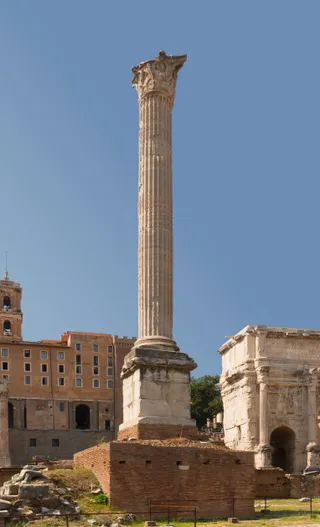 Columna de Focas
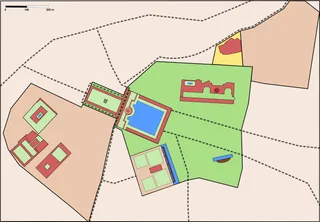 Domus Aurea
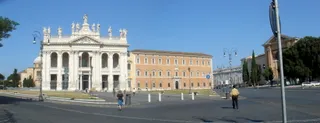 Palacio de Letrán
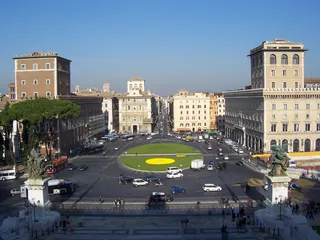 Plaza Venezia
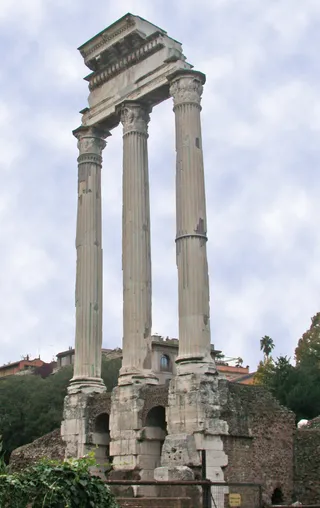 Templo de Cástor y Pólux
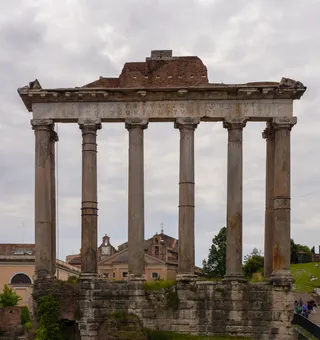 Templo de Saturno
Imperial builders erected the monumental public bathing complex over the demolished private gardens of Gaius Asinius Pollio. Subterranean workers fed extensive hypocaust furnaces with coal and timber to heat water channelled through dedicated aqueducts. The facility provided bathing and social gathering without entrance fees, while an older excavated residence beneath the foundations retained decorative wall frescoes and a lararium.
During the Gothic War, Ostrogoth forces under King Vitiges severed the municipal aqueducts, cutting off the water supply and ending public bath operations. The surrounding district emptied, leaving the structures to shelter pilgrim burials associated with the nearby xenodochium. A major earthquake subsequently collapsed surviving masonry, transforming the complex into an open stone quarry for urban basilicas and papal palaces.
Long-term residents encounter an archaeological perimeter stripped of its classical marble veneer, as papal licenses permitted builders to extract travertine and decorative columns for regional basilicas. Medieval vineyards later covered the sunken brick enclosures before modern excavation opened the site. Massive surviving vault arches now define the surrounding streetscape without transit crowds.
Lo que escriben los visitantes en Google Maps
La valoración y las reseñas recientes de Google Maps se cargan a petición.
A ≈ 15 min de distanciaColiseo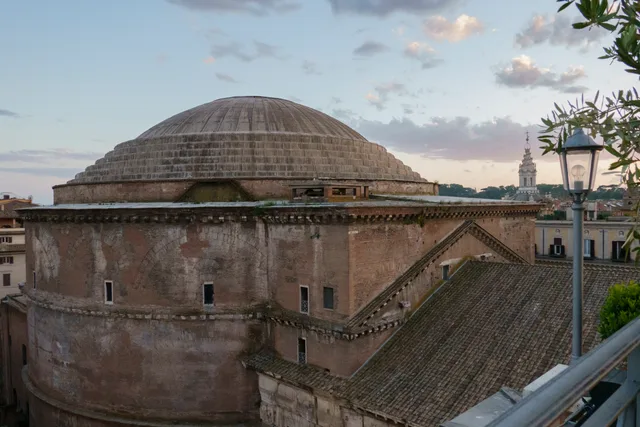 A ≈ 30 min de distanciaPanteón de Agripa
 A ≈ 50 min de distanciaCapilla Sixtina
¿No encuentras el lugar que necesitas? La búsqueda entiende cualquier idioma. Abrir búsqueda