




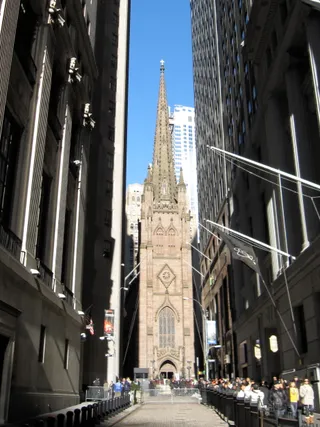



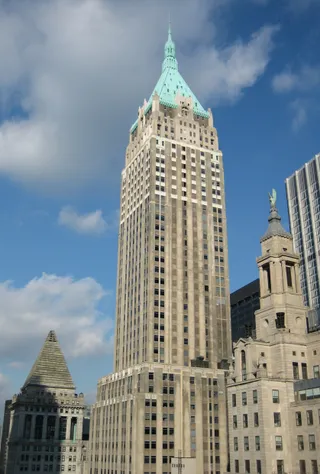
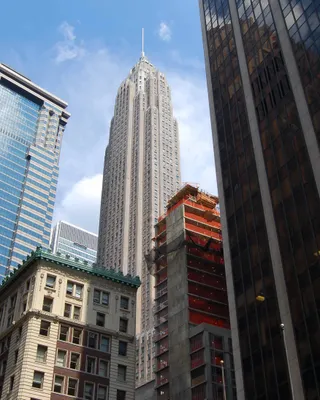
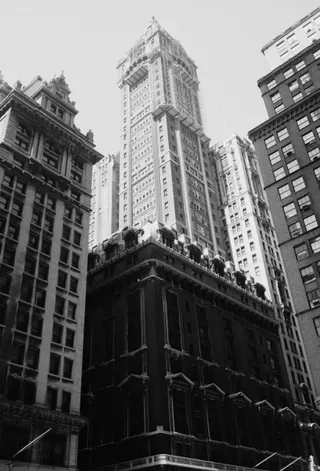
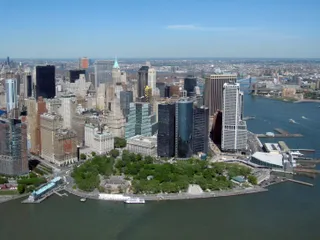
 ≈ 5 min awayWall Street
- Distance
- 400 m
 TravelHub
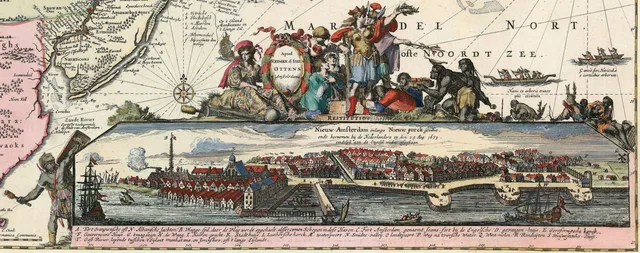
Residents living around the southern tip of Manhattan walk the winding Dutch colonial street grid beneath corporate towers, trading neighborhood conveniences for stone alleys that empty entirely once trading desks close.
The settlement began as a corporate fur outpost centered on Fort Amsterdam at the southern tip of Manhattan Island. Built to secure trade routes for the Dutch West India Company, the compound guarded the river mouth while coordinating shipments of beaver pelts back to Europe. The garrison gradually expanded into the provincial capital of New Netherland and eventually gained formal municipal status under Dutch governance.
European demand for waterproof felt hats and medicinal castoreum drove the settlement economy, relying on Indigenous hunters who traded pelts for European goods and Long Island wampum. Private commerce preceded formal governance, bringing diverse traders such as Juan Rodriguez from Santo Domingo. When corporate directors replaced individual merchants, colonial administrative statutes officially superseded maritime ship law.
Before Dutch settlement, European vessels explored the harbor under French and Dutch flags, beginning with Verrazzano and continuing with Henry Hudson aboard the Halve Maen while searching for an Arctic passage. Early colonists first disembarked on nearby Nutten Island before choosing the Manhattan tip for ocean access and year-round navigation toward inland posts, anchoring the layout that modern residents walk today.
≈ 5 min awayWall Street ≈ 15 min awayWorld Trade Center
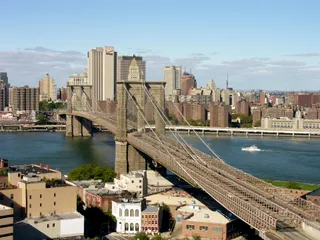
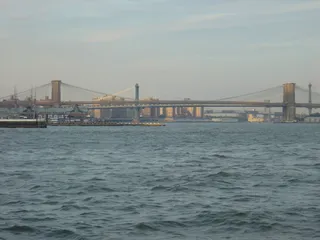
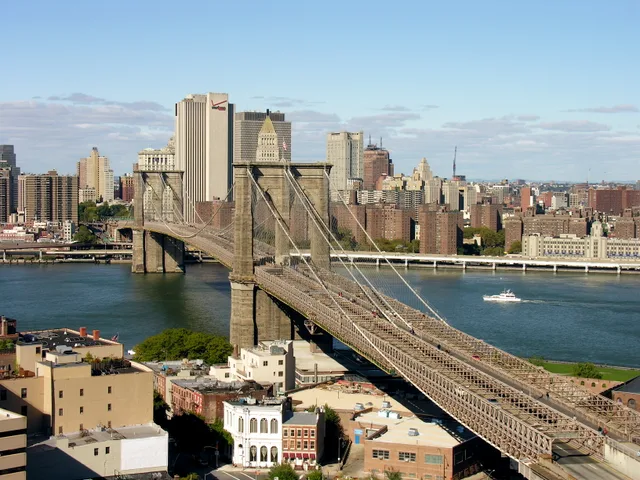 ≈ 20 min awayBrooklyn Bridge
Can’t find the place you need? Search understands any language. Open search