

- Labvakar. - … - Labvakar!! Sēžot pretī manai sarkmatainajai... būtnei, viņa sapņaini skatījās uz logu, pilnībā ignorējot vērtīgo klientu. Beidzot viņas smadzenēs kaut kas ieklikšķinājās (varbūt man tikai šķita), dāma pagriezās, ieskatījās okulārā, sakautrēti iesmiedamās ieelpoja un ieslēdza tulkotāju. - Oi, piedodiet, es jūs uzreiz nepamanīju. Saprotiet, es te nestrādāju… Saprotam. Tu šeit skatījies pa logu. - Tātad, es vispār nestrādāju. Tomēr patīkami saņemt pabalstu tikai par to, ka tu esi Īpaši Gudra 8. pakāpe. Es te esmu caurceļā no Melburnas uz Briseli ar pārsēšanos Ņižnevartovskā, ceļoju, domāju, gribu iegūt nākamo pakāpi. Un uz IEC ienācu pēc vecās atmiņas, pati sen caur viņiem braucu Work&Travel laikā. Kad vēl mācījos ārzemju valodu fakultātē. Kad tā vēl bija. Tātad, sen. Ārzemju valodu institūcijas un tamlīdzīgais tika likvidētas vēl pirms aptuveni 10 gadiem, kad izgudroja tulkotāju (Multvalodu starpsugu un starprases visu frekvenču domu pārraidītājs, tāda maza noderīga kastīte). Tikmēr sarkmatainā turpināja čubināt: - …no šī loga atveras tik brīnišķīgs skats uz Esības būtību…ieju iekšā, domāju papļāpāt ar bijušajiem kolēģiem, aizmirsu, ka šodien ir brīvdiena, bet ja jums ir jautājumi, ar prieku atbildēšu… Brīvdiena. Nu es gan domāju, kur visi pazuda? Lai gan no kurienes man zināt, manā dzīvē nekad nav bijis ne kalendāra, ne tā dēvētajām brīvdienām. - Kāds jums jauks suņučiņš! - Tas ir Bils. - Priecājos iepazīties. Oi, es taču aizmirsu iepazīstināties, Katerīna. Un jūs dalībnieks ar numuru... varu jūsu datus? Aha, Х24, Bioloģiskais kods 453A, Gudrības indekss 12. Vai ir jautājumi par Work&Travel programmu? Jautājiet, nebaidieties. - Patiesībā man rīt izlidojums. Un es vēl šaubos, kur braukt: uz Losandželosu vai uz Aļasku… - Kāpēc jums tā Aļaska? Tur labi tikai odiem. Jūs taču gribat tur, kur cilvēku vairāk? - Negribu. Jābrauc. - Jums ir izcils darba piedāvājums, jūs veicināsiet zinātni… - Darbā būšu. Un vēl man bail pieņemties svarā. Darbs tāds, apkārt ēdiens, tikai kārdinājumi, fast food… - Neuztraucieties, jums būs pietiekami fiziskas slodzes. Un pēc tam jūs braucat tur nevis ēst, bet strādāt un iegūt jaunus iespaidus, protams. - Nu ne jau pēc naudas. Nauda mani patiešām nemaz neuztrauca, bet iespēja apskatīt pasauli bija unikāla, varbūt vienīgā mūžā. Vai pirms aptuveni desmit gadiem mani būtu palaiduši uz ārzemēm? Ja vien ne nelegāli, bet tas bīstami, nelegāļa dzīve nav vērta ne santīma. Tieši uz leģendāro Aļasku, kur odi, nesen divas manas kolēģes no tās pašas dzimtenes vienkārši nocirta, bez iemesla. Es braucu goda pēc, ar mikročipu, kas izstaro ultraskaņas (vai kaut kādu) signālu, tāpēc visi apkārt zina: es esmu Work&Travel-2029 dalībniece un vispār Pasaules Pilsone, nelamājiet un netraucējiet. - Zināt uzvedības noteikumus? Es iemācītā balsī murmināju: - Visur iet ar pavadoni, savlaicīgi nodot iegūtos paraugus darba devējam, nesniegt ārā komerciālas noslēpumus, nelamāties, nespuņķoties, neskujoties kā trakai... Pēdējie punktu man īsti neveicās. - Un pats galvenais: nepazaudējiet mikročipu ar jūsu personiskajiem datiem! - Nu kurš to pazaudēs. Iekustināts kaklā uz mūžīgi. --------------------------------------------------------------------------------------------- Lidostā es iepazinos ar jaunāko, nez no kurienes mutējušo, bioloģisko sugu - Ļoti Laipno Runīgo Robežsargu. - Labdien, vai varu nofotografēt jūsu biolauku… Lūdzu, pat atstājiet kreisās aizmugurējās kājas nospiedumu, tikai ātrāk pabeigsim formalitātes. - Jūs Х24, Bioloģiskais kods 453A, Gudrības indekss 12? - Nu. - Braucat strādāt uz Losandželosu, vācot bioloģisko informāciju? - Uh-hu. - Burvīgi! Suņa esat salonā? - Tas ir Bils. Mans pavadonis. Apmācīts, šķiet... Suns mani pacietīgi apbēra ar nelabvēlīgu skatienu un nicīgi pagriezās malā. Pēc manām domām, tādus pavadonis vajadzētu izolēt. No pieklājīgas sabiedrības. - Deklarēsiet kaut ko..? Ah, saprotu. Patīk ceļot viegli? - Kā sacīja viens grieķu filozofs, omnia mea mecum porto. Ļoti Laipnais Robežsar
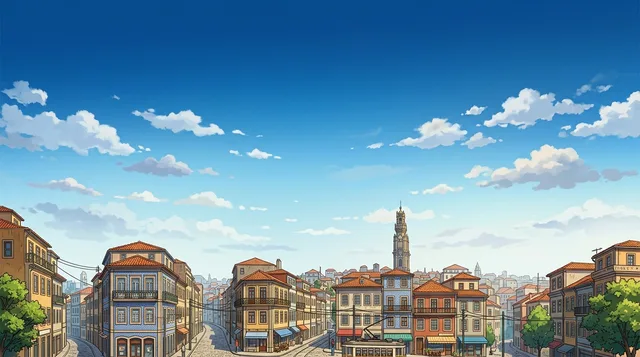
Porto: Ceļvedis, cenas un bezmaksas naktsmītnes · 2026. g.
Residents build their daily routines around steep granite slopes and the light rail, abandoning private cars to avoid the snarled cobbled alleys of Ribeira.
- Metro ticket machines and directional signage
- Portuguese and English
- Metro onboard audio announcements
- Portuguese
- Traditional neighborhood restaurants and bakeries
- Portuguese
«O prato do dia, por favor.» — Use at local diners during lunch to request the fixed daily set meal.
- 1 diena
- Baixa, São Bento, Clérigos, Ribeira
- 3 dienas
- + Casa da Música, Serralves, Vila Nova de Gaia
- 7 dienas
- + Matosinhos, Foz, Douro Valley
Porto is the industrial capital of northern Portugal, built on steep riverbanks and Atlantic trade.
Porto anchors the manufacturing and financial core of northwest Portugal. Commercial ties to the upper river valley shaped the local economy through fortified wine shipping and Atlantic exports. Historic wine lodges still line the riverfront slopes in Vila Nova de Gaia, while major domestic publishers, industrial conglomerates, and commercial banks maintain national headquarters across the metropolitan center.
Lasīt tālāk
Navigating central districts by car proves frustrating due to steep cobbled lanes and cramped historic quarters in Ribeira and Baixa. Residents rely on the modern light rail system and public buses, which require validated magnetic cards before boarding. Atlantic weather dominates the seasons, pairing mild sunny summers with prolonged periods of heavy winter rainfall that often catch long-term arrivals unprepared.
Local culinary identity remains tied to traditional beef tripe stews and the Francesinha, a layered meat sandwich smothered in melted cheese and spiced sauce. Social habits follow late evening schedules, with dance clubs in the industrial district and Foz operating until dawn. Annual student processions and street festivities dedicated to Saint John temporarily transform the downtown corridors into shared open-air gatherings.
- Port Wine
- Francesinha
- Cobbled Hills
- Winter Rainfall
- Casa da Música
- Architect Rem Koolhaas designed the Casa da Música concert venue.
- Municipal residents carry the traditional culinary nickname tripeiros after historic meat shortages.
- The Maria Pia Bridge across the river was designed by Gustave Eiffel.
- Port wine must be produced from grapes grown in the Douro valley and bottled locally.
Nokļūšana un apmešanās
Lidojumi, lidostas, mājokļi un īre
Šeit vēl nav bezmaksas izmitināšanas saimnieku — tuvākā pilsēta, kurā viņi ir:
Madrid- 01Connect to airport Wi-Fi upon arrival at the terminal.
- 02Withdraw euro cash from an automated teller machine.
- 03Purchase an Andante card at the airport station ticket vendor.
- 04Validate the card at a platform sensor before boarding the train toward the city center.
2 avoti · Uz 2026. gada 18. septembris
Vīza un praktiska informācija
Izvēlieties pasi
Norādiet savu pasi — apstrādes laiks, maksa un dokumenti atšķiras atkarībā no pases.
- Public transit tickets must be validated at platform sensors prior to boarding, as inspections occur on board and unvalidated travel carries penalties.
- Paper transit cards are rechargeable and must be retained for subsequent journeys rather than discarded after use.
- Obtaining a monthly transit subscription card requires submitting a personal passport photograph.
2 papildu noteikumi
- Contactless bank card validation on the metro is restricted to the airport line and select central stations rather than the entire network.
- Wine may legally carry the port wine designation only if grown in the Douro valley and bottled in Porto.
How do travellers get from the airport to central Porto?
Metro line E connects the airport directly to downtown Porto. Passengers can pay using a reloadable transit card or contactless bank cards at station sensors. Municipal buses and ride-hailing applications provide additional transit options from the terminal.
Avots: WikivoyageWhat traditional dishes are typical of Porto?
Tripas à moda do Porto is an offal stew that gave local residents their historic culinary nickname. The Francesinha is a regional sandwich layered with assorted meats, melted cheese, and a spiced sauce. Fresh grilled fish and preparations of salt cod are also widespread along the riverfront and coast.
Avots: Wikipedia · WikivoyageHow does public transit work in Porto?
Public transit relies on an integrated light rail metro system alongside municipal buses. Passengers travel using the rechargeable Andante card, which must be validated at sensors prior to boarding. Metro lines run through central districts and adjacent municipalities, while bus routes serve outlying neighbourhoods.
Avots: WikivoyageIs driving recommended in Porto?
Driving inside the historic centre is difficult because of narrow lanes, steep topography, and heavy traffic. Navigating historic cobblestone roads can be stressful for unfamiliar motorists. Walking or using the metro network provides a more practical way to navigate the urban core.
Avots: WikivoyageWhere are the historic port wine cellars located?
Historic port wine cellars stand on the slopes of Vila Nova de Gaia along the south bank of the Douro River. The fortified wine is produced from grapes grown in the Douro Valley and brought downriver for aging and storage. Tasting rooms and cellars throughout this district offer samples with panoramic riverfront views.
Avots: Wikipedia · WikivoyageWhat is the climate like in Porto?
Porto has a Mediterranean climate tempered by the Atlantic Ocean, resulting in mild summers and damp winters. Summer brings warm sunshine without extreme heat, assisted by cooling coastal ocean breezes. Rain is frequent throughout the winter season, although clear intervals remain common.
Avots: WikipediaWhich train stations connect Porto to other destinations?
Campanhã station handles long-distance rail services connecting Porto to Lisbon and other major national hubs. São Bento station stands in the historic centre and manages commuter and regional trains. These railway stations link directly to the broader municipal public transit system.
Avots: WikivoyageIs Porto safe for visitors?
Porto is generally safe for travellers who follow basic awareness routines. Petty theft occurs occasionally in crowded public transit hubs and busy sightseeing zones. Pedestrians should remain on illuminated primary streets after dark and avoid isolated stairways.
Avots: Wikivoyage3 avoti
Drošība un veselība
Oficiālie ceļojumu ieteikumi un medicīniskais minimums
Kā nokļūt
Lidostas, attālumi un sabiedriskais transports
Kad doties un maršruti
Kad doties un ko paspēt vienā dienā, trijās dienās vai nedēļā
- 09:00São BentoExamine the tiled vestibule inside the central station hall.
- 10:30Torre dos ClérigosView the baroque granite bell tower designed by Nicolau Nasoni.
- 13:00RibeiraDine on traditional seafood and salted cod along the riverside promenade.
- 15:30Palácio da BolsaTour the former stock exchange and inspect the ornate Arab Room.
- 10:00Casa da MúsicaInspect the modern concert hall architecture designed by Rem Koolhaas.
- 12:30SerralvesVisit the contemporary art museum and walk through the surrounding park.
- 15:30MatosinhosWalk the Atlantic waterfront and eat fresh grilled fish near the port.
- 18:00FozStroll the coastal promenade where the river meets the ocean.
Valoda un kultūra
Piecas frāzes pirmajai dienai un vietas, kur bez valodas neiztikt
English functions effectively across hospitality venues, central neighborhoods, and major transit hubs. Metro ticketing machines and directional signs feature English alongside Portuguese, though transit audio announcements are broadcast only in Portuguese.
- O prato do dia, por favor.Oo prah-too doo dee-ah, poor fah-voor.
- A conta, por favor.Ah kohn-tah, poor fah-voor.
- Um café, por favor.Oom kah-feh, poor fah-voor.
- Está disponível para arrendamento?Eesh-tah deesh-poh-nee-vel pah-rah ah-rren-dah-men-too?
- Fala inglês?Fah-lah eeng-glehz?
1 vēl viena frāze
- Bom dia, com licença.Bohn dee-ah, kohm lee-sehn-sah.
| Situācija | Valoda |
|---|---|
| Metro ticket machines and directional signage | Portuguese and English |
| Metro onboard audio announcements | Portuguese |
| Traditional neighborhood restaurants and bakeries | Portuguese |
| Central hospitality venues and riverside bars | Portuguese and English |
| Public administrative offices | Portuguese |
Cilvēki, kuri šeit ir bijuši
Līdzīgi tuvumā
Līdzīgs budžets un tuvu Porto
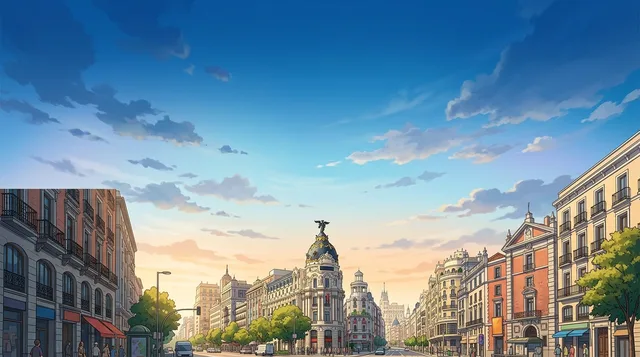 ≈ 3 st. 45 min attālumā2190 saimniekuMadrid
- Attālums
- 422 km
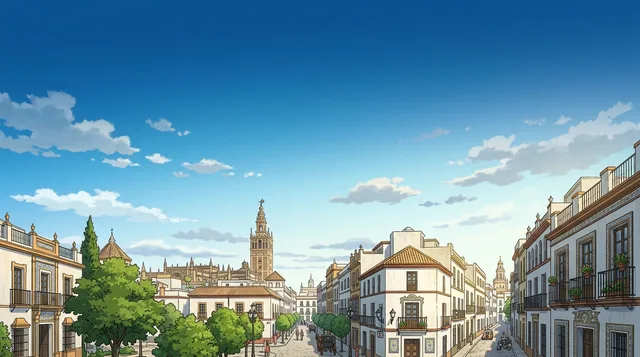 ≈ 3 st. 50 min attālumā278 saimniekiSevilja
- Mēnesis
- ≈ 970 €
- Attālums
- 475 km
Portugāle pilsētas
Vietas galamērķī Porto
Nevarat atrast vajadzīgo vietu? Meklēšana saprot jebkuru valodu. Atvērt meklēšanu