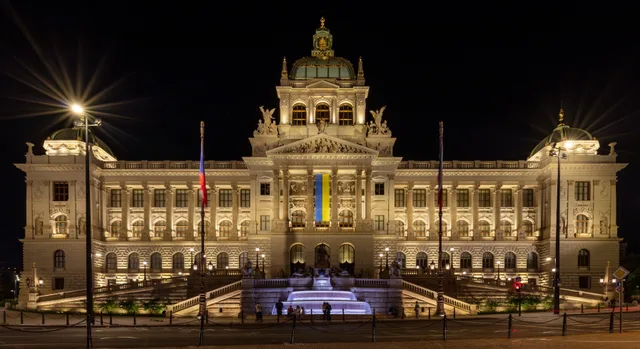
 ≈ 5 min attālumāNational Museum in Prague
- Attālums
- 400 m
 TravelHub
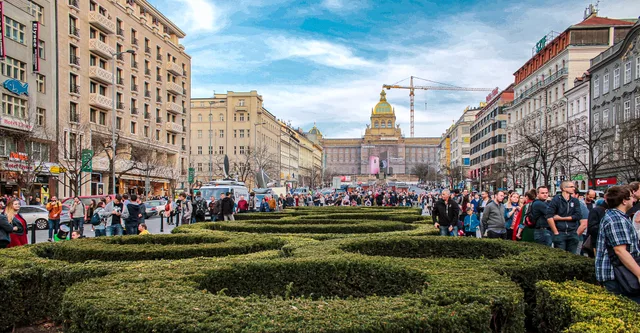
Tenants along the boulevard trade quiet nights for direct access to central metro junctions, living amid persistent commercial foot traffic and regular street demonstrations.
 National Museum in Prague
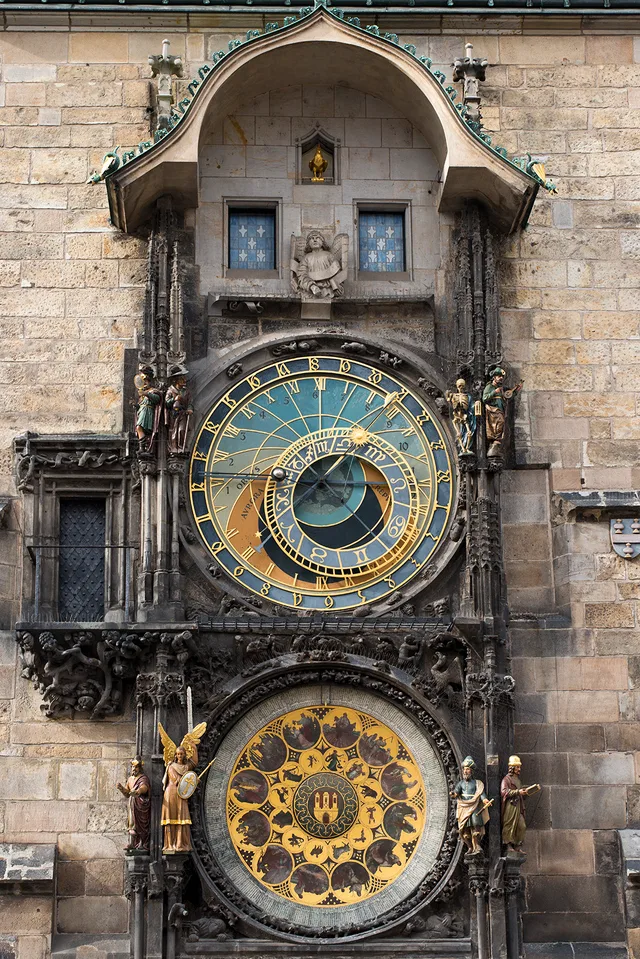
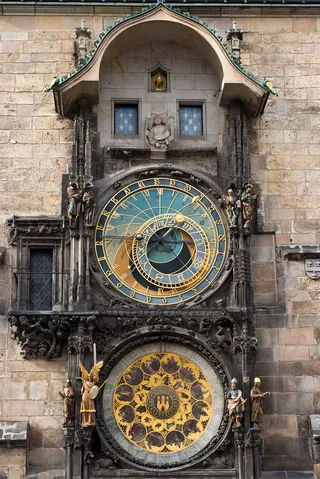 Prāgas astronomiskais pulkstenis
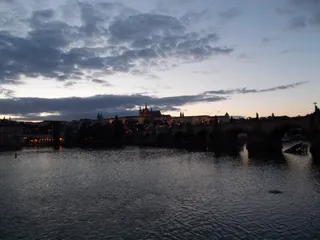 Kārļa tilts
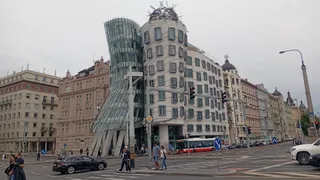 Dejojošā māja
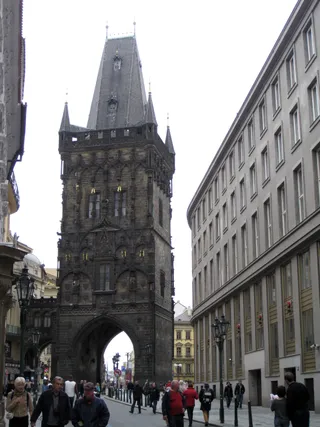 Powder Tower
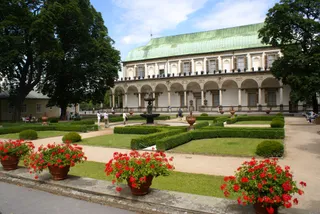 Queen Anne's Summer Palace
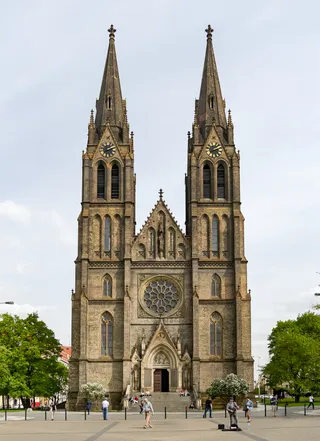 Basilika of St. Ludmila
 Church of Our Lady before Týn
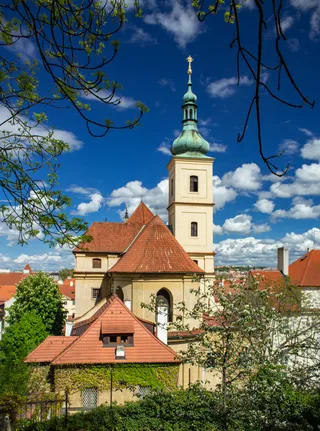 Church of Our Lady of Victories
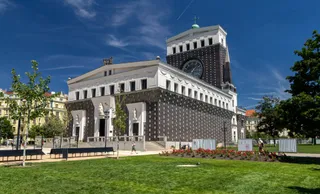 Church of the Most Sacred Heart of Our Lord
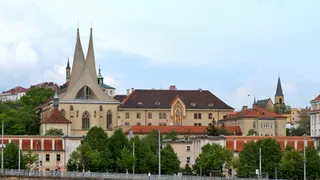 Emmaus Monastery
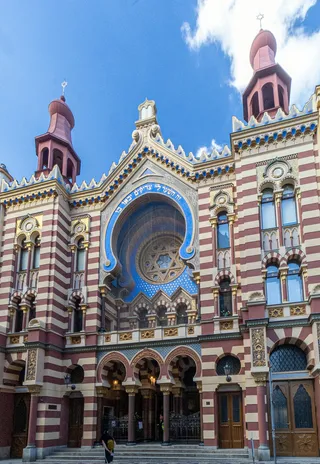 Jubilee Synagogue
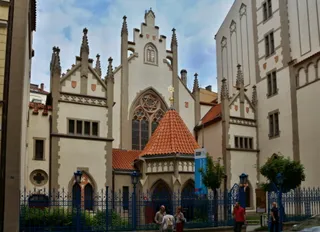 Maisel Synagogue
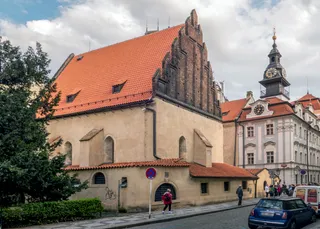 Staronova sinagoga
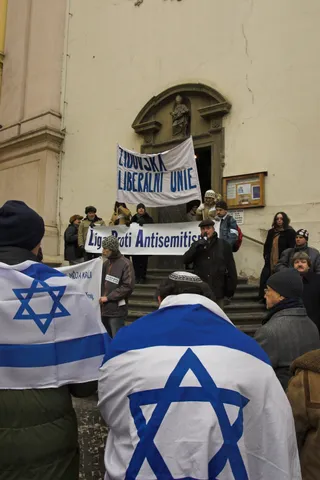 Church of Saint Nicholas
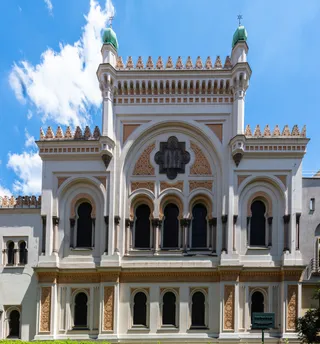 Spanish Synagogue
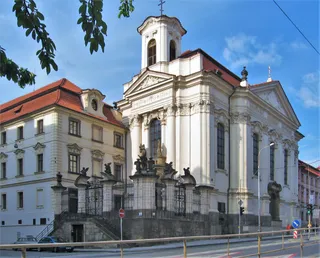 Ss. Cyril and Methodius Cathedral
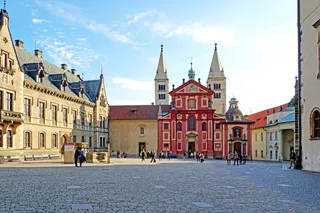 Sv. Jura bazilika
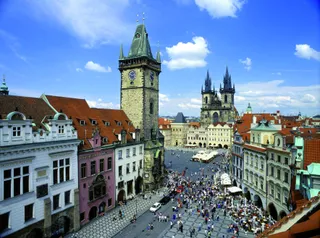 Old Town Square
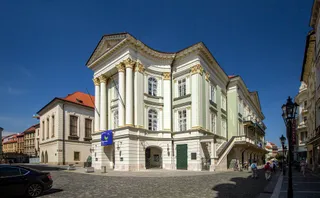 Estates Theatre
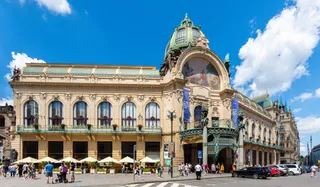 Municipal House
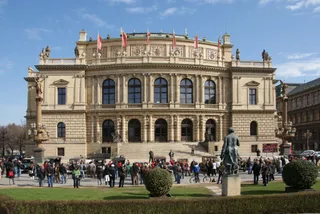 Rudolfinum
 State Opera Prague
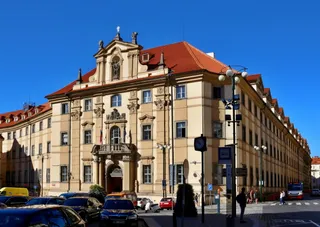 Clementinum
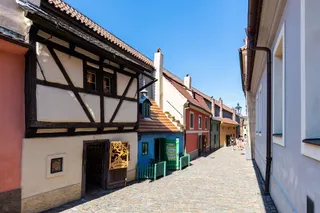 Golden Lane
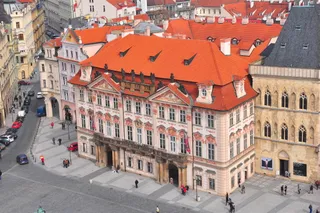 Kinsky Palace
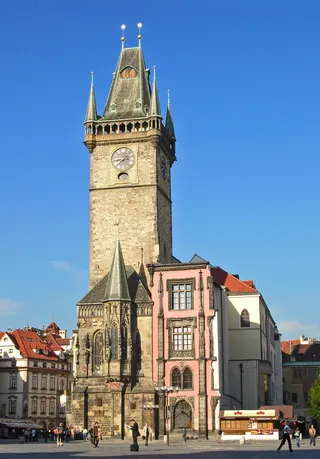 Old Town Hall
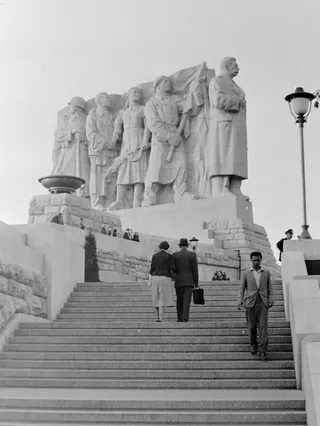 Stalin Monument
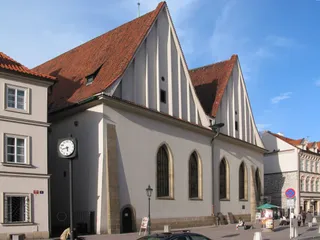 Bethlehem Chapel
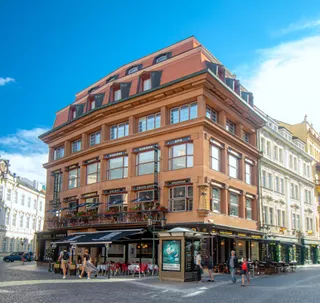 House of the Black Madonna
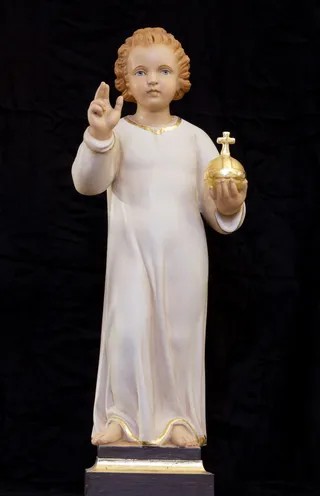 Infant Jesus of Prague
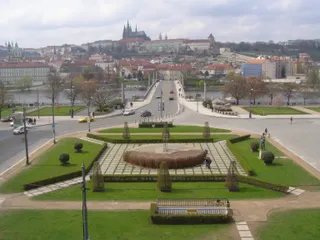 Jan Palach Square
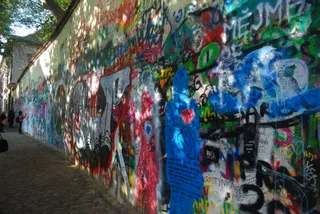 Džona Lenona siena
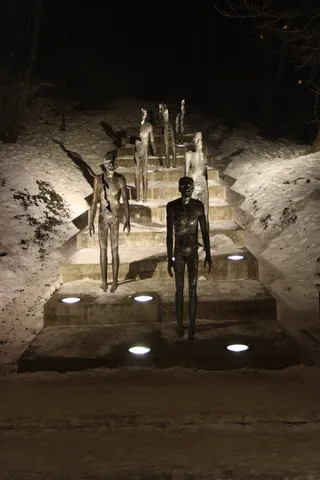 Memorial to the Victims of Communism
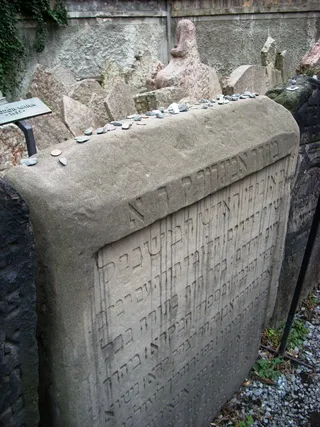 Old Jewish Cemetery
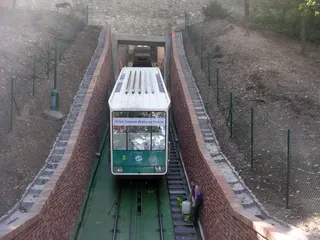 Petřín funicular
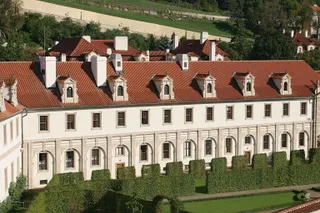 Wallenstein Palace
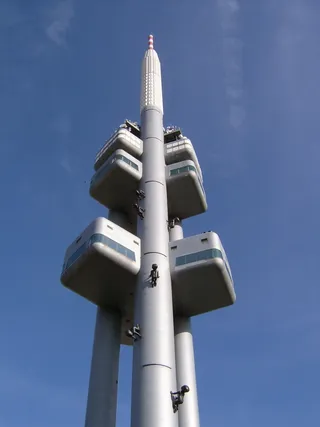 Žižkov Television Tower
King Charles established this wide avenue as the horse market of New Town, terminated at its upper boundary by the defensive Horse Gate. Renamed for Bohemia's patron saint during the Czech National Revival, the corridor evolved into the city's central commercial spine. Department stores, foreign exchange counters, and fast-food franchises line the pavements alongside residential blocks, grand hotels, and nocturnal clubs.
Protesters and citizens gather around the Saint Wenceslas monument during moments of national crisis. Public crowds rallied here to hear the Czechoslovak declaration of independence, protested foreign military occupation, and assembled for the decisive rallies of the Velvet Revolution. The boulevard also saw student Jan Palach commit his self-immolation against the Warsaw Pact invasion.
Commuters navigate heavy transit flows and active urban reconstruction along the avenue. The boulevard carries the heaviest pedestrian traffic in the country, anchored underground by the Muzeum and Můstek metro transfer hubs. Surface redevelopment is expanding pedestrian pavements, adding dedicated bicycle lanes, reintroducing longitudinal tram tracks, and curtailing automobile lanes.
Šeit vēl nav bezmaksas izmitināšanas saimnieku — tuvākā pilsēta, kurā viņi ir:
BerlīneKo apmeklētāji raksta Google Maps
Vērtējums un jaunākās atsauksmes no Google Maps ielādēsies pēc pieprasījuma.
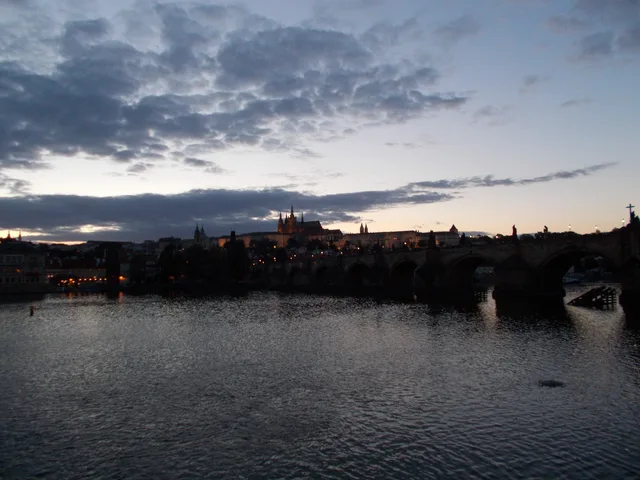 ≈ 15 min attālumāKārļa tilts
Nevarat atrast vajadzīgo vietu? Meklēšana saprot jebkuru valodu. Atvērt meklēšanu