 à ≈ 5 minmusée national de Prague
- Distance
- 400 m
 TravelHub
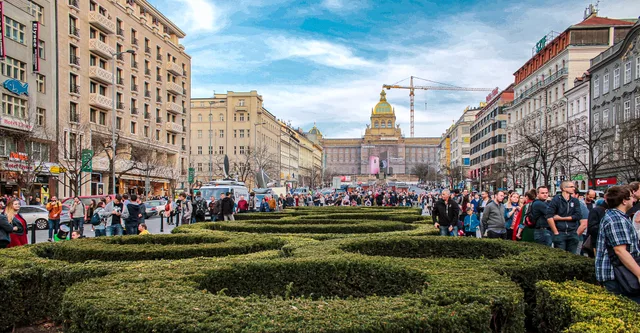
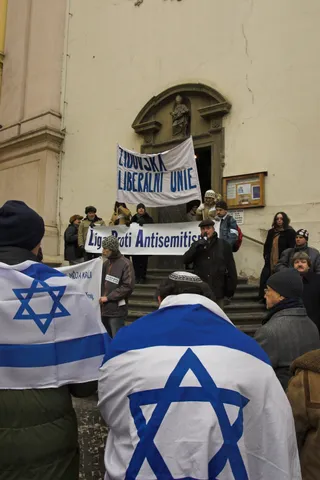
Tenants along the boulevard trade quiet nights for direct access to central metro junctions, living amid persistent commercial foot traffic and regular street demonstrations.
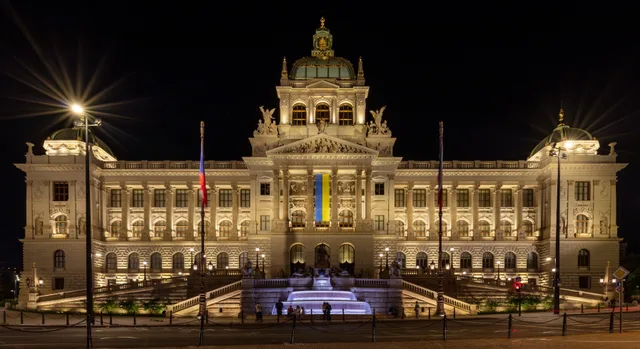
 musée national de Prague
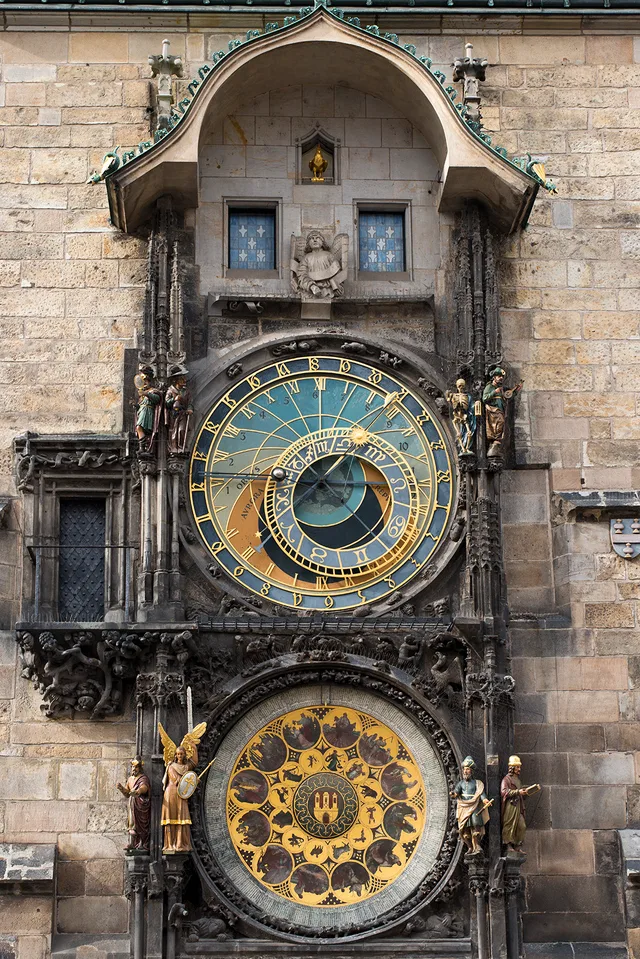
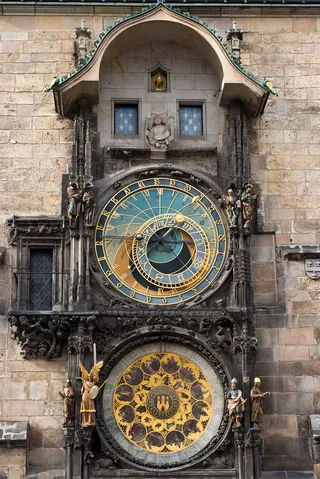 horloge astronomique de Prague
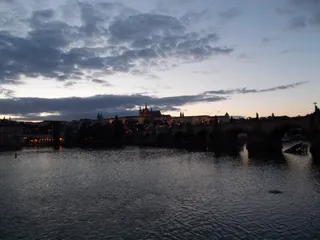 pont Charles
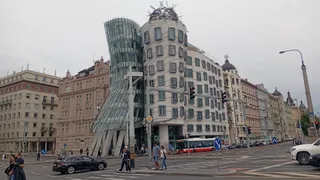 maison dansante
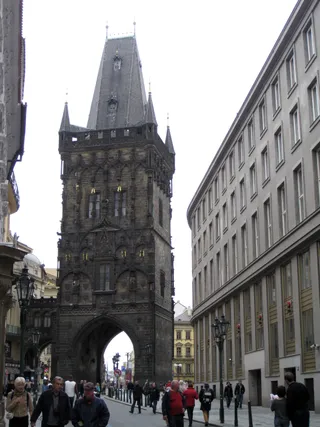 tour Poudrière de Prague
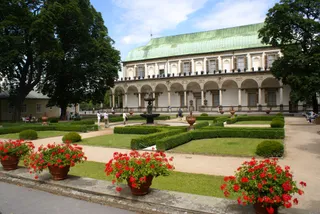 belvédère de la reine Anne
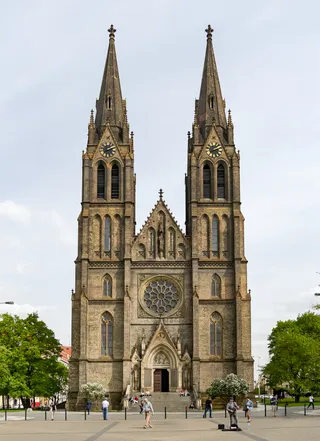 église Sainte-Ludmila
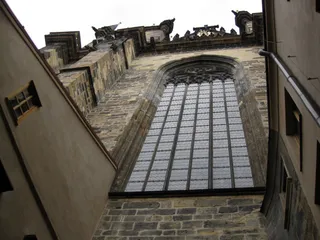 église de Notre-Dame de Týn
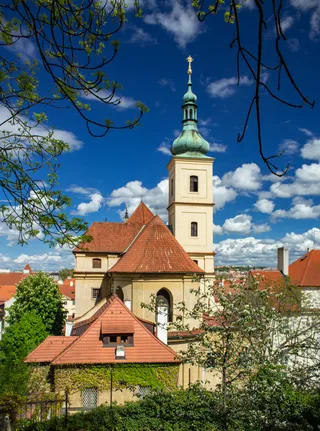 église Sainte-Marie-de-la-Victoire
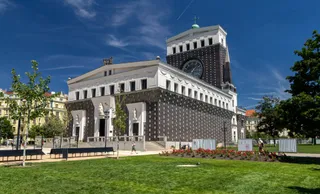 église du Sacré-Cœur-de-Jésus
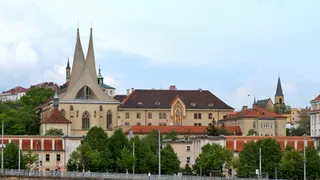 cloître d'Emmaüs
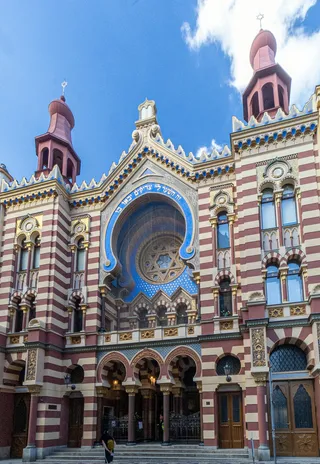 synagogue jubilaire
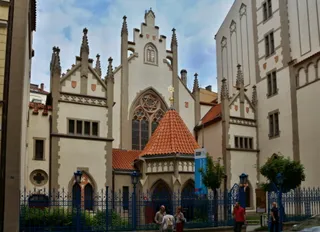 synagogue Maisel
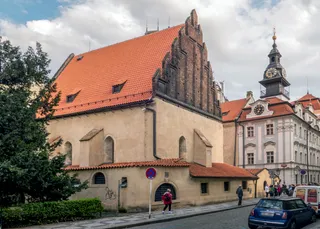 synagogue Vieille-Nouvelle
 église Saint-Nicolas de Prague
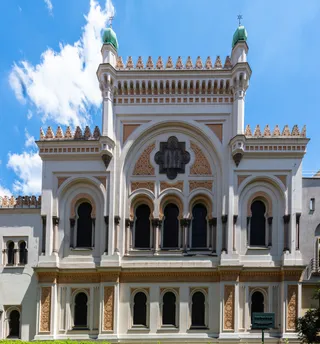 synagogue espagnole
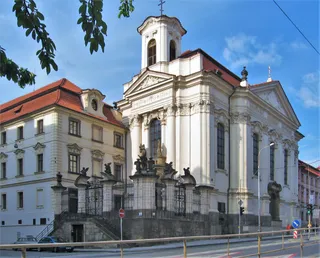 cathédrale Saints-Cyrille-et-Méthode
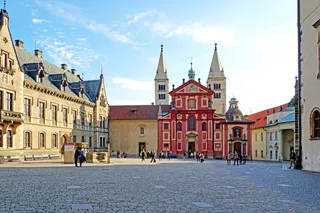 basilique Saint-Georges de Prague
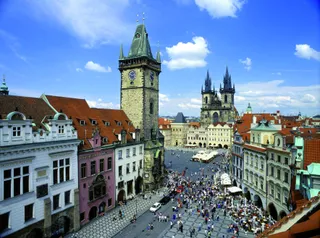 place de la Vieille-Ville
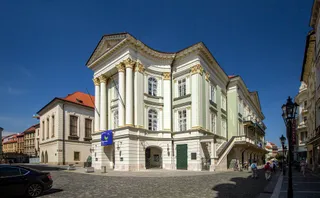 théâtre des États
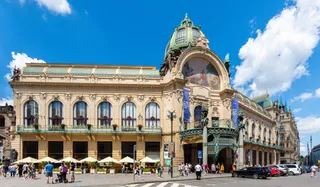 maison municipale
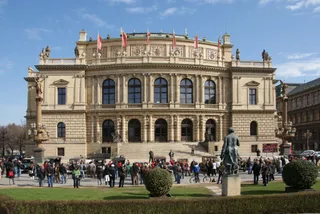 Rudolfinum
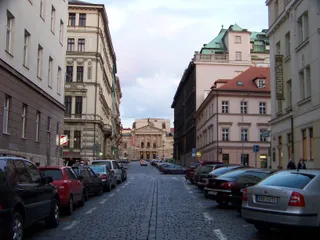 opéra d’État de Prague
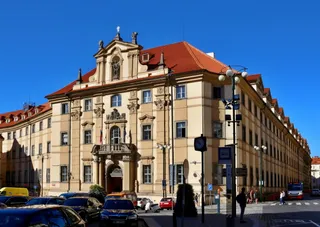 Clementinum
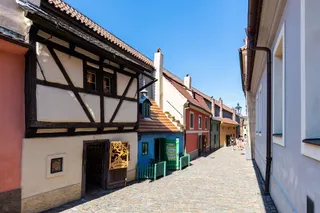 ruelle d'Or
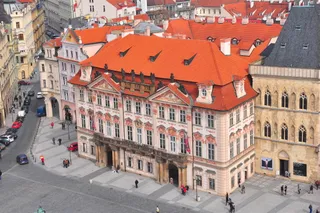 palais Kinských
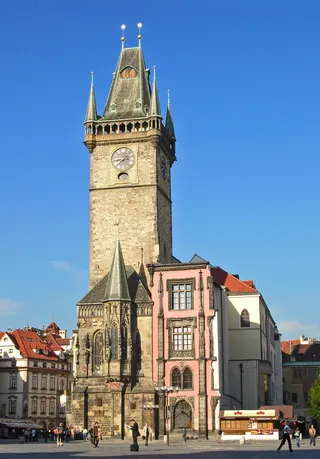 ancien hôtel de ville de Prague
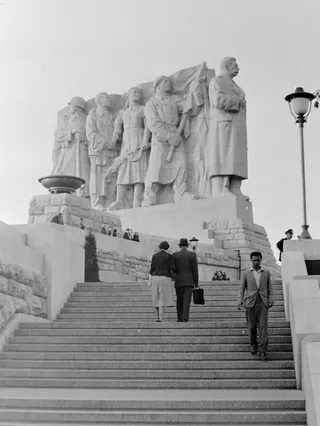 monument à Staline
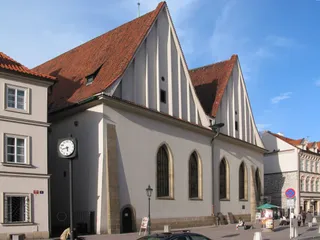 chapelle de Bethléem
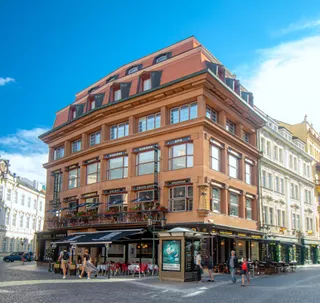 maison à la Vierge noire
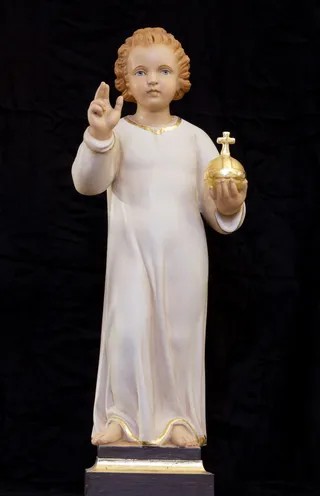 Enfant Jésus de Prague
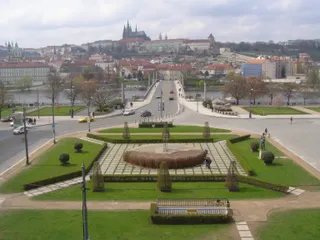 place Jan Palach
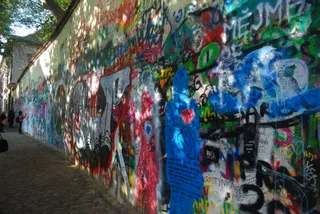 Mur Lennon
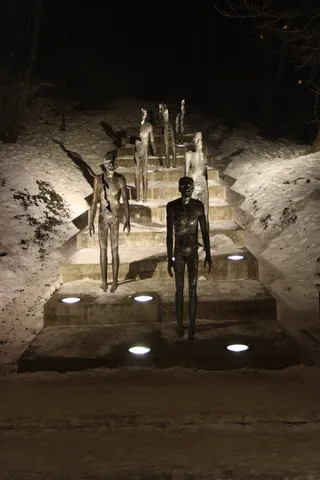 monument en mémoire des victimes du communisme
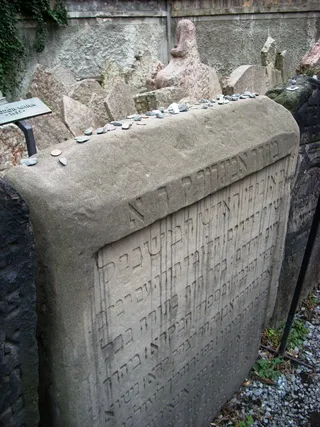 cimetière juif de Prague
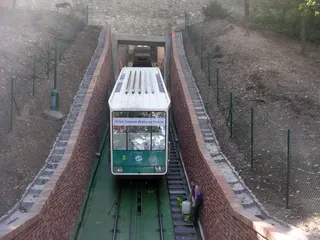 funiculaire de Petřín
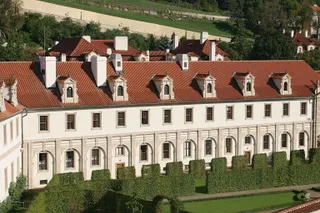 palais Wallenstein
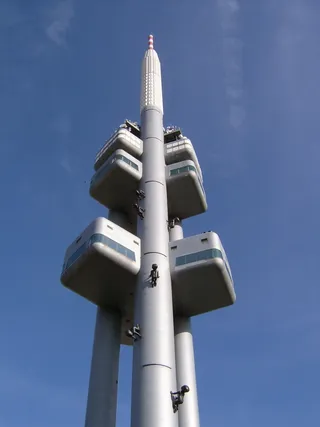 tour de télévision de Žižkov
King Charles established this wide avenue as the horse market of New Town, terminated at its upper boundary by the defensive Horse Gate. Renamed for Bohemia's patron saint during the Czech National Revival, the corridor evolved into the city's central commercial spine. Department stores, foreign exchange counters, and fast-food franchises line the pavements alongside residential blocks, grand hotels, and nocturnal clubs.
Protesters and citizens gather around the Saint Wenceslas monument during moments of national crisis. Public crowds rallied here to hear the Czechoslovak declaration of independence, protested foreign military occupation, and assembled for the decisive rallies of the Velvet Revolution. The boulevard also saw student Jan Palach commit his self-immolation against the Warsaw Pact invasion.
Commuters navigate heavy transit flows and active urban reconstruction along the avenue. The boulevard carries the heaviest pedestrian traffic in the country, anchored underground by the Muzeum and Můstek metro transfer hubs. Surface redevelopment is expanding pedestrian pavements, adding dedicated bicycle lanes, reintroducing longitudinal tram tracks, and curtailing automobile lanes.
Aucun hôte proposant un logement gratuit ici pour le moment — la ville la plus proche en proposant :
BerlinCe que les visiteurs écrivent sur Google Maps
La note et les avis récents de Google Maps se chargent à la demande.
à ≈ 5 minmusée national de Prague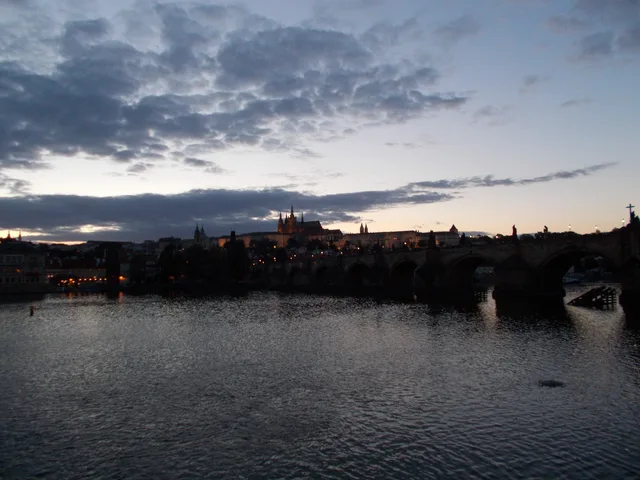 à ≈ 15 minpont Charles
Vous ne trouvez pas la destination souhaitée ? La recherche prend en charge toutes les langues. Ouvrir la recherche