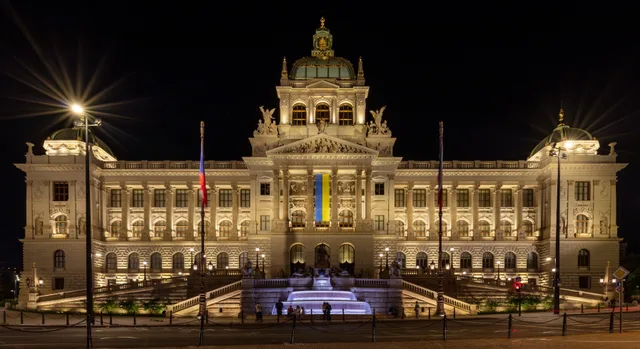
 ≈ 5 dəq məsafədəMilli Muzey (Praqa)
- Məsafə
- 400 m
 TravelHub
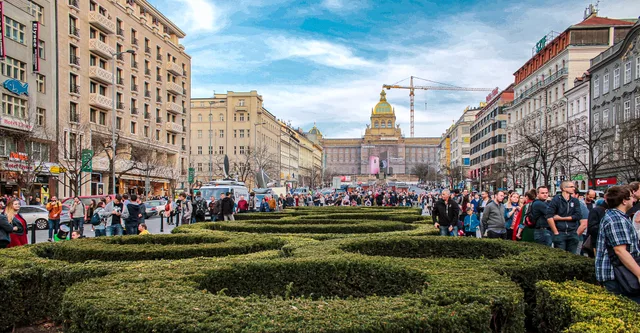
Tenants along the boulevard trade quiet nights for direct access to central metro junctions, living amid persistent commercial foot traffic and regular street demonstrations.
 Milli Muzey (Praqa)
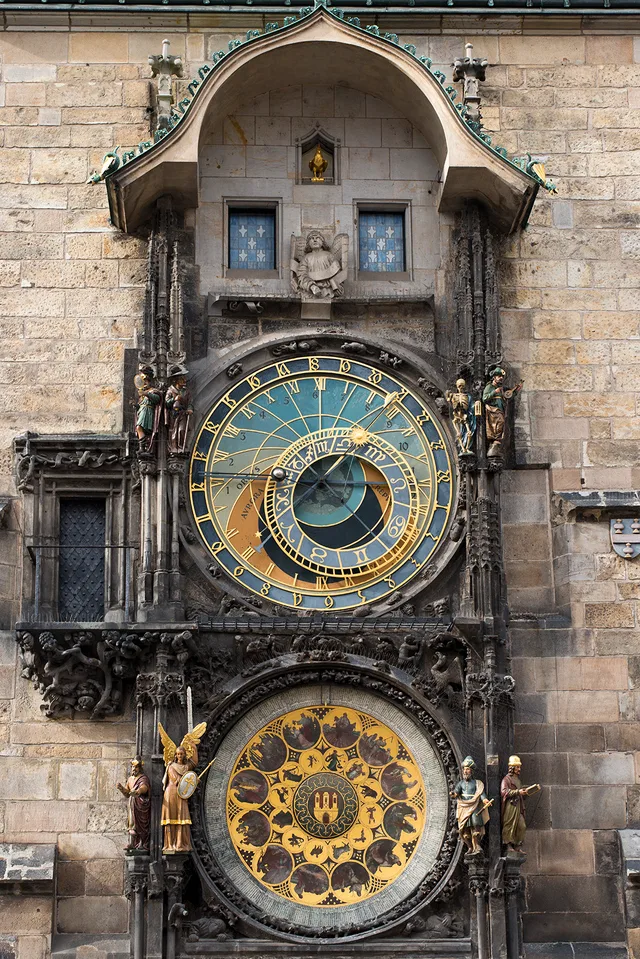
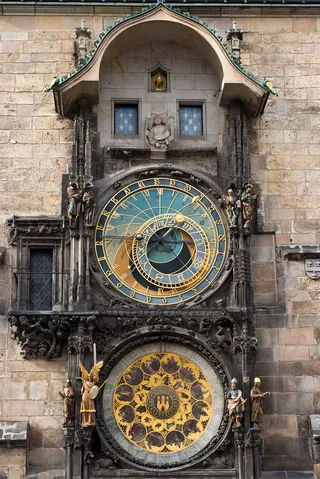 Praqa astronomik saatı
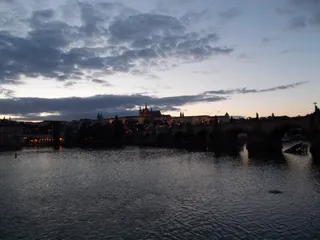 Karl körpüsü
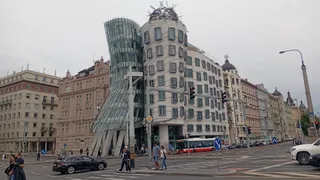 Rəqs edən ev
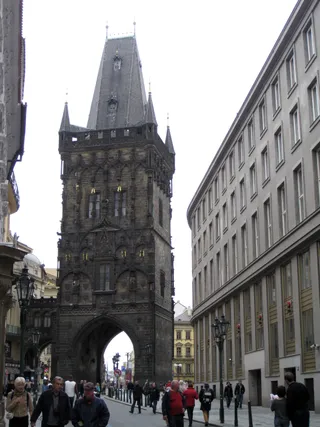 Barıt qülləsi
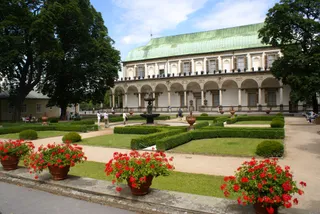 Kraliça Annanın yay sarayı
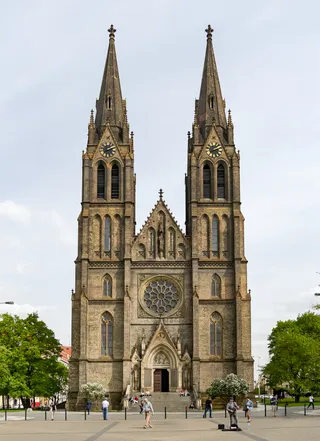 Basilika of St. Ludmila
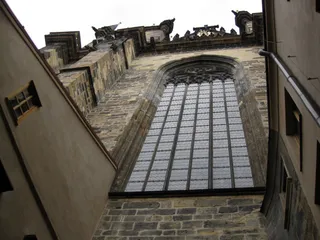 Tın kilsəsi
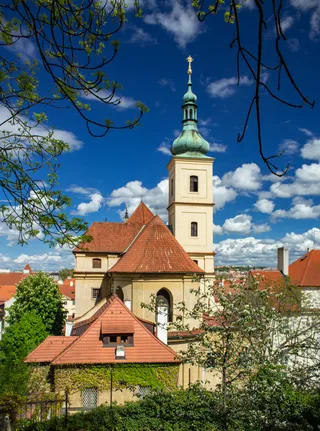 Qələbəgətirən Bakirə Məryəm kilsəsi
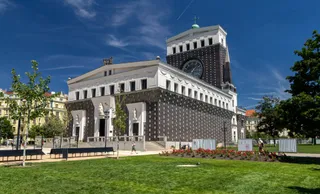 Church of the Most Sacred Heart of Our Lord
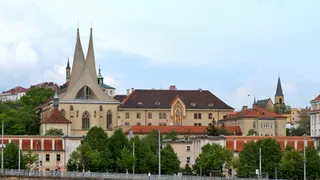 Emmaus Monastery
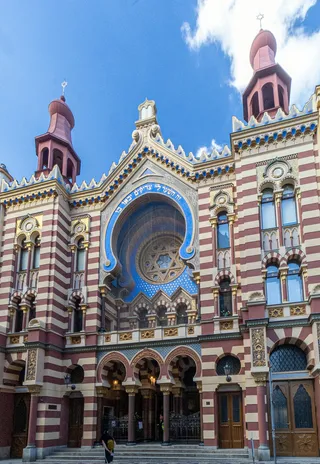 Jubilee Synagogue
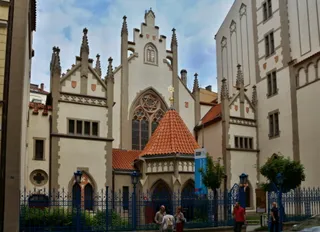 Maisel Synagogue
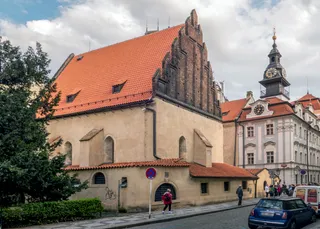 Köhnə-Yeni sinaqoq
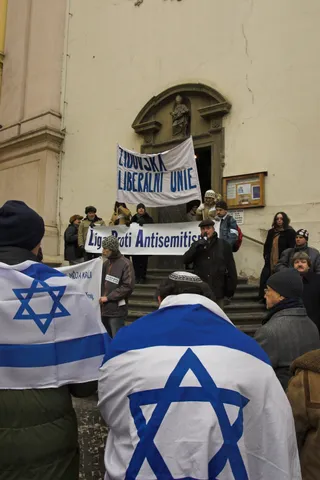 Müqəddəs Nikolay kilsəsi
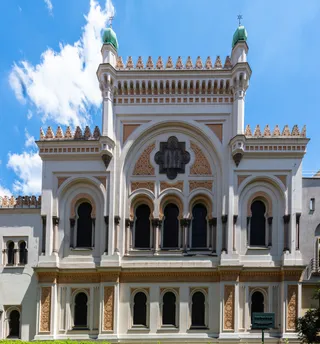 Spanish Synagogue
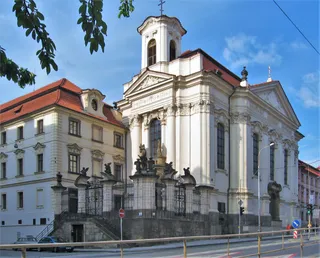 Ss. Cyril and Methodius Cathedral
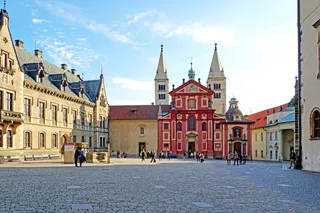 Müqəddəs Georgi bazilikası
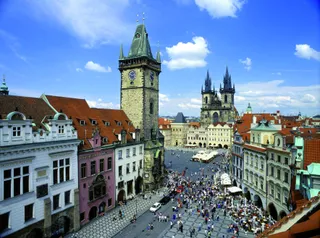 Old Town Square
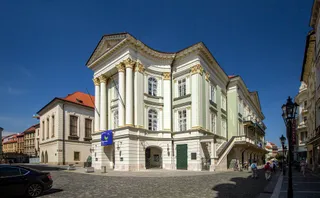 Məhəllə teatrı
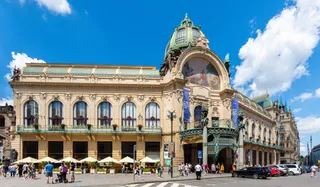 İctimai ev (Praqa)
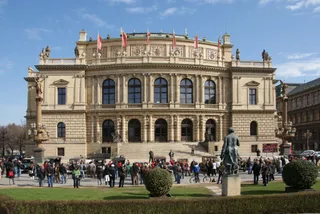 Rudolfinum
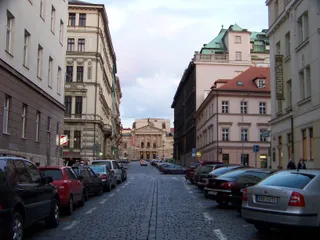 State Opera Prague
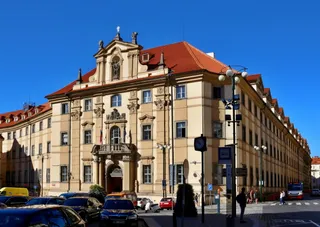 Klementin
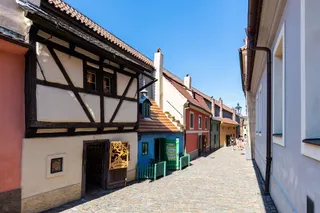 Qızıl küçə
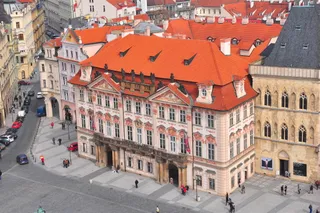 Qoltz-Kinski sarayı
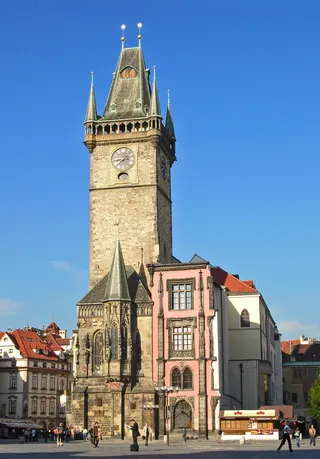 Stare Mesto ratuşası
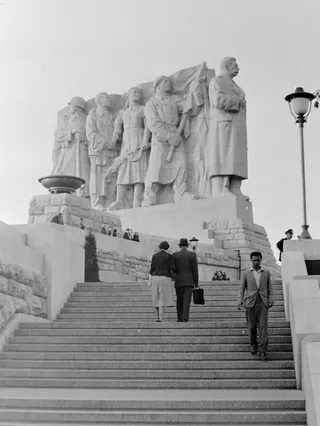 Stalin Monument
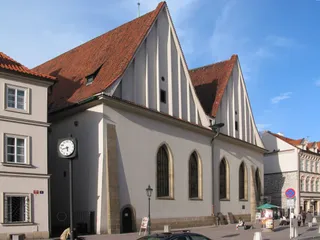 Bethlehem Chapel
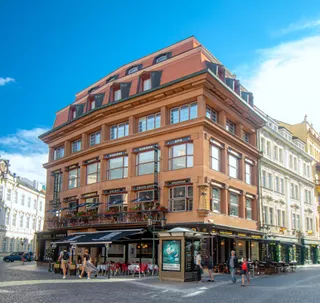 House of the Black Madonna
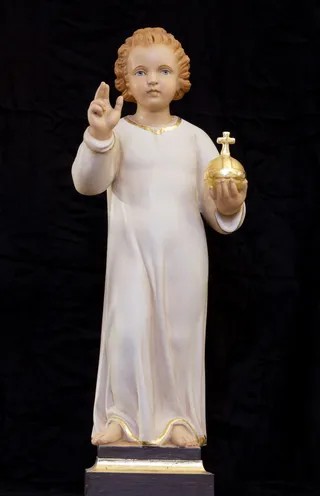 Praqanın Körpə İsası
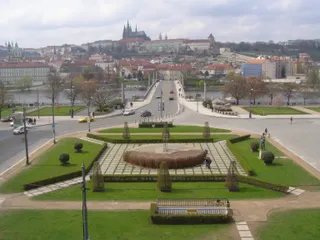 Jan Palach Square
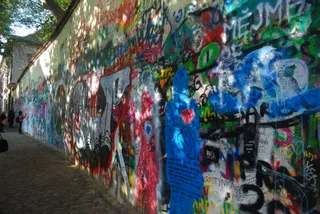 Lennon Wall
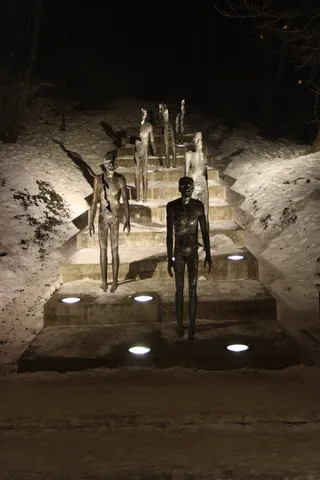 Kommunizm qurbanlarına həsr olunmuş abidə
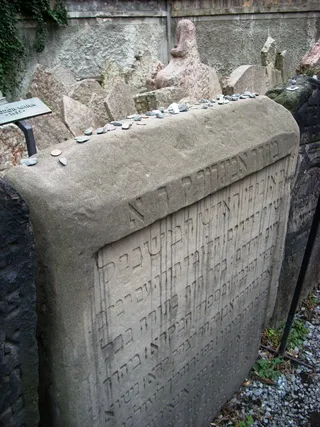 Köhnə Yəhudi Qəbiristanlığı (Praqa)
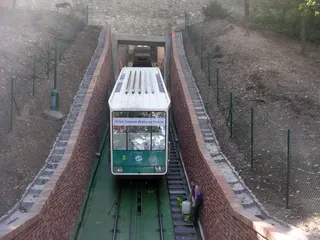 Petřín funicular
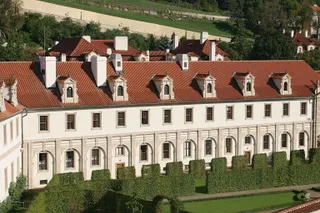 Wallenstein Palace
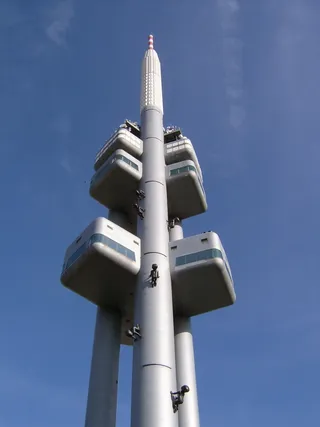 Žižkov Television Tower
King Charles established this wide avenue as the horse market of New Town, terminated at its upper boundary by the defensive Horse Gate. Renamed for Bohemia's patron saint during the Czech National Revival, the corridor evolved into the city's central commercial spine. Department stores, foreign exchange counters, and fast-food franchises line the pavements alongside residential blocks, grand hotels, and nocturnal clubs.
Protesters and citizens gather around the Saint Wenceslas monument during moments of national crisis. Public crowds rallied here to hear the Czechoslovak declaration of independence, protested foreign military occupation, and assembled for the decisive rallies of the Velvet Revolution. The boulevard also saw student Jan Palach commit his self-immolation against the Warsaw Pact invasion.
Commuters navigate heavy transit flows and active urban reconstruction along the avenue. The boulevard carries the heaviest pedestrian traffic in the country, anchored underground by the Muzeum and Můstek metro transfer hubs. Surface redevelopment is expanding pedestrian pavements, adding dedicated bicycle lanes, reintroducing longitudinal tram tracks, and curtailing automobile lanes.
Burada hələ pulsuz yerləşmə təklif edən ev sahibi yoxdur — onlara ən yaxın şəhər:
BerlinZiyarətçilərin Google Xəritələrdə yazdıqları
Google Xəritələrdən reytinq və son rəylər istək əsasında yüklənir.
≈ 5 dəq məsafədəMilli Muzey (Praqa)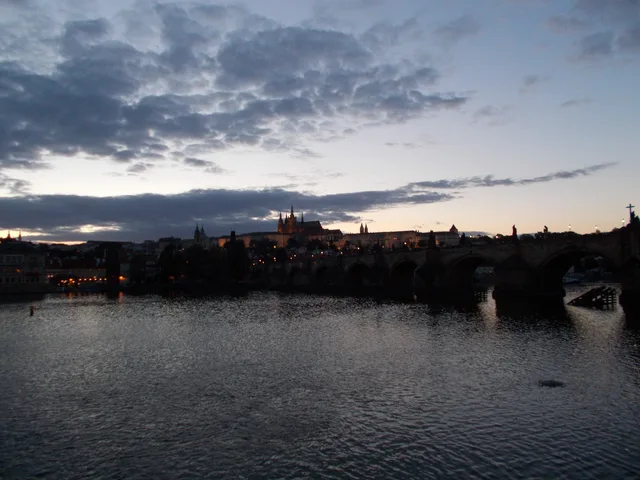 ≈ 15 dəq məsafədəKarl körpüsü
Axtardığınız yeri tapa bilmirsiniz? Axtarış sistemi istənilən dildə başa düşür. Axtarışı aç