
- Distance
- 474 km
Kazakhstan
Altai Mountains: what's nearby, how to get there and when to go · 2026
Living beside these remote ridges means planning supply runs around vast distances and adapting daily routines to an extraordinarily intact glacial climate.
Around here57
Exchange rate₸452.70as of Nov 3, 2026
What is around57
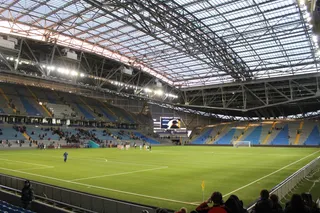 Astana Arena
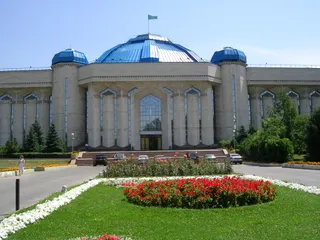 Central State Museum of Kazakhstan
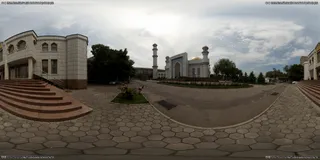 Central Mosque (Almaty)
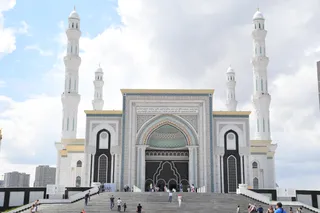 Khazret Sultan Mosque
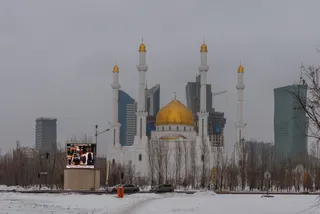 Nur-Astana Mosque
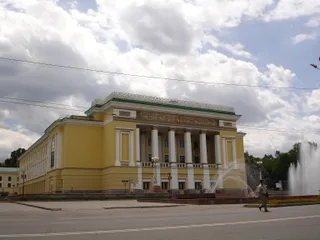 Abay Opera House
 Astana Opera
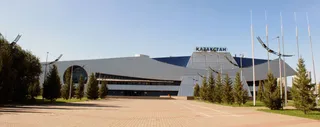 Kazakhstan Sports Palace
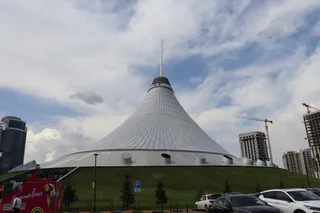 Khan Shatyr Entertainment Center
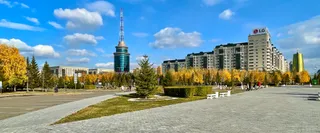 Bayterek
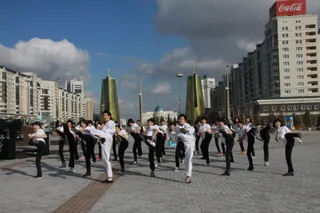 Ak Orda Presidential Palace
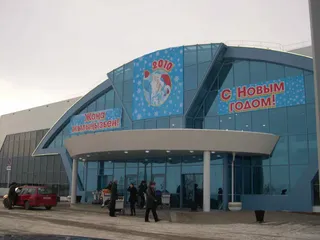 Aktobe International Airport
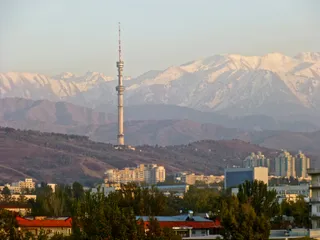 Almaty Tower
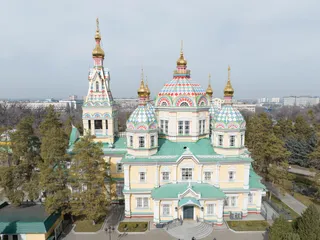 Ascension Cathedral
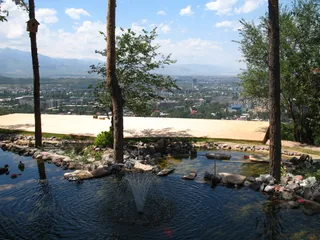 Kok Tobe
 Palace of Peace and Reconciliation
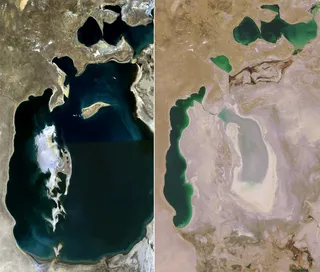 Aral Sea
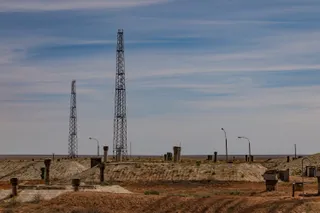 Baikonur Cosmodrome
- Karagandy Zoo
- Aktobe Central Stadium
- Taraz Airport
- Kasteev Home Museum
- Kunaev Home Museum
- Tlendiyev Memorial Museum
- Cathedral of Our Lady of Fatima, Karaganda
- Mashkhur Jusup Mosque
- Red Mosque, Oral
- Saint Michael Archangel Orthodox cathedral in Oral
- Baluan Sholak Palace of Culture and Sports
- Gany Muratbayev Stadium
- Halyk Arena
- Independence Park
- Kazhimukan Munaitpasov Stadium
- Petr Atoyan Stadium
- Shakhtyor Stadium
- Shymkent Zoo
- Vostok Stadium
- Aitbai Mosque in Kyzylorda
- House of Officers (Almaty)
- Kök Bazaar
- Golden Warrior Monument
- Statue of Abay Kunanbayev in Almaty
- Annunciation Cathedral, Pavlodar
- Arasan
- Burabay District
- Charyn Canyon
- Christ the Savior Church in Uralsk
- Church of the Theotokos of Kazan in Kyzylorda
- Karakhan Mausoleum
- Miners' Palace of Culture
- Orthodox cathedral in Karaganda
- PTZ tractors
- Raiymbek Batyr Mausoleum
- Saint Andrew Orthodox cathedral in Oskemen
- Taraz Central Stadium
- Tekturmas Mausoleum
- Zenkovy house
About the place
The Altai Mountains form a massive continental barrier where four countries meet, retaining ancient wildlife ecosystems and early human history.
The range occupies a pivotal junction where Kazakhstan, Russia, China, and Mongolia meet, feeding the headwaters of the Ob and Irtysh rivers. Glacial terrain transitions eastward into the Gobi Desert and descends southwest toward the Junggar Basin. The peak of Belukha crowns the massif, establishing an alpine territory of severe elevation changes.
Read on
A remarkably stable local climate has persisted here since the last ice age, preserving mammal populations that disappeared elsewhere across Eurasia. Ancient caves across the mountain valleys sheltered populations of Denisovans, Neanderthals, and modern humans alongside early domesticated canines, leaving deep archaeological deposits preserved by cold temperatures.
Associations
- Belukha
- Denisova Cave
- Early skiing
- Isolation
Facts
- The mountain range contains the headwaters of the Ob and Irtysh rivers where Kazakhstan, Russia, China, and Mongolia intersect.
- Denisova Cave preserves evidence showing that Neanderthals, Denisovans, and Homo sapiens all inhabited the same area.
- Ancient rock art in the mountains depicts hunters traveling on skis in pursuit of quarry.
- The range served as an environmental refuge that sheltered mammalian fauna continuously since the last glacial epoch.
Getting there and staying
2 sources · As of November 4, 2026
Source: TravelHub · OurAirports (public domain)
Google reviews
What visitors say on Google Maps
Rating and recent reviews from Google Maps load on request.
Similar nearby
- Distance
- 475 km
- Distance
- 923 km
Cities of Kazakhstan
Places in Altai Mountains
Can’t find the place you need? Search understands any language. Open search