
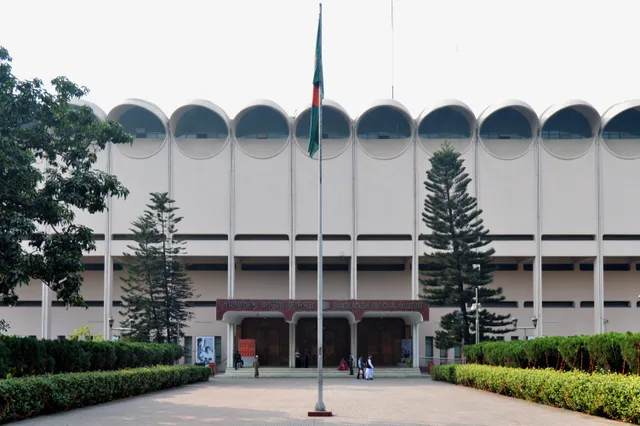
 DhakaBangladesh National Museum
Navigate
Bangladesh: Travel guide, visas and free housing · 2026
Commuters rely on local drivers or pre-negotiated auto-rickshaws to navigate constant urban gridlock where traffic signals yield to manual police direction.
Now in the cityBangladesh
EntryPick a passport
Places on the map101Exchange rate৳124.39as of Nov 2, 2026
Language on siteBengaliHighlights of the country
DhakaBangladesh National Museum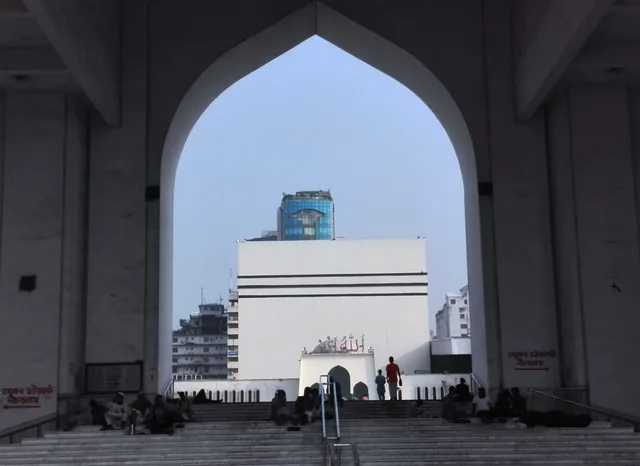 DhakaBaitul Mukarram National Mosque
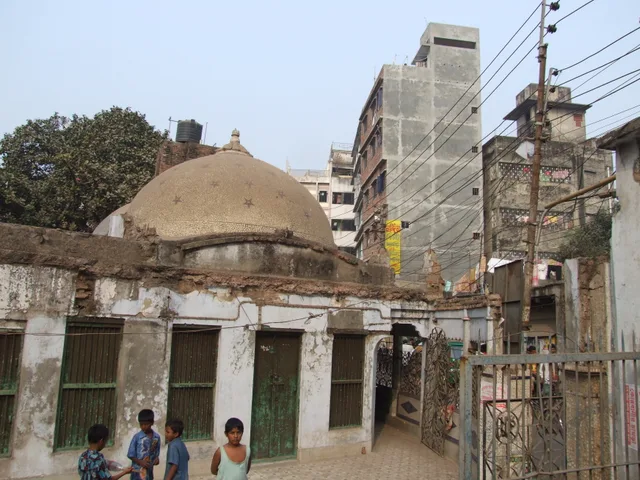 DhakaBinat Bibi Mosque
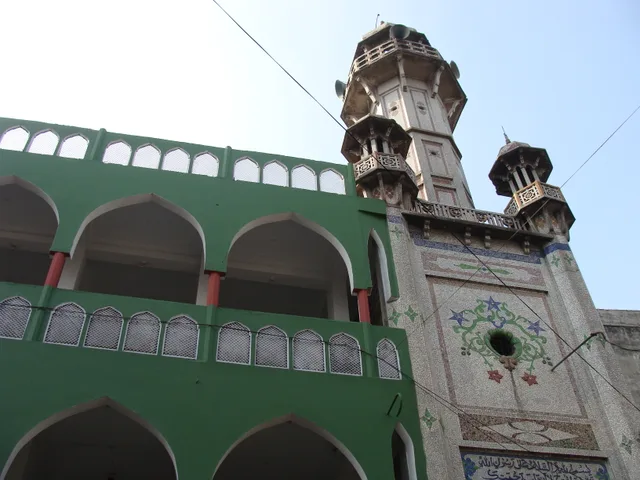 DhakaChawkbazar Shahi Mosque
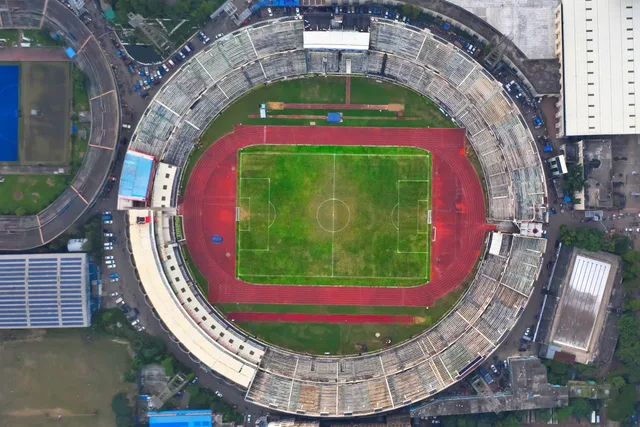 DhakaNational Stadium, Dhaka
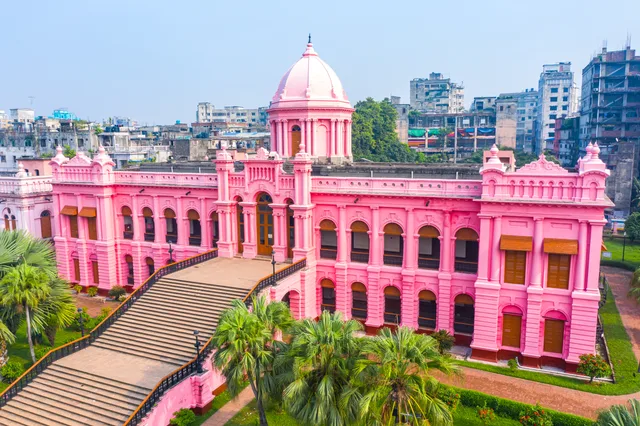 DhakaAhsan Manzil
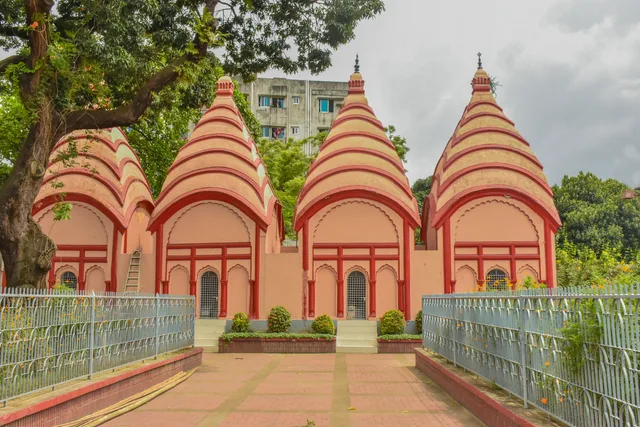 DhakaDhakeshwari Temple
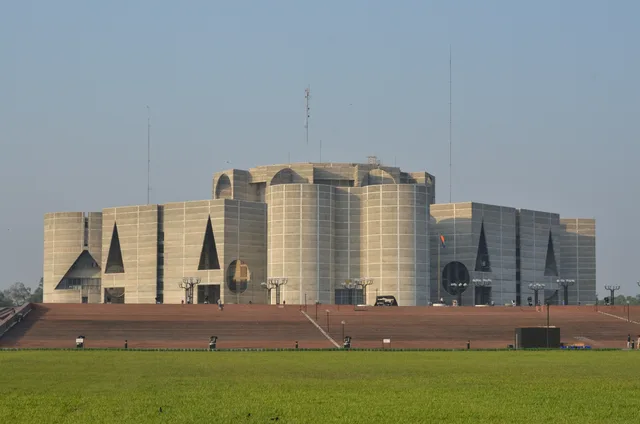 DhakaJatiya Sangsad Bhaban
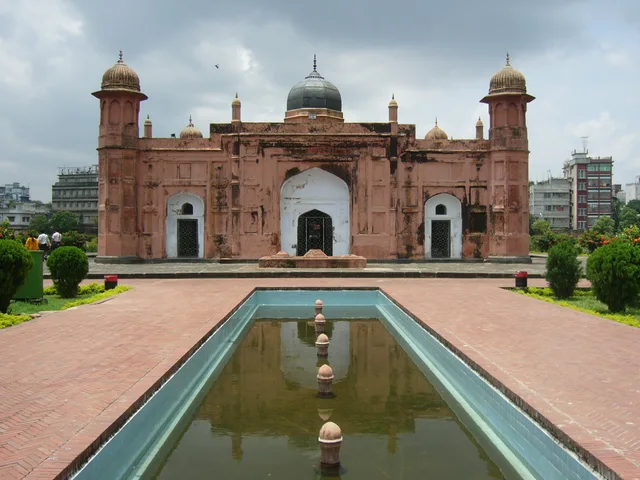 DhakaLalbagh Fort
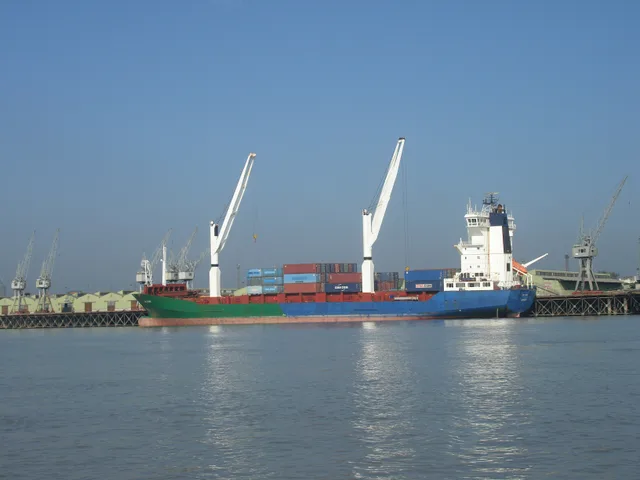 ChattogramPort of Chittagong
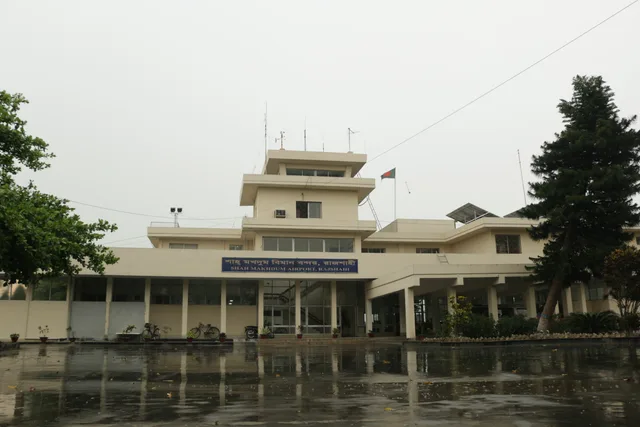 RajshahiShah Makhdum Airport
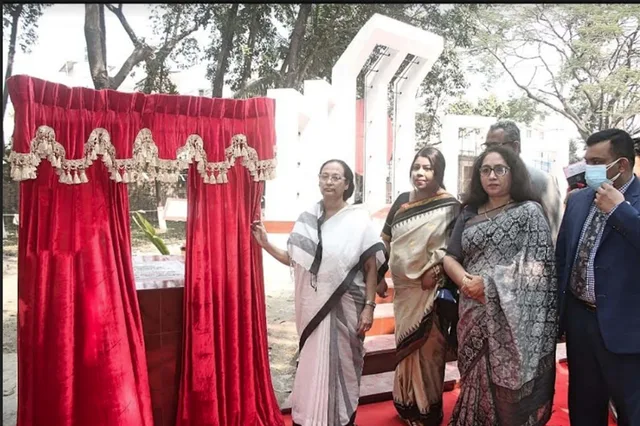 DhakaShaheed Minar
- Corporate offices, embassies, and major business centres
- English
- International hotels and airport terminals
- English and Bengali
- Rickshaws, auto-rickshaws, and municipal buses
- Bengali
«কত দাম?» — Use when asking for the cost of goods in retail shops and open markets.
About the place
Dense riverine deltas and intense urban centers define daily life across the territory.
Textile manufacturing drives the national export economy alongside large outputs of tea, rice, and farmed fish. The capital city acts as the primary political and financial engine, while the major southern seaport handles maritime freight. Rapid industrial growth coexists with expansive off-grid solar initiatives that supply clean electricity across rural river deltas.
Read on
Navigating metropolitan hubs requires adapting to severe road congestion, where standard traffic signals are frequently overridden by manual enforcement. Expats and long-term professionals typically hire private local drivers or rely on compressed natural gas auto-rickshaws, negotiating fares directly before departure because drivers rarely use meters or speak foreign languages.
Culinary routines revolve around freshwater river fish like bony Hilsa paired with light lentil broth and steamed rice. Social life centers on neighbourhood tea stalls and coffee gatherings where informal conversation flourishes daily. While major hotels and private clubs maintain licensed bars, public consumption of alcohol remains restricted throughout the country.
Associations
- Ready-Made Garments
- Hilsa Fish
- CNG Auto-Rickshaws
- Traffic Gridlock
- Adda Gatherings
Facts
- Dhaka serves as the national capital and political center, while Chittagong operates the busiest maritime commercial seaport.
- Ready-made garment manufacturing forms the overwhelming majority of national export earnings.
- The national fish is the freshwater Hilsa, commonly served with steamed rice and lentil broth.
- Commercial alcohol distribution is strictly regulated and primarily restricted to licensed international hotels and clubs.
Source: Wikipedia · Wikivoyage
Bangladesh in pictures24 photos
Visa and practicalities
Choose a passport
Set your passport — processing time, fee and documents differ between passports.
Good to know
- Smoking in public places is prohibited and penalized with fines.
- Pork is banned from general sale and consumption, remaining restricted to specific non-Muslim communities.
- Alcohol sales are restricted and concentrated in international clubs, luxury hotels, and select tourist areas.
Frequently asked
What are the visa requirements for traveling to Bangladesh?
Most foreign travelers require an advance entry visa or an authorized entry permit depending on nationality. Consult the visa section and the nearest Bangladeshi diplomatic mission for official application rules and required paperwork. Business visitors and tourists must verify distinct documentation and invitation standards before traveling.
Source: WikivoyageHow should visitors travel between major cities in Bangladesh?
Long-distance air-conditioned buses connect major urban hubs and regional centers. Domestic airlines operate regular flights between divisional capitals. Hiring a car with an experienced local driver is an alternative option for intercity transit.
Source: WikivoyageWhat local transport is available for short trips inside cities?
Cycle rickshaws and motorized auto-rickshaws provide transport across urban neighborhoods. Passengers must negotiate and agree on the fare prior to departure. Local city buses run along main transit corridors but are frequently overcrowded.
Source: WikivoyageWhat dishes define traditional Bangladeshi food?
Daily meals center on rice served with lentil broth, vegetable curries, and meats like mutton or chicken. Freshwater fish, particularly Hilsa, is a central staple of the regional diet. Common street food includes savory items like phuchka alongside milk-based confectionery.
Source: WikivoyageIs alcohol widely available for purchase in Bangladesh?
Alcohol sales are restricted across the country under local regulations. Authorized bars and international hotel lounges in major cities serve alcoholic beverages. Tea and fresh fruit juices are the primary everyday drinks found across commercial areas.
Source: WikivoyageWhat safety precautions should travelers take regarding traffic and transit?
Heavy traffic congestion and aggressive driving make self-driving unfeasible for visitors. Vehicles rarely yield right of way to pedestrians at street crossings. Passengers should secure personal valuables against pickpocketing when traveling in open rickshaws or crowded areas.
Source: Wikivoyage · Wikivoyage2 sources
Source: Wikivoyage · Wikivoyage
Safety and health
Safety · official adviceour data as of Nov 3, 2026
Same-sex sexual activity is illegal under national law and carries prison sentences.
Cycle rickshaws and auto-rickshaws are barred from operating on major highways and main roads.
Source: UK FCDO Foreign Travel Advice · US Department of State Travel Advisory · Wikivoyage · Wikivoyage
Language and culture
Five phrases for the first day and where you can’t do without the language
English is widely understood in corporate offices, luxury hotels, upscale dining establishments, and international transit terminals. Drivers of rickshaws and auto-rickshaws, conductors on local buses, and vendors in open markets generally speak only Bengali.
Five phrases for the first day
- কত দাম?Koto dam?
- ভাড়া কত?Bhara koto?
- একটু কম রাখা যাবে?Ektu kom rakha jabe?
- এখানে থামুন।Ekhane thamun.
- এই জায়গায় যাব।Ei jaygay jabo.
3 more phrases
- সাহায্য করবেন?Sahajjo korben?
- বিলটা দিন।Bilta din.
- ধন্যবাদ।Dhonnobad.
Where you will need the language
| Situation | Language |
|---|---|
| Corporate offices, embassies, and major business centres | English |
| International hotels and airport terminals | English and Bengali |
| Rickshaws, auto-rickshaws, and municipal buses | Bengali |
| Neighborhood markets, street food stalls, and local retail shops | Bengali |
People who have been here

Have you ever gone shopping with your boss? Well, I have... My luggage is still missing, and I have to start work tomorrow. In search of a uniform, we headed to Ross, a chain of relatively inexpensive clothing stores. It's not a thrift store, no, although that's popular in America too... it's just a store where you can find even branded items very cheaply or with a good discount. What I like most: people in the USA have a choice! There is all kinds of clothing, plenty of expensive stuff too, BUT if you want to dress cheaply, you HAVE that opportunity. And they have popular sales, and these aren't those ridiculous discounts like we have (5-10%)! On sale, you can buy a good, high-quality item 5-10 times cheaper than it cost before. That's why even simple workers there can afford to buy real Nike sneakers. It's a shame for my homeland... Everything is very cheap. Out of curiosity, we look at the labels - made in: Bangladesh, Vietnam, Cambodia... Everyone works for America. And what's also cool is that there are ANY sizes! Jeans are made for any, excuse me, backside... and all the tops are made as if for pregnant women: loose and with a waist under the bust - so that Americans have somewhere to put their "wealth"... But, by the way, the fact that ALL Americans are fat is not true. But if they are fat, they are 100% (or even 150kg =))! And the scariest thing is that even their children suffer from obesity! Many times we have witnessed some 8-year-old elephant-girl (from the back, by the way, you might think it's a 35-year-old woman) splashing in the ocean, and next to her are the same elephant-mom, elephant-dad, and elephant-grandma... it's awful... But let's return to our story, the prices are great: jeans - $15, dress - $7, sneakers - $13, for $100 you can update your entire wardrobe! In short, in our case, it went like this: for the uniform, we needed jeans and sneakers. And so we were running around looking for suitable ones, and then showing them to Reina (our boss)... to get approval... well... it's not exactly pleasant, I must say... And finally, I'll tell you about such an important thing as a belt. When we were already at the checkout, Reina was very surprised that we didn't buy belts, she looked at us so strangely... Well, big deal, a belt is a belt (the boss is always right =)), so we went and bought them... imagine our surprise when we were told later that girls without belts in the USA are, well, of a different orientation... and here we are, Nadya and I, arriving, TWO OF US and WITHOUT BELTS! What did people think?))))

Cities of Bangladesh
Places in Bangladesh
Can’t find the place you need? Search understands any language. Open search