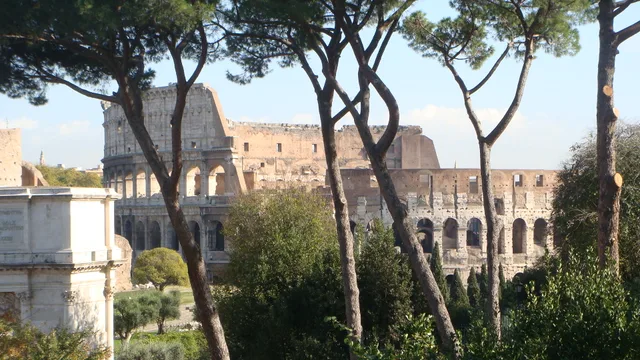
 à ≈ 15 minColisée
- Distance
- 1,1 km
 TravelHub
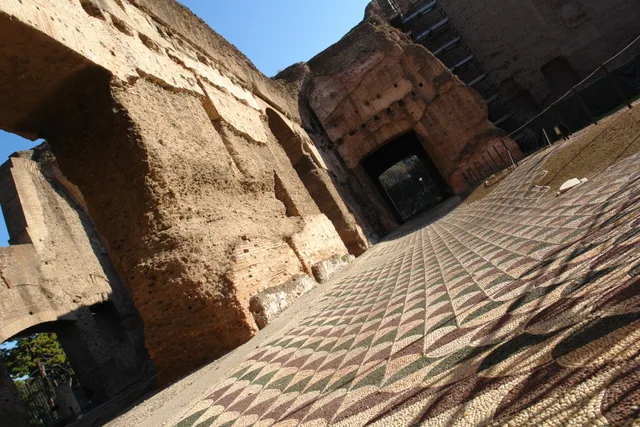
Residents living near the bath grounds trade immediate subway links for quiet green avenues and open archaeological space.
 Colisée
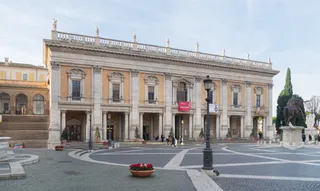 musées du Capitole
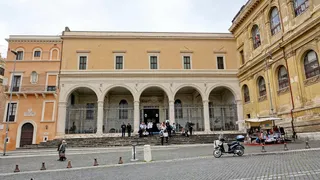 basilique Saint-Pierre-aux-Liens
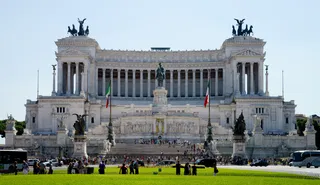 monument à Victor-Emmanuel II
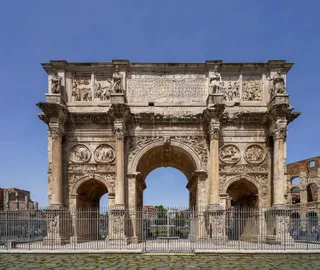 arc de Constantin
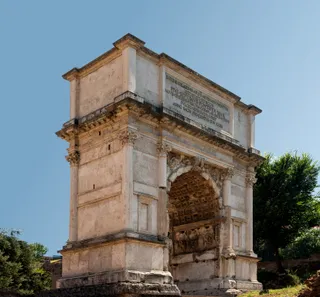 arc de Titus
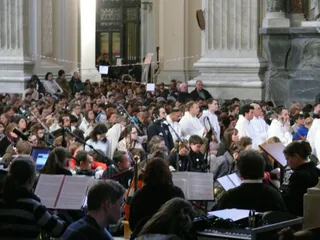 basilique Saint-Jean-de-Latran
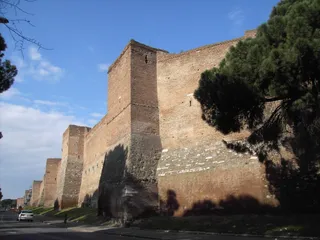 mur d'Aurélien
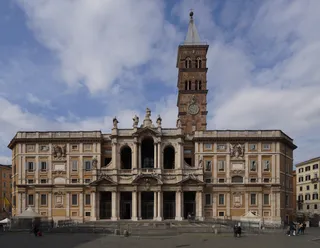 basilique Sainte-Marie-Majeure de Rome
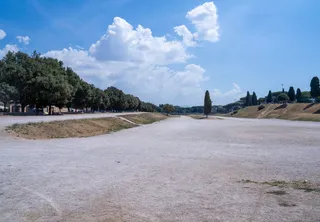 Circus Maximus
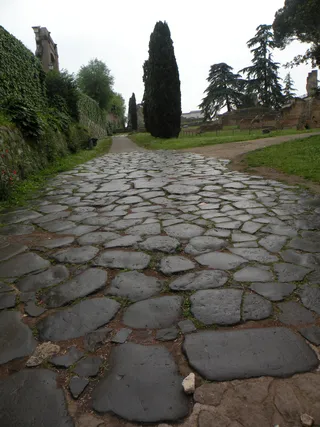 mont Palatin
 temple de Vesta
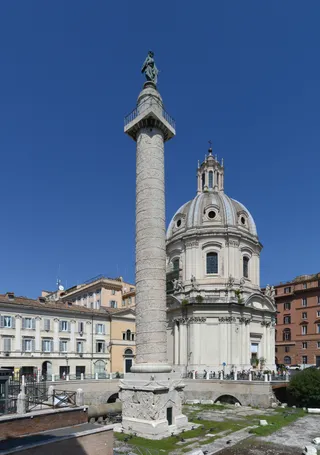 colonne Trajane
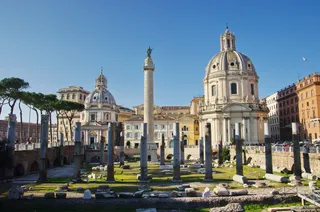 Forum de Trajan
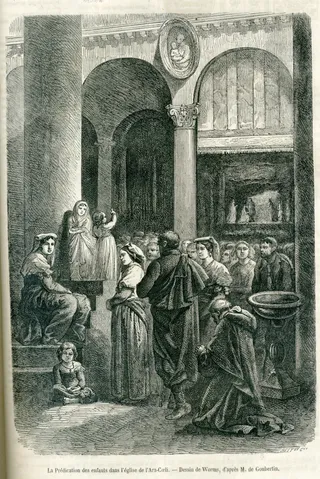 basilique Santa Maria in Aracoeli
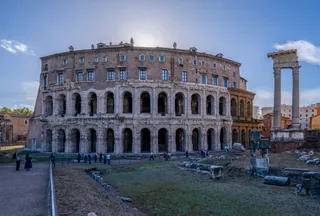 théâtre de Marcellus
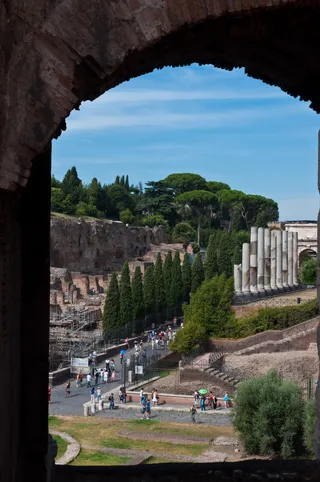 voie Sacrée
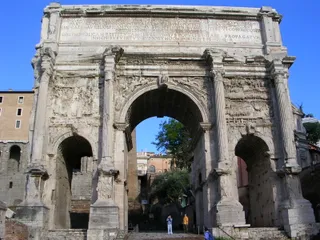 arc de Septime Sévère
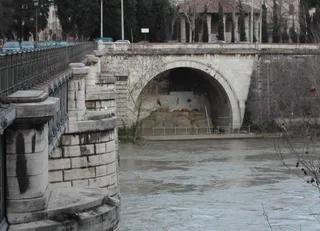 Cloaca Maxima
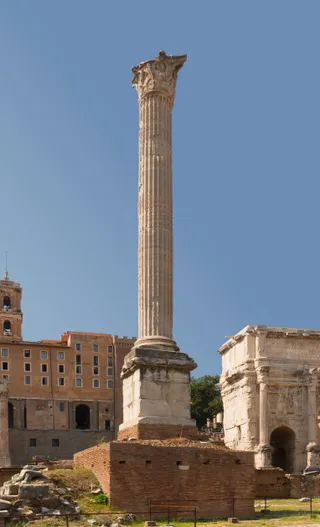 colonne de Phocas
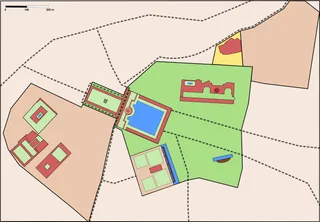 Domus aurea
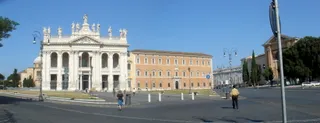 palais de Latran
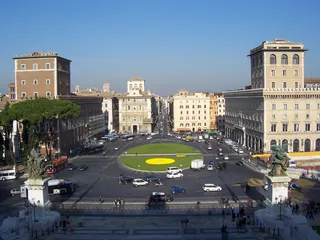 piazza Venezia
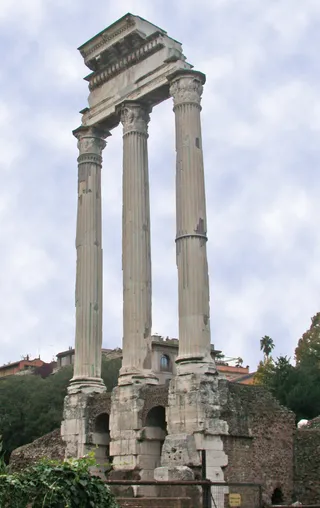 temple des Dioscures
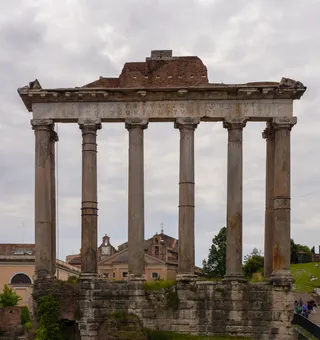 temple de Saturne
Imperial builders erected the monumental public bathing complex over the demolished private gardens of Gaius Asinius Pollio. Subterranean workers fed extensive hypocaust furnaces with coal and timber to heat water channelled through dedicated aqueducts. The facility provided bathing and social gathering without entrance fees, while an older excavated residence beneath the foundations retained decorative wall frescoes and a lararium.
During the Gothic War, Ostrogoth forces under King Vitiges severed the municipal aqueducts, cutting off the water supply and ending public bath operations. The surrounding district emptied, leaving the structures to shelter pilgrim burials associated with the nearby xenodochium. A major earthquake subsequently collapsed surviving masonry, transforming the complex into an open stone quarry for urban basilicas and papal palaces.
Long-term residents encounter an archaeological perimeter stripped of its classical marble veneer, as papal licenses permitted builders to extract travertine and decorative columns for regional basilicas. Medieval vineyards later covered the sunken brick enclosures before modern excavation opened the site. Massive surviving vault arches now define the surrounding streetscape without transit crowds.
Ce que les visiteurs écrivent sur Google Maps
La note et les avis récents de Google Maps se chargent à la demande.
à ≈ 15 minColisée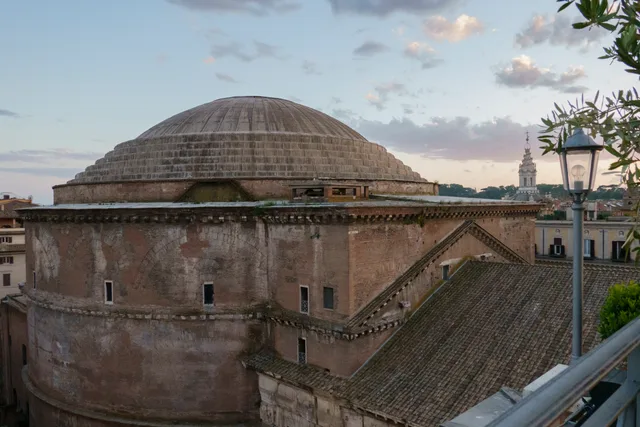 à ≈ 30 minPanthéon
 à ≈ 50 minchapelle Sixtine
Vous ne trouvez pas la destination souhaitée ? La recherche prend en charge toutes les langues. Ouvrir la recherche