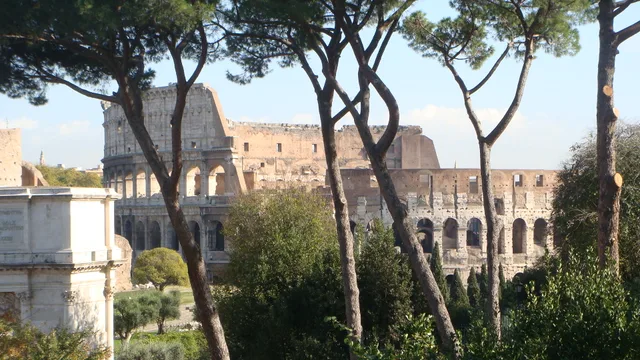
 ≈ 15 წთ გზაშიკოლოსეუმი
- მანძილი
- 1,1 კმ
 TravelHub
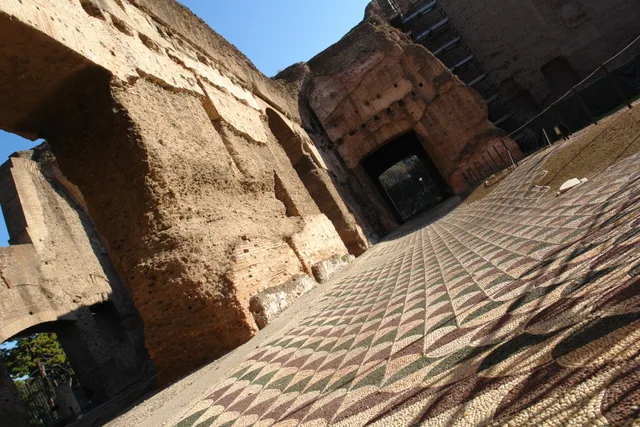
Residents living near the bath grounds trade immediate subway links for quiet green avenues and open archaeological space.
 კოლოსეუმი
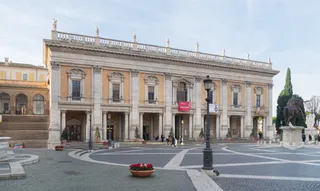 კაპიტოლიუმის მუზეუმები
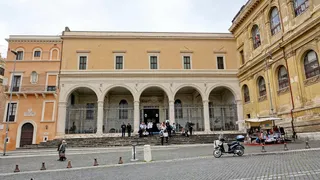 სან-პიეტრო-ინ-ვინკოლი
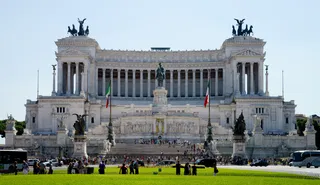 Altare della Patria
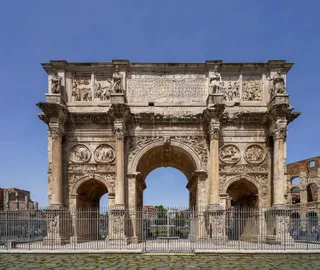 კონსტანტინეს თაღი
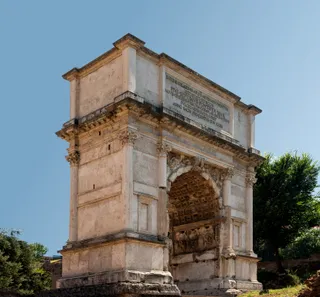 ტიტუსის თაღი
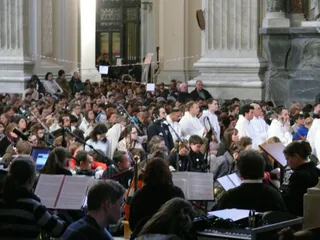 ლატერანის ბაზილიკა
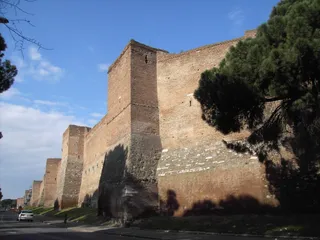 ავრელიანეს კედელი
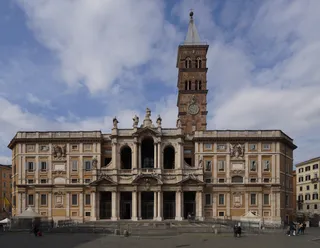 სანტა-მარია-მაჯორე
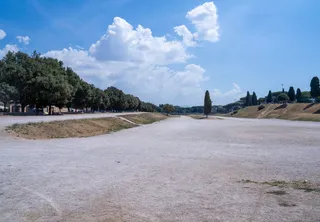 დიდი ცირკი
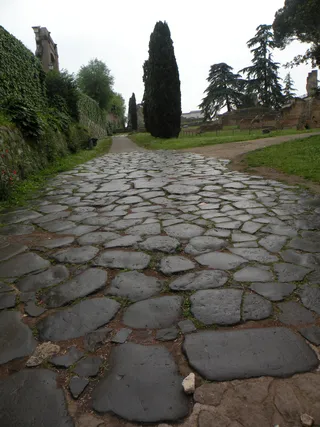 პალატინის ბორცვი
 ვესტას ტაძარი
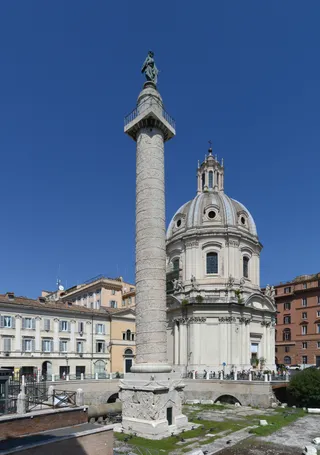 ტრაიანეს სვეტი
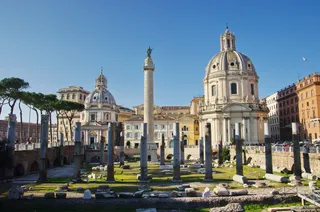 ტრაიანეს ფორუმი
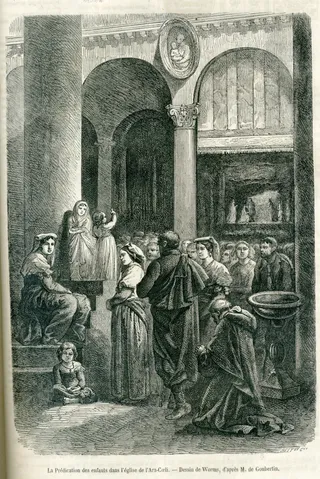 სანტა-მარია-ინ-არაჩელი
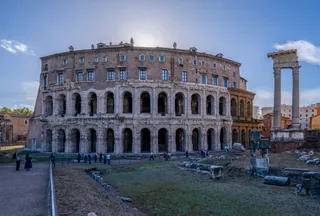 მარცელიუსის თეატრი
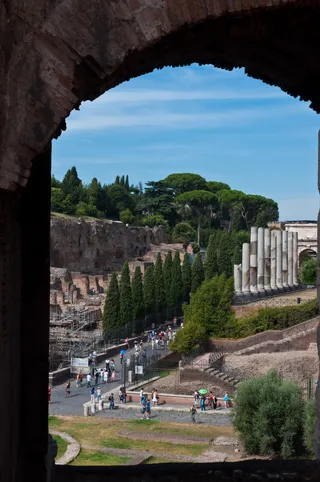 Via Sacra
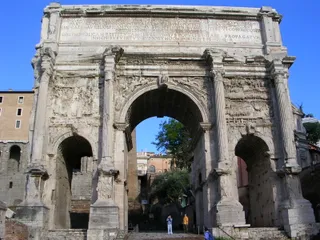 სეპტიმუს სევერუსის თაღი
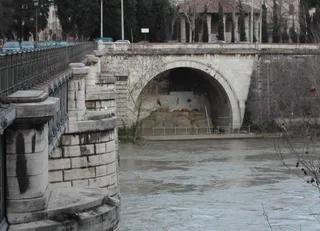 Cloaca Maxima
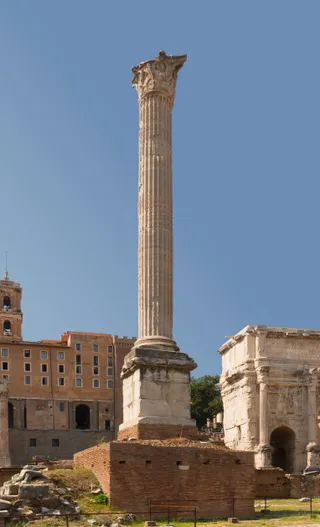 ფოკასის სვეტი
 ნერონის ოქროს სახლი
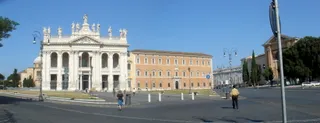 ლატერანის სასახლე
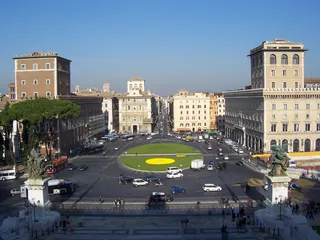 პიაცა ვენეცია
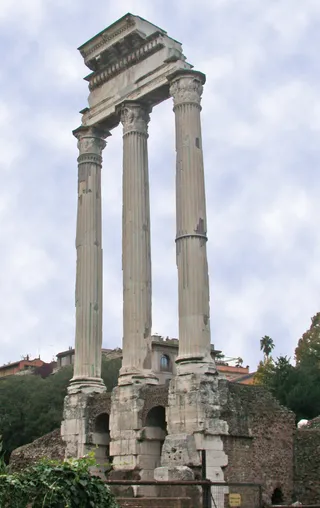 Temple of Castor and Pollux
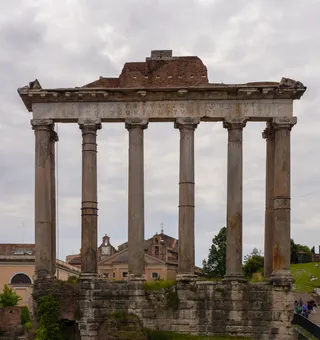 სატურნის ტაძარი
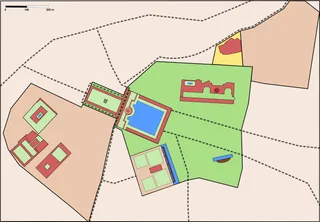
Imperial builders erected the monumental public bathing complex over the demolished private gardens of Gaius Asinius Pollio. Subterranean workers fed extensive hypocaust furnaces with coal and timber to heat water channelled through dedicated aqueducts. The facility provided bathing and social gathering without entrance fees, while an older excavated residence beneath the foundations retained decorative wall frescoes and a lararium.
During the Gothic War, Ostrogoth forces under King Vitiges severed the municipal aqueducts, cutting off the water supply and ending public bath operations. The surrounding district emptied, leaving the structures to shelter pilgrim burials associated with the nearby xenodochium. A major earthquake subsequently collapsed surviving masonry, transforming the complex into an open stone quarry for urban basilicas and papal palaces.
Long-term residents encounter an archaeological perimeter stripped of its classical marble veneer, as papal licenses permitted builders to extract travertine and decorative columns for regional basilicas. Medieval vineyards later covered the sunken brick enclosures before modern excavation opened the site. Massive surviving vault arches now define the surrounding streetscape without transit crowds.
რას წერენ ვიზიტორები Google Maps-ზე
Google Maps-ის რეიტინგი და ახალი შეფასებები მოთხოვნისას ჩაიტვირთება.
≈ 15 წთ გზაშიკოლოსეუმი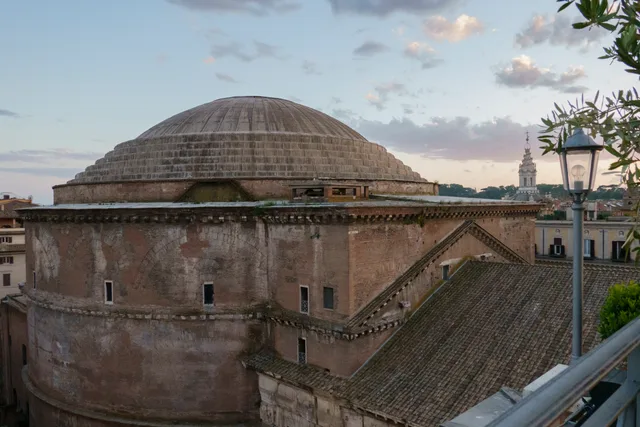 ≈ 30 წთ გზაშირომის პანთეონი
 ≈ 50 წთ გზაშისიქსტეს კაპელა
ვერ პოულობთ სასურველ ადგილს? საძიებო სისტემას ნებისმიერი ენის ესმის. ძიების გახსნა