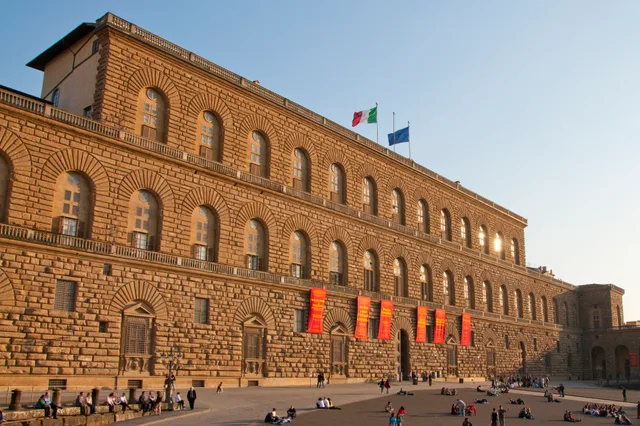
 à ≈ 5 minpalais Pitti
- Distance
- 100 m
 TravelHub
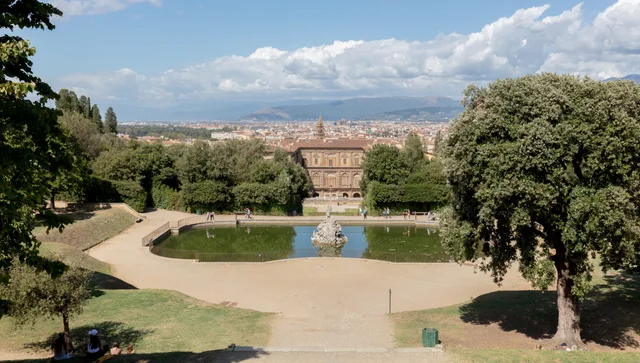
Residents living behind Pitti Palace trade ordinary neighborhood shortcuts for steep gravel paths and gated stone walls.
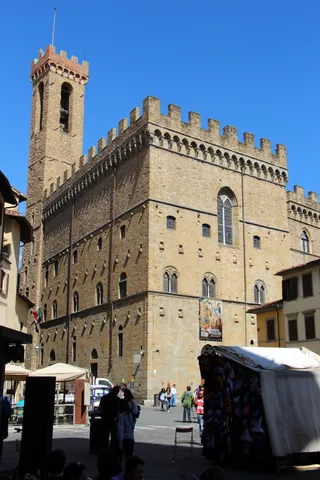 Musée national du Bargello
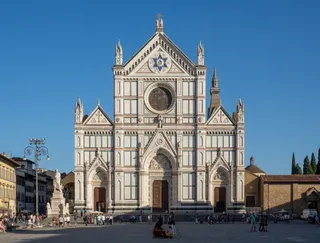 basilique Santa Croce de Florence
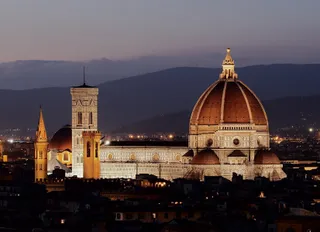 cathédrale Santa Maria del Fiore
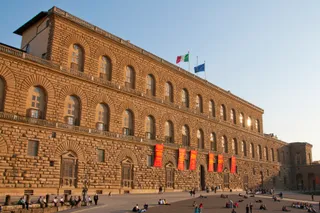 palais Pitti
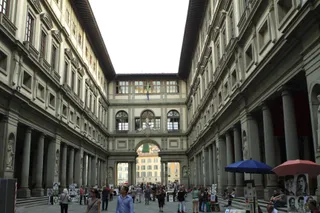 galerie des Offices
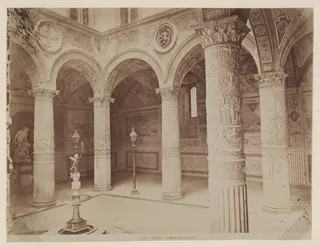 palais de la Seigneurie
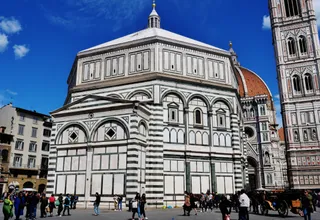 baptistère Saint-Jean
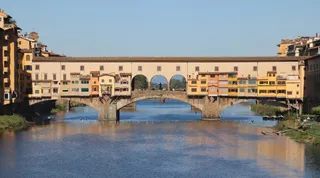 ponte Vecchio
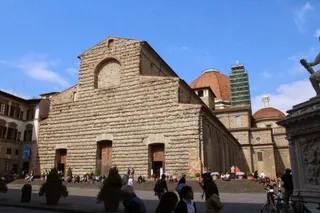 basilique San Lorenzo
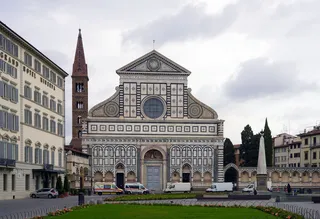 basilique Santa Maria Novella
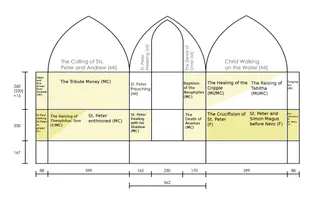 chapelle Brancacci
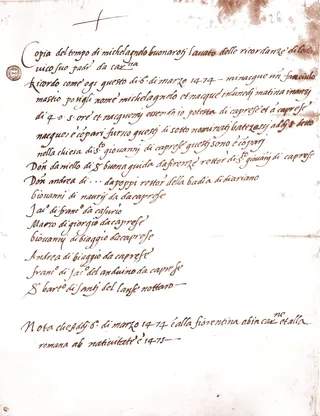 Casa Buonarroti
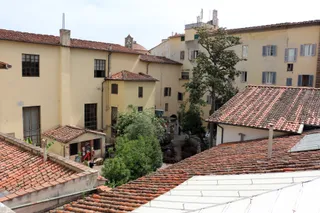 Galleria dell'Accademia de Florence de Florence
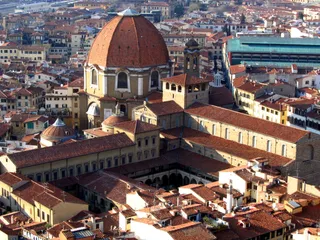 chapelles des Médicis
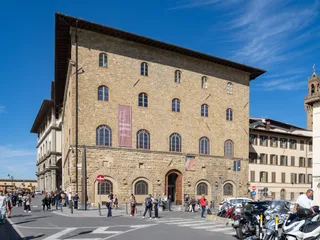 musée Galilée
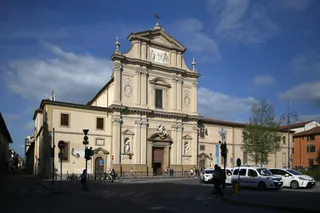 musée national San Marco
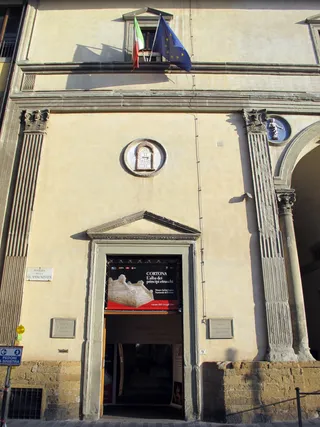 musée archéologique national de Florence
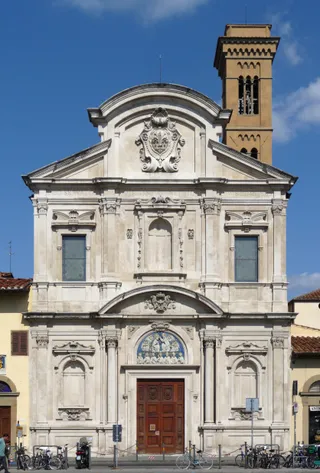 église Ognissanti
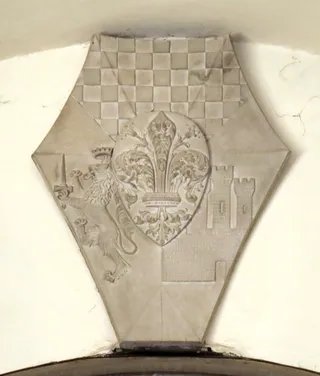 palais Medici-Riccardi
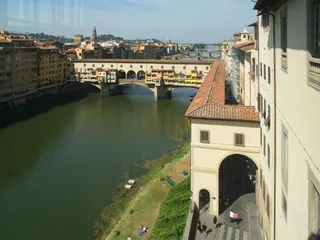 Corridor de Vasari
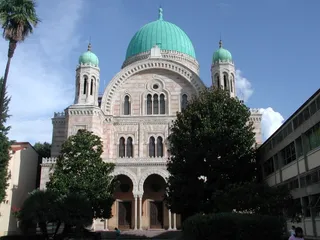 Grande Synagogue de Florence
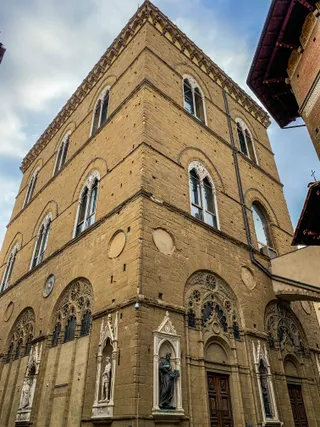 église d'Orsanmichele
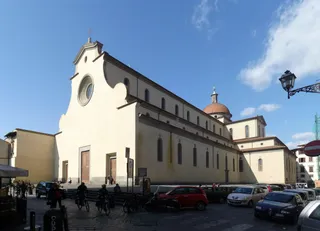 église de Santo-Spirito
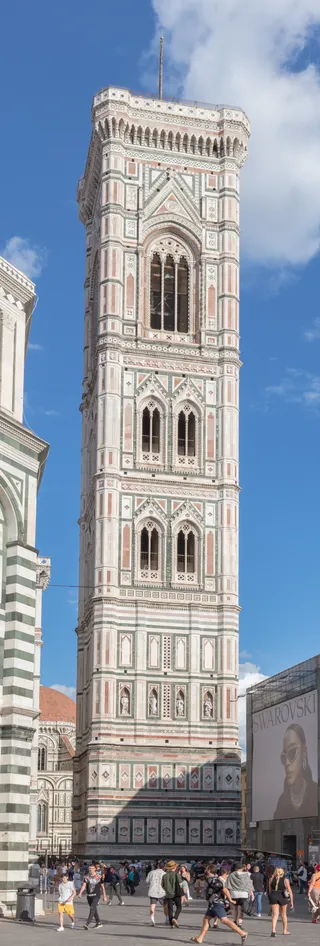 campanile de Santa Maria del Fiore
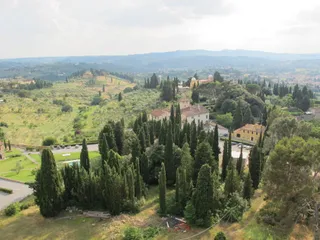 observatoire d'Arcetri
 basilique Santa Trinita
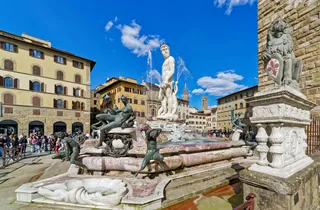 fontaine de Neptune
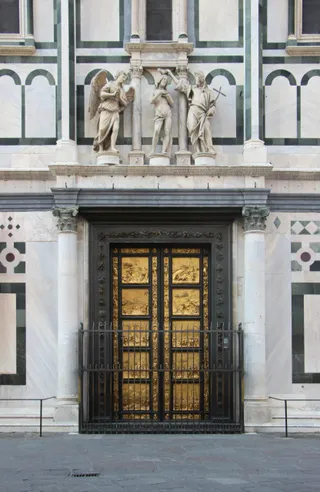 porte du Paradis
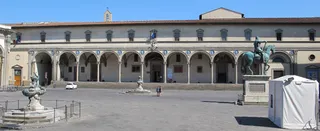 Spedale degli Innocenti
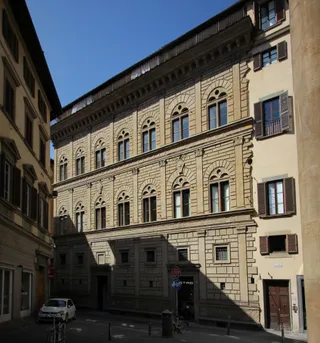 palais Rucellai
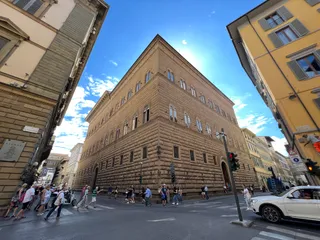 palais Strozzi
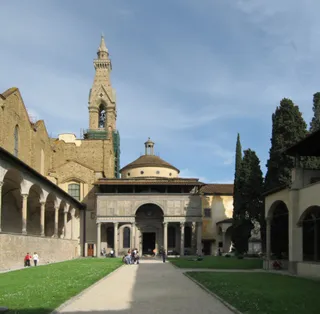 chapelle des Pazzi
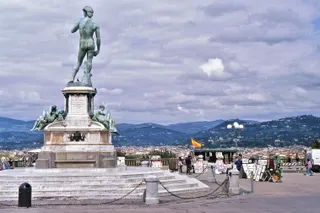 piazzale Michelangelo
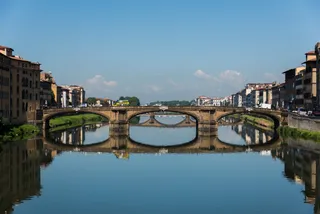 pont Santa Trinita
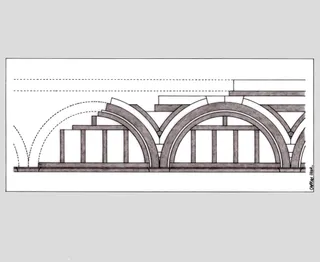 basilique San Miniato al Monte
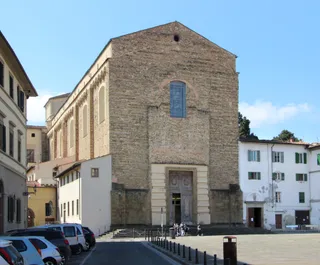 église del Carmine
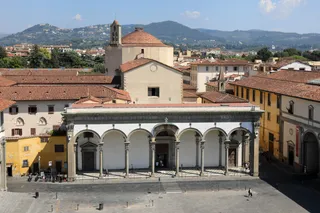 basilique de la Santissima Annunziata
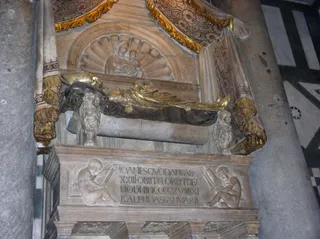 tombeau de l'antipape Jean XXIII
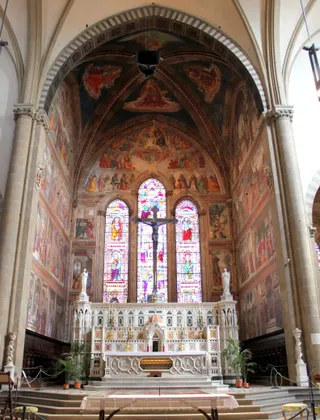 chapelle Tornabuoni
 Museo Franco Zeffirelli
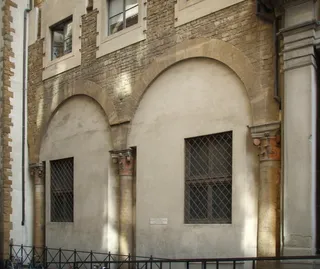 San Pier Scheraggio (Church : Florence, Italy)
 Gabinetto dei Disegni e delle Stampe degli Uffizi
 Gucci Museum
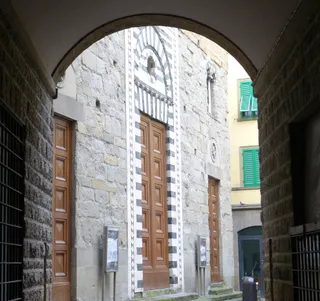 Chiesa di Santo Stefano al Ponte
 Cinema Capitol
 Palazzo Columbia-Parlamento
The grounds behind Pitti Palace were established for Eleonora di Toledo and the Medici grand dukes as a private sanctuary. Early construction barred outside visitors and prohibited public festivals, reserving the terraces solely for court use. Designers Niccolo Tribolo and Bartolomeo Ammanati broke with traditional walled enclosures by cutting wide gravel avenues and massive stone axes that opened panoramic vistas over the city.
A dedicated aqueduct channeled spring water from nearby hills to power the fountains and supply ducal residences. The central axis climbs Boboli Hill through a stone amphitheatre holding an ancient Egyptian obelisk imported from Rome. Above the amphitheatre, the path terminates at the Fountain of Neptune, while the cypress avenue intersects at a perpendicular angle to carry foot traffic down toward the Porta Romana city gate.
The park operates as an open-air sculpture museum mixing ancient Roman statuary with Mannerist architecture. Giorgio Vasari and Bernardo Buontalenti designed artificial grottoes lined with limestone stalactites and dynamic waterworks. Long-term residents discover that navigating the grounds means handling steep gravel climbs and formal stone terraces that function more like an uphill gallery than an ordinary municipal park.
Ce que les visiteurs écrivent sur Google Maps
La note et les avis récents de Google Maps se chargent à la demande.
à ≈ 5 minpalais Pitti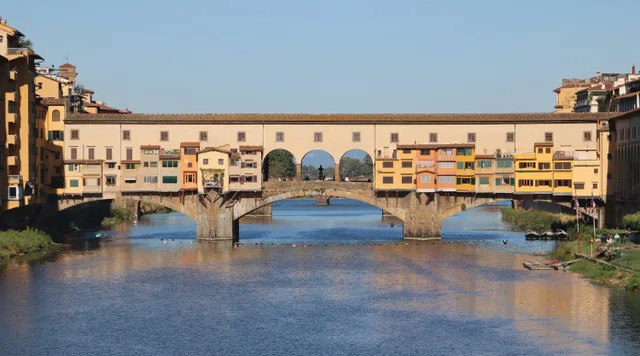 à ≈ 10 minponte Vecchio
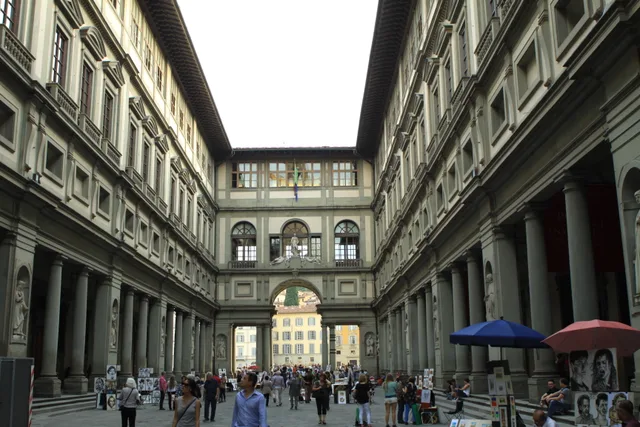 à ≈ 10 mingalerie des Offices
Vous ne trouvez pas la destination souhaitée ? La recherche prend en charge toutes les langues. Ouvrir la recherche