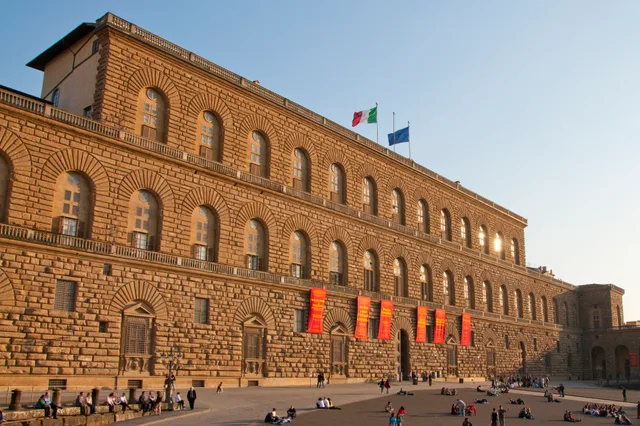
 距离 ≈ 5分钟彼提宫
- 距离
- 100米
 TravelHub
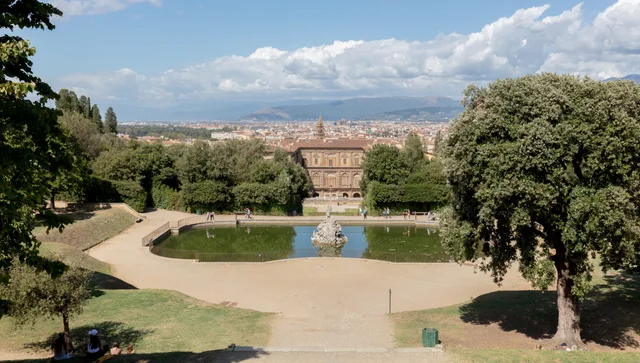
Residents living behind Pitti Palace trade ordinary neighborhood shortcuts for steep gravel paths and gated stone walls.
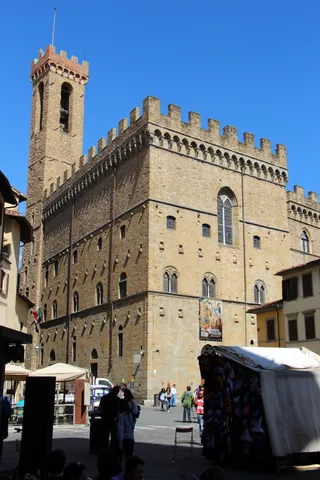 巴杰罗美术馆
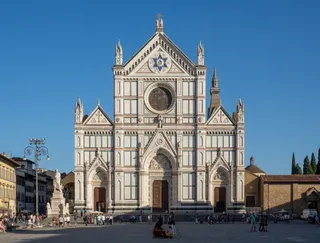 圣十字圣殿
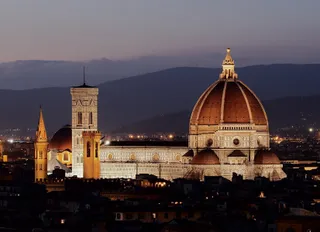 聖母百花聖殿
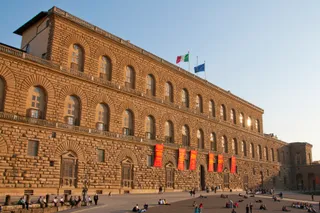 彼提宫
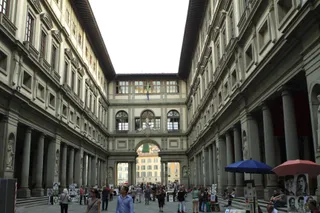 烏菲茲美術館
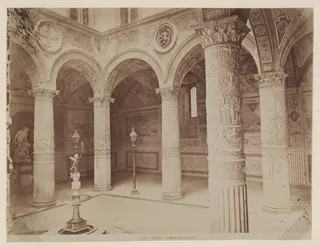 旧宫
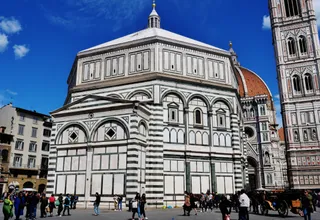 佛罗伦萨圣若望洗礼堂
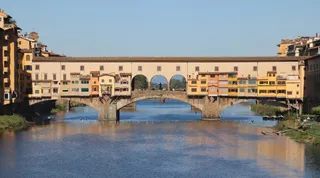 老桥
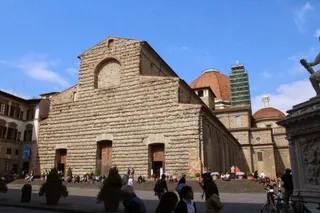 佛罗伦萨圣老楞佐大殿
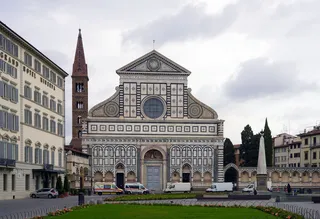 新圣母大殿
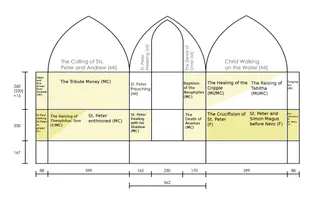 布兰卡契小堂
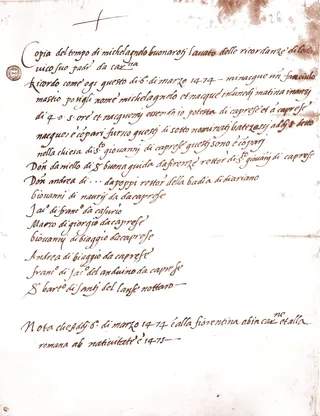 博纳罗蒂之家
 學院美術館
 美第奇小圣堂
 伽利略博物馆
 國立聖馬可美術館
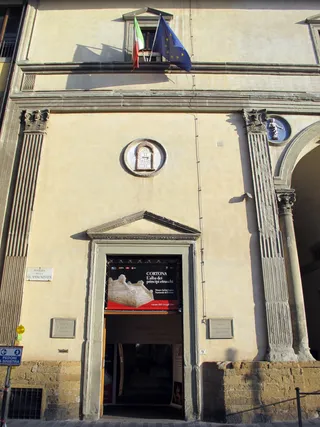 佛羅倫斯國立考古博物館
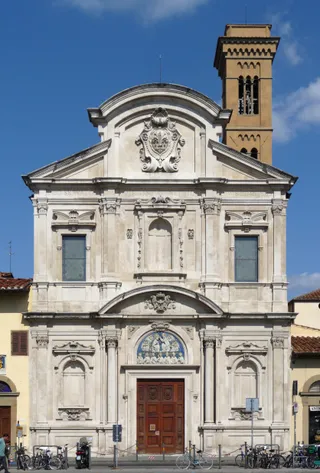 佛罗伦萨诸圣教堂
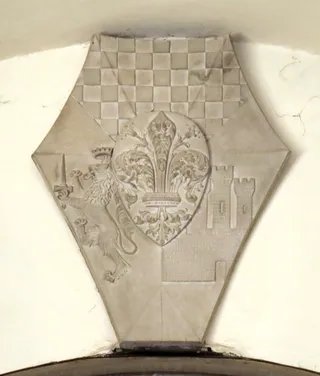 美第奇-里卡迪宫
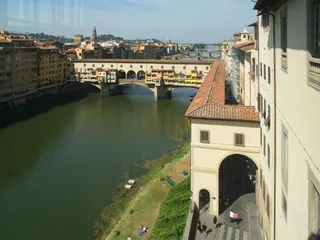 瓦萨利走廊
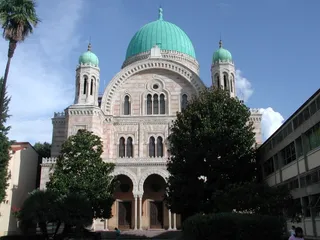 佛罗伦萨大犹太会堂
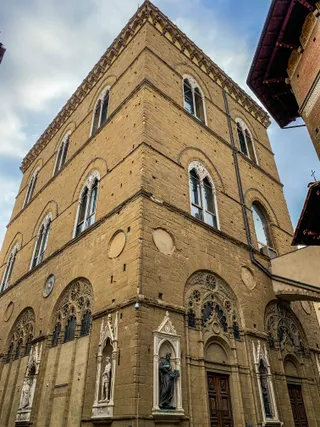 佛罗伦萨圣弥额尔教堂
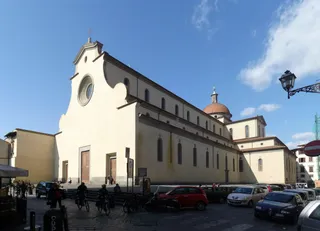 佛罗伦萨圣神大殿
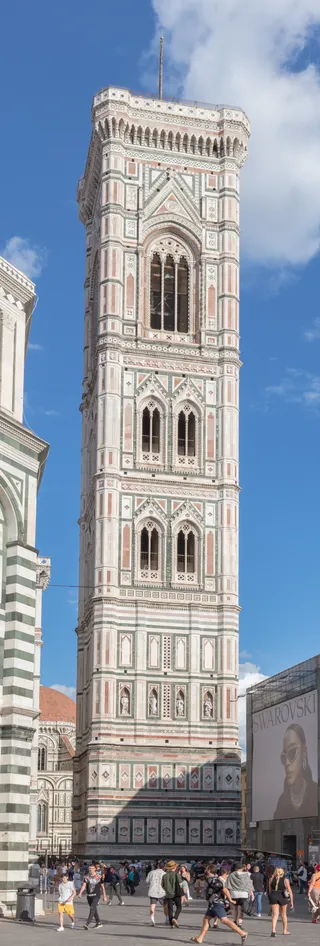 乔托钟楼
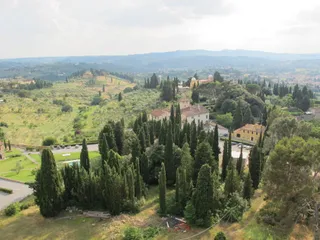 阿切特里天文台
 佛罗伦萨天主圣三大殿
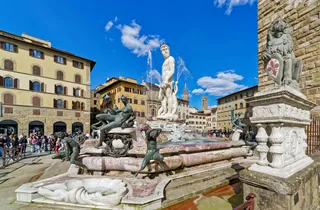 海神喷泉
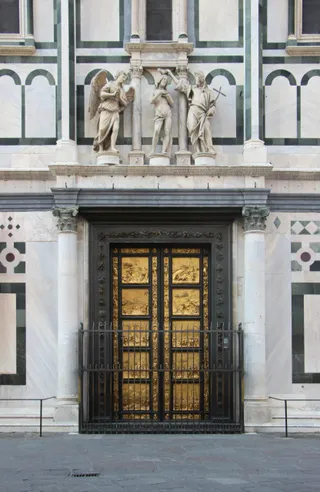 天堂之门
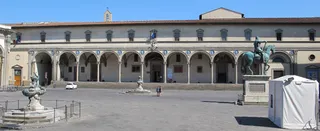 孤儿院
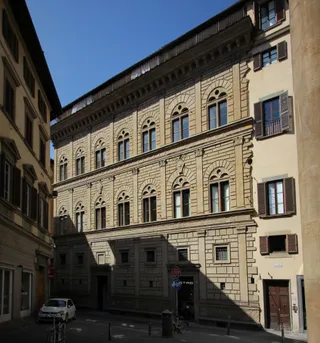 鲁切拉宫
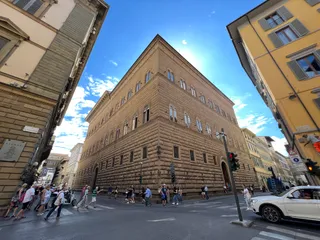 斯特罗齐宫
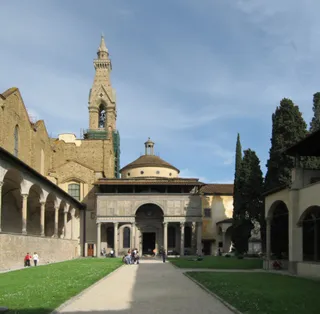 巴齐小圣堂
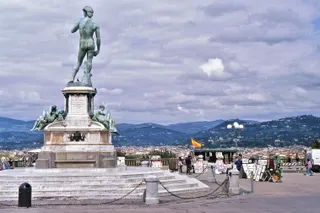 米开朗基罗广场
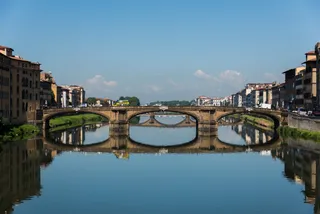 天主圣三桥
 圣米尼亚托大殿
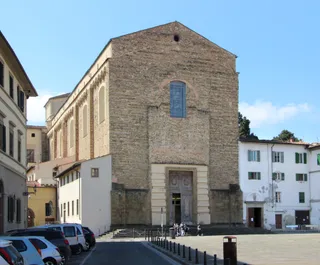 佛罗伦萨卡尔米内圣母大殿
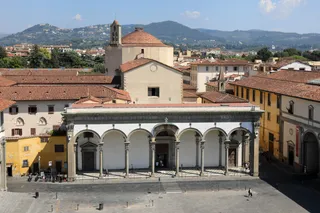 佛罗伦萨圣母领报大殿
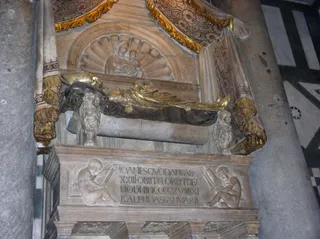 偽教宗約翰二十三世墳墓
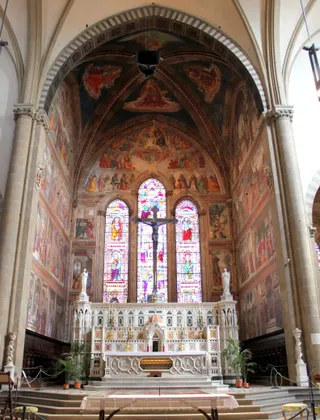 托纳波尼小圣堂
 Museo Franco Zeffirelli
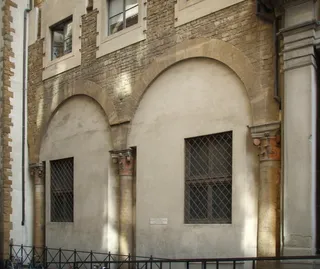 San Pier Scheraggio (Church : Florence, Italy)
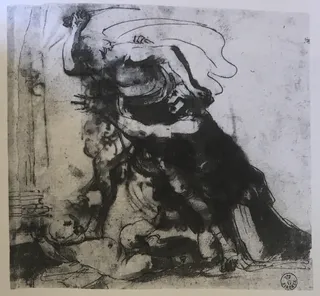 Gabinetto dei Disegni e delle Stampe degli Uffizi
 Gucci Museum
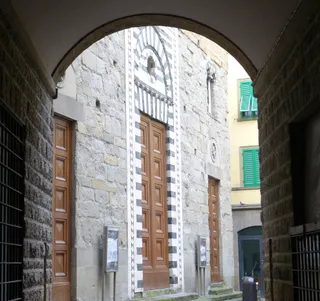 Chiesa di Santo Stefano al Ponte
 Cinema Capitol
 Palazzo Columbia-Parlamento
The grounds behind Pitti Palace were established for Eleonora di Toledo and the Medici grand dukes as a private sanctuary. Early construction barred outside visitors and prohibited public festivals, reserving the terraces solely for court use. Designers Niccolo Tribolo and Bartolomeo Ammanati broke with traditional walled enclosures by cutting wide gravel avenues and massive stone axes that opened panoramic vistas over the city.
A dedicated aqueduct channeled spring water from nearby hills to power the fountains and supply ducal residences. The central axis climbs Boboli Hill through a stone amphitheatre holding an ancient Egyptian obelisk imported from Rome. Above the amphitheatre, the path terminates at the Fountain of Neptune, while the cypress avenue intersects at a perpendicular angle to carry foot traffic down toward the Porta Romana city gate.
The park operates as an open-air sculpture museum mixing ancient Roman statuary with Mannerist architecture. Giorgio Vasari and Bernardo Buontalenti designed artificial grottoes lined with limestone stalactites and dynamic waterworks. Long-term residents discover that navigating the grounds means handling steep gravel climbs and formal stone terraces that function more like an uphill gallery than an ordinary municipal park.
访客在 Google 地图上怎么说
Google 地图的评分和最新评价将按需加载。