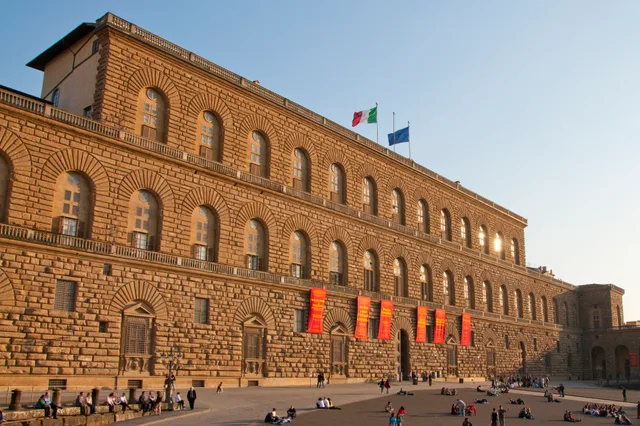
 ≈ 5 min de distânciaPalácio Pitti
- Distância
- 100 m
 TravelHub
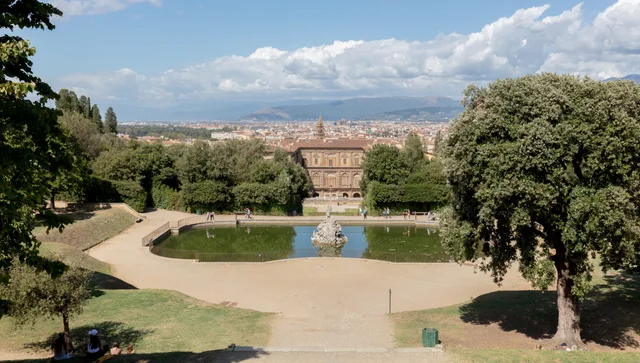
Residents living behind Pitti Palace trade ordinary neighborhood shortcuts for steep gravel paths and gated stone walls.
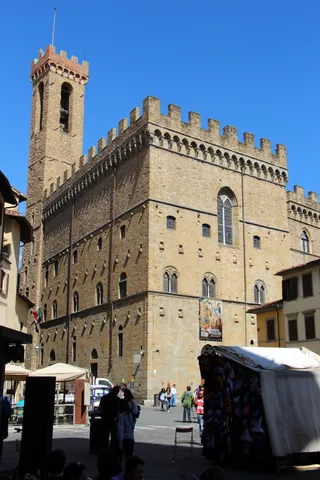 Museu Nacional do Bargello
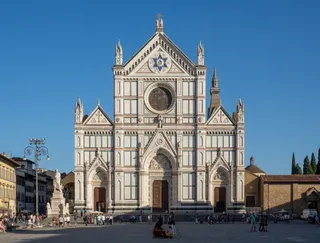 Basílica de Santa Cruz
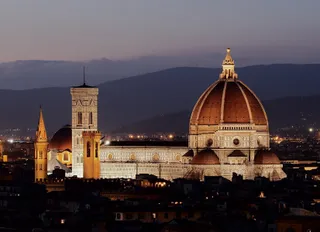 Santa Maria del Fiore
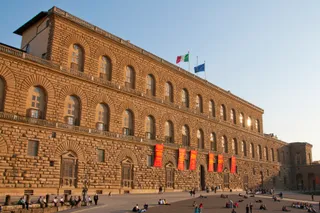 Palácio Pitti
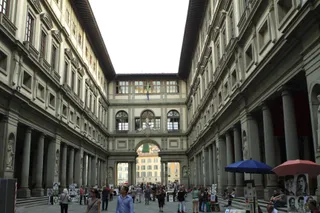 Galeria Uffizi
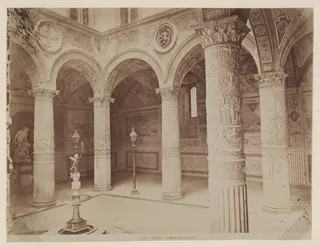 Palazzo Vecchio
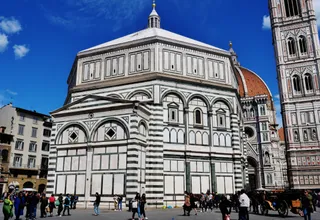 Batistério de São João
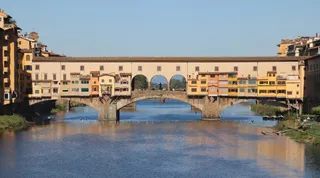 Ponte Vecchio
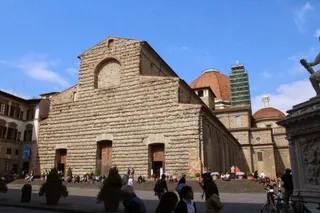 Basílica de São Lourenço
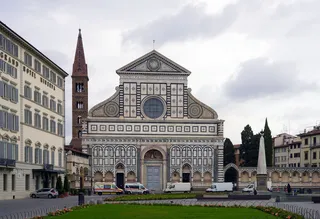 Santa Maria Novella
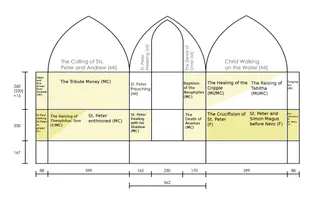 Cappela Brancacci
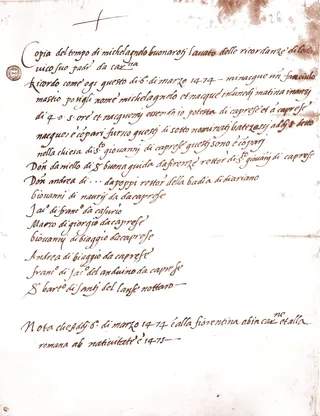 Casa Buonarroti
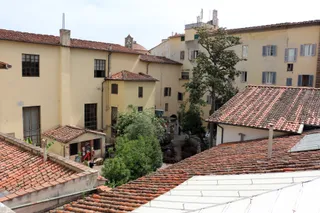 Galeria da Academia de Belas Artes de Florença
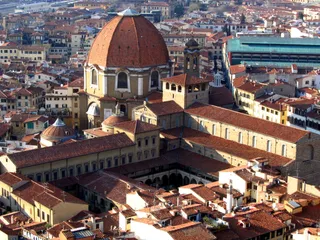 Capela dos Médici
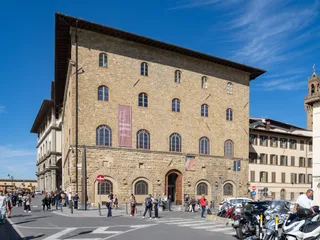 Museu Galileo
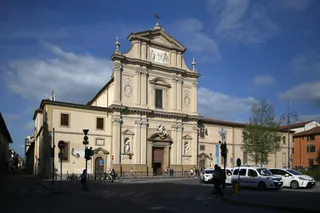 Museu Nacional de São Marcos
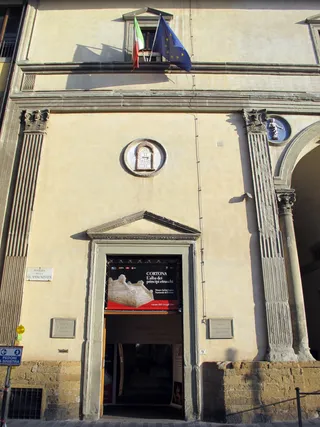 Museu Arqueológico Nacional de Florença
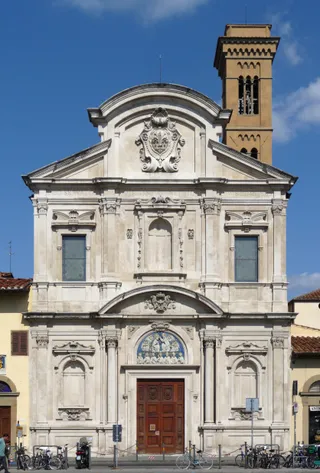 Ognissanti Church
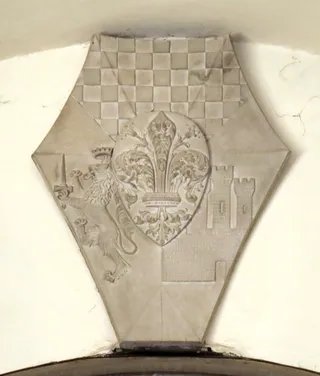 Palazzo Medici Riccardi
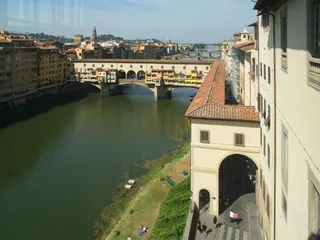 Corredor Vasari
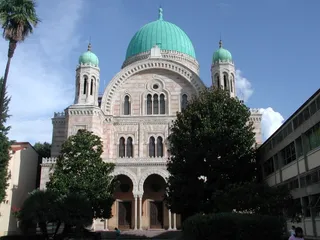 Great Synagogue of Florence
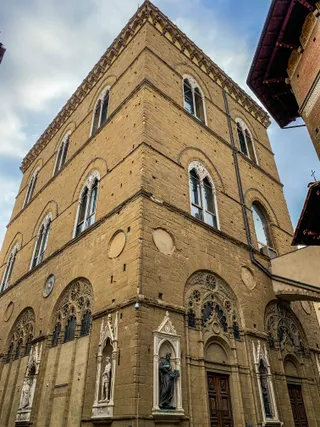 Igreja de Orsanmichele
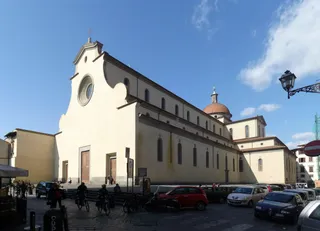 Basílica do Espírito Santo
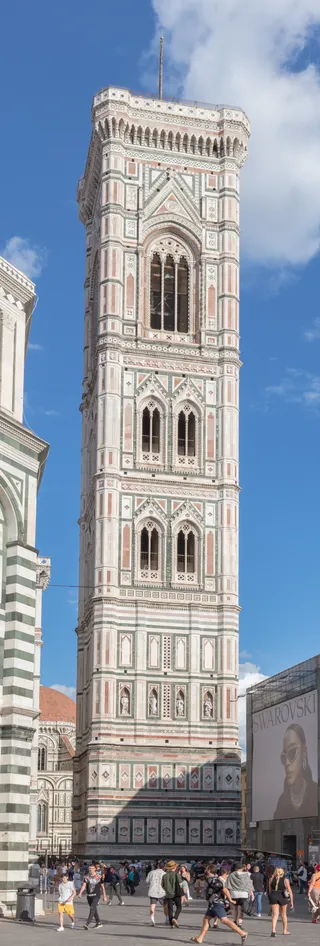 Campanário de Giotto
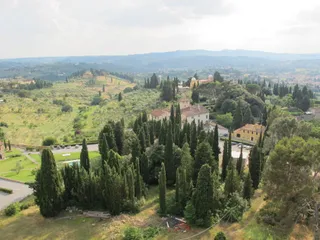 Arcetri Observatory
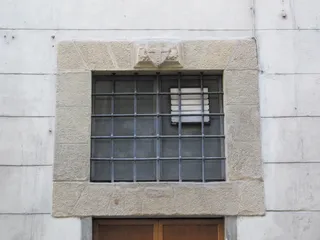 Igreja da Santa Trindade
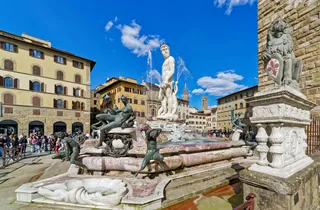 Fountain of Neptune
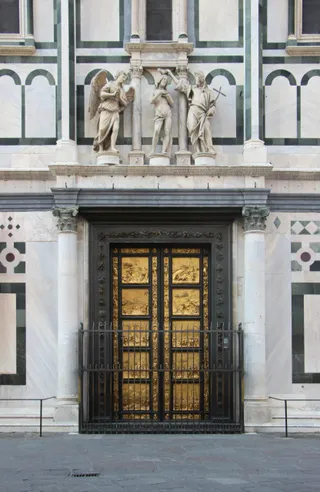 Porta do Paraíso
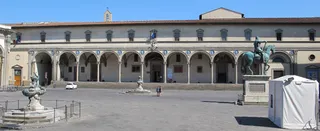 Spedale degli Innocenti
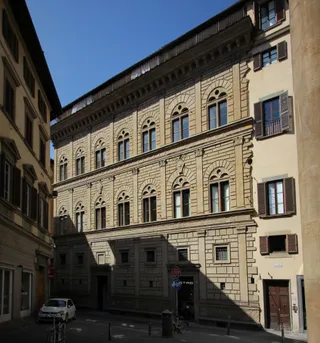 Palácio Rucellai
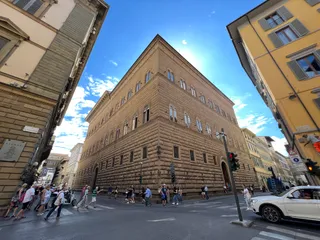 Palazzo Strozzi
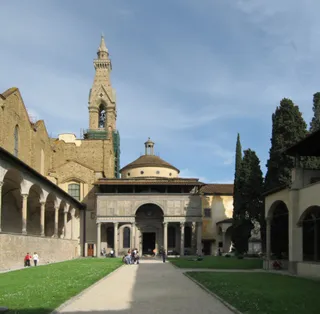 Capela Pazzi
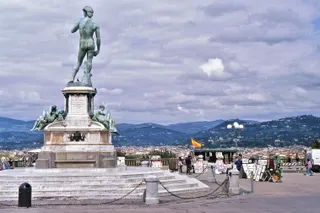 piazzale Michelangelo
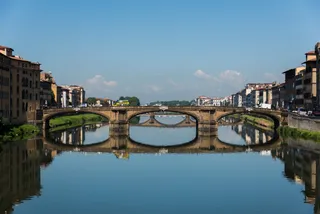 Ponte Santa Trinita
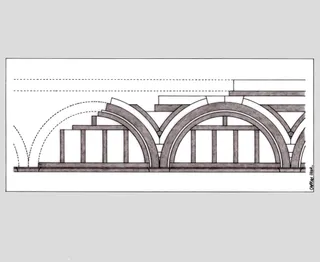 Basílica di San Miniato al Monte
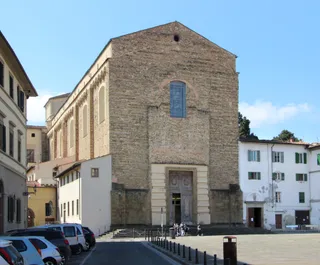 Santa Maria del Carmine
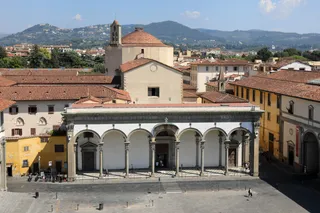 Basilica della Santissima Annunziata
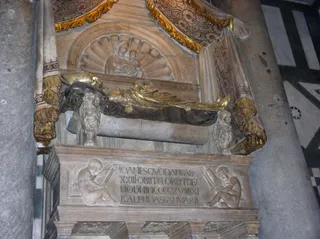 Tomb of Antipope John XXIII
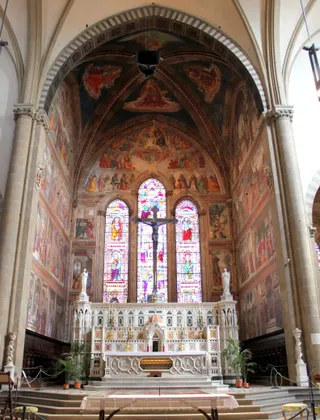 Capela Tornabuoni
 Museo Franco Zeffirelli
 San Pier Scheraggio (Church : Florence, Italy)
 Gabinetto dei Disegni e delle Stampe degli Uffizi
 Gucci Museum
 Chiesa di Santo Stefano al Ponte
 Cinema Capitol
 Palazzo Columbia-Parlamento
The grounds behind Pitti Palace were established for Eleonora di Toledo and the Medici grand dukes as a private sanctuary. Early construction barred outside visitors and prohibited public festivals, reserving the terraces solely for court use. Designers Niccolo Tribolo and Bartolomeo Ammanati broke with traditional walled enclosures by cutting wide gravel avenues and massive stone axes that opened panoramic vistas over the city.
A dedicated aqueduct channeled spring water from nearby hills to power the fountains and supply ducal residences. The central axis climbs Boboli Hill through a stone amphitheatre holding an ancient Egyptian obelisk imported from Rome. Above the amphitheatre, the path terminates at the Fountain of Neptune, while the cypress avenue intersects at a perpendicular angle to carry foot traffic down toward the Porta Romana city gate.
The park operates as an open-air sculpture museum mixing ancient Roman statuary with Mannerist architecture. Giorgio Vasari and Bernardo Buontalenti designed artificial grottoes lined with limestone stalactites and dynamic waterworks. Long-term residents discover that navigating the grounds means handling steep gravel climbs and formal stone terraces that function more like an uphill gallery than an ordinary municipal park.
O que os visitantes escrevem no Google Maps
A nota e as avaliações recentes do Google Maps carregam quando você pedir.
≈ 5 min de distânciaPalácio Pitti ≈ 10 min de distânciaPonte Vecchio
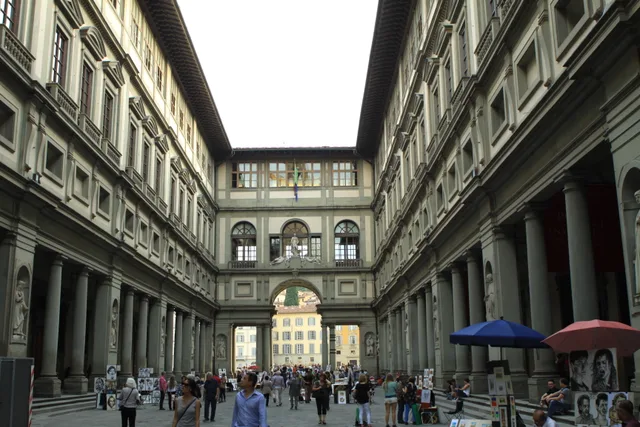 ≈ 10 min de distânciaGaleria Uffizi
Não encontrou o local que precisa? A pesquisa entende qualquer idioma. Abrir pesquisa