 ≈ 15 Min. entferntTeatro La Fenice
- Entfernung
- 1 km
 TravelHub
Residents along this stretch of the Grand Canal carry groceries over stepped bridges and time their movements to water buses.
 Dogenpalast
 Gallerie dell'Accademia
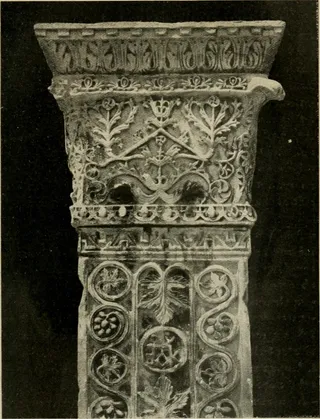 Markusdom
 Teatro La Fenice
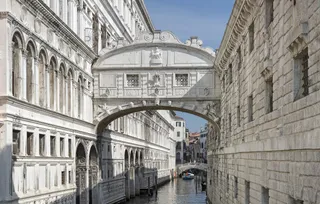 Seufzerbrücke
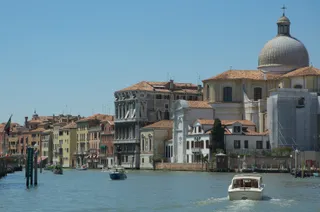 Canal Grande
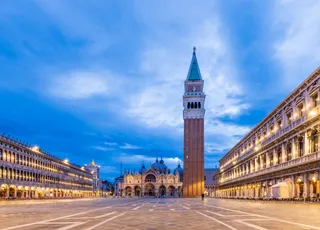 Markusplatz
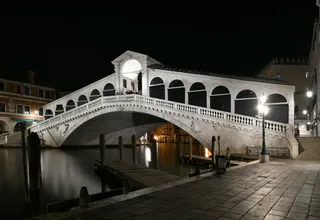 Rialtobrücke
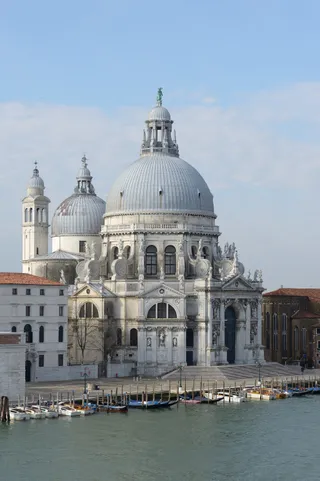 Santa Maria della Salute
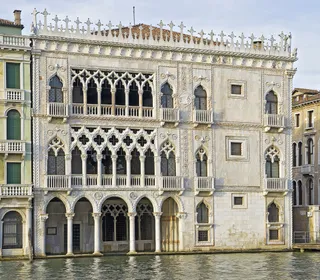 Ca’ d’Oro
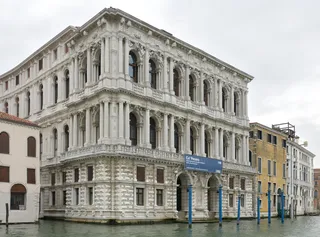 Ca’ Pesaro
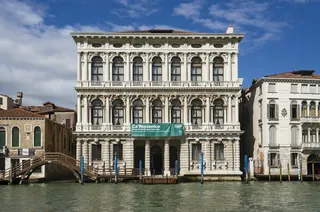 Ca’ Rezzonico
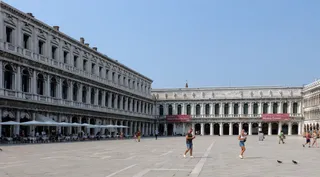 Museo Correr
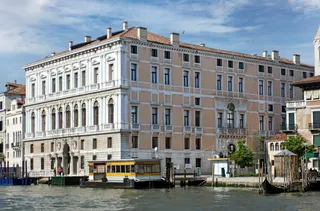 Palazzo Grassi
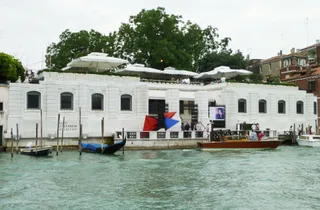 Peggy Guggenheim Collection
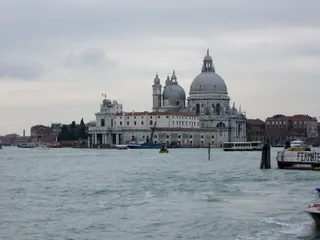 Punta della Dogana
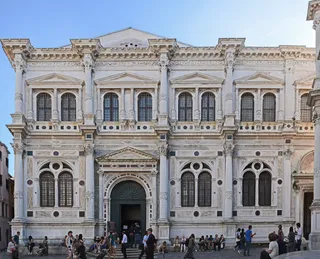 Scuola Grande di San Rocco
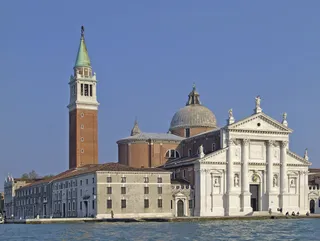 San Giorgio Maggiore
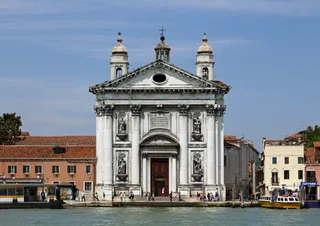 Santa Maria del Rosario
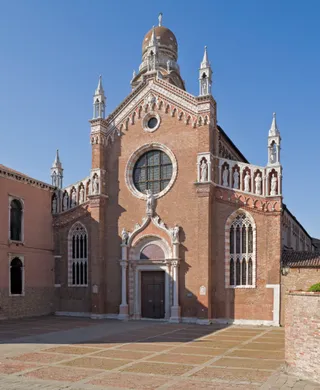 Madonna dell’Orto
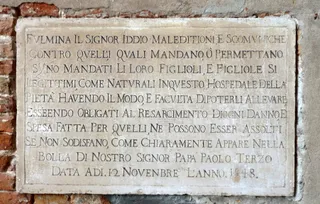 Ospedale della Pietà
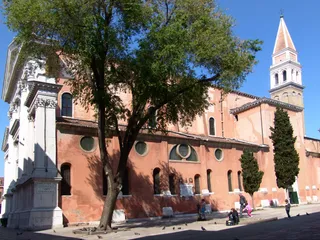 San Francesco della Vigna
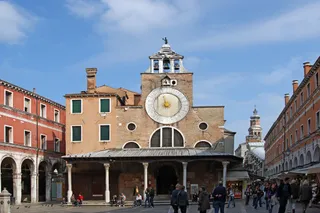 San Giacomo di Rialto
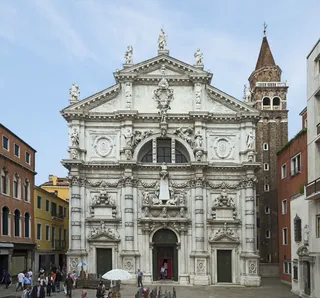 San Moisè
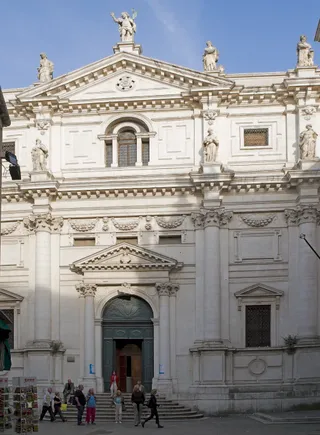 San Salvador
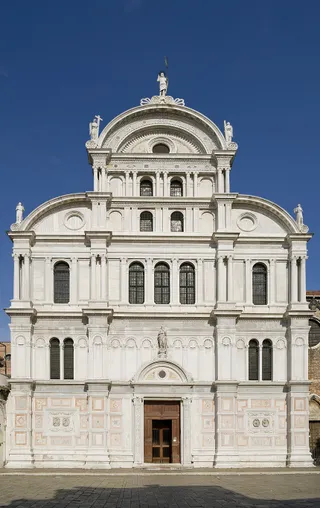 San Zaccaria
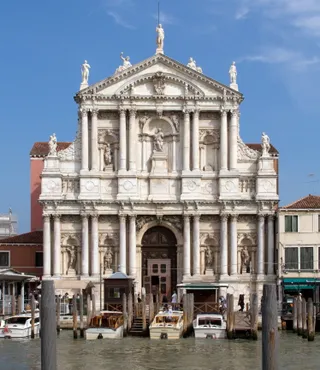 Santa Maria di Nazareth
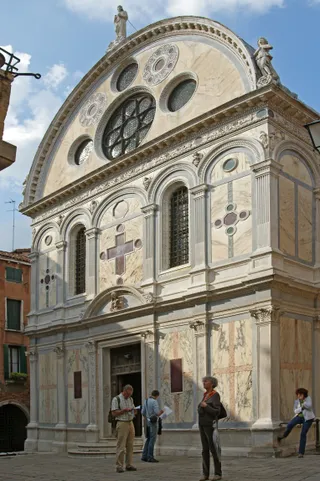 Santa Maria dei Miracoli
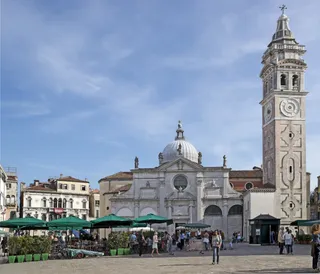 Santa Maria Formosa
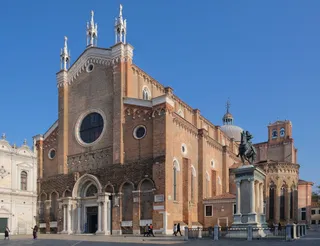 Santi Giovanni e Paolo
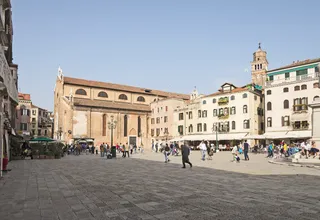 Santo Stefano
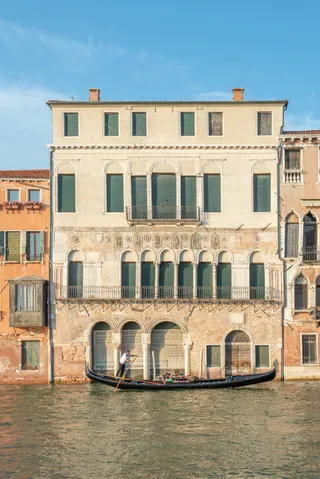 Ca’ da Mosto
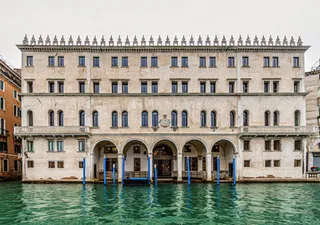 Fondaco dei Tedeschi
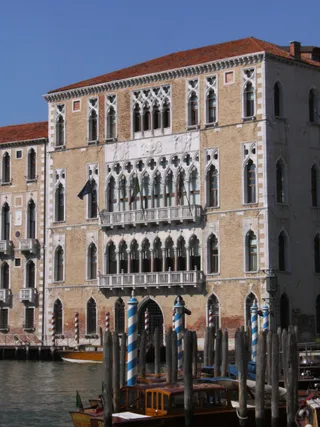 Ca’ Foscari
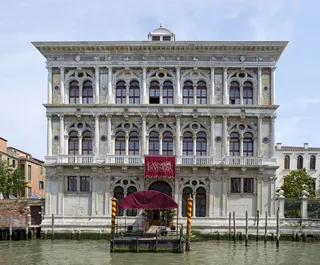 Palazzo Vendramin-Calergi
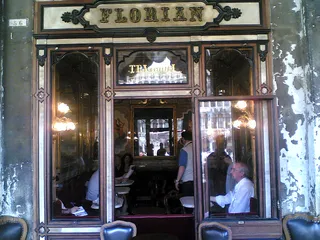 Caffè Florian
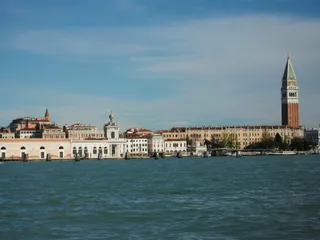 Giudecca-Kanal
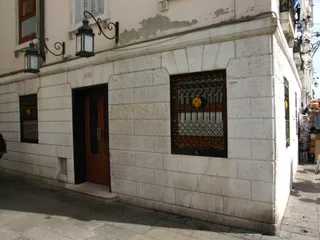 Harry’s Bar
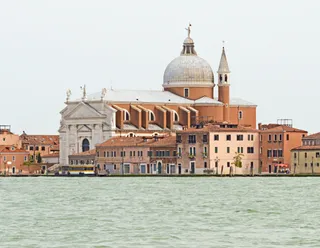 Il Redentore
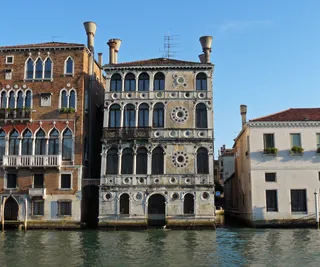 Palazzo Dario
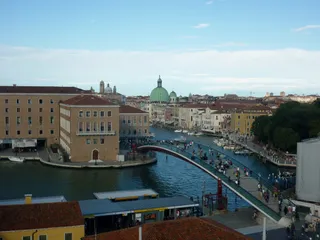 Ponte della Costituzione
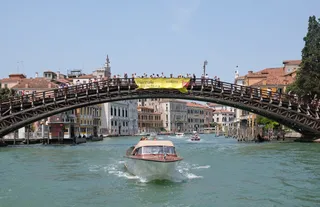 Ponte dell’Accademia
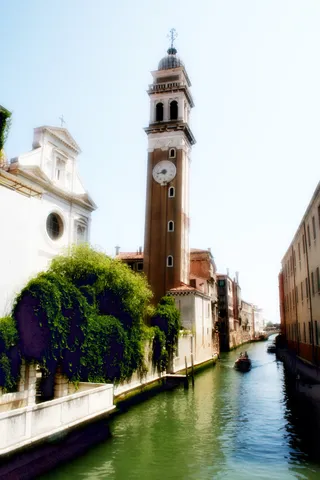 San Giorgio dei Greci
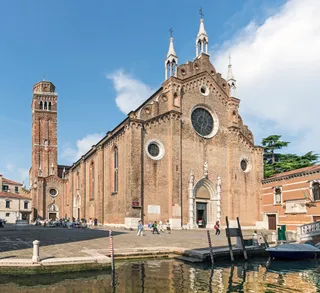 Santa Maria Gloriosa dei Frari
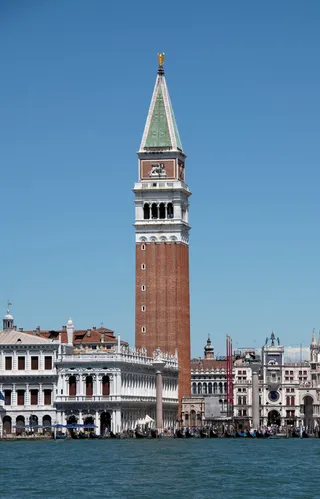 Markusturm
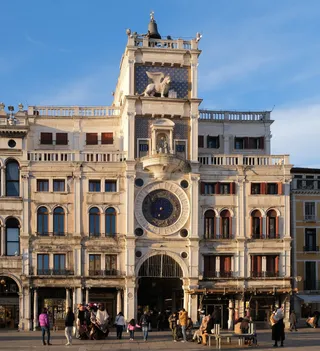 Uhrturm von San Marco
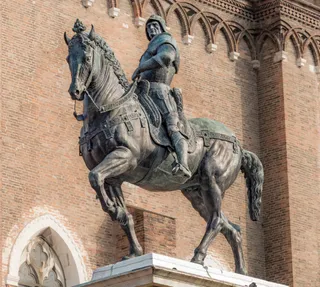 Reiterstandbild Bartolomeo Colleoni
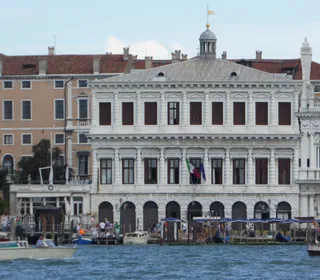 Zecca
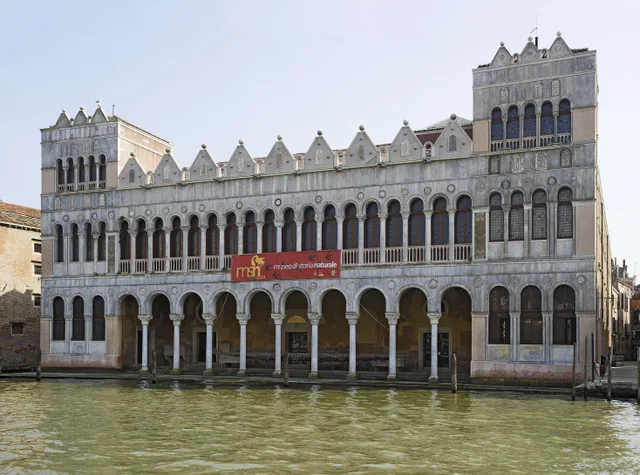
The building originated as a private palace before the Venetian Republic purchased the estate for the Este rulers of Ferrara. For generations, the premises served as a diplomatic residence and lodging for visiting ambassadors. Control eventually passed back to Venetian hands when Senator Antonio Priuli acquired the property and leased it to house Ottoman traders who previously rented scattered quarters across the city.
Designated as a fondaco, the site combined living quarters, warehouses, and market stalls under tight municipal oversight. Ottoman merchants traded raw silk, cotton, spices, and calcined ashes required by Murano glass furnaces in exchange for tailored Venetian textiles. State regulations strictly governed the compound, locking the gates at night and restricting trade hours to isolate the foreign merchants while protecting commerce.
Modern arrivals often assume the grand canal arcades represent intact Byzantine architecture, but the complex underwent sweeping reconstruction following decades of neglect. Municipal rebuilding demolished nearly the entire structure behind the water gate, leaving solely the canal-side façade. What appears from passing boats as early medieval masonry is largely a modern recreation enclosing an altered floor plan.
Was Besucher auf Google Maps schreiben
Bewertung und aktuelle Rezensionen von Google Maps werden auf Wunsch geladen.
≈ 15 Min. entferntTeatro La Fenice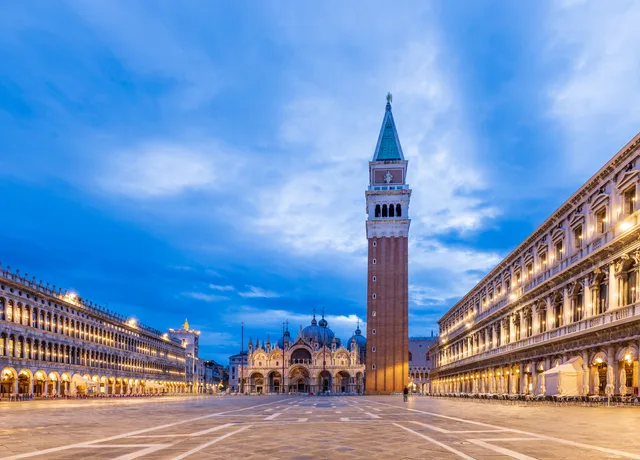 ≈ 15 Min. entferntMarkusplatz
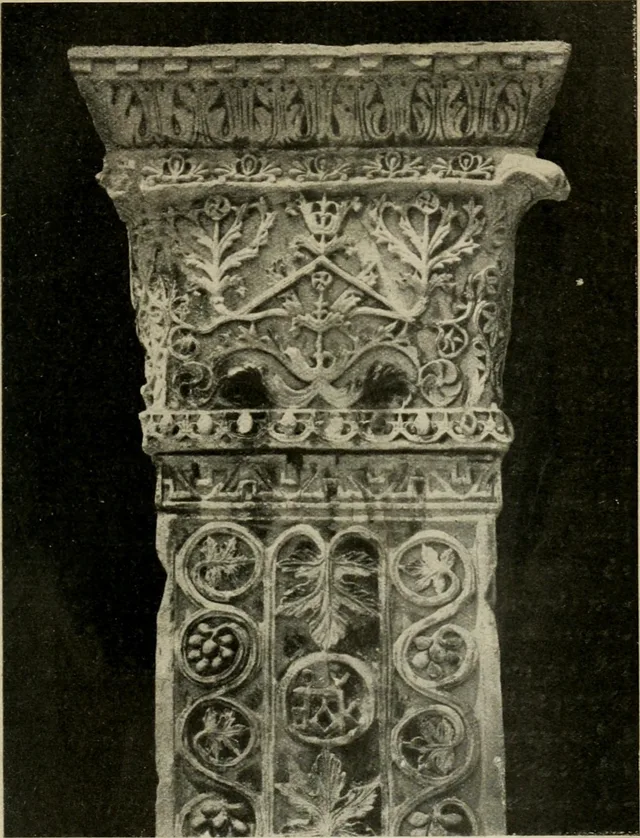 ≈ 15 Min. entferntMarkusdom
Ort nicht gefunden? Die Suche versteht jede Sprache. Suche öffnen