
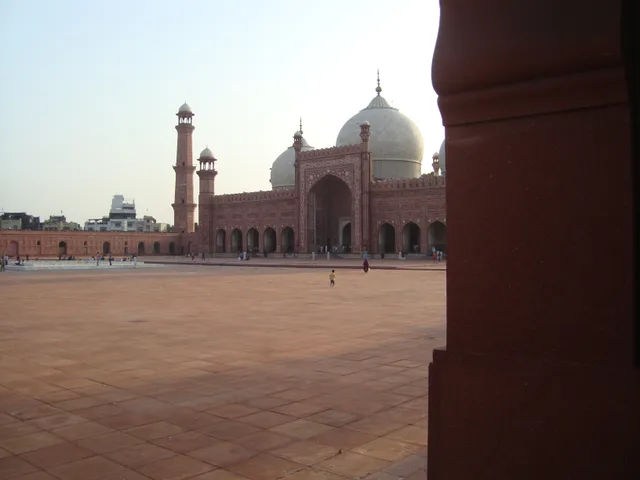
 拉合爾巴德夏希清真寺
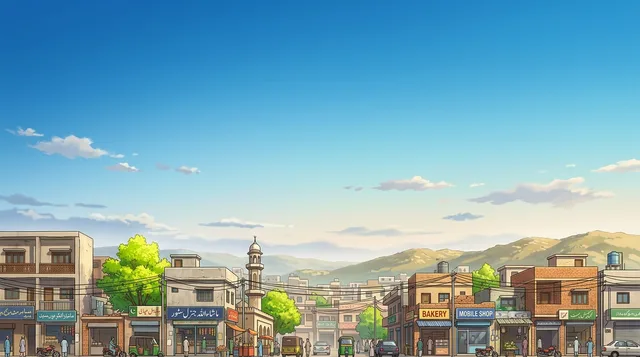
生活
巴基斯坦: 旅游指南、签证与免费住宿 · 2026年
Residents navigate daily transport through private intercity bus networks rather than disrupted rail corridors, keeping purified drinking water as an absolute household staple.
国家亮点
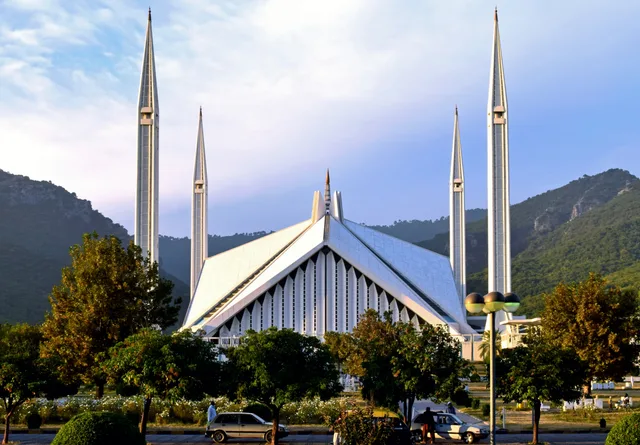
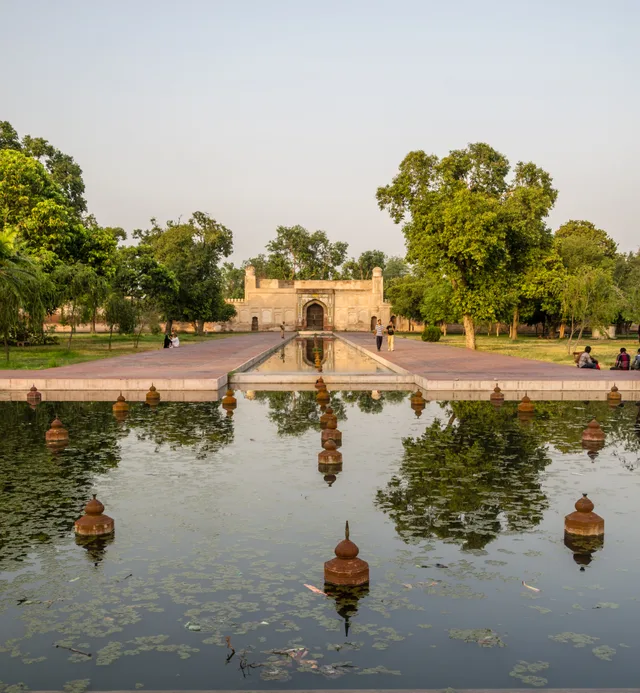
- Government offices, airports, and corporate workplaces
- English and Urdu
- Major hotels, modern supermarkets, and railway booking counters
- English and Urdu
- Local bazaars, neighbourhood food stalls, and traditional markets
- Urdu and regional languages
«کتنے پیسے ہیں؟» — Use at street stalls and auto-rickshaws before committing to a purchase or ride.
关于此地
Daily life balances ancient urban heritage with modern commercial hubs and demanding transport logistics.
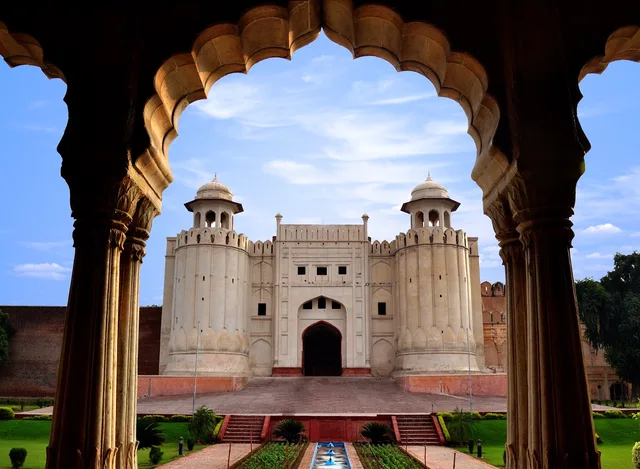
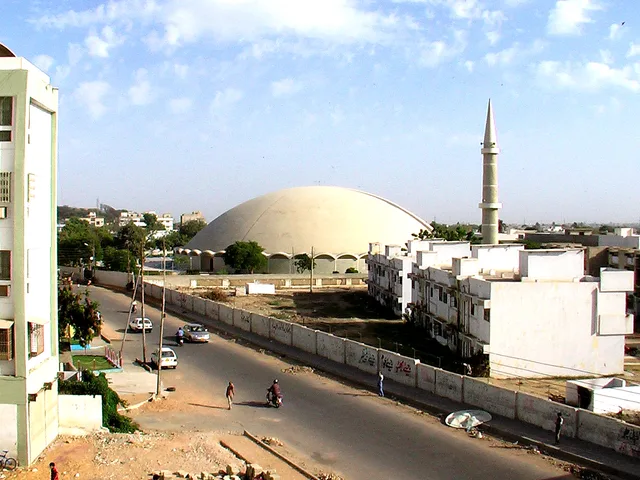
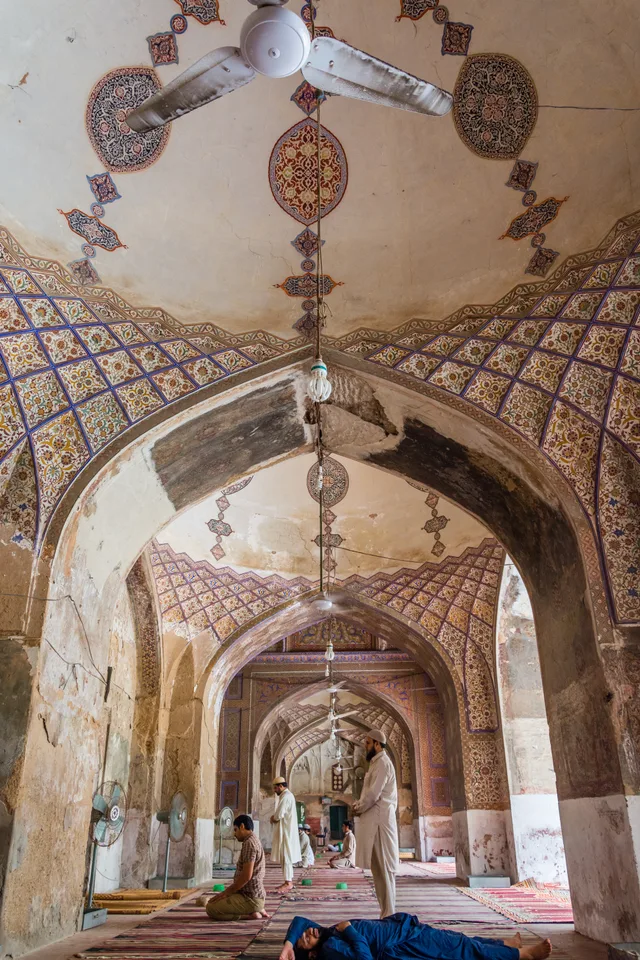
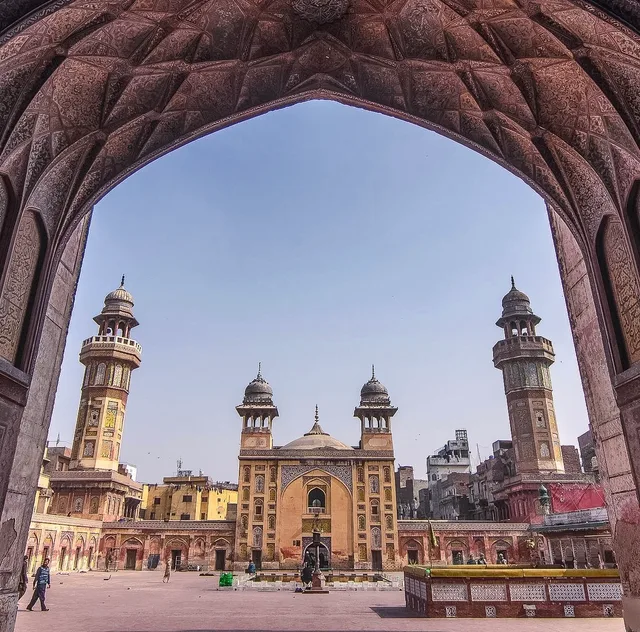
Pakistan spans major urban centres from the administrative capital of Islamabad to the coastal commercial core of Karachi. In northern and central regions, architectural heritage connects early settlements like Mohenjo-daro and Harappa to Mughal landmarks including the Badshahi Mosque and Lahore Fort. Modern civil society maintains strong family networks while expanding a prominent urban middle class.
继续阅读
Traditional shalwar kameez remains standard daily attire across all provinces alongside Western business dress. Food culture centers on rich meat dishes such as nihari and spiced curries paired with flatbread or rice, accompanied by black or green tea variations like doodh pati. Intercity travel relies heavily on scheduled private bus lines, as domestic rail routes suffer from chronic infrastructure neglect.
Tap water is unsafe for consumption across the country, requiring residents to rely entirely on bottled or purified supplies. Security conditions demand constant attention to regional advisories, as border zones and specific northwestern territories remain restricted to foreign nationals. Urban areas feature distinct safety variations between neighborhoods, making private transport essential after dark.
相关组织
- Mughal Architecture
- Shalwar Kameez
- Chai Culture
- Rail Infrastructure Hazards
- Tap Water Safety
事实信息
- Islamabad is the national capital, while Karachi functions as the primary financial center.
- Urdu and English hold official language status across state institutions and administration.
- The passenger rail network experiences regular derailments and requires armed escorts on vulnerable routes.
- The services sector constitutes the largest component of domestic economic output.
来源:Wikidata · Wikipedia · Wikivoyage
签证与实用信息
选择护照
请设置您的护照信息 — 不同护照的办理时长、费用及所需文件各不相同。
须知事项
- Muslims are legally prohibited from purchasing, possessing, or consuming alcohol, while sales to non-Muslims are restricted to designated shops and licensed hotels.
- Pork is strictly prohibited from sale and consumption throughout the country.
- Israeli passport holders are denied entry under normal regulations without explicit prior clearance from the Ministry of Interior.
常见问题
Is tap water safe to drink in Pakistan?
Tap water is unsafe to drink across the country. Travellers should choose sealed bottled water or boiled water and ensure container caps remain unbroken. Drinks containing ice made from unpurified tap water should also be avoided.
来源:WikivoyageWhat regulations govern alcohol consumption in Pakistan?
Buying and consuming alcohol is prohibited for Muslim citizens under local law. Non-Muslim foreign visitors can purchase alcoholic beverages at licensed shops and bars located inside select upscale hotels. Murree Brewery produces domestic beer and spirits for authorized distribution.
来源:WikivoyageWhat should visitors know about local dress and clothing etiquette?
The shalwar kameez is the standard national garment worn by men and women throughout all provinces. Western-style shirts and trousers are common in urban commercial centres and formal workplaces. Modest clothing choices align with local cultural customs and Islamic values.
来源:WikipediaHow reliable and safe is passenger rail travel in Pakistan?
Rail journeys carry elevated safety risks due to aging colonial-era infrastructure and maintenance challenges. Trains passing through volatile regions face security threats, requiring armed guards on select routes. Intercity buses and domestic flights provide more dependable options between major cities.
来源:WikivoyageWhat dietary customs and restrictions apply to food in Pakistan?
Meat dishes featuring beef, mutton, or chicken form the core of local dining, served alongside flatbread or rice. Regional cooking in Sindh and Punjab includes vegetarian curry options, while northern regions rely more heavily on meat preparations. Pork is strictly banned nationwide under religious regulations.
来源:WikivoyageWhat should travellers expect when flying to northern mountain destinations?
Northern destinations including Chitral, Gilgit, and Skardu are served by scheduled domestic flights from the capital. Flights into these mountainous airstrips depend heavily on clear visibility and face frequent weather cancellations. Travellers heading to the northern valleys should maintain flexible schedules.
来源:WikivoyageAre there specific geographical regions restricted for foreign travellers?
Border territories near the frontier with Afghanistan and the Line of Control are restricted for international visitors. Travel near international boundaries requires special official permission, and foreign tourists are advised against approaching frontier corridors. Travellers should consult their respective consular advisories before visiting sensitive districts.
来源:Wikivoyage3 个来源
来源:Wikivoyage · Wikivoyage · Wikivoyage
安全与健康
安全 · 官方建议数据更新于 2026年11月3日
Foreign nationals are strictly barred from visiting the Line of Control and border regions adjoining India.
Carrying firearms without an official permit from authorities is illegal and results in police detention.
Approaching military convoys and intelligence facilities is dangerous and carries severe security risks.
来源:UK FCDO Foreign Travel Advice · US Department of State Travel Advisory · Wikivoyage
语言与文化
首日五大必备用语以及不可或缺的语言场景
English is an official language alongside Urdu and functions as the primary medium in government administration, corporate business, upmarket commerce, and higher education. Urban professionals and ticketing staff in major transport hubs communicate in English.
首日五大必备用语
- کتنے پیسے ہیں؟Kitnay paisay hain?
- تھوڑا کم کریںThora kam karein
- کیا آپ مدد کر سکتے ہیں؟Kya aap madad kar saktay hain?
- مجھے یہ چاہیےMujhay yeh chahiye
- مرچ کم رکھیںMirch kam rakhein
2 个更多短语
- حساب کتاب کیا ہے؟Hisaab kitaab kya hai?
- شکریہShukriya
您将在何处需要该语言
| 情境 | 语言 |
|---|---|
| Government offices, airports, and corporate workplaces | English and Urdu |
| Major hotels, modern supermarkets, and railway booking counters | English and Urdu |
| Local bazaars, neighbourhood food stalls, and traditional markets | Urdu and regional languages |
| Intercity minibuses, auto-rickshaws, and municipal transport | Urdu |
| Provincial towns and rural areas across Sindh, Punjab, Balochistan, and Khyber Pakhtunkhwa | Regional languages including Sindhi, Punjabi, Baluchi, Pashto, and Urdu |

语言免费
英语:A2 → B2 系统进阶StudyHub· ≈ 110 小时