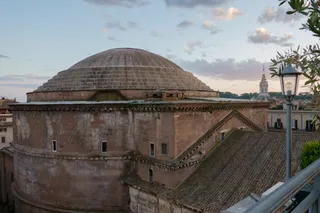
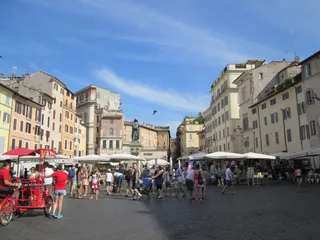
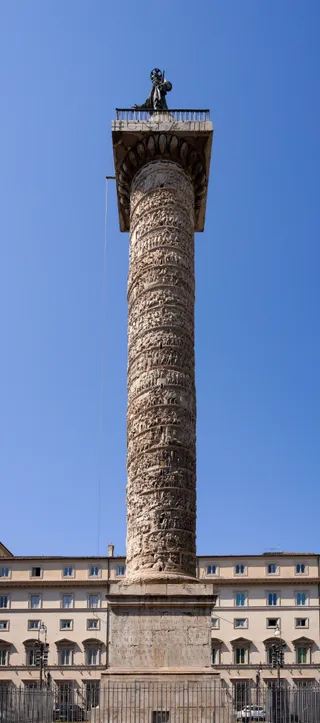
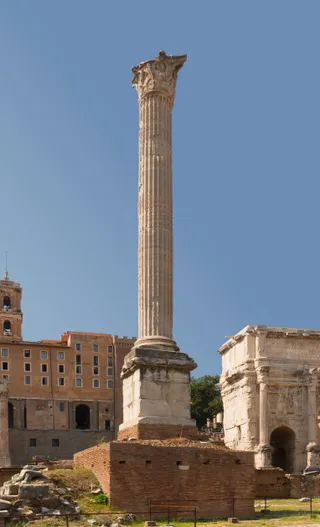
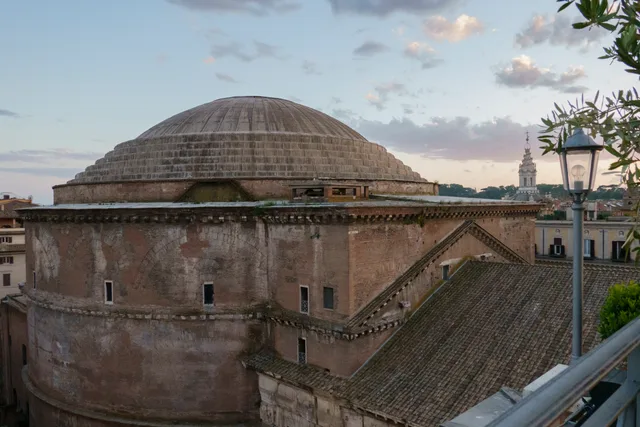
 距离 ≈ 10分钟万神庙
- 距离
- 600米
 TravelHub
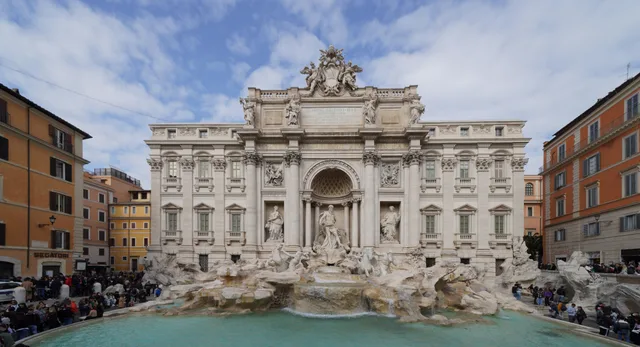
Trevi residents learn to run daily errands before morning crowds arrive, relying on quiet alleys behind Palazzo Poli to dodge the crush around the basin.
The monument marks the terminus of the Acqua Vergine, an ancient aqueduct that once fed the Baths of Agrippa and still channels calcium-free water into the city. Built from Tivoli travertine, the structure anchors the junction of Via De' Crocicchi, Via Poli, and Via Delle Muratte. Architect Nicola Salvi integrated the dramatic facade directly into the rear wall of Palazzo Poli before Giuseppe Pannini completed the work.
Salvi secured the building contract following local Roman protests against Florentine rival Alessandro Galilei. The final design borrowed concepts from Gian Lorenzo Bernini and Pietro da Cortona, while Pietro Bracci sculpted the central figure of Oceanus. To spite a vocal local barber who criticised the building site, Salvi erected a large stone vase on the balustrade to block the tradesman's view of the monument.
Long-term residents must contend with heavy pedestrian circulation created by cinematic fame spanning Federico Fellini's La Dolce Vita to Roman Holiday. The constant roar of falling water drowns out street noise, yet public access is tightly monitored. Routine maintenance schedules occasionally drain the basins for stone scrubbing and pump repairs, temporarily transforming the crowded piazza into a dry construction yard.
访客在 Google 地图上怎么说
Google 地图的评分和最新评价将按需加载。