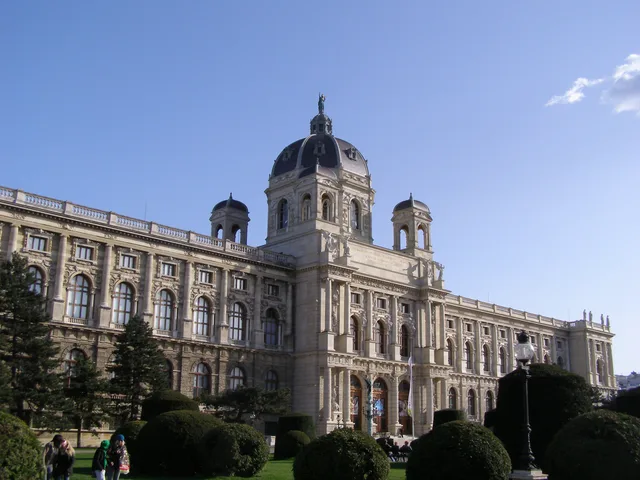
 ≈ 5 min drogiMuzeum Historii Sztuki w Wiedniu
- Odległość
- 200 m
 TravelHub
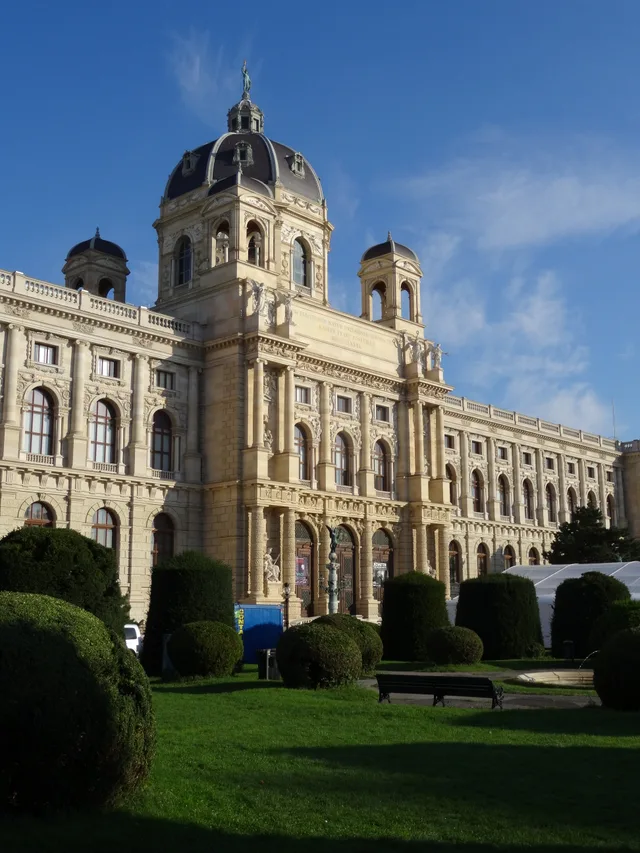
Researchers settling near the central museum trade quiet suburban tram rides from Simmering for daily access to imperial specimen archives.
The institution traces its origins to the private cabinet acquired from Florentine scholar Jean de Baillou by Emperor Francis. Baillou accumulated extensive holdings of fossils, corals, snails, and minerals before Maria Theresa transferred the material to state custody for public access under Enlightenment ideals. Ignaz von Born organized and expanded these holdings while establishing practical metallurgical and mineralogical research.
Subsequent imperial voyages expanded the museum from a royal repository into an international field repository. Nicolaus Joseph Jacquin brought botanical collections from the Caribbean and South America, while later expeditions explored Brazilian forests under Johann Natterer. Archduke Ferdinand Maximilian dispatched the Novara across global oceans with Alexander von Humboldt advising on scientific hauls of wildlife and ethnography.
Polar exploration also shaped the institutional archives through the Austro-Hungarian Arctic journey under Julius von Payer and Carl Weyprecht. After discovering Franz Joseph Land, the crew abandoned the trapped Admiral Tegetthoff in pack ice and retreated south with sleds. The team preserved observation logs, landscape sketches, and physical specimens, which remain preserved alongside global expedition materials in Vienna.
Nie ma tu jeszcze gospodarzy oferujących darmowe zakwaterowanie — najbliższe miasto, w którym są dostępni:
MonachiumCo piszą odwiedzający w Mapach Google
Ocena i najnowsze opinie z Map Google wczytają się na żądanie.
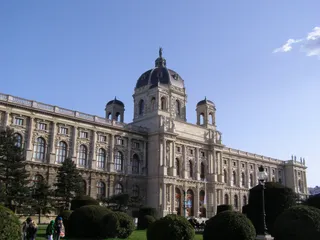
≈ 5 min drogiMuzeum Historii Sztuki w Wiedniu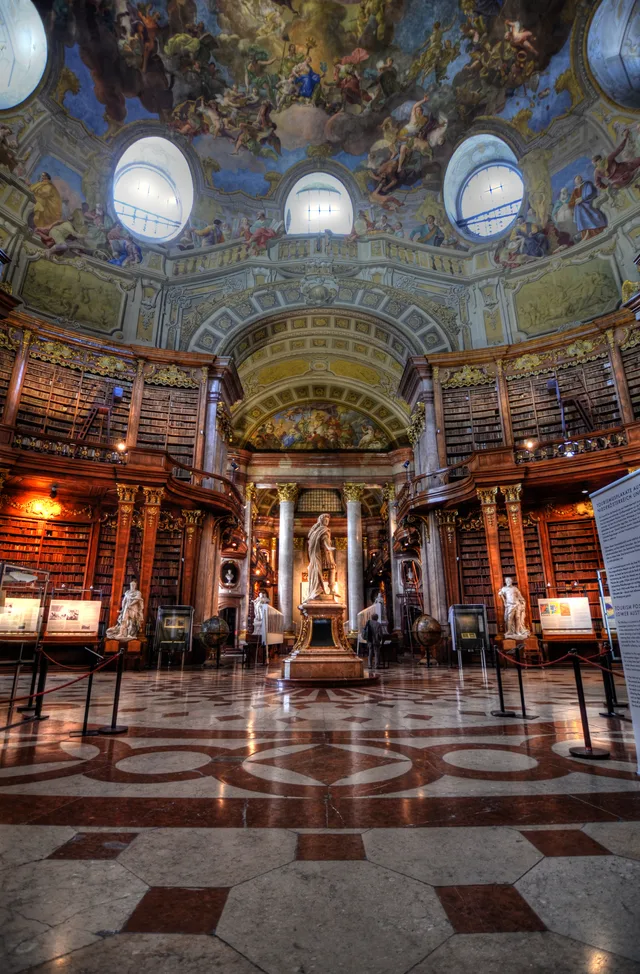 ≈ 10 min drogiAustriacka Biblioteka Narodowa
 ≈ 10 min drogiOpera Wiedeńska
Nie możesz znaleźć miejsca, którego potrzebujesz? Wyszukiwarka rozumie każdy język. Otwórz wyszukiwarkę