

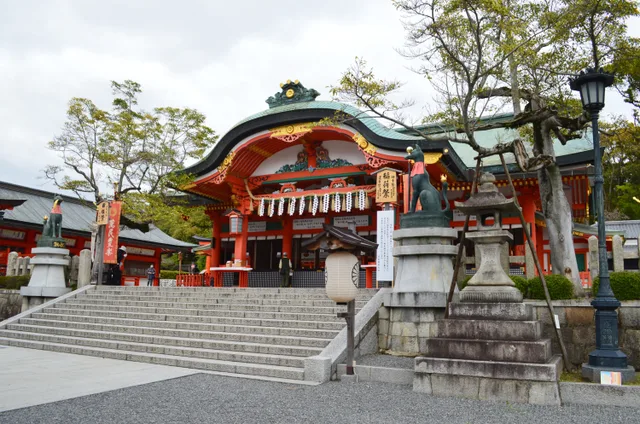
 ≈ 25 min attālumāFushimi Inari-taisha
- Attālums
- 5,3 km
 TravelHub
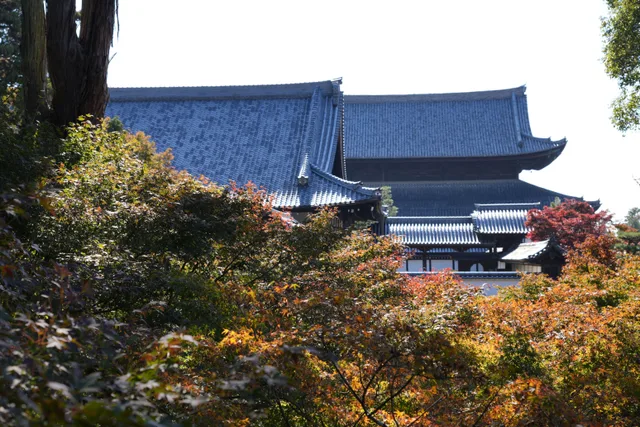
Residents settle among active sub-temples where daily rhythm synchronizes with monastic routines rather than commercial amenities.
Emperor Kameyama converted his detached palace grounds to establish the monastery during the Kamakura era, initially under the name Zenrin-ji. Today the complex operates as the administrative headquarters for the Nanzen-ji branch of Rinzai Zen. The central precinct carries national designation as an official Historic Site, and the adjoining Hōjō dry landscape gardens hold formal recognition as a Place of Scenic Beauty.
Fires destroyed the temple halls repeatedly before extensive rebuilding and expansion took place during the Edo period. The compound contains multiple sub-temples clustered across the forested perimeter. Abbot Zenkei Shibayama advanced Rinzai scholarship from the monastery by publishing his commentary on the Mumonkan. Residents near the gates navigate seasonal visitor surges and sparse grocery retail inside the historic protection zone.
Ko apmeklētāji raksta Google Maps
Vērtējums un jaunākās atsauksmes no Google Maps ielādēsies pēc pieprasījuma.
Nevarat atrast vajadzīgo vietu? Meklēšana saprot jebkuru valodu. Atvērt meklēšanu