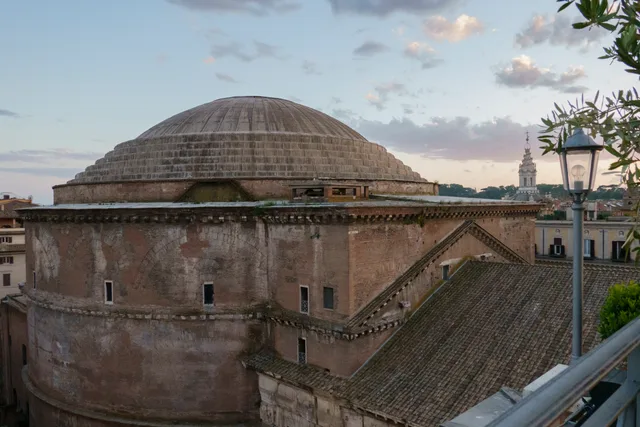
 ≈ 5 min attālumāPanteons
- Attālums
- 300 m
 TravelHub
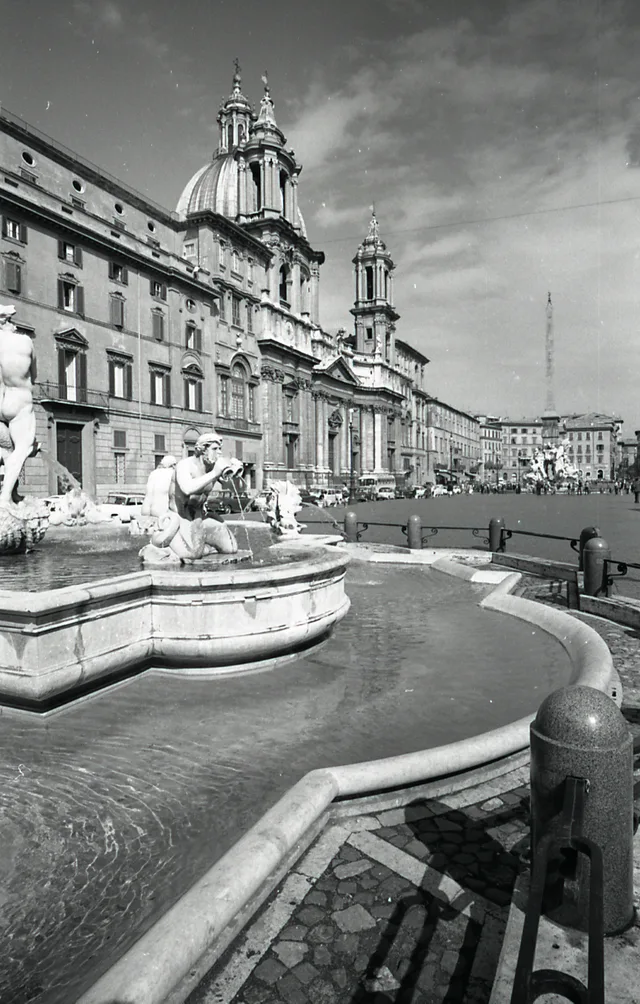
Living beside the square means accepting constant pedestrian traffic around the fountains in exchange for walking access to the central historic core.
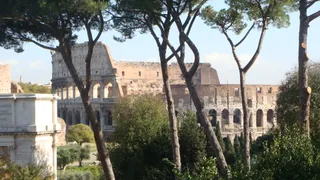 Kolizejs
 Panteons
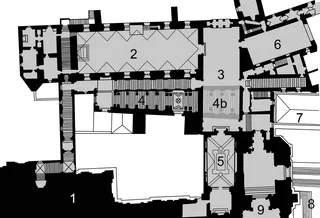 Siksta kapela
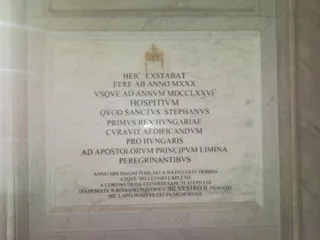 Svētā Pētera bazilika
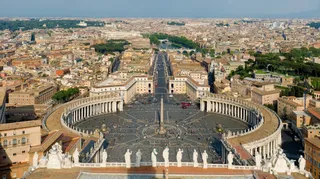 Vatikāns
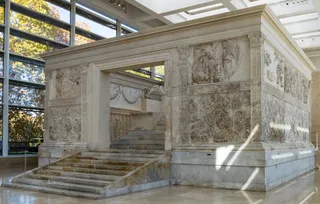 Ara Pacis
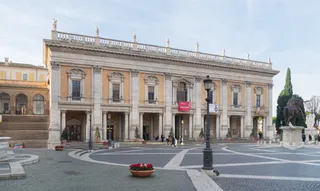 Capitoline Museums
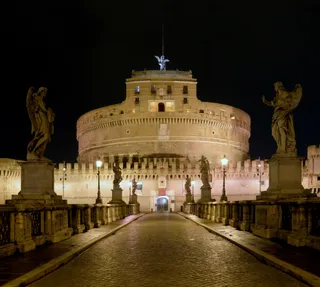 Castel Sant'Angelo
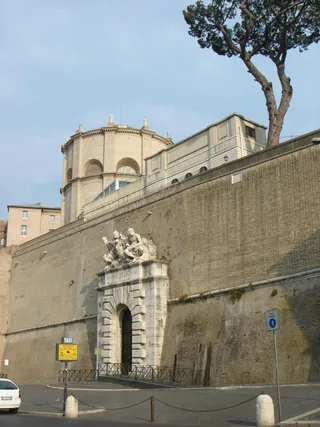 Vatikāna muzeji
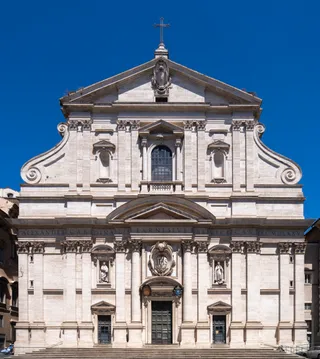 Church of the Gesù
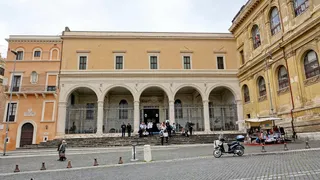 San Pietro in Vincoli
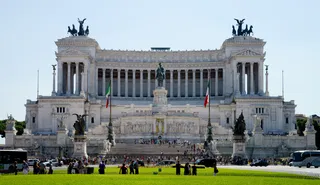 Altare della Patria
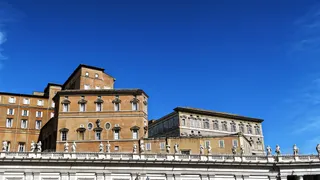 Apustuliskā pils
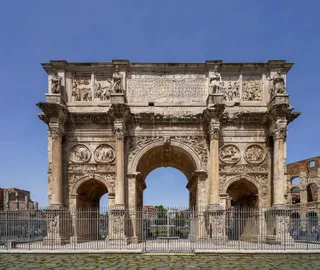 Arch of Constantine
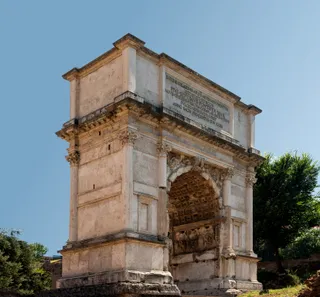 Arch of Titus
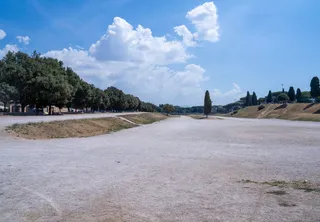 Circus Maximus
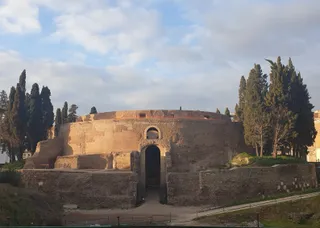 Mausoleum of Augustus
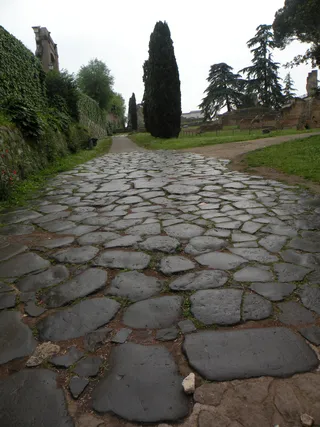 Palatine Hill
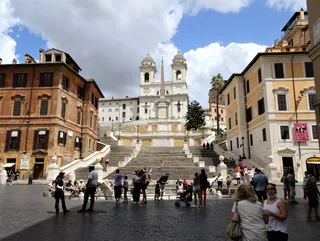 Piazza di Spagna
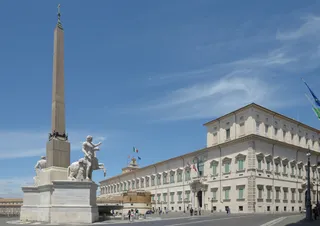 Quirinal PalaceSvētā Pētera laukums
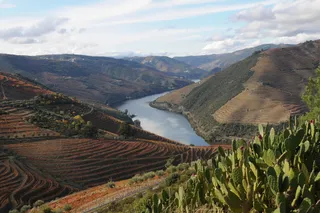 Temple of Vesta
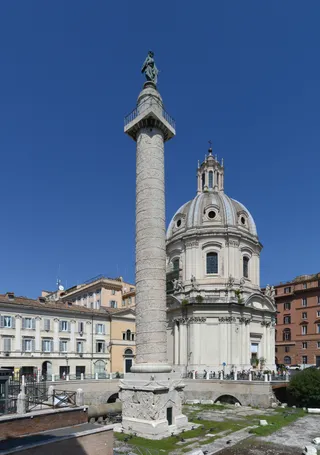 Trajāna kolonna
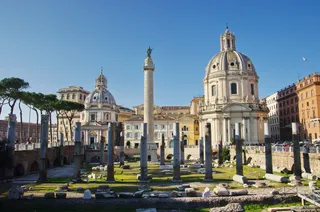 Trajan's Forum
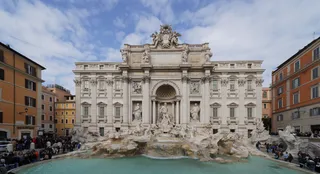 Trevi strūklaka
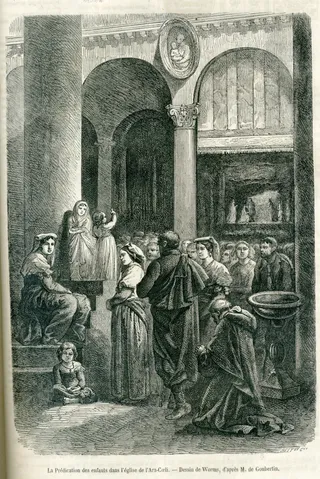 Santa Maria in Aracoeli
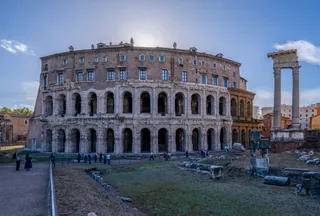 Theatre of Marcellus
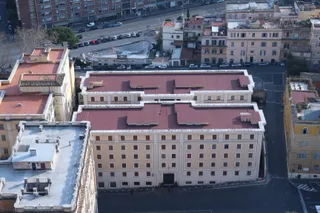 Svētās Martas māja
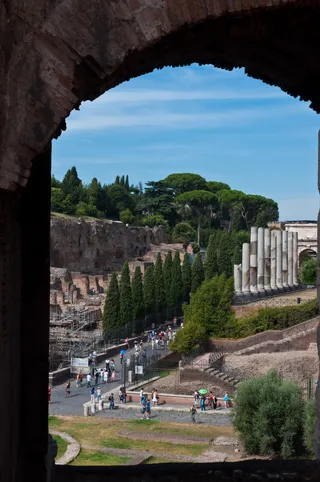 Via Sacra
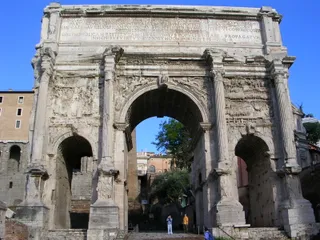 Arch of Septimius Severus (Roman Forum)
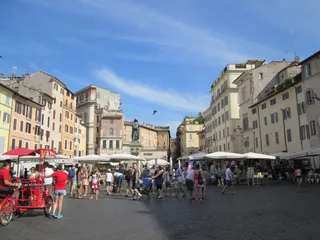 Campo de' Fiori
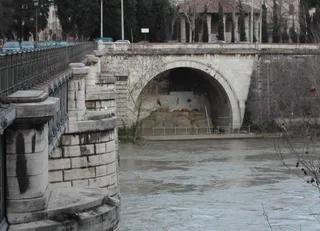 Lielā kloāka
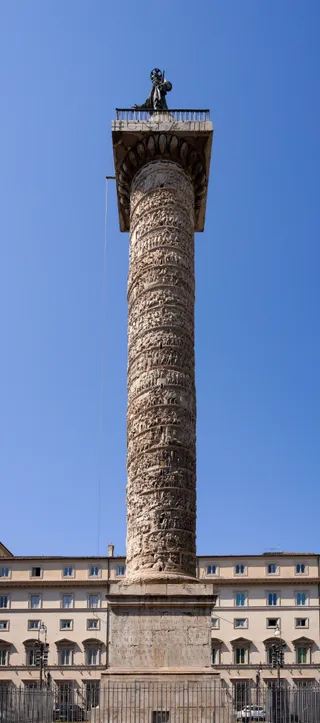 Marka Aurēlija kolonna
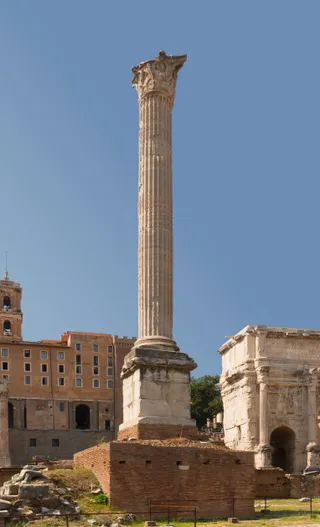 Column of Phocas
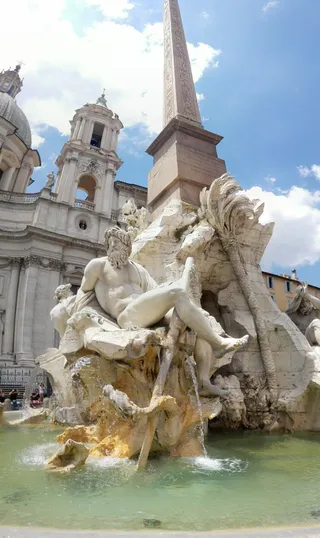 Four Rivers Fountain
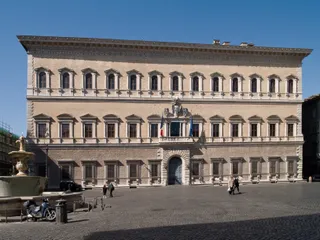 Palazzo Farnese
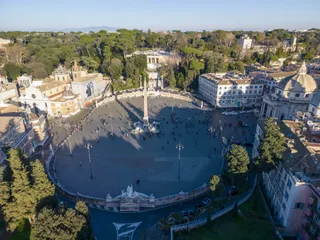 piazza del Popolo
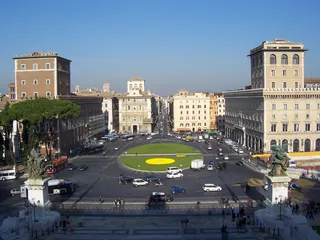 piazza Venezia
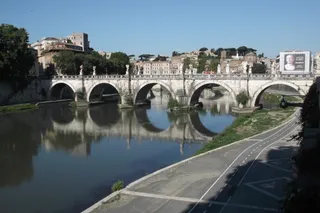 Ponte Sant'Angelo
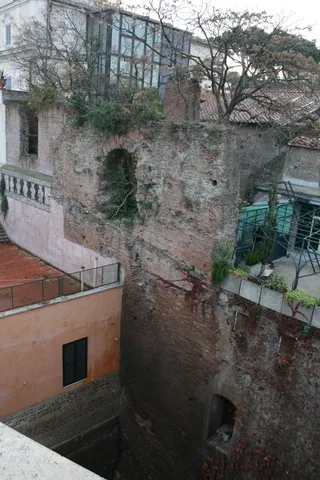 Pontifical Gregorian University
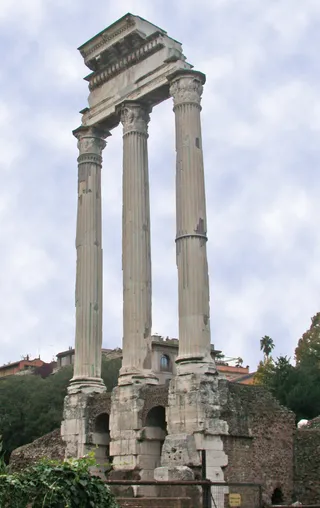 Temple of Castor and Pollux
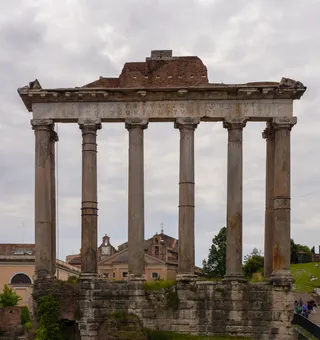 Temple of Saturn
The square follows the elongated oval plan of the ancient athletic stadium built by Emperor Domitian. After the collapse of the Western Roman Empire, builders quarried the ruins for stone until the space became a designated public market transferred from Campidoglio. Papal patronage later transformed the grounds into a Baroque showcase, anchoring the site around Palazzo Pamphili and its Borromini gallery.
Sculptural landmarks define the open concourse. Gian Lorenzo Bernini designed the central fountain around an ancient obelisk brought from the Circus of Maxentius, directly facing Francesco Borromini's church of Sant'Agnese in Agone. Additional fountain basins by Giacomo della Porta bookend the square. The regular market eventually moved to nearby Campo de' Fiori, leaving the plaza for civic gatherings and seasonal fairs.
Historic festivities included intentional flooding during summer weekends to host water pageants for the ruling aristocracy. Pavement modifications altered the ground level over time, while winter brings an annual holiday market across the paving stones. The open public access leaves the historic stone sculptures exposed to the urban elements and occasional vandalism, requiring continuous municipal oversight.
Ko apmeklētāji raksta Google Maps
Vērtējums un jaunākās atsauksmes no Google Maps ielādēsies pēc pieprasījuma.
≈ 5 min attālumāPanteons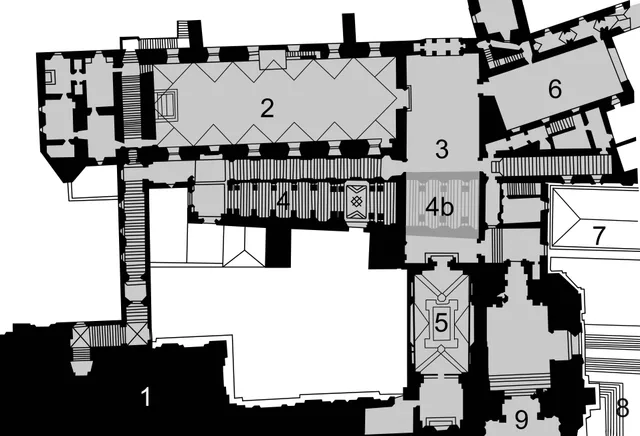 ≈ 20 min attālumāSiksta kapela
 ≈ 25 min attālumāSvētā Pētera bazilika
Nevarat atrast vajadzīgo vietu? Meklēšana saprot jebkuru valodu. Atvērt meklēšanu