
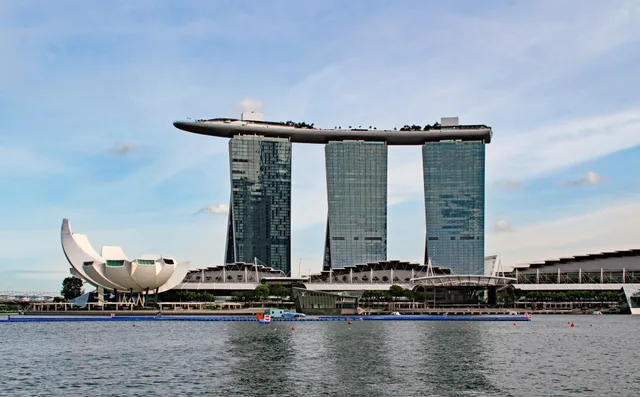
 SingaporeMarina Bay Sands

Vivi
Singapore: Guida di viaggio, visti e alloggi gratuiti · 2026
Singapore, officially the Republic of Singapore, is an island country in Southeast Asia. Its territory comprises a main island, over 60 satellite islands and islets, and one outlying islet.
I punti forti del Paese
SingaporeMarina Bay Sands SingaporeSingapore Street Circuit
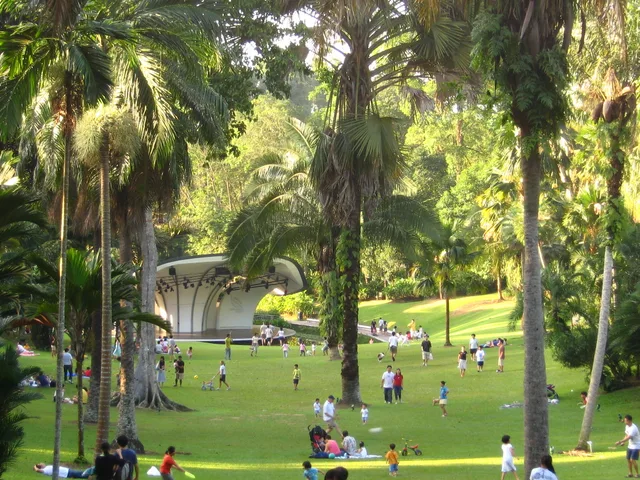 SingaporeGiardini botanici di Singapore
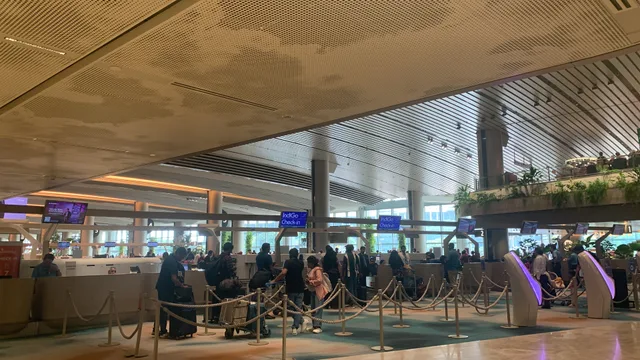 Tampines New TownAeroporto di Singapore-Changi
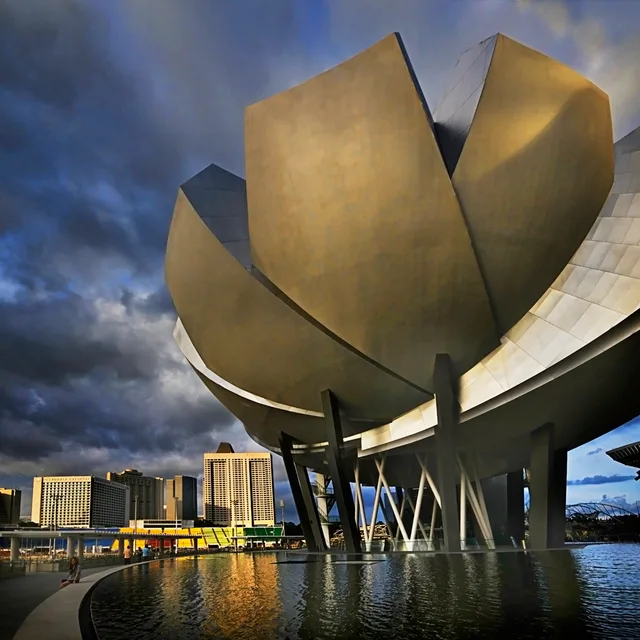 SingaporeArtScience Museum
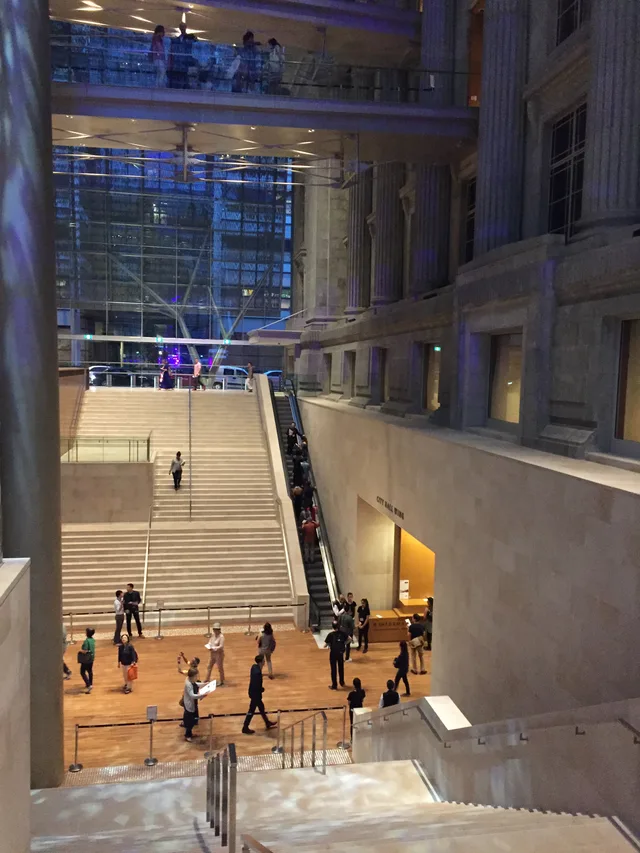 SingaporeGalleria nazionale di Singapore
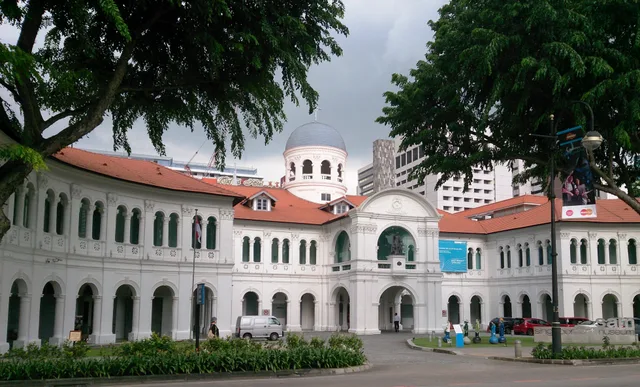 SingaporeMuseo d'arte di Singapore
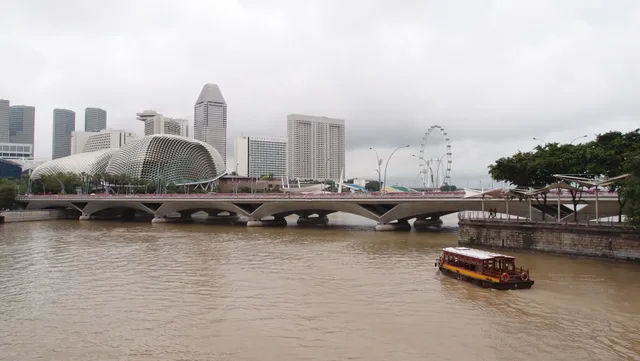 SingaporeEsplanade – Theatres on the Bay
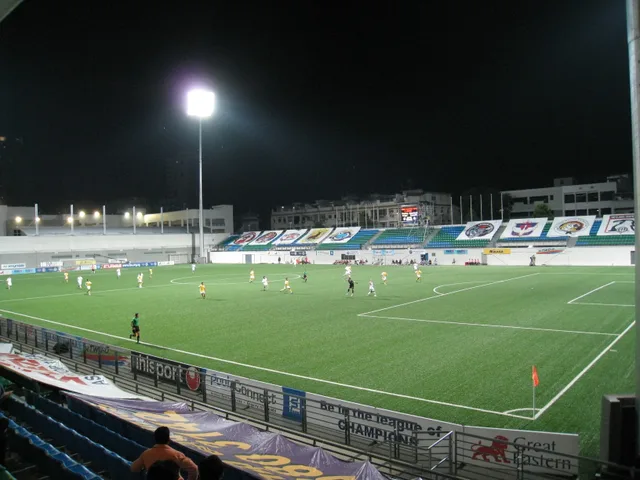 SingaporeJalan Besar Stadium
 JurongJurong Bird Park
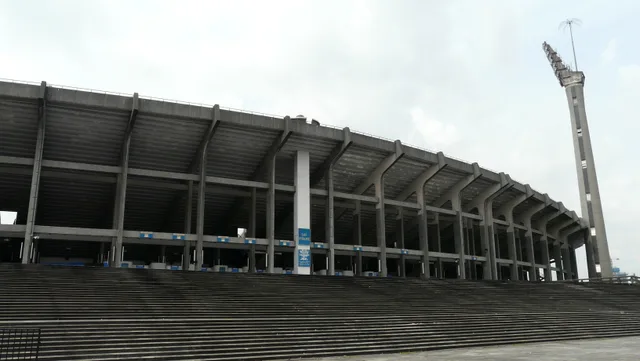 Tampines New TownNational Stadium
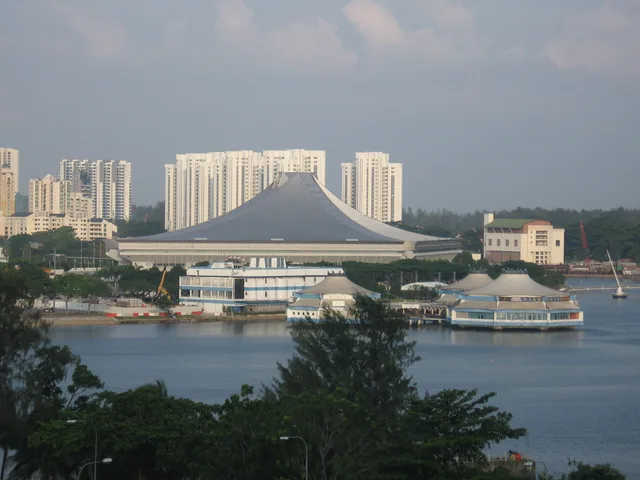 SingaporeSingapore Indoor Stadium
Visto e aspetti pratici
Scegli un passaporto
Imposta il tuo passaporto: i tempi di elaborazione, le tariffe e i documenti variano a seconda del passaporto.
Sicurezza e salute
Persone che sono state qui
April 29, 2014. Around 11 a.m. Astana. American Consulate. The dialogue between Kazakhs and Americans continues. They seem to be getting along well. All the students are coming out happy. But how will I get out of here...? An interesting question... A few minutes ago, I was afraid of mishearing a question and giving a wrong answer due to my hearing impairment, and now I am worried about the lie I told just a few seconds ago. According to the third rule of passing a visa interview that was drilled into our heads: "You must never lie to the consul." But I had to break this rule. I hope the consul doesn't notice... The guy interviewing me also wears glasses, just like me. "Maybe he'll let a fellow glasses-wearer pass without failing him," I thought. Then I thought that one day I might be in such a position myself. I have always liked the diplomatic service. To do that, first of all, I had to learn the language. With this goal in mind, without finishing school, right after the 9th grade, I went to college to start learning English from scratch. My decision was like a bolt from the blue for many people. Most of them, who expected me to become a history teacher, first took it as a joke, and then couldn't understand my choice. "A kid who doesn't know a thing about English wants to become an English teacher? How ridiculous. He'll be back in a month or two, unable to study..." — that's what many people thought about me back then. Only I knew the secret behind this. After 7 years, I am revealing to you a secret that no one knew until now. "If I can, I'll be a diplomat; if not, I'll be a teacher or a translator. In any case, a person who knows a language won't be lost!" — with this goal, I chose English and became convinced of the correctness of this path. Another thing that increased my interest in diplomacy and politics was Kassym-Jomart Tokayev's work titled "Belasu". In 2011, while working as a mentor in a children's summer camp, I bought this book with my first salary. It's a very wonderful book, but it's hard to believe that he wrote it himself. Maybe he did. After all, he is the son of a famous writer. In that book, Kassym-Jomart writes that he once worked at the Soviet embassy in Singapore. He also dealt with visa issues, just like the American standing in front of me now. One day, he jokingly said something in Russian to a person who came for a visa (if I remember correctly, it must have been an Australian citizen). Apparently, he thought Tokayev was a local Singaporean, and he was shocked when he spoke Russian. Looking at the American consul behind the thick glass, I remembered this incident. "I wonder if this person will joke with me about something...? Americans are fond of jokes..." While I was thinking about all this, the interviewer managed to ask his next question. As luck would have it, this question turned out to be a continuation of the one I had lied about just a few seconds ago: - Can you cook «Beshbarmak»? - Yes, of course! – I didn't even notice how the answer automatically slipped out of my mouth. Oh, mon Dieu! Now what if he asks how «Beshbarmak» is made? How should I know how it's made? Something I've never cooked in my life. Okay, I'll just say they cook it by adding meat, dough, and potatoes, but what will I answer if he asks about the process? How should I know what to put first, what to put second...? This lie is enough! I can't lie to the consul anymore. This is the second time I've lied. "He's definitely going to fail me. That's it, say goodbye to your dream! – No, wait, stop! Nothing is certain yet!" — I was struggling with my own thoughts. The consul didn't even look at my face. He glanced at me as soon as I arrived, then looked once when I asked "In America?" back to him, and that was it. He asked all his questions while looking down and flipping through his papers. Sometimes he looks at the computer, sometimes at his papers. He doesn't look at me standing in front of him. Let him not look! Let him not


 +2
Città di Singapore
Luoghi a Singapore
Non trovi il posto che cerchi? La funzione di ricerca comprende qualsiasi lingua. Apri ricerca