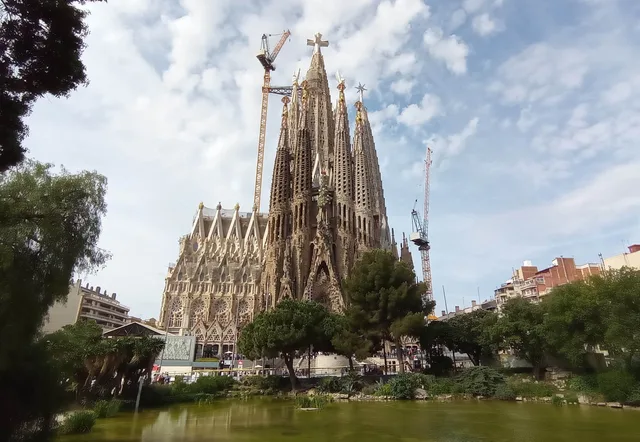
 ≈ 25 ր հեռավորության վրաՍագրադա Ֆամիլիա
- Հեռավորությունը
- 1,9 կմ
 TravelHub
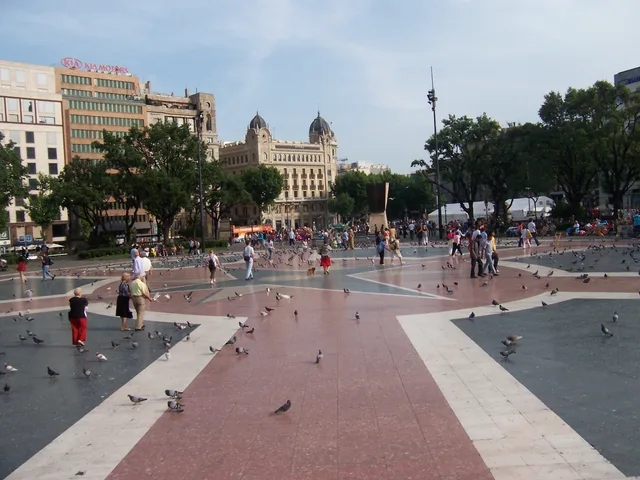
You cross this central junction between the old town and Eixample almost daily to switch between underground lines and night buses, but living beside it means exchanging quiet evenings for relentless transit crowds.
 Սագրադա Ֆամիլիա
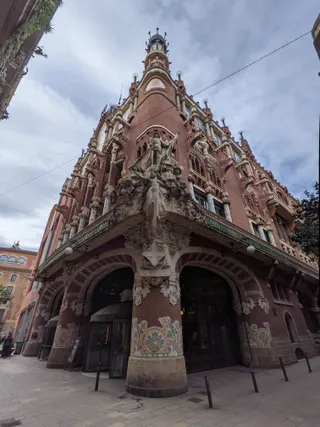 Կատալոնյան երաժշտության պալատ
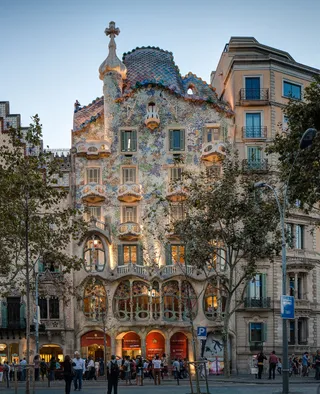 Բալիոյի տուն
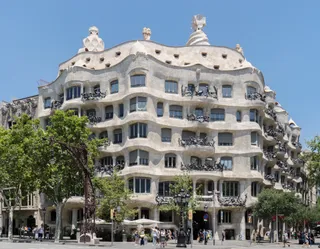 Միլայի տուն
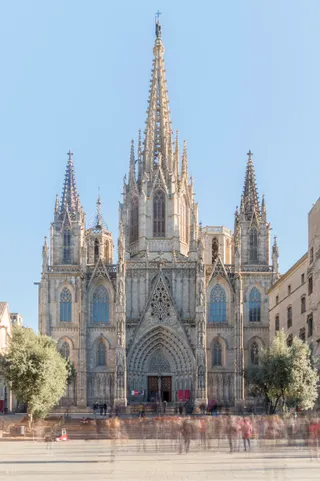 Բարսելոնայի Մայր տաճար
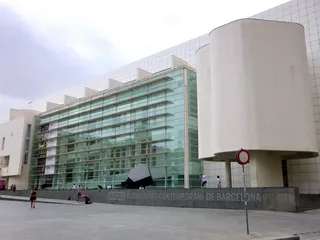 Բարսելոնայի ժամանակակից արվեստի թանգարան
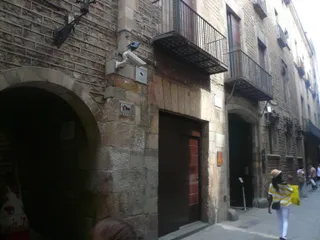 Պիկասոյի թանգարան
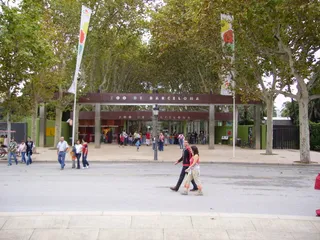 Բարսելոնայի կենդանաբանական այգի
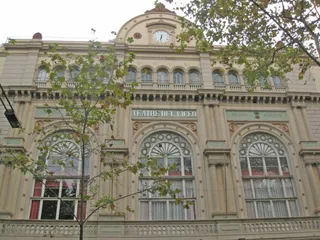 Լիսեո
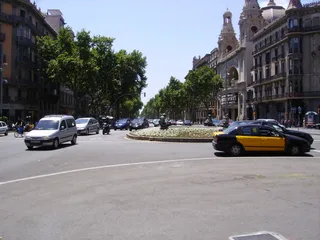 Գրան Վիա փողոց
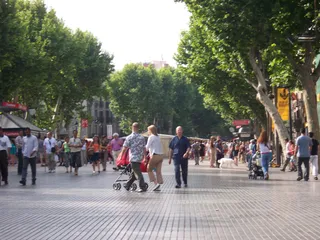 Լա Ռամբլա
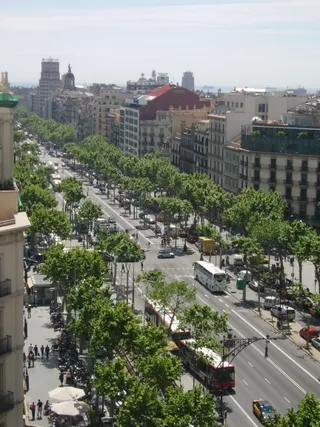 Պասեո դե Գրասիա
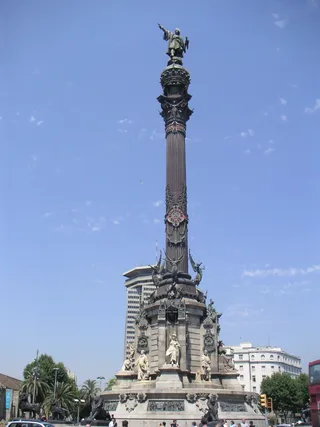 Columbus Monument
 Բարսելոնայի ակվարիում
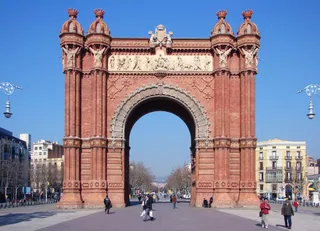 Բարսելոնայի հաղթակամար
 Դիագոնալ պողոտա
 Ֆրանսիական կայարան
 Սանտա Մարիա դել Պի
 Սանտա Մարիա դել Մար
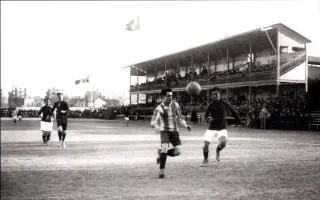 Camp del Carrer Indústria
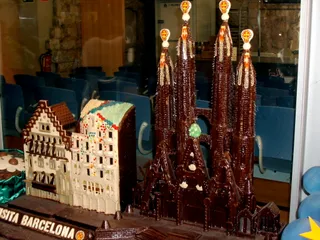 Ամալյեի տուն
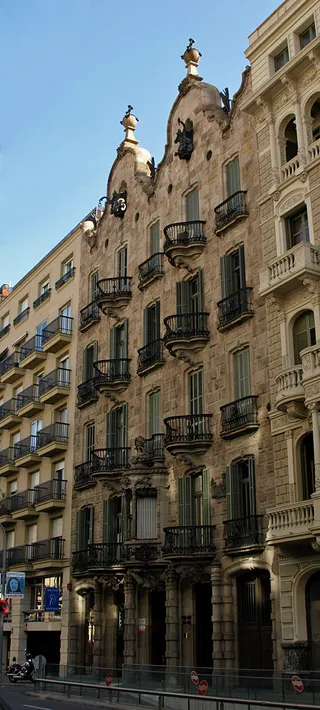 Կալվետի տուն
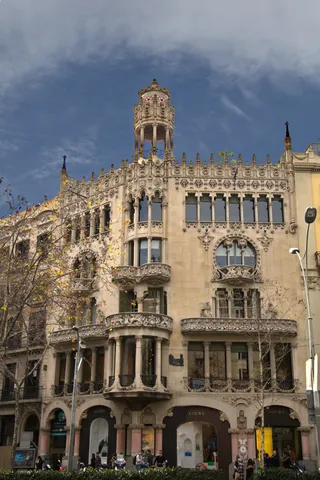 Լեո Մորերայի տուն
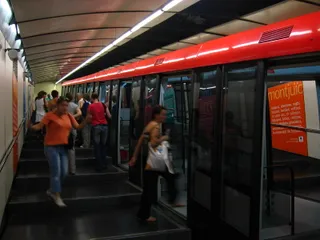 Funicular de Montjuïc
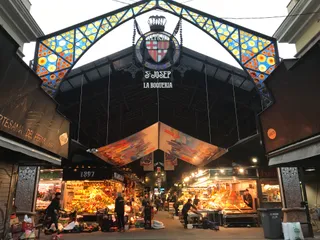 Բոկերիա շուկա
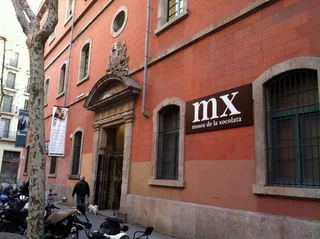 Շոկոլադի թանգարան
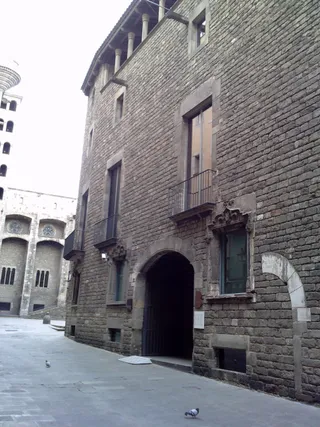 Բարսելոնայի պատմության թանգարան
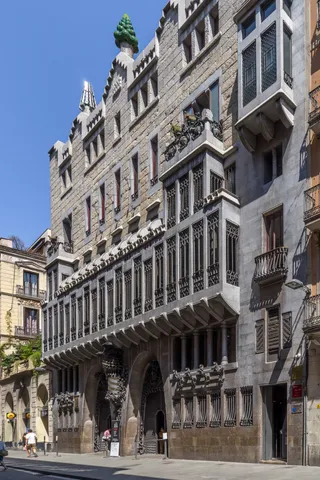 Գուելի պալատ
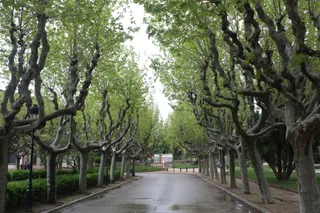 Սյուտադելի զբոսայգի
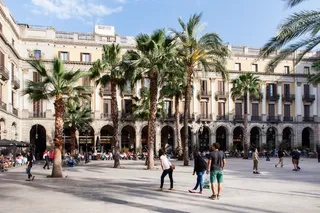 Բարսելոնայի թագավորական հրապարակ
Urban planners laid out the square after demolishing the medieval defensive walls, creating a plaza to connect the historic quarter with the Eixample. Formal approval arrived during the Universal Exposition, followed by redesigns led by Francesc de Paula Nebot for the International Exposition. Beyond formal planning, the open space evolved into a central gathering ground for nationwide anti-government sit-ins and protests.
Historic performance halls including Teatre Barcelona and Eldorado Concert once flanked the square, though none of the original theatres survived into the present day. Literary meeting spots suffered a similar fate during the Spanish Civil War, which caused the closure of Café Colón and Maison Dorée. Café Zurich stands as the lone survivor of that literary café culture, while live performance venues relocated to surrounding streets.
Subterranean tracks make the plaza the primary passenger junction in the city. The terminus of the earliest metropolitan line, originally known as Gran Metro, operates beneath the pavement alongside regional rail platforms and commuter connections. Surface traffic converges on the same hub, where regional coaches, airport shuttles, and the Nitbus nocturnal network depart to link outlying districts after dark.
≈ 25 ր հեռավորության վրաՍագրադա Ֆամիլիա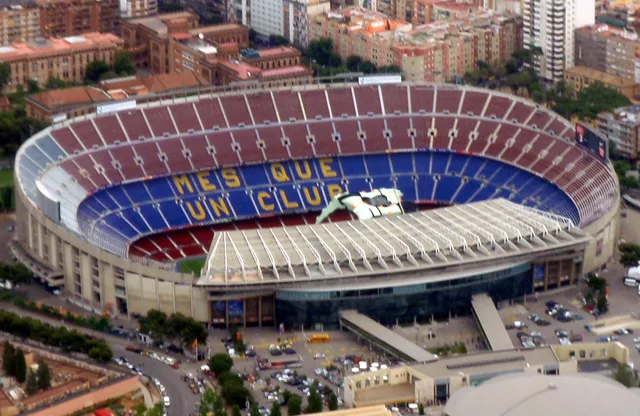 ≈ 50 ր հեռավորության վրաԿամպ Նոու
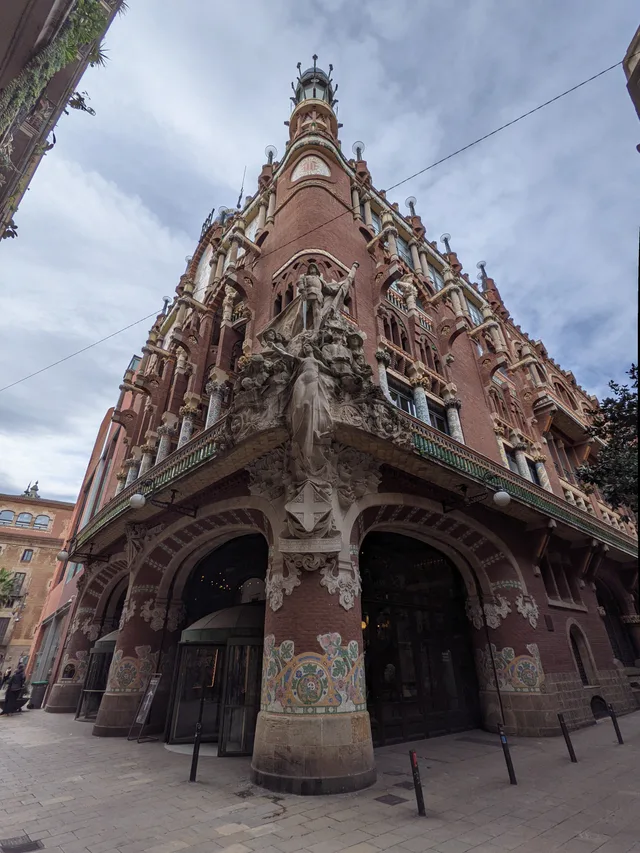 ≈ 5 ր հեռավորության վրաԿատալոնյան երաժշտության պալատ
Չե՞ք գտնում անհրաժեշտ վայրը: Որոնումը հասկանում է ցանկացած լեզու: Բացել որոնումը