 ≈ 25 წთ გზაშისაგრადა ფამილია
- მანძილი
- 1,9 კმ
 TravelHub
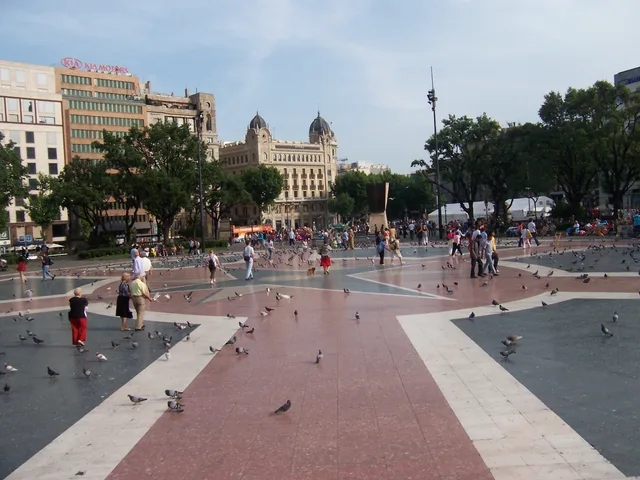
You cross this central junction between the old town and Eixample almost daily to switch between underground lines and night buses, but living beside it means exchanging quiet evenings for relentless transit crowds.
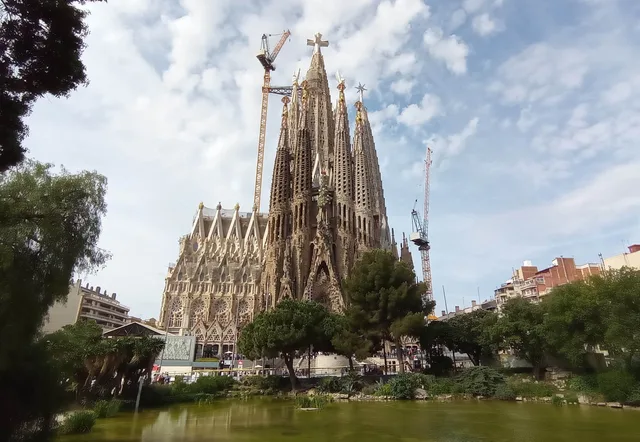
 საგრადა ფამილია
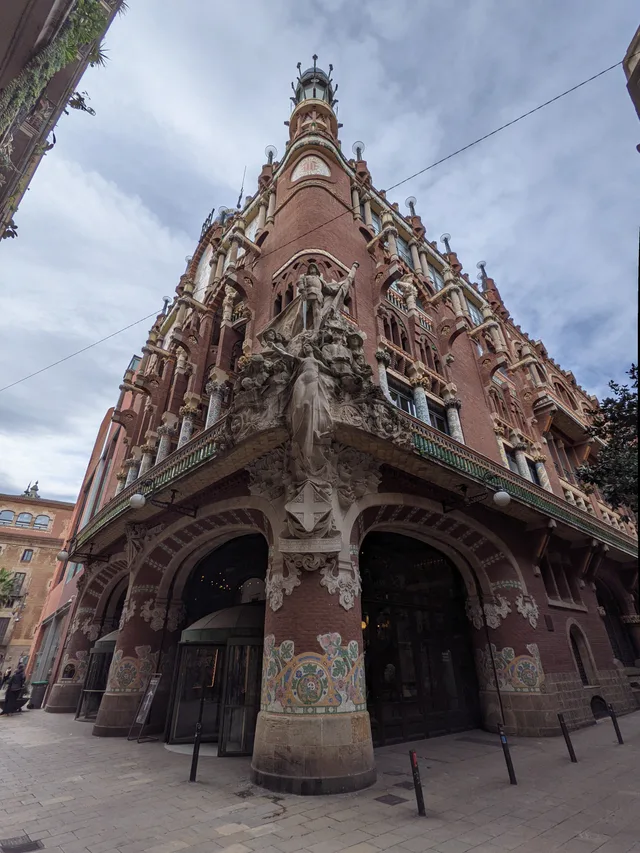
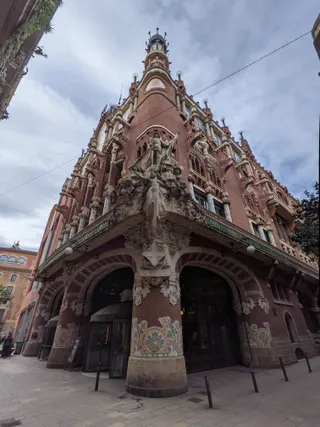 კატალონიური მუსიკის სასახლე
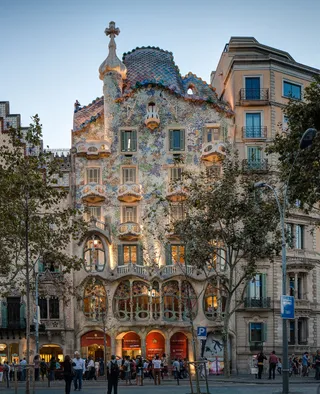 ბატლიოს სახლი
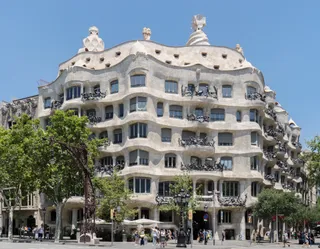 მილას სახლი
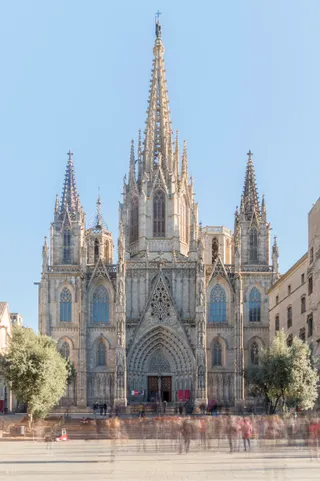 Cathedral of the Holy Cross and Saint Eulalia
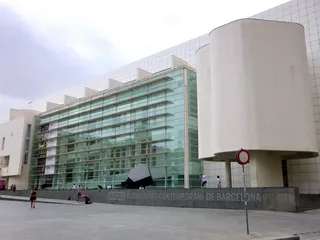 თანამედროვე ხელოვნების მუზეუმი (ბარსელონა)
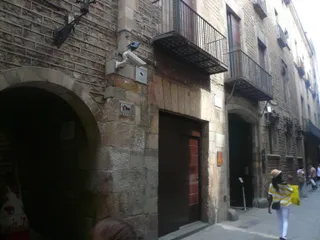 პიკასოს მუზეუმი
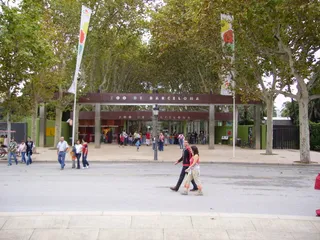 Barcelona Zoo
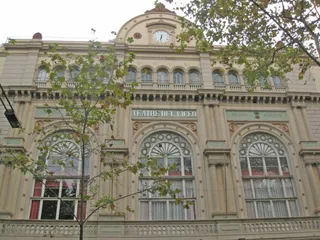 Gran Teatre del Liceu
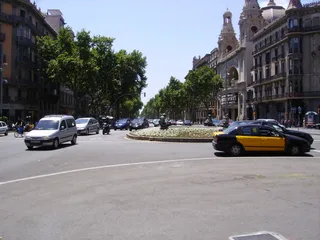 Gran Via de les Corts Catalanes
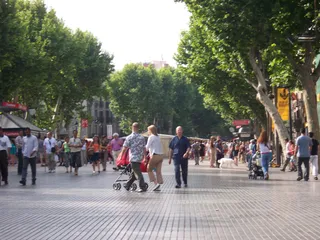 La Rambla
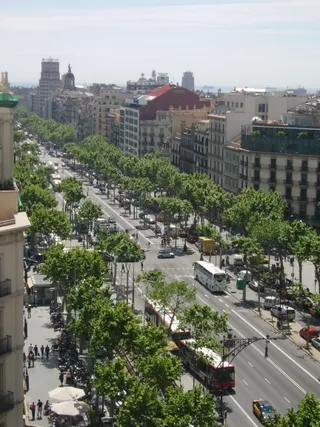 Passeig de Gràcia
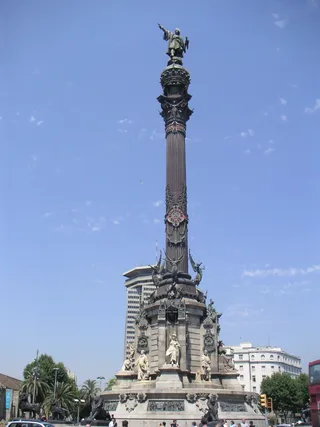 Columbus Monument
 Aquarium Barcelona
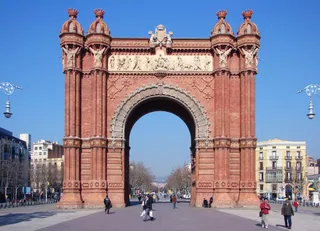 Arc de Triomf
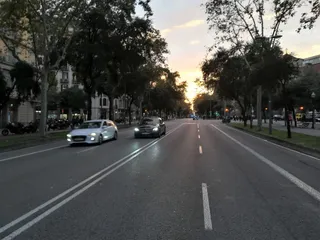 Avinguda Diagonal
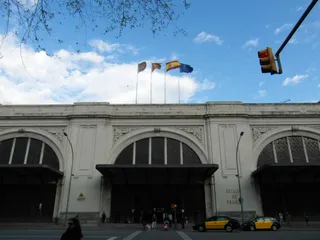 Barcelona Estació de França
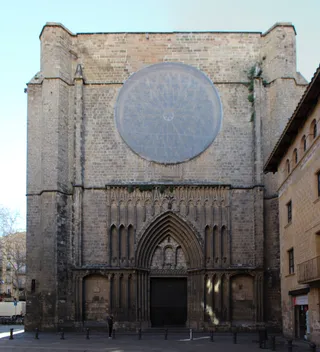 Basilica of Our Lady of the Pine Tree
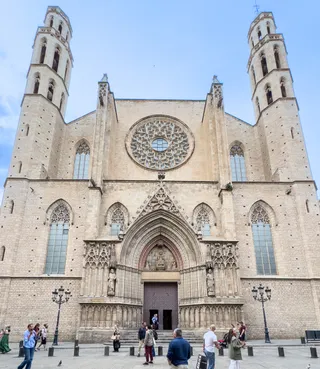 Basilica of Our Lady of the Sea
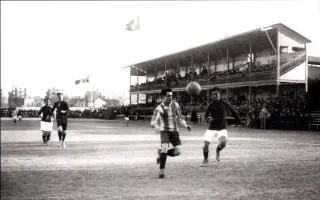 Camp del Carrer Indústria
 Casa Amatller
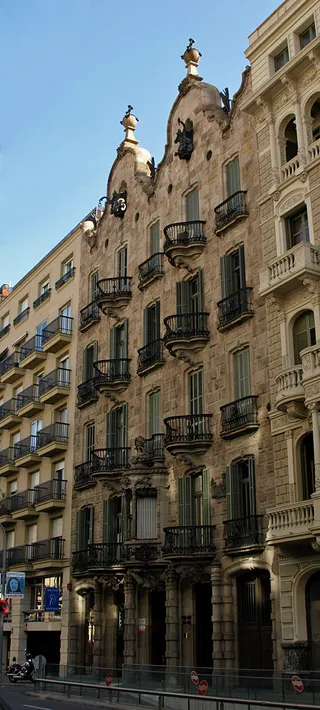 Casa Calvet
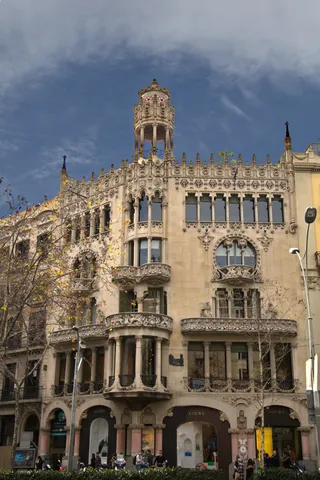 Casa Lleó Morera
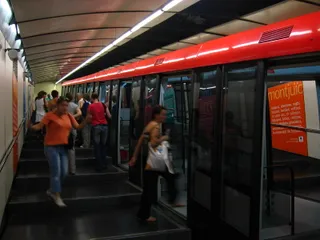 Funicular de Montjuïc
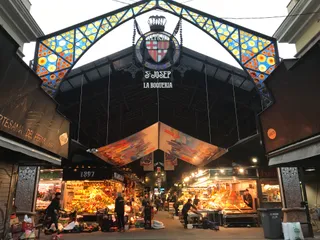 La Boqueria
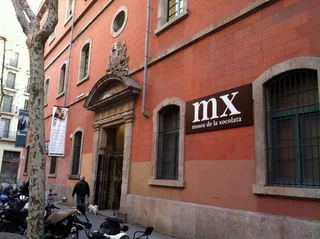 Museu de la Xocolata
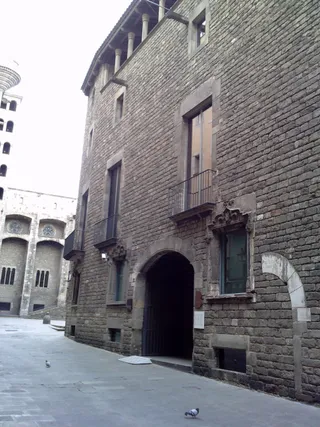 Museu d'Història de Barcelona
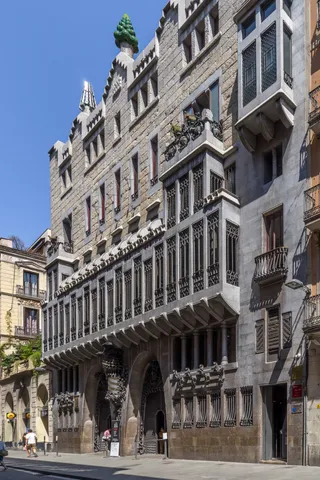 Palau Güell
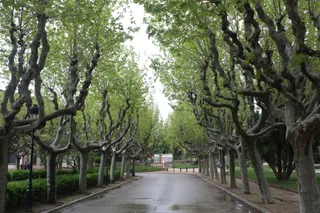 Parc de la Ciutadella
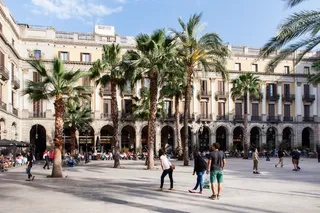 Royal Square
Urban planners laid out the square after demolishing the medieval defensive walls, creating a plaza to connect the historic quarter with the Eixample. Formal approval arrived during the Universal Exposition, followed by redesigns led by Francesc de Paula Nebot for the International Exposition. Beyond formal planning, the open space evolved into a central gathering ground for nationwide anti-government sit-ins and protests.
Historic performance halls including Teatre Barcelona and Eldorado Concert once flanked the square, though none of the original theatres survived into the present day. Literary meeting spots suffered a similar fate during the Spanish Civil War, which caused the closure of Café Colón and Maison Dorée. Café Zurich stands as the lone survivor of that literary café culture, while live performance venues relocated to surrounding streets.
Subterranean tracks make the plaza the primary passenger junction in the city. The terminus of the earliest metropolitan line, originally known as Gran Metro, operates beneath the pavement alongside regional rail platforms and commuter connections. Surface traffic converges on the same hub, where regional coaches, airport shuttles, and the Nitbus nocturnal network depart to link outlying districts after dark.
≈ 25 წთ გზაშისაგრადა ფამილია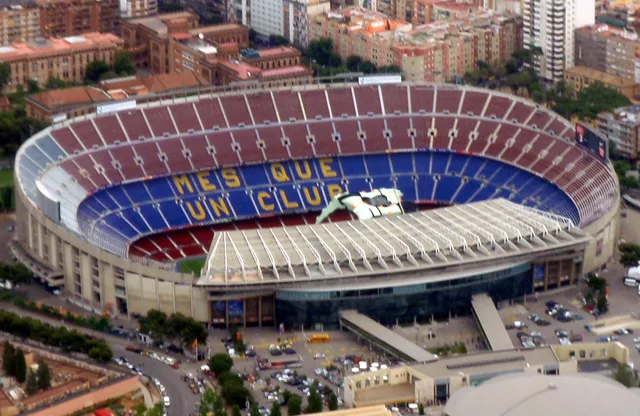 ≈ 50 წთ გზაშიკამპ ნოუ
ვერ პოულობთ სასურველ ადგილს? საძიებო სისტემას ნებისმიერი ენის ესმის. ძიების გახსნა