 ≈ 5 λ. μακριάΒαστίλη
- Απόσταση
- 200 μ.
 TravelHub
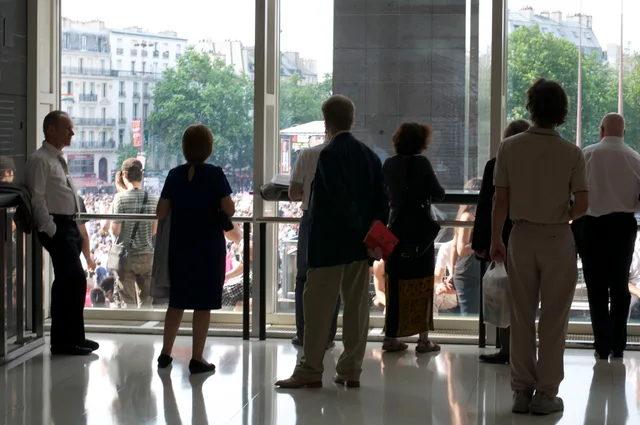
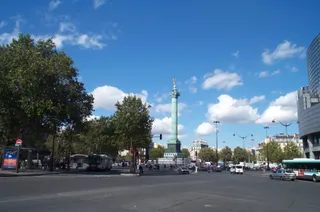
Residents around Place de la Bastille trade quiet evenings for spontaneous political demonstrations and late-night theater crowds right outside their door.
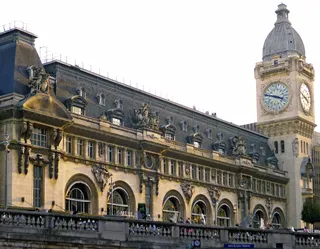
The house functions as the primary stage of the Paris National Opera, handling the bulk of the company's grand opera schedule alongside occasional ballets and symphony concerts. Palais Garnier retains historical repertoire and dance, leaving technical productions to this modern hall. Builders cleared the former Gare de la Bastille railway station to make room for the structure on Place de la Bastille.
State planners placed the institution in an eastern working-class district tied to revolutionary gatherings rather than traditional wealthy enclaves. An international contest selected the design by Carlos Ott, whom evaluators reportedly confused with Richard Meier. Construction survived political shifts and intense disputes, with President François Mitterrand personally intervening to mandate black seats for the main hall.
Budget overruns forced cuts before opening night. Composer Pierre Boulez lobbied for an experimental modular hall that planners abandoned due to delays, though an auxiliary amphitheater survived. Ceremonial concerts directed by Robert Wilson launched the building before construction finished, while Hector Berlioz's Les Troyens supplied the maiden full opera run amid lingering administrative friction.
Τι γράφουν οι επισκέπτες στους Χάρτες Google
Η βαθμολογία και οι πρόσφατες κριτικές από τους Χάρτες Google φορτώνουν κατόπιν αιτήματος.
≈ 5 λ. μακριάΒαστίλη ≈ 35 λ. μακριάΜουσείο του Λούβρου
Δεν βρίσκετε το μέρος που ψάχνετε; Η αναζήτηση κατανοεί οποιαδήποτε γλώσσα. Άνοιγμα αναζήτησης