Skip to content
TravelHub
Siem Reap · Cambodia

Angkor: what's nearby, how to get there and when to go · 2026

Researchers base everyday life in nearby town quarters and commute past ancient moats, because the sacred compound contains preserved sanctuaries but no surviving secular housing.

About the place
About the place

Angkor preserves the religious stone core of an empire whose wooden settlements vanished into the surrounding landscape.

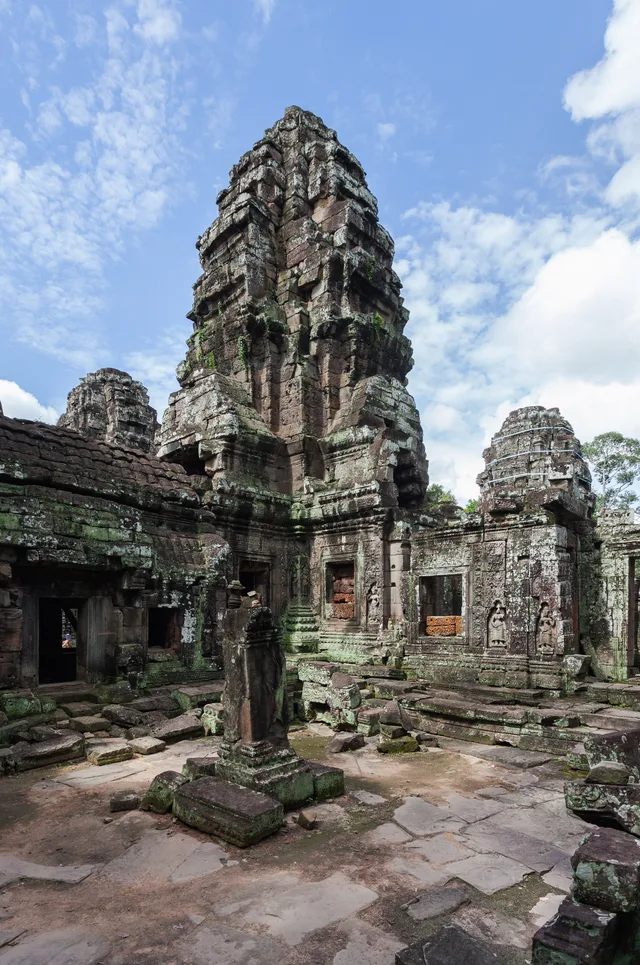
Khmer rulers governed their empire from Angkor, building vast metropolitan quarters around sacred enclosures. Secular halls, administrative offices and the royal palace were built from wood because religious custom permitted only divine residences in stone. Tropical conditions decayed the wooden settlements completely, leaving religious masonry and stone bridges as the sole architectural survivors across the cleared parkland.

Read on

Angkorian architecture arranged temple complexes as miniature cosmologies. Raised pyramids symbolized Mount Meru as the home of deities, while wide moats represented mythological oceans. Monarchs legitimized sovereign authority through the devaraja tradition, uniting personal rule with divine power. State ceremonies centered on sacred stone lingams that merged the reigning king's name with Shiva in the focal sanctuary towers.

Associations
  • Angkor WatMassive temple complex functioning as the primary destination for regional visitors.
  • Temple pyramidsTiered platforms represent Mount Meru surrounded by moats acting as mythic oceans.
  • Devaraja traditionSacred rites established divine status for monarchs through dedicated Shiva shrines.
  • Secular quartersPerishable timber construction leaves no surviving non-religious dwellings on site.
  • Historical recordsSurviving stone inscriptions cover royal rituals but omit common domestic details.
Facts
  • Angkor served as the royal capital of the Khmer Empire under the historic name Yasodharapura.
  • Non-religious buildings including the royal palace were constructed from wood because stone was reserved for deities.
  • Temple-mountain pyramids were designed to represent Mount Meru, while surrounding water moats represented mythological oceans.
  • Central temple lingams carried compound names combining the reigning monarch with Shiva.
Source: Wikipedia
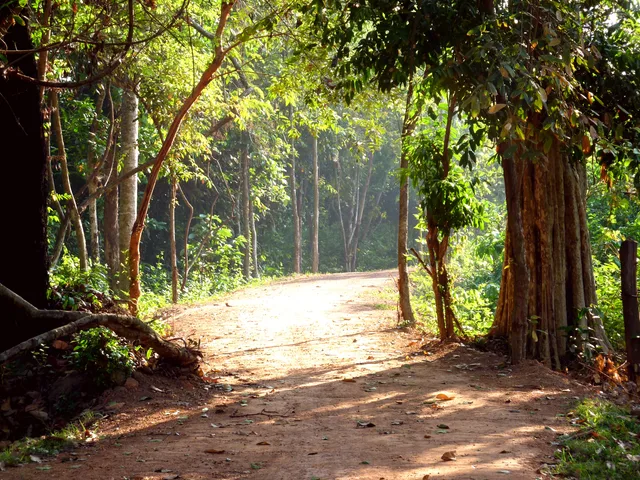
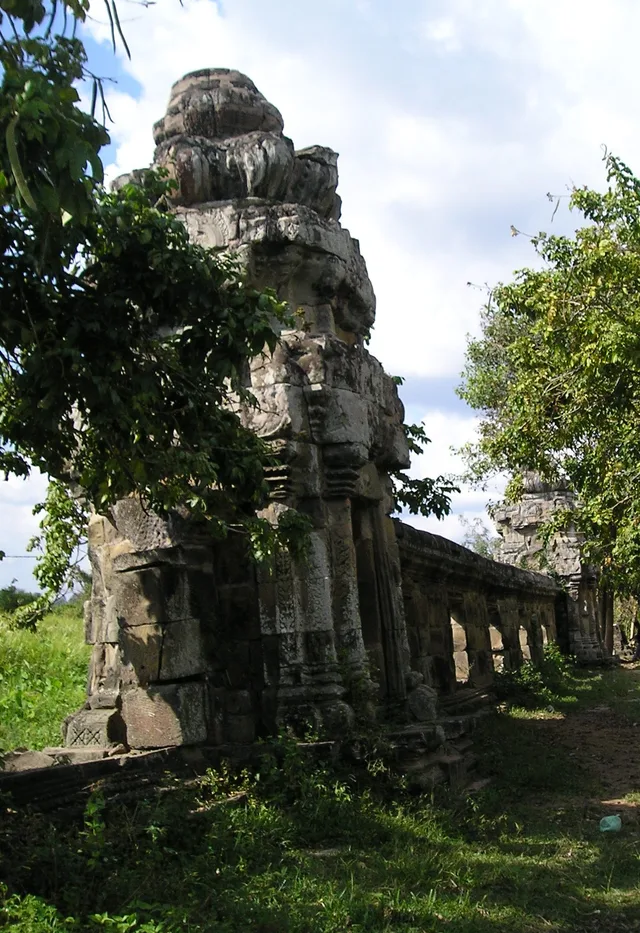
Angkor in pictures6 photos
Anandajoti · cc-by-sa-3.0 · Feb 25, 2010
Christopher Michel · cc-by-2.0 · Mar 5, 2009
Piseth1 · cc-by-sa-3.0 · Jan 31, 2013
Clemens Vasters from Viersen, Germany · cc-by-2.0 · Aug 31, 2003

Getting there and staying

No free-housing hosts here yet — the nearest city with them:

Bangkok868 hosts · 3 hr 40 min
2 sources · As of November 4, 2026
Source: TravelHub · OurAirports (public domain)