

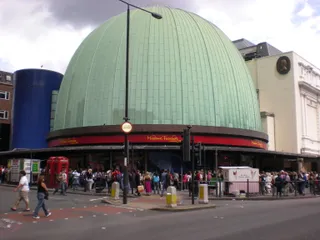
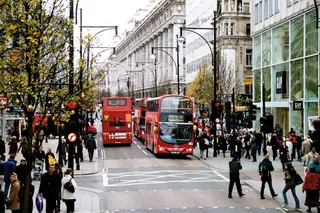
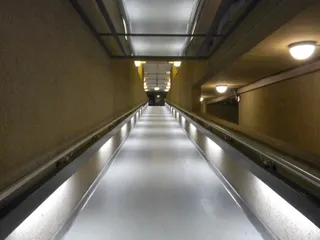
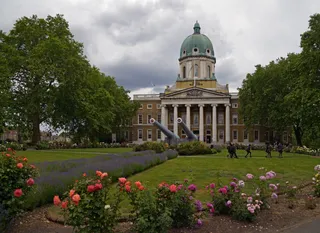
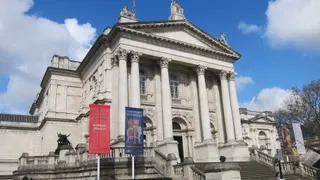

Our lesson followed a strict plan every day, and composed listening, reading, speaking and writing parts. We had a huge amount of home task which was terribly useful for us. Our professor checked the work of every student and after it checked attentively, showed us our mistakes, and explained why it was wrong or appropriate. As the phrase goes, learning from past mistakes is the best tool of teaching. We had two breaks between the lessons, whereby we had an opportunity to communicate with each other, to get acquainted with different cultures, to ask about the current situation in their own states, and just to talk in order to improve our speaking skills. My lessons started at 9.00 a.m. till 13.00 p.m. every day. I lived in East end of London, and my Academy was located in the West end. It took me an hour and a half to get to school. Regardless of the fact that my route seemed too complicated, I felt no difficult ties in it. Every morning I took bus number 105 up to Greenford station, and then changed it for a tube. I liked to use subway, because in my home town we do not have it. It was so interesting to observe people sitting in the tube, some of them were reading books or morning newspapers, “times”, “morning news”, name but a few, or listening to music, talking to each other, sometimes you can even be an evident of a performance of some talented musicians playing in the tube thus boosting your spirit. I liked two aspects in London. the first one is that Londoners are polite and well-bred, they are always ready to lend their hand and show which direction you should better to go if you are lost in the streets, and they are never tired or are lazy to ask you in polite form respectively if they notice that something is wrong with you. The second thing that I fell in love with is that they are able to follow the rules with ease, to listen to and obey. I think that thanks to that quality the Londoners solve the problem connected with traffic in the streets, and hustle and bustle in the tube, thus avoiding every day nerve-wracking which is easily appears in all huge cities. The picture shown above was taken in Cambridge town near well-known Cambridge university press. As the UK is very popular with such historical places as Cambridge University, Oxford castle and royal kew gardens , I could not stand visiting these places. My two weeks in London passed so fast and without being noticed. Every morning when I got up I made a plan where I should go and which places I should visit. I understood only one thing, this is that London is actually tremendous city which needs more than a week in order to visit all three parts of London, precisely city, west, and east parts. The architecture of London is worth to be mentioned also. All buildings have their own history, style and shape. For that reason London attracts tourists intensively from all over the world. Though I went to study to London alone from Kazakhstan for that moment I was not scared to go to the nearest cities of England. I was lucky to visit oxford and Cambridge. I met new friends from turkey and Kazakhstan in oxford who travelled and also have been studying there for more than two years. I was impressed Especially by Cambridge town, may be because it is the students’ town. The streets, people and even Cambridge library seemed to me so warm and close. May be it sounds lackluster; however I entered to Cambridge library and asked librarian to register me in their place as a constant reader. I was interminably happy to give my exclusive attention to it, to dedicate some of my time just to seat in that library, to look through the books which I am interested in, and then finally I bought two books for reading as a keepsake. For the first time before I had come to London I thought that for me it would be sometimes hard to understand Londoner’s accent, Because I heard several times that English of Londoners and their speech are ghastly difficult to understand. But my doubts fell aw
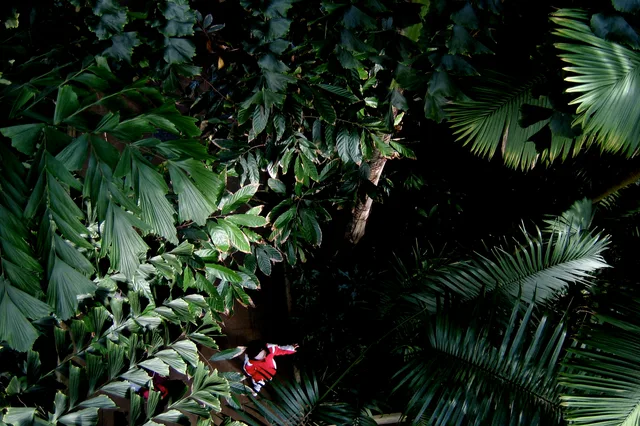
Kew Gardens: what's nearby, how to get there and when to go · 2026
Commuters pass through four designated public gates to reach extensive plant collections, relying on District line and London Overground links.
Historic glasshouses and living plant repositories define daily work across the grounds.
The estate grew from royal holdings that merged during the eighteenth century, integrating historic landmarks such as the Great Pagoda and Kew Palace. Nineteenth-century developments introduced major glass architecture, notably the Palm House made of structural wrought iron and the later Temperate House, creating specialized environments for exotic species.
Read on
Arrivals depend on transit links around Kew Road and the Thames, using rail stops at Kew Gardens and Kew Bridge alongside local bus routes. Public access concentrates through four specific gates, with Victoria Gate holding the primary visitors facility, shaping daily pedestrian circulation around the surrounding residential streets.
- Palm House
- Great Pagoda
- Gate Access Limits
- The grounds hold designated status as a UNESCO World Heritage Site.
- The Palm House uses hand-blown glass panes on an iron framework.
- Victoria Gate on Kew Road serves as the main site for the visitor centre.
- Kew Gardens station provides passenger access via the District line and London Overground.
Getting there and staying
No free-housing hosts here yet — the nearest city with them:
Paris2 sources · As of November 3, 2026
People who have been here
Similar nearby
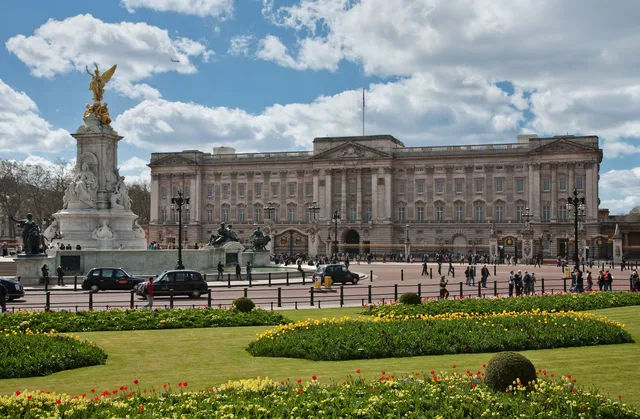 ≈ 30 min awayBuckingham Palace
- Distance
- 11 km
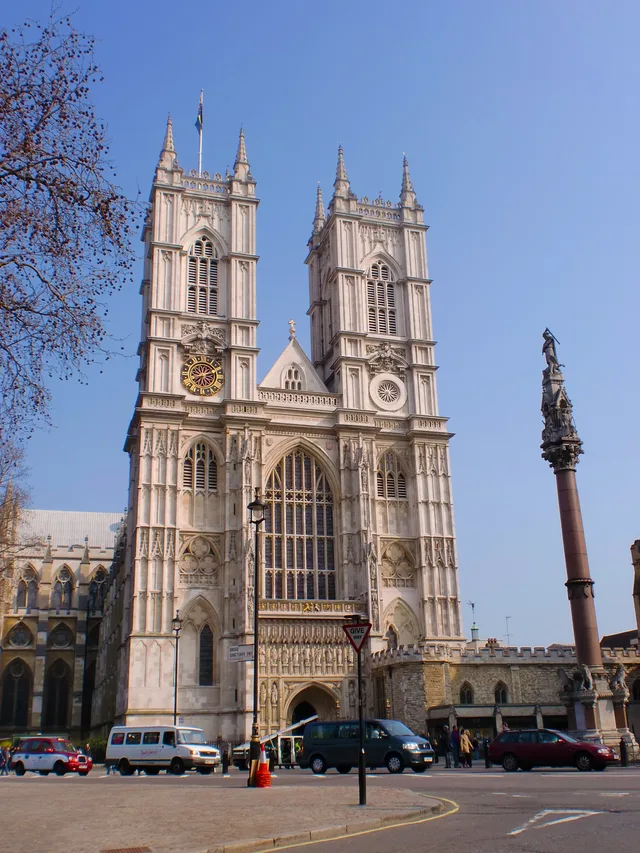 ≈ 35 min awayWestminster Abbey
- Distance
- 12 km
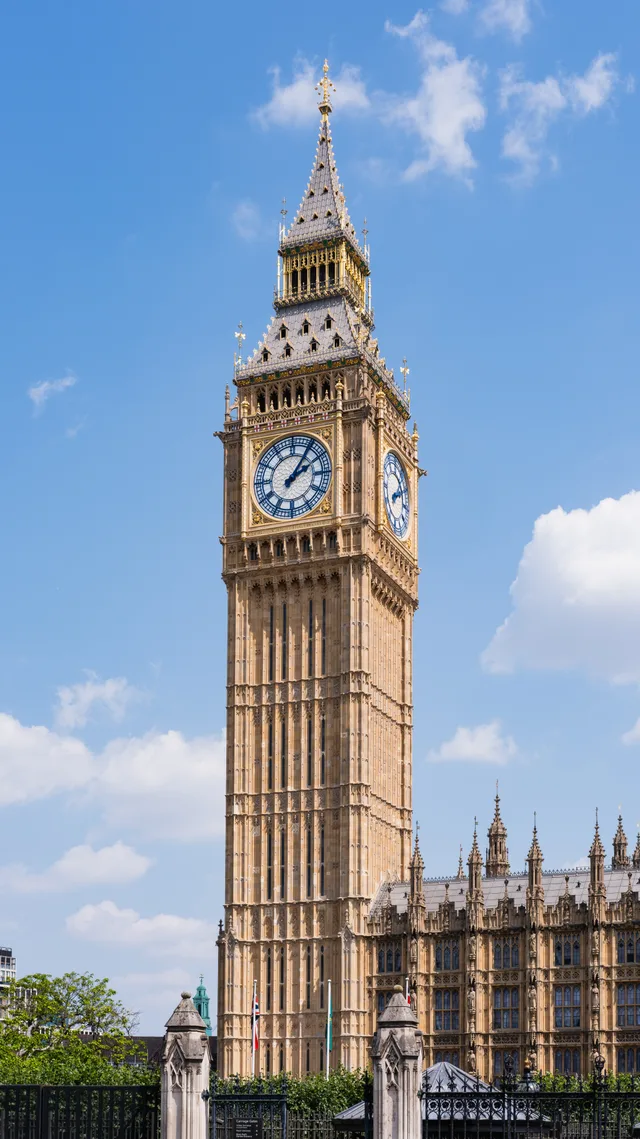 ≈ 35 min awayBig Ben
- Distance
- 12 km
Cities of United Kingdom
Places in Kew Gardens
Countries nearby
Frequent questions about Kew Gardens
Can’t find the place you need? Search understands any language. Open search