
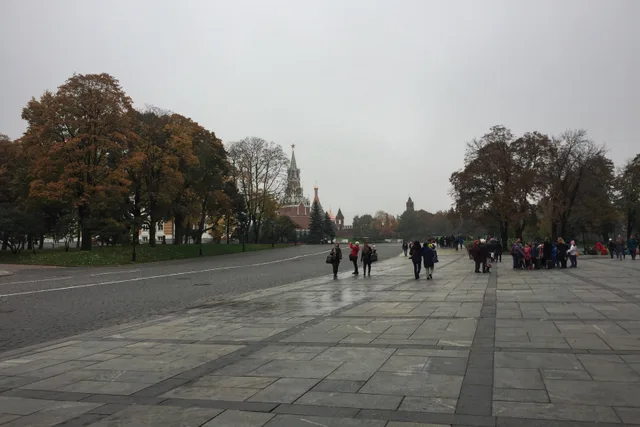
 ≈ 1 st. attālumāKremlis
- Attālums
- 4,8 km
 TravelHub
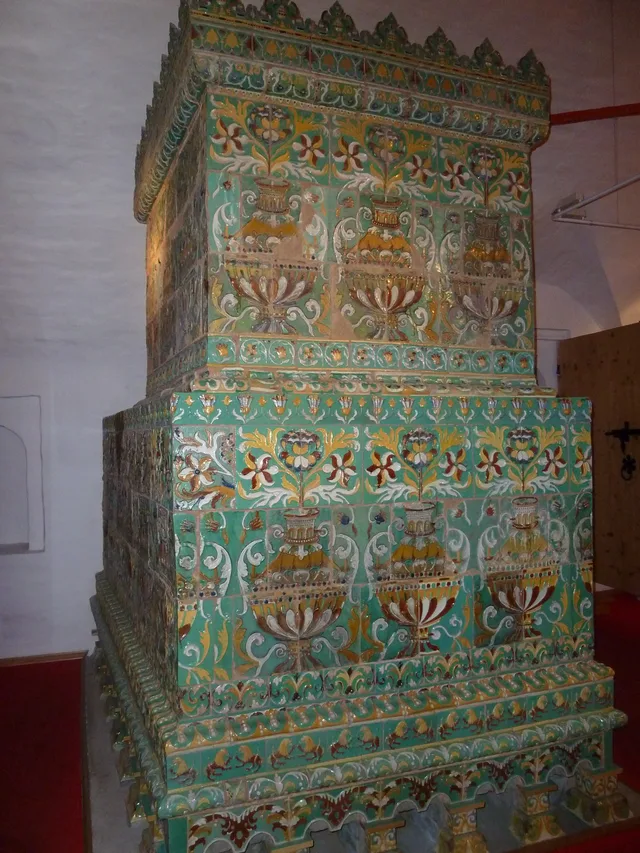
Tenants settling in Khamovniki trade commercial nightlife for quiet circuits around the convent pond, accepting that basic grocery runs require a hike past the fortress towers.
Grand Duke Vasily established the cloister to celebrate the capture of Smolensk, naming it in honor of the Smolensk Icon of the Mother of God Hodegetria. The compound formed an anchor in the defensive belt safeguarding southern approaches to the capital. Hostile Polish troops once occupied the fortress before garrison guards retook the perimeter. UNESCO recognized the complex as a World Heritage Site for its intact architecture.
The convent served as an enforced sanctuary for prominent noblewomen from royal and boyar families. Inmates forced to take the veil included Sofia Alekseyevna, Irina Godunova, and Eudoxia Lopukhina. Later imperial administrations added a military hospital and orphanages. When invading French troops attempted to detonate the cloister, resident nuns extinguished the fuses and preserved the compound from demolition.
Soviet officials closed the religious community and opened the Museum of Women's Emancipation before handing control to the State Historical Museum. Converting historical cloister facilities into communal apartments shielded the structural fabric from demolition. The adjacent field in Khamovniki long operated as the city's primary public skating rink, where Leo Tolstoy exercised while living in the surrounding quarter.
Ko apmeklētāji raksta Google Maps
Vērtējums un jaunākās atsauksmes no Google Maps ielādēsies pēc pieprasījuma.
≈ 1 st. attālumāKremlis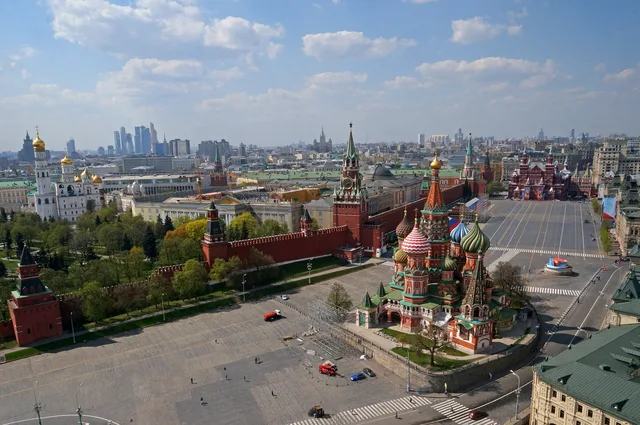 ≈ 25 min attālumāSarkanais laukums
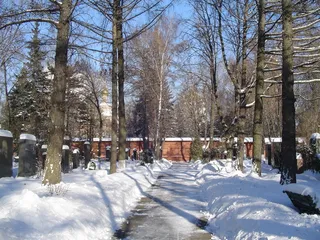
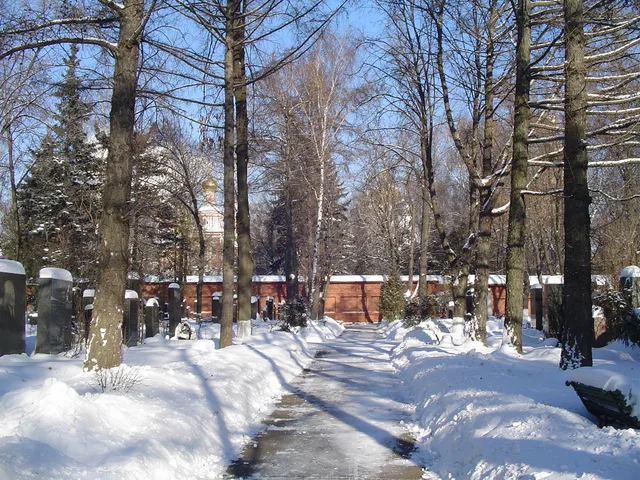 ≈ 5 min attālumāNovodevičjes kapsēta
Nevarat atrast vajadzīgo vietu? Meklēšana saprot jebkuru valodu. Atvērt meklēšanu