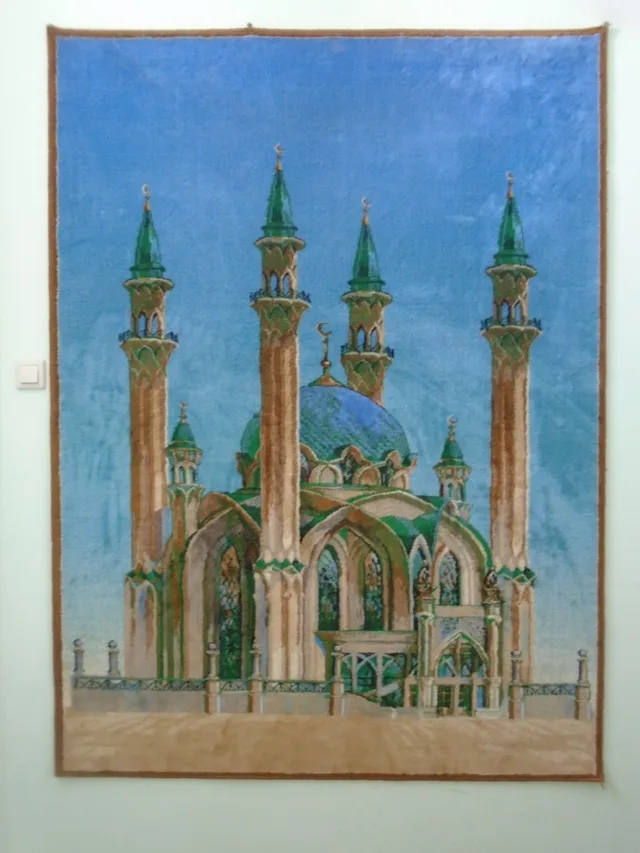
 ≈ 45 min attālumāQol Şärif Mosque
- Attālums
- 3,4 km
 TravelHub
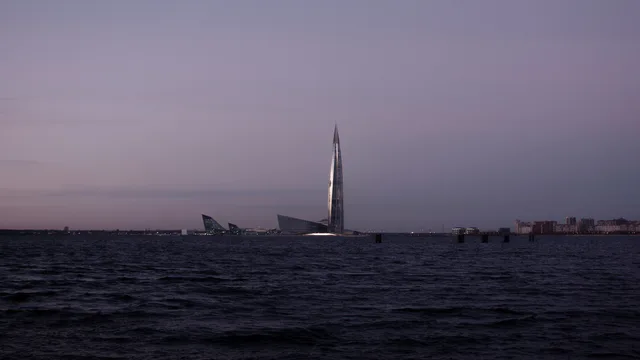
Long-term researchers in Kazan spend their months analyzing preserved wartime heavy armor firsthand, trading brief museum strolls for technical assessments of surviving Soviet combat vehicles.
Soviet engineers designed the self-propelled assault howitzer to destroy concrete fortifications and support advancing infantry formations. Although conceived for bombardment, the vehicle became a feared tank killer because its heavy high-explosive shells relied on sheer blast energy rather than velocity to dislodge armored turrets. Subsequent solid-core penetrating projectiles offered little accuracy advantage over blast rounds.
Severe ergonomic constraints burdened every crew, including tight interior spaces, a slow rate of fire, and limited shell storage. Sloped frontal armor left the hull vulnerable to enemy return fire at combat ranges, while turretless tank destroyers frequently survived concussive blasts to fight again after repairs. Armored units eventually transitioned to better-protected successor vehicles carrying identical heavy armament.
≈ 45 min attālumāQol Şärif Mosque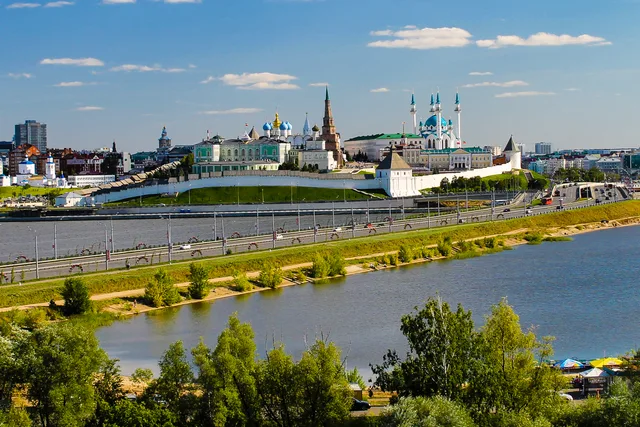 ≈ 45 min attālumāKazaņas kremlis
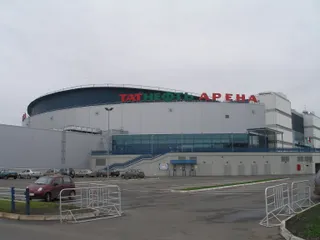
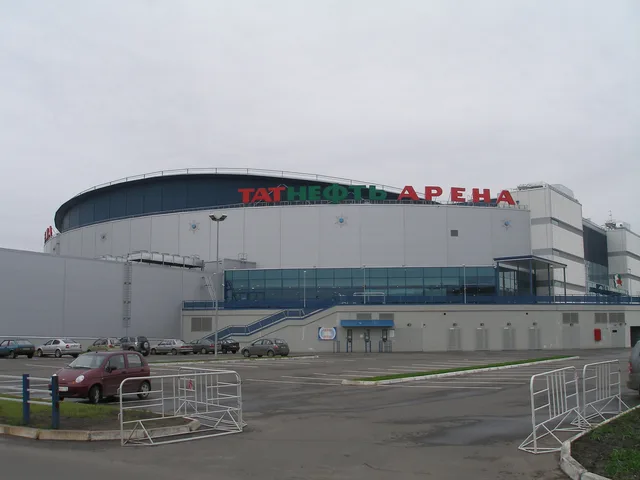 ≈ 25 min attālumāTatNeft Arena
Nevarat atrast vajadzīgo vietu? Meklēšana saprot jebkuru valodu. Atvērt meklēšanu