
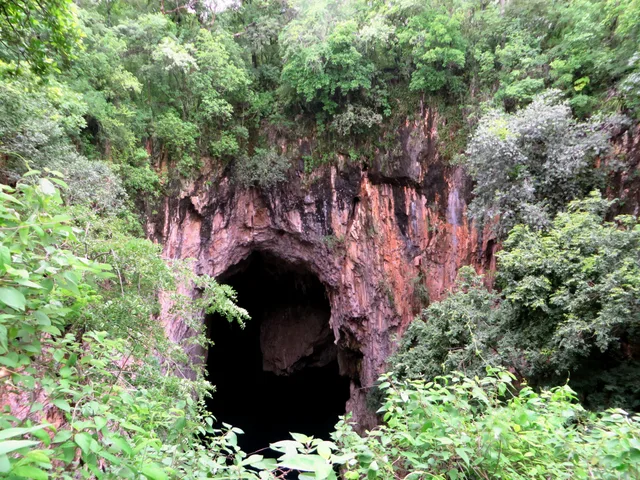
 ChinhoyiChinhoyi Caves
იცხოვრე
ზიმბაბვე: სამოგზაურო გზამკვლევი, ვიზები და უფასო საცხოვრებელი · 2026
Residents rely on private boreholes and solar setups to handle municipal utility cuts, making self-contained housing the first priority for any extended stay.
ახლა ქალაქშიზიმბაბვე
შესვლააირჩიეთ პასპორტი
ადგილები რუკაზე20გაცვლითი კურსი14,10 P2 ნოე. 2026-ის მდგომარეობით
ადგილობრივი ენაEnglishქვეყნის ღირსშესანიშნაობები
- Government offices, banks, and corporate workplaces
- English
- Harare and the Mashonaland provinces
- English and Shona
- Bulawayo and the Matabeleland provinces
- English and Ndebele
«Mhoroi» — Polite greeting used for elders, professionals, and service staff in Shona.
ადგილის შესახებ
Landlocked between two major rivers, Zimbabwe pairs high-plateau cities with extensive savanna reserves.
Urban life centres on Harare and Bulawayo across the high plateau between the Zambezi and Limpopo basins. Masvingo anchors the southern interior near the stone ruins of Great Zimbabwe, where ancestral dry-stone architecture established regional trade routes. Modern transport routes, including the transcontinental highway from Cairo to Cape Town, intersect across these central highlands to connect mining and agricultural zones.
წაიკითხეთ მეტი
Local arts feature soapstone and verdite carving traditions alongside recognized literature and independent theater in municipal centers. Daily food revolves around sadza, a thick cornmeal staple paired with meat stews or peanut sauces, while communal braai gatherings anchor social life around open wood grills. Tanganda tea and Mazoe citrus cordial remain household staples across both rural communities and city suburbs.
Long-term residency requires self-reliant utilities, as city houses routinely integrate rooftop solar setups and private boreholes to bypass municipal electricity and water interruptions. Intercity road journeys involve frequent police checkpoints that inspect mandatory vehicle safety gear like hazard triangles. Service stations operate on physical currency rather than bank cards, necessitating advance cash planning for travel.
ასოციაციები
- დიდი ზიმბაბვე
- Shona stone sculpture
- Sadza
- Utility interruptions
- Highway checkpoints
ფაქტები
- The territory is bounded by the Zambezi River to the north and the Limpopo River to the south, sharing land borders with South Africa, Botswana, Zambia, and Mozambique.
- Harare serves as the national capital, while Bulawayo functions as the secondary administrative and commercial hub.
- Traditional sculptors produce stylized figures using native soapstone, serpentine, and verdite.
- Domestic filling stations generally reject payment cards, requiring motorists to settle fuel purchases with physical cash.
წყარო: Wikipedia · Wikivoyage
ვიზა და პრაქტიკული რჩევები
აირჩიეთ პასპორტი
მიუთითეთ თქვენი პასპორტი — დამუშავების დრო, მოსაკრებელი და საჭირო დოკუმენტები პასპორტის მიხედვით განსხვავდება.
სასარგებლო რჩევები
- Motorists must carry emergency equipment including fire extinguishers, spare tyres, hazard triangles, and reflective markers to prevent police fines.
- Driving after dark outside major urban areas carries elevated collision and hijacking hazards.
ხშირად დასმული კითხვები
What is the staple food in Zimbabwe?
Meals in Zimbabwe center on sadza, a stiff porridge prepared from ground maize. It is commonly served alongside meat stews or vegetable relishes. Braai, a traditional wood-fired barbecue featuring various cuts of beef and sausage, is also widely eaten.
წყარო: Wikipedia · WikivoyageWhat safety precautions should drivers take on Zimbabwean roads?
Traffic moves on the left side of the road. Motorists must carry mandatory safety gear, including hazard triangles, a spare tyre, and a fire extinguisher, to avoid police fines. Night driving outside urban centers is discouraged due to vehicle conditions and potential road hazards.
წყარო: Wikivoyage · WikivoyageWhat local drinks are traditional to Zimbabwe?
Mazoe orange crush is a standard concentrated fruit beverage mixed with water. Popular alcoholic beverages include commercial lagers such as Zambezi and Chibuku, a traditional brew made from fermented maize and sorghum. Black tea with milk is also widely consumed throughout the day.
წყარო: WikivoyageWhat public transport options exist for travel between Zimbabwean cities?
Intercity travel relies primarily on scheduled long-distance coaches operating from terminals such as RoadPort in Harare. Minibus taxis provide transit in major urban areas. Passenger rail services remain suspended across the national network.
წყარო: WikivoyageHow should visitors handle electrical and water service interruptions?
Municipal power and water networks experience frequent disruptions across urban centers. Many residences and facilities rely on private boreholes, solar installations, or backup generators. Travelers should maintain extra drinking water supplies when moving through less populated regions.
წყარო: Wikivoyage · WikivoyageWhat countries border Zimbabwe?
Zimbabwe is a landlocked nation located in southern Africa. It shares land borders with Zambia to the north, Mozambique to the east, South Africa to the south, and Botswana to the southwest.
წყარო: WikipediaWhat are the prominent traditional visual arts in Zimbabwe?
Stone carving is a major artistic tradition, with sculptors working in native minerals such as soapstone, serpentine, and verdite. Other traditional crafts include intricate basketry, pottery, and textiles.
წყარო: Wikipediaუსაფრთხოება და ჯანმრთელობა
უსაფრთხოება · ოფიციალური რჩევებიჩვენი მონაცემები 3 ნოე. 2026-ის მდგომარეობით
Pedestrians and cyclists are prohibited from using signed thoroughfares surrounding the presidential residence.
Foreign visitors should refrain from attending political demonstrations and rallies.
Vehicles drive on the left side of the roadway.
1 დამატებითი რისკი
Discussions regarding domestic political figures and state governance are discouraged.
წყარო: UK FCDO Foreign Travel Advice · US Department of State Travel Advisory · Wikivoyage
ენა და კულტურა
ხუთი ფრაზა პირველი დღისთვის და სიტუაციები, სადაც ენის ცოდნის გარეშე გაგიჭირდებათ
English is an official language and serves as the principal medium for government, commerce, education, and public signage. Visitors and long-term residents can handle administrative procedures, banking, accommodation, and daily shopping entirely in English.
ხუთი ფრაზა პირველი დღისთვის
- MhoroiMhoroi
- Maita basaMaita basa
- Marii?Marii?
- Ndinokumbirawo sadzaNdinokumbirawo sadza
- SalibonaniSalibonani
2 დამატებითი ფრაზა
- SiyabongaSiyabonga
- Yimalini?Yimalini?
სად დაგჭირდებათ ენა
| სიტუაცია | ენა |
|---|---|
| Government offices, banks, and corporate workplaces | English |
| Harare and the Mashonaland provinces | English and Shona |
| Bulawayo and the Matabeleland provinces | English and Ndebele |
| Minibus taxis, bus terminals, and informal retail markets | Shona or Ndebele, with English widely understood |
| Police checkpoints and official inspections | English, Shona, or Ndebele |

ენაუფასო
ინგლისური ენა: სისტემური გადასვლა A2 → B2StudyHub· ≈ 110 საათი
ზიმბაბვე-ის ქალაქები
ადგილები ზიმბაბვე-ში
ვერ პოულობთ სასურველ ადგილს? საძიებო სისტემას ნებისმიერი ენის ესმის. ძიების გახსნა