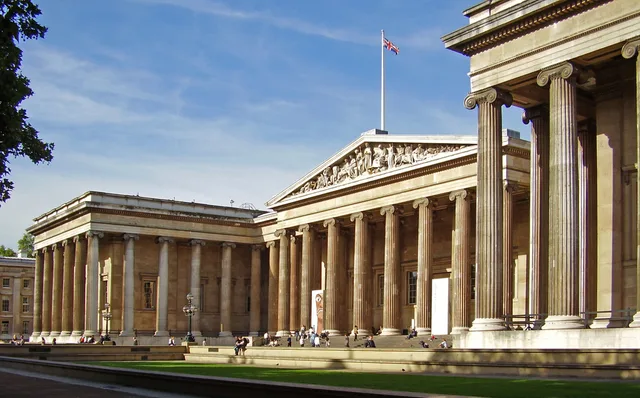
 à ≈ 35 minBritish Museum
- Distance
- 2,7 km
 TravelHub
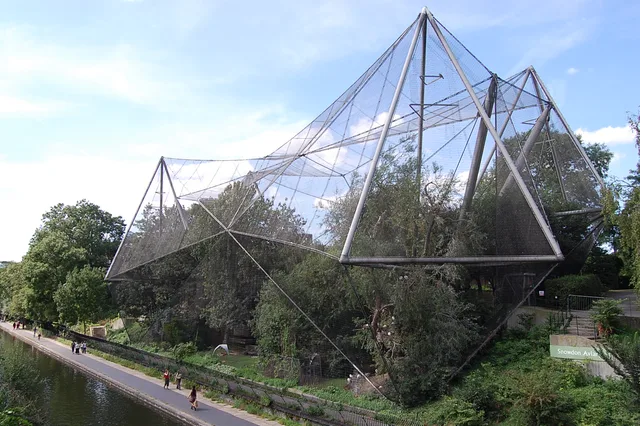
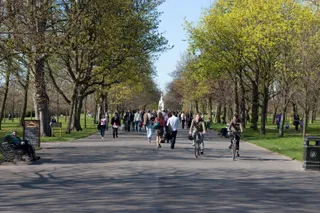
Volunteers commit to weekly shifts in red pullovers, trading early morning mist in Regent's Park for conservation rounds before the public gates unlock.
The Zoological Society established the grounds for scientific study before opening gates to the public to fund operations. Early keepers kept tropical specimens indoors under the assumption that northern winters would kill them. Later reforms moved animals into open-air habitats based on continental designs, while a companion park outside the capital accepted larger herds that required extensive rural acreage.
Air raids damaged several animal houses during wartime, prompting keepers to destroy venomous stock for neighbourhood safety while shifting vulnerable species out of the metropolitan center. Decades later, changing public attitudes toward urban captivity caused severe budget deficits and an impending shutdown. A surge of local donations and civic backing rescued the institution, establishing a corps of volunteers in red pullovers.
Beyond exhibition grounds, the institution manages international breeding partnerships to preserve endangered wildlife, a role that expanded after transferring rare desert ungulates overseas for cooperative reproduction. The historic enclosures also remain familiar through cinema, from vintage postwar thrillers featuring the terraces to reptile exhibits that draw continuous crowds of fantasy film enthusiasts.
Aucun hôte proposant un logement gratuit ici pour le moment — la ville la plus proche en proposant :
ParisCe que les visiteurs écrivent sur Google Maps
La note et les avis récents de Google Maps se chargent à la demande.
à ≈ 35 minBritish Museum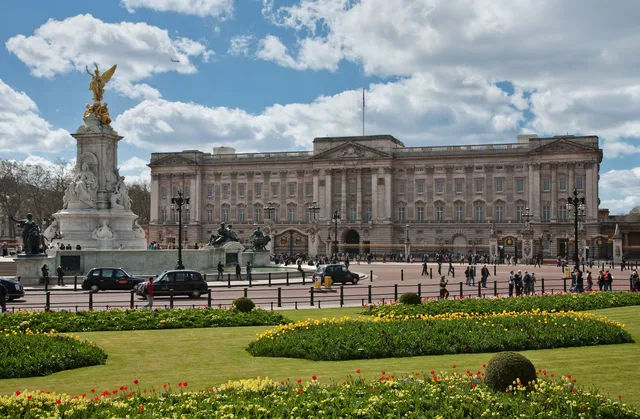 à ≈ 50 minpalais de Buckingham
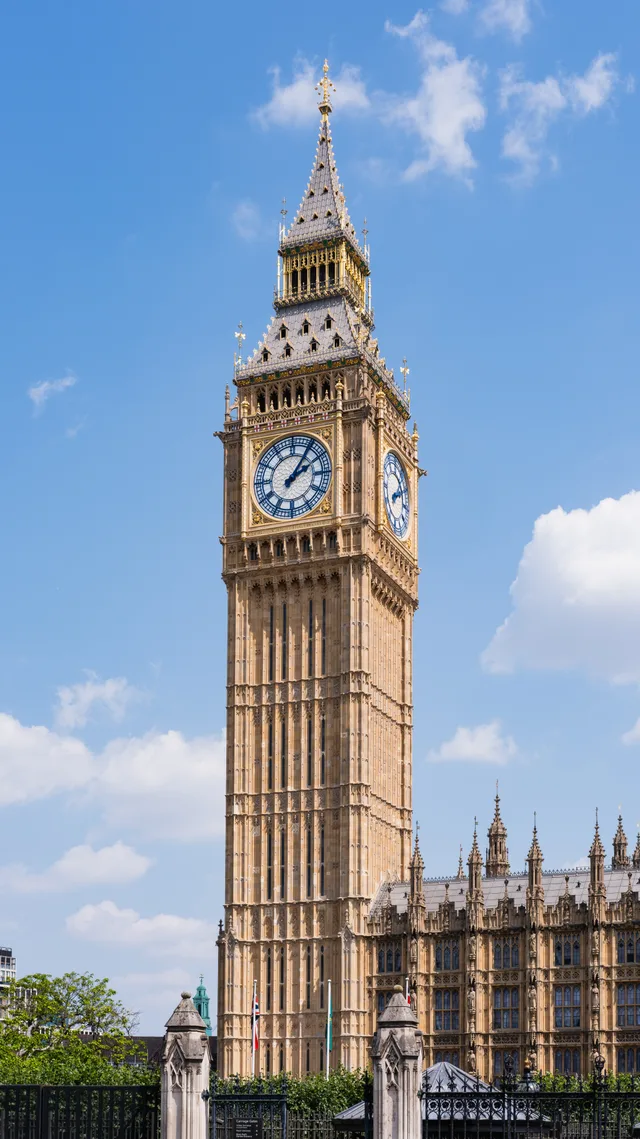 à ≈ 55 minBig Ben
Vous ne trouvez pas la destination souhaitée ? La recherche prend en charge toutes les langues. Ouvrir la recherche