
Zhanzhigit Aray Almaty My life is my story Life is so interesting, sometimes complicated, incomprehensible, and absolutely unexplored for every person. It is one thing to learn and take examples from others, and quite another to live your own life. After all, everyone's life is their own and very important to each of us. Our life is shorter than we think, isn't it? It is fleeting, so much so that sometimes you don't realize how everything has changed. And yet, life is a series of events, both good and bad, happy and unfair moments. But each of them teaches us to be grateful, strong, and resilient. Thanks to such moments, a person grows, gains wisdom, and most importantly, experience. It is important to say that for a person—even if not for everyone, then for me—a large part of the life lessons I received came from good events. The emotions and sensations they gifted me are never forgotten and remain a great life experience. Since my first trip abroad, travel has become one of the best memories for me. I am a girl from a very ordinary family, where my mother worked as a teacher and my father as a driver. I lived an average life, if you think about it, but thanks to the love and care of my parents and sisters, I felt we were very rich. But I turned thirteen, and my life turned upside down. Losing the pillar of the family and the person I loved most was not one of the easy moments of my life. My inner little girl faded, thinking about my mother who was left alone at home while her daughter studied at a boarding school. I became too withdrawn, shy, completely different from who I was before. And then, at the end of 2019, finding out that my uncle and his family were flying to Istanbul, my mother gathered her money and sent me with them. I was very pleased; I was so looking forward to this trip, which lived up to my expectations one hundred percent. A city that included both culture and modernity, kind and sincere people, made me feel a new, yet unexplored feeling. This trip changed my life. Yes, just one trip that influenced my life so much that my soul now strived to know what lies ahead. I knew there was still more I had to see. After all, in the last decade, there have been a myriad of opportunities for students and schoolchildren to gain experience abroad. The number of summer camps that send students to different countries to learn languages and get acquainted with new cultures has started to grow. But there are requirements here, such as expenses, which are fully paid by the student and their parents. Unfortunately, not all parents can afford such tours and camps. But in such cases, there are many programs that help with financial issues. Even if you couldn't go abroad upon finishing school, there are many opportunities to study abroad for a certain time through programs of various universities, states, or well-known programs (Erasmus+, Erasmus Mundus, Mevlana), which in turn are famous for their generous sponsorship conditions. If you look, a multitude of opportunities open up for students. And it is not for nothing that they say, "The 21st century is the century of opportunities, unlimited choice, and the realization of potential." Having finished 11th grade, I desperately wanted to go abroad, but in my heart, I couldn't leave my mother alone, so I gave up the opportunity to fly to Turkey and stayed in Almaty. At the university, I wanted to study languages, as I linked my future to them. I spent the entire first year of university studying at home, in front of a laptop. I started to get tired of this, and I began looking for opportunities to step out of my comfort zone. That same day, as if Instagram heard me, the first ad that popped up was about Work and Travel. At that moment, I remembered a moment from my childhood when my sister came home with gifts given to her by a friend who had recently returned from the USA. I had completely forgotten about it, as there is a big age gap between my sister and me, and this story wa
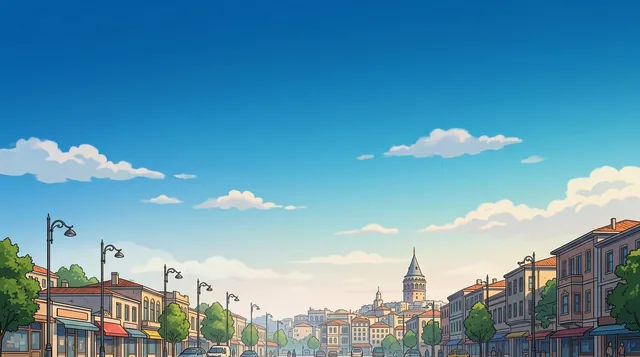
Istanbul: Guide de voyage, prix et hébergement gratuit · 2026
Les navetteurs ancrent leurs routines quotidiennes d'un seul côté du Bosphore, car traverser entre les bureaux européens et les quartiers résidentiels asiatiques transforme une simple course en voyage maritime.
Lieux sur la carte60
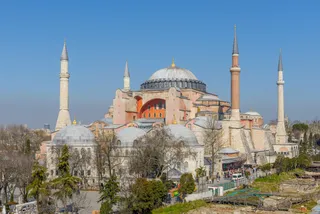 Sainte-Sophie
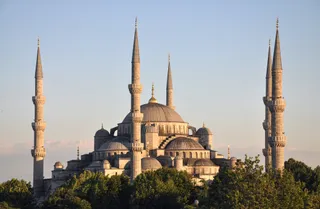 mosquée bleue
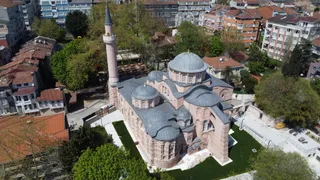 Saint-Sauveur-in-Chora
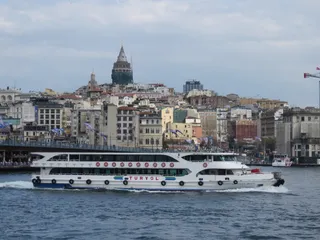 tour de Galata
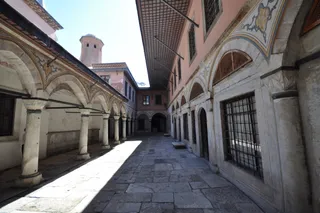 palais de Topkapı
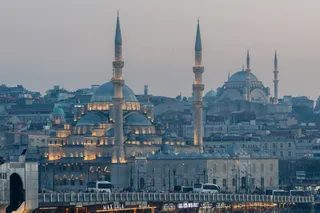 mosquée neuve
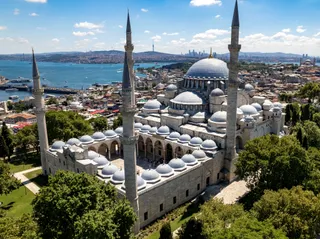 mosquée Süleymaniye
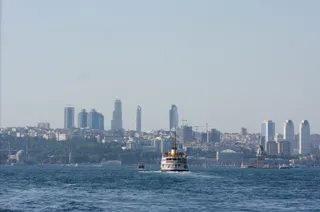 tour de Léandre
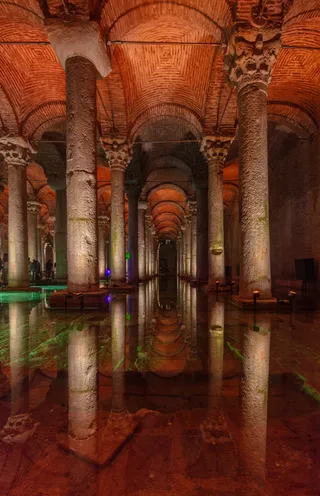 Citerne Basilique
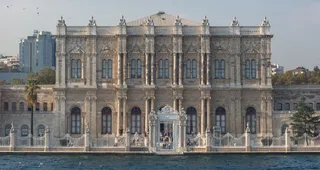 palais de Dolmabahçe
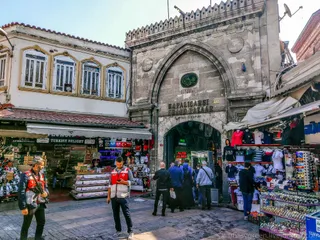 Grand bazar d'Istanbul
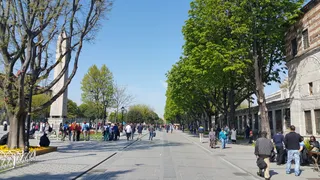 hippodrome de Constantinople
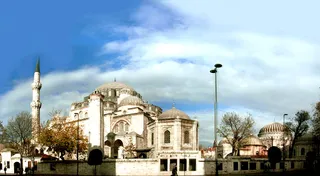 mosquée Şehzade Mehmet
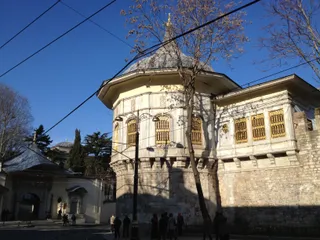 Sublime Porte
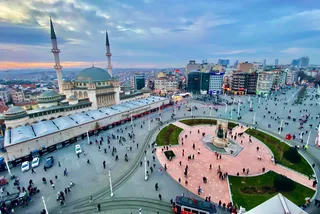 place Taksim
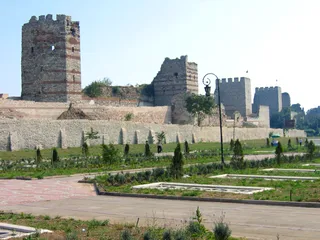 murailles de Constantinople
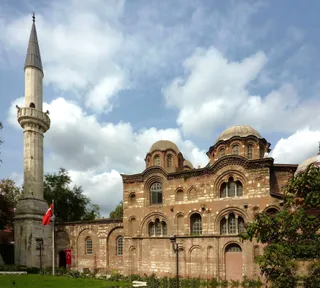 église Pammakaristos
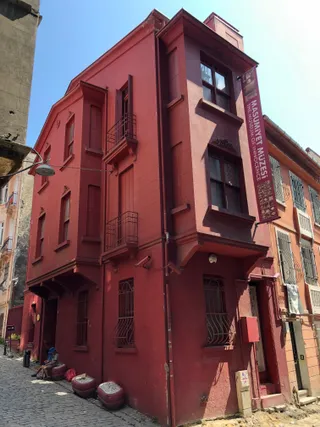 musée de l'innocence
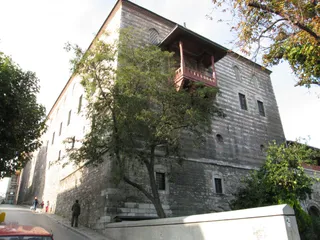 musée des Arts turcs et islamiques
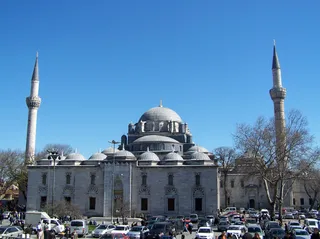 mosquée Bayezid II
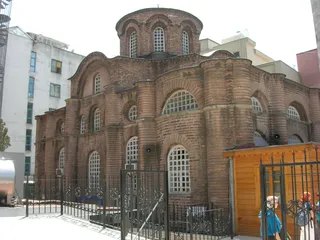 mosquée Bodrum
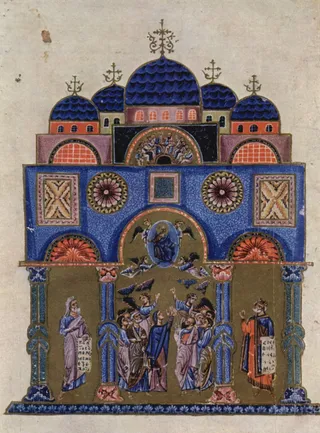 église des Saints-Apôtres
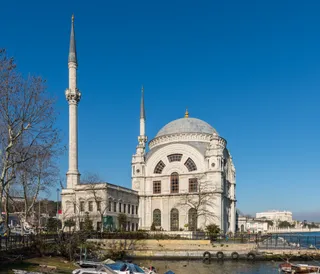 mosquée Dolmabahçe
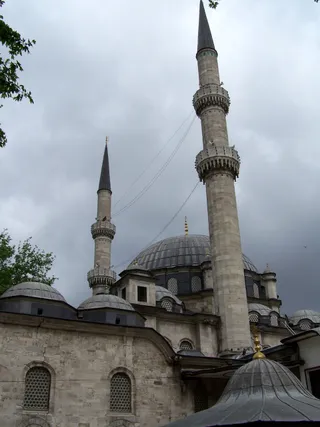 mosquée Eyüp Sultan
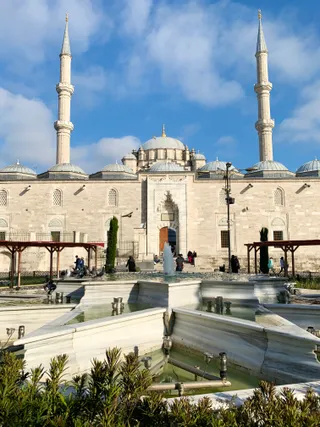 mosquée Fatih
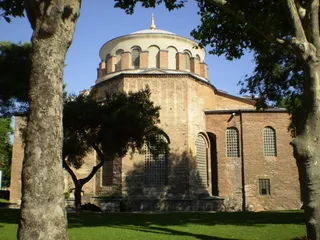 Sainte-Irène
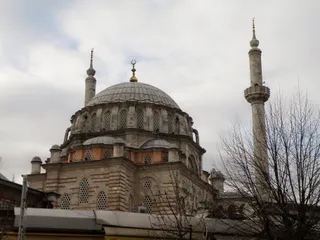 mosquée Lâleli
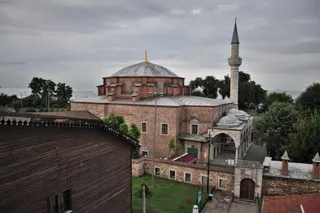 église des Saints-Serge-et-Bacchus
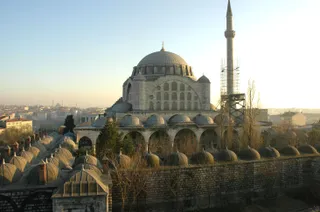 Mihrimah Edirnekapı Mosque
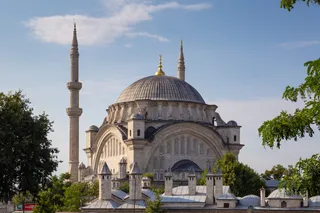 mosquée Nuruosmaniye
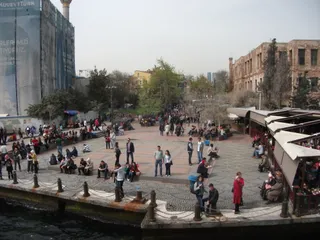 mosquée Ortaköy
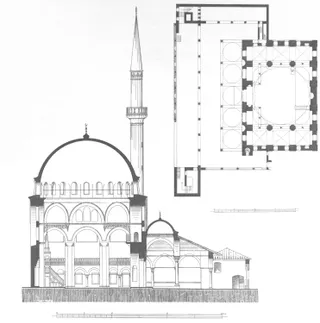 mosquée Rüstem-Pacha
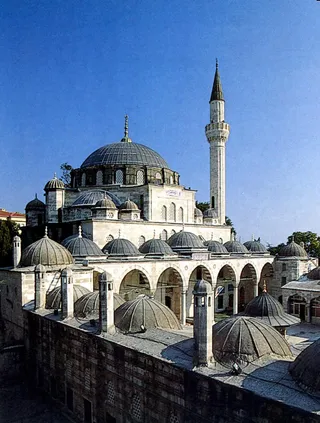 mosquée Sokollu Mehmet Pasha
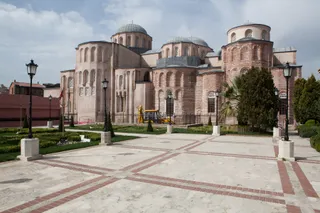 monastère du Pantocrator
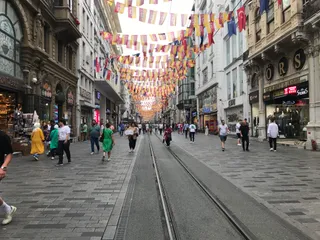 avenue Istiklal
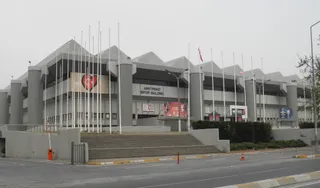 Abdi İpekçi Arena
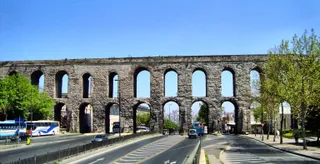 aqueduc de Valens
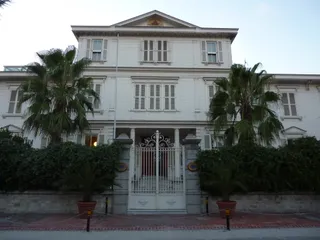 Patriarcat arménien de Constantinople
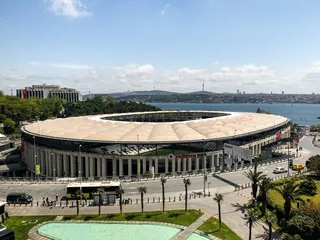 stade Beşiktaş
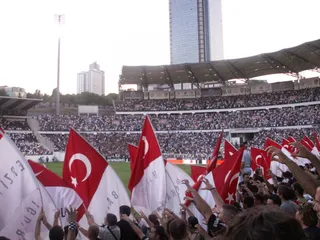 stade BJK İnönü
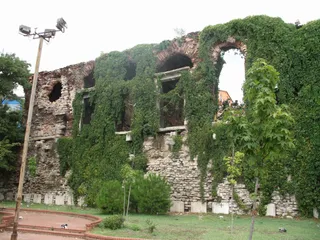 palais de Boucoléon
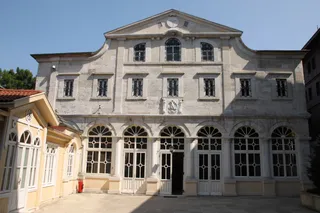 église Saint-Georges d'Istanbul
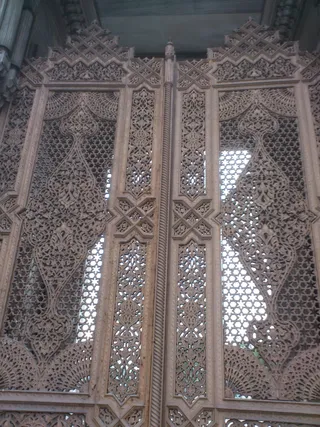 palais Çırağan
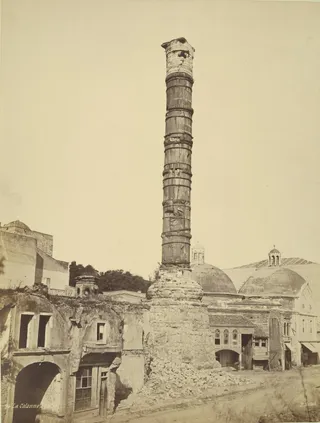 colonne de Constantin
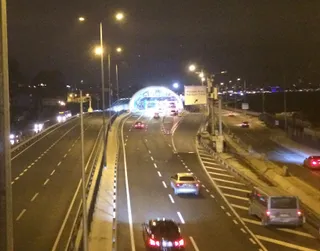 tunnel Eurasia
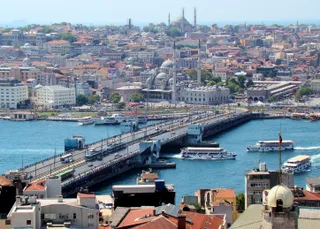 pont de Galata
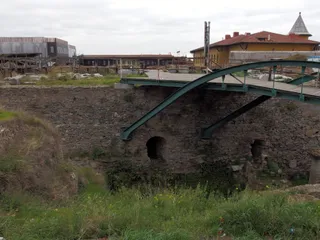 Grand Palais
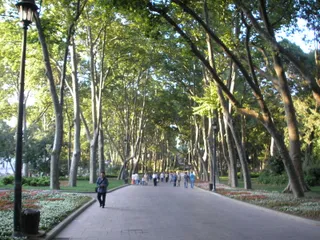 parc Gülhane
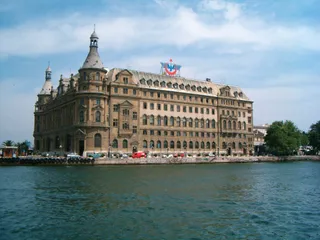 Haydarpasa
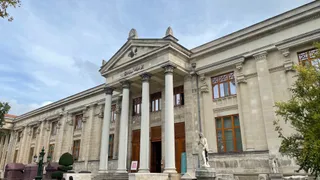 musée archéologique d'Istanbul
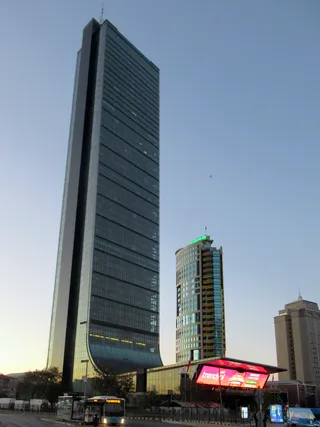 Sapphire of Istanbul
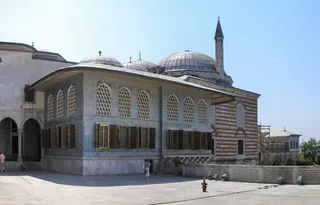 Kafes
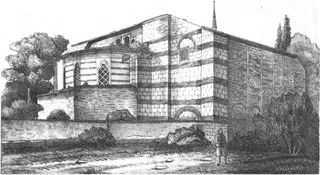 monastère du Stoudion
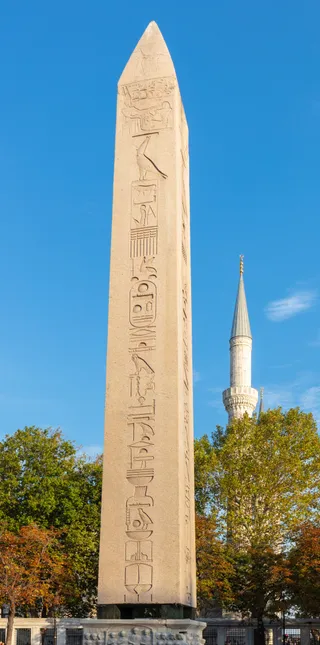 obélisque de Théodose
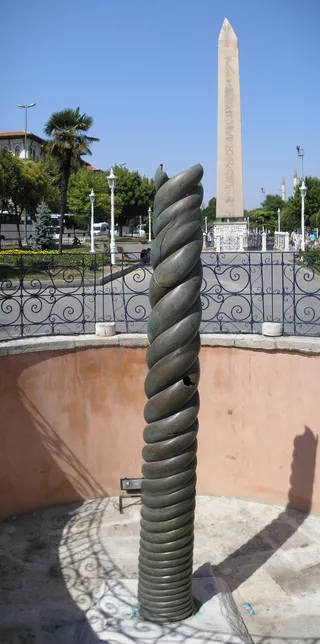 colonne serpentine
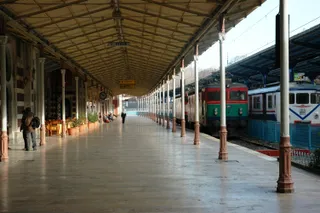 Sirkeci
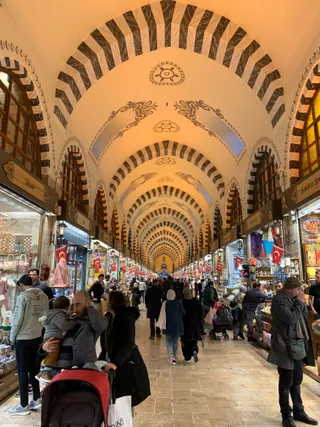 Bazar aux épices
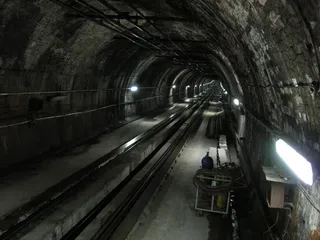 Tünel
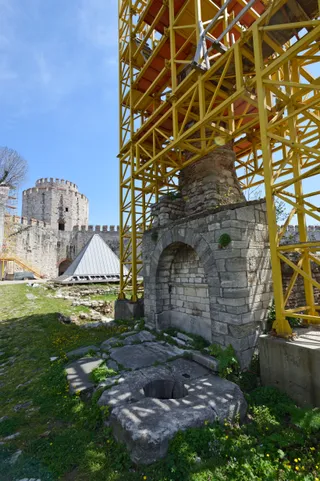 forteresse de Yedikule
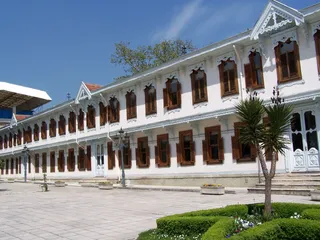 palais de Yıldız
- Métro aéroportuaire vers Gayrettepe
- 75 ₺
- Ticket unique
- 42 ₺
- Carte SIM locale
- 320 ₺
- 1 ₺ aujourd'hui
- 0,02 $
- Pass mensuel
- 3 298 ₺
L'accès nécessite de valider une Istanbulkart sans contact aux tourniquets, avec des tarifs distincts payés pour chaque correspondance.
- Café au comptoir
- 80 ₺
- Déjeuner à la cantine
- 250 ₺
- Dîner au restaurant
- 500 ₺
- Eau, 0,5 l
- 15 ₺
- Taxi, par km
- 47,92 ₺
Sources : 3 · Au 10 septembre 2026
- Aéroport d'Istanbul et plateformes de vols internationaux
- Anglais et turc
- Sultanahmet et principales attractions historiques
- Anglais et turc
- Zones commerçantes haut de gamme à Nişantaşı et Galataport
- Anglais et turc
«Taksimetreyi açar mısınız?» — À dire immédiatement après être monté dans un taxi pour éviter les tarifs non réglementés.
- 1 jour
- Sainte-Sophie, Mosquée bleue, Citerne Basilique
- 3 jours
- + Tour de Galata, Grand Bazar, place Taksim
- 7 jours
- + Palais de Dolmabahçe, église Saint-Sauveur-in-Chora, Kadıköy
Istanbul relie deux continents de part et d'autre du détroit du Bosphore, ancrant l'économie nationale et la mémoire historique.
L'eau sépare les sections européenne et asiatique, façonnant chaque trajet quotidien à travers le cœur urbain. Le tunnel ferroviaire Marmaray et les ferries municipaux relient les deux rives, mais les déplacements quotidiens à travers le détroit exigent une planification minutieuse. Les lignes de métro ne prévoient pas de correspondances gratuites, chaque changement d'itinéraire entraîne donc une tarification indépendante. La plupart des résidents de longue durée organisent leurs routines autour d'une seule rive continentale.
Lire la suite
La vie quotidienne diffère sensiblement d'un quartier à l'autre. Beyoğlu et Karaköy abritent des institutions d'art contemporain et des établissements nocturnes denses, tandis que Kadıköy offre une routine de quartier compacte sur la côte anatolienne. Les travailleurs comptent sur les cantines esnaf lokantası pour des déjeuners faits maison exposés derrière des comptoirs en verre. Les étals de rue proposent des pains plats et des produits rôtis, servant d'aliments de base abordables loin des circuits touristiques.
Le commerce domine le paysage urbain, du quartier financier d'Ataşehir au transport maritime international via le corridor du Bosphore. La vie pratique présente des obstacles administratifs distincts. Les réductions automatiques sur les transports nécessitent de lier les cartes aux documents d'identité nationaux, laissant les nouveaux arrivants non enregistrés sur des tarifs de base. Les piétons doivent faire preuve de prudence aux passages, car le trafic automobile cède rarement la priorité.
- Détroit du Bosphore
- Esnaf Lokantası
- Istanbulkart
- Prix non affichés
- Trafic agressif
- Le détroit du Bosphore sert de corridor maritime reliant la mer Noire à la mer de Marmara.
- La ligne ferroviaire souterraine Marmaray relie les réseaux ferroviaires européens et asiatiques sous le Bosphore.
- Les automates de vente de titres de transport acceptent uniquement les paiements en espèces en livres turques.
- Les réductions sur les correspondances et les remboursements de tarifs Marmaray sont réservés aux cartes de transport personnalisées liées aux dossiers d'identité nationaux.
Argent
- Café
- 80 ₺
- Déjeuner à la cantine
- 250 ₺
- Dîner dans un café
- 500 ₺
- Ticket de transport à l'unité
- 42 ₺
- Carte SIM
- 320 ₺
- Bouteille d'eau
- 15 ₺
- Taxi, au km
- 47,92 ₺
Jusqu'à 50 % des programmes d'échange, stages et autres services IEC peuvent être réglés avec des points.
5 sources · Au 10 septembre 2026
Arriver et se loger
- Métro aéroportuaire vers Gayrettepe
- 75 ₺
- 01Achetez une carte SIM prépayée au terminal de l'aéroport.
- 02Retirez des livres turques en espèces à un guichet bancaire officiel.
- 03Achetez une carte de transport rechargeable Istanbulkart à la station de l'aéroport.
- 04Prenez la ligne de métro de l'aéroport vers les principaux centres de correspondance.
4 sources · Au 3 novembre 2026
Visa et aspects pratiques
Choisir un passeport
Définissez votre passeport — les délais de traitement, les frais et les documents requis diffèrent selon le passeport.
- Les réductions sur les transferts et les remboursements d'itinéraires sur la carte de transport Istanbulkart nécessitent une liaison avec une carte d'identité nationale turque.
- Cartes bancaires
- Espèces
afficher plus
Déterminez si les tarifs sont indiqués en livres turques ou en euros avant de recevoir les factures d'hôtel et de services pour éviter les litiges de paiement.
- Pourboires
Comment se rendre de l'aéroport principal au centre d'Istanbul ?
La ligne de métro de l'aéroport relie l'aéroport d'Istanbul à Gayrettepe pour les correspondances vers les quartiers centraux. Des bus municipaux et des navettes aéroportuaires dédiées assurent la liaison entre le terminal et les principaux hubs de transport. Des files de taxis officiels sont disponibles à la sortie des arrivées, et des applications de covoiturage peuvent être utilisées pour organiser les trajets.
Source : Wikivoyage · Istanbul Airport to City Centre: The Complete 2026 Transport Guide | Istanbul CoolComment les passagers paient-ils les transports publics à Istanbul ?
Les usagers paient les bus, tramways, ferries et le métro à l'aide d'une Istanbulkart rechargeable. La carte physique est vendue et rechargée aux automates des stations et dans les kiosques de rue. Les kiosques de vente municipaux acceptent les paiements en espèces dans la devise locale plutôt que les cartes de paiement étrangères.
Source : Wikivoyage · WikipediaPeut-on traverser entre les rives européenne et asiatique en utilisant les transports publics ?
Les réseaux de transport relient les deux continents par des itinéraires traversant et passant sous le Bosphore. Le tunnel ferroviaire Marmaray passe sous le détroit pour relier les lignes ferroviaires de Thrace et d'Anatolie. Les navetteurs voyagent également d'une rive à l'autre via les ferries municipaux et le Metrobus traversant le pont du Bosphore.
Source : Wikipedia · WikivoyageL'eau du robinet est-elle potable pour les voyageurs à Istanbul ?
L'eau du robinet n'est pas recommandée à la consommation pour les visiteurs. L'eau en bouteille est vendue dans les supérettes, les marchés et les kiosques de la ville.
Source : Istanbul Food Prices 2026 — Real Meal Costs + Where ...Qu'est-ce qu'un esnaf lokantası et comment fonctionne la commande ?
Un esnaf lokantası est une cafétéria traditionnelle conçue à l'origine pour les commerçants locaux. Les clients inspectent les plats chauds faits maison exposés derrière une vitrine et choisissent directement auprès du personnel. Ces établissements proposent des soupes traditionnelles, des ragoûts de légumes et des plats de viande à des prix inférieurs à ceux des lieux orientés vers le tourisme.
Source : Wikivoyage · How Much Do Food & Experiences Cost in Istanbul in 2026? | Lost in IstanbulQuelles arnaques les visiteurs doivent-ils surveiller dans les quartiers de divertissement ?
Les lieux dans les zones nocturnes telles que Taksim et Aksaray présentent parfois des additions gonflées après que des inconnus sympathiques invitent les voyageurs à prendre un verre. Le personnel des établissements peut exiger des paiements élevés sous la menace d'une intimidation physique. Les visiteurs doivent refuser les invitations non sollicitées d'inconnus et vérifier les prix affichés avant de commander.
Source : WikivoyageOù les visiteurs peuvent-ils acheter une carte SIM de données mobiles ?
Les cartes SIM touristiques prépayées sont vendues dans les kiosques des terminaux d'aéroport et les boutiques de télécommunications autorisées en ville. Les forfaits comprennent des données, des minutes d'appel et des SMS pour un usage temporaire. L'achat d'une carte nécessite la présentation d'un passeport officiel pour l'enregistrement de l'identité.
Source : Prepaid Tourist SIM Turkey | Türk TelekomLes visiteurs étrangers ont-ils besoin d'un visa pour entrer en Turquie ?
Les conditions d'entrée varient selon la nationalité et le motif du voyage. Les voyageurs doivent consulter la section officielle des visas pour vérifier les exemptions de passeport et les règles d'autorisation électronique. Les admissions touristiques et les permis de programme de longue durée fonctionnent selon des cadres juridiques distincts.
Source : WikivoyageQuels quartiers servent de points centraux pour la restauration et les divertissements nocturnes ?
Beyoğlu et Kadıköy contiennent des clusters denses de cafés, pubs et salles de concert. Les boutiques et restaurants haut de gamme sont concentrés autour de la rue Abdi İpekçi à Nişantaşı et de l'avenue Bağdat sur la rive asiatique. Les quartiers côtiers, notamment Karaköy, Bebek et Ortaköy, proposent des restaurants en bord de mer et des tavernes historiques.
Source : Wikipedia · Wikivoyage3 sources
Sécurité et santé
2 risques supplémentaires
S'y rendre
Quand partir et itinéraires
- 09:00Palais de TopkapıCommencez par la résidence impériale surplombant le Bosphore et la Corne d'Or.
- 11:30Sainte-SophieEntrez dans la basilique byzantine monumentale transformée en mosquée.
- 13:30Citerne BasiliqueDescendez dans le réservoir d'eau souterrain.
- 15:00Mosquée bleueInspectez le lieu de prière ottoman historique à côté de l'ancien hippodrome.
- 16:30Grand BazarMarchez vers l'ouest dans le complexe commercial voûté.
- 10:00Palais de DolmabahçeExplorez le palais au bord de l'eau et le complexe administratif.
- 13:00Place TaksimArrivez au centre de transport et à l'entrée de l'avenue piétonne centrale.
- 15:30Tour de GalataGravissez la tour en pierre surplombant l'entrée de la Corne d'Or.
- 09:30Mosquée SüleymaniyeVisitez le complexe religieux impérial au-dessus du port.
- 11:30Aqueduc de ValensAdmirez les arches romaines survivantes enjambant la chaussée.
- 14:00Mosquée ŞehzadeInspectez le complexe de mosquée ottoman classique.
Langue et culture
Cinq phrases pour le premier jour et les situations où la langue est indispensable
L'anglais convient aux visiteurs dans les principales zones touristiques, les quartiers commerçants haut de gamme et les principaux centres de transport. En dehors de ces enclaves, la maîtrise de l'anglais diminue considérablement.
- Taksimetreyi açar mısınız?Taksimetreyi achar misiniz?
- Ne kadar?Ne kadar?
- Hesap lütfen.Hesap lutfen.
- Kolay gelsin.Kolay gelsin.
- Menüye bakabilir miyim?Menuye bakabilir miyim?
2 phrases supplémentaires
- Çay alabilir miyim?Chai alabilir miyim?
- İndirim var mı?Indirim var mi?
| Situation | Langue |
|---|---|
| Aéroport d'Istanbul et plateformes de vols internationaux | Anglais et turc |
| Sultanahmet et principales attractions historiques | Anglais et turc |
| Zones commerçantes haut de gamme à Nişantaşı et Galataport | Anglais et turc |
| Réseaux de transports publics municipaux incluant bus, tramways et ferries | Turc |
| Cantines d'artisans traditionnelles et chariots de nourriture de rue | Turc |
| Taxis de ville et marchés de quartier | Turc |
Personnes ayant séjourné ici

Travel as a Meaning of Life 1. Introduction In the age of digital technology, we have the opportunity to find anything we can think of. Thanks to the internet, we can also travel abroad and discover new horizons. There is so much information online about student exchanges and working abroad. The goal of student exchange programs is cultural exchange. And, of course, those who participate in such programs gain invaluable experience. In the first months of this year (2022), I was looking for programs where I could go abroad for the summer and work at the same time. Thus, I found so many programs with the opportunity to go to countries in Europe, America, New Zealand, Turkey, and more! My name is Alisher, and I am a participant in the Work and Travel 2023 program. Since I was finishing my second year of university in May, I chose seasonal work in Bulgaria for the 3 summer months. Enjoy reading, everyone. Let's get started! 2. My First Trip. I went abroad for the first time. Starting my journey on June 23rd from the city of Khromtau, I traveled by train to Astana for a day. Upon arriving in the capital, I had to get to the hostel. There, for the first time, I met people from other countries. I spoke with one of them in English in person, which was a great experience for me. I spent the rest of the day walking around the city until late at night. The next day, I went to the airport well before my flight time (it was my first time flying on a plane). After sorting everything out, I was ready to depart. But the plane didn't take off due to technical issues. I found people who were flying to Bulgaria to work just like me, and we all started thinking about what to do next. Eventually, after a few hours, our tickets were rebooked, and we were supposed to fly out in 2 days. But the question of where to sleep remained open. We gathered together and went to ask this question to the company through which we were supposed to fly. After talking to them, they offered us a 3-star hotel on the right bank of Astana with 3 meals a day for two days. The next day, we went for a walk around the city. Getting to know our new acquaintances better, we had a great time in the capital. After 2 days, we finally flew out. I don't know how flights work, but first, we flew from Astana to Shymkent and from there to Istanbul, one of the largest cities in Turkey. Upon arriving in Turkey, I felt a bit unwell. Because it was my first time flying, I had ear pain. At the airport, the most difficult part at that moment began. Some of us (including me) went to look for a bus to the bus station (Bayrampasa). As soon as we finally found it, we went back to tell the others. But something went wrong. We couldn't get in because they wouldn't let us through. The person who wouldn't let us in didn't even listen to us, and since we didn't have a connection, we couldn't call and tell them the whole situation. A couple of hours later, they came out themselves, and we finally moved on. We arrived at the bus station late at night. Some of us (especially me) managed to sleep for 2-3 hours on the seats before our departure. By the way, my ear pain was still bothering me :( At 9 a.m., we successfully boarded the bus and headed towards Bulgaria. During the 10 hours on the road, I tried not to fall asleep and to look at the cities, villages, and nature. I tried not to fall asleep until the moment we were supposed to leave Istanbul, but I couldn't 😐, the city is too big, and I fell asleep without waiting for that moment. When I woke up, I saw so many villages where things were very bad; the locals lived in very poor conditions, which was a shock to me. Entering Bulgaria after checking documents, I immediately noticed that the local nature is very beautiful and mesmerizing. Forests, hills, and mountains. I also noticed many buildings from the USSR era. I also want to add a couple of words about the bus we were traveling in. Despite the fact that we were on the road for a long 10 hours,


 +9
Ultimately, I love my American room, my Russian accent, and my American friends so much. Pretty dramatic to imagine the winds of change. (c) Twitter post. I worked in a small town called Detroit Lakes, Minnesota. In the morning I was a housekeeper, in the evening – a waitron. It was a resort with expensive yachts, endless miles of golf courses, and a lake that would rage from time to time. Every week, dozens of American families would arrive, and we became a part of them. My supervisor, Petty, once said: “Our job is to make these families feel cared for.” Everything I did was care. I cared for money, for huge tips that often reached one or two hundred dollars. Isn't that enough to sound like a summer that can make a person insanely happy? International students were given houses right on the resort grounds – spacious (two-story) wooden dwellings, affectionately called cabins. Semih, Luliu, Deniz, Berkay, Yazan, Winni, Fariza, Ola, Alexandru, Luby, Anel, Madina – this list could go on forever, as our Fair Hills family consisted of fifty people. We lived together, worked together. Together we made plans for the future. One day in the kitchen, making me jump slightly, Deniz flew up to me – a bold Turkish girl with jet-black hair and purple lipstick. With her black jeans, black t-shirt, and dark skin, she didn't fit into the colorful madness of the kitchen shelves at all. She didn't speak English well, but we often sat lazily (in some blissful half-slumber) on the balcony of her cabin, like masters of our American lives, crossing off another Minnesota day from our American calendar. We looked at the resort streets, which, according to Deniz, looked so much like the winding streets of Istanbul, while I compared the rows of houses to the star-like rays of the straight streets of Paris. The thought of Parisian boulevards with bridges also often came to mind. Well, flying up to me in the kitchen, Deniz suggested we ride our bikes to a Mexican diner that was forty minutes away down the highway. I knew how it would be: in the evening I would wait for her, she would come, she would talk, I would listen, her arrival would smell of tobacco, and she, coughing, would tell, tell, tell me about how she is not like a decent Muslim girl and how Susan's pies remind her of her grandmother's buns (I even remember that her grandmother had a huge warm knitted cardigan, which, as Deniz claimed, would suit me very well). Everything happened not according to the planned scenario at all: Otgoo tagged along with me, and Deniz brought her friend – the same dark Turkish Berkay. We entered the Mexican diner as a group of four. We sat at the bar, watched TV, and ate pizza in the dim light of the walls covered in photos, while everyone was interested in who we were, what our names meant in our native language, and how we liked America. Oh, we liked it very much! What else did I like that evening? Well, for example, Berkay (I suppose it's all because he accepted all the crazy ideas that permeated the subconscious of my brain; during the conversation, he liked to repeat “look me in the eyes” or conversely “come on, don't just stand there and look at me so confusedly”; he was insanely fearless, and so fearless that, surely, only fools can be; he wore glasses; one night we were lying on the golf course and didn't even move when a thunderstorm gathered and the grass, on which dying shadows fell, became wet). No stars, no laughter, no peace. From here, my advice flows smoothly again: 1. This world is quite spoiled; it is full of enmity, cruelty, and meaningless tragedy. In America, you will meet people who are completely opposite to you. Enjoy it. Do not resist and do not be afraid to change. 2. This is not just a summer spent abroad. Thanks to my Arab friends, I have changed my life at the root: I started learning Turkish, dived headfirst into Arabic literature, and even read the Quran out of interest – calmly, yes, I am that strange! And I will be celebrating this


 +9
Travel as the Meaning of Life 1. Introduction In the age of digital technology we have the opportunity to find everything that comes to mind. Thanks to the Internet we can also travel abroad and discover new horizons. There is so much information online about student exchange and working abroad. The goal of student exchange programs is cultural exchange. And of course those who participate in such programs gain invaluable experience. In the first months of this year (2022) I was looking for programs where I could go abroad for the summer and at the same time work there. Thus I found so many programs that offer the opportunity to go to countries in Europe, America, New Zealand, Turkey and more! My name is Alisher; I am a participant in the Work and Travel 2023 program. Since I was finishing my second year of university in May, I chose seasonal work in Bulgaria for 3 summer months. Enjoy your reading. Let's get started! 2. My First Trip. I went abroad for the first time. Starting my journey on June 23 from the city of Khromtau, I traveled by train to Astana for one day. Upon arrival in the capital I had to get to the hostel. There I met people from other countries for the first time. And I spoke with one of them in English face-to-face, which was a big experience for me. I spent the rest of the day walking around the city until late at night. The next day I went to the airport much earlier than my departure time (it was my first time flying by plane). After sorting everything out, I was ready to depart. But the plane did not take off due to technical problems. I found people who, like me, were flying to Bulgaria to work, and we all began to think about what to do next. In the end, after a few hours our tickets were rebooked and we were to fly in 2 days. But the question of where to stay for the night remained open. Gathering together we went to ask the company through which we were supposed to fly. After talking with them they offered us a three-star hotel on the right bank of Astana with three meals a day for two nights. The next day we went for a walk around the city. Having gotten to know my new acquaintances better, we had a great time in the capital. After 2 days we finally flew. I don't know how flights work but first we flew from Astana to Shymkent and from there to Istanbul, to one of the largest cities in Turkey. Upon arrival in Turkey I felt a little unwell. Because it was my first flight, I had ear pain. The most difficult part at that moment began at the airport. Some of us (including me) went to look for a bus to the coach station (Bayrampaşa). When we finally found it, we went back to tell the others. But something went wrong. We could not get in because we were not being allowed through. The person who was not letting us in did not even listen to us; since we had no connection we could not call and explain the whole situation. After a couple of hours they came out on their own and finally we continued. We arrived at the coach station late at night. Some of us (especially me) managed to sleep 2–3 hours on the seats before our departure. By the way, my ear pain was still bothering me :( At 9 a.m. we successfully boarded the bus and headed toward Bulgaria. During the 10-hour journey I tried not to fall asleep and looked at towns, villages and nature. I tried not to fall asleep until the moment we were supposed to leave Istanbul but I couldn't 😐, the city is too big and I still fell asleep without waiting for that moment. When I woke up, I saw so many villages that were in very poor condition; the locals lived in very bad conditions, which was a shock to me. After entering Bulgaria and having our documents checked I immediately noticed that the local nature was very beautiful and mesmerizing. Forests, hills and mountains. I also noticed many buildings from the Soviet era. I also want to add a few words about the bus we traveled in. Despite the long 10-hour journey, it had everything for comfort: we were offered coffe
Destinations similaires à proximité
 à ≈ 3 h 45 minsecteur 6
- Mois
- ≈ 714 $
- Distance
- 450 km
Villes de Turquie
Lieux à Istanbul
Pays à proximité
Questions fréquentes sur Istanbul
Vous ne trouvez pas la destination souhaitée ? La recherche prend en charge toutes les langues. Ouvrir la recherche