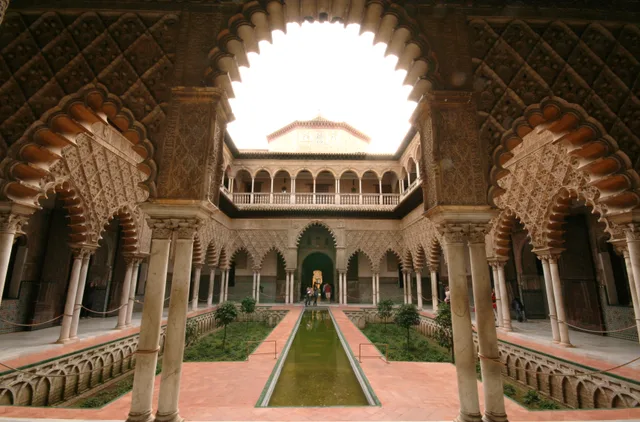
 à ≈ 15 minalcazar de Séville
- Distance
- 900 m
 TravelHub
Pedestrians in this quarter share their daily commute with Almohad and Roman masonry that once channelled spring water into city cisterns.
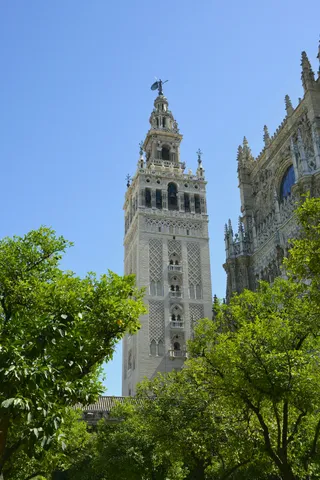 Giralda
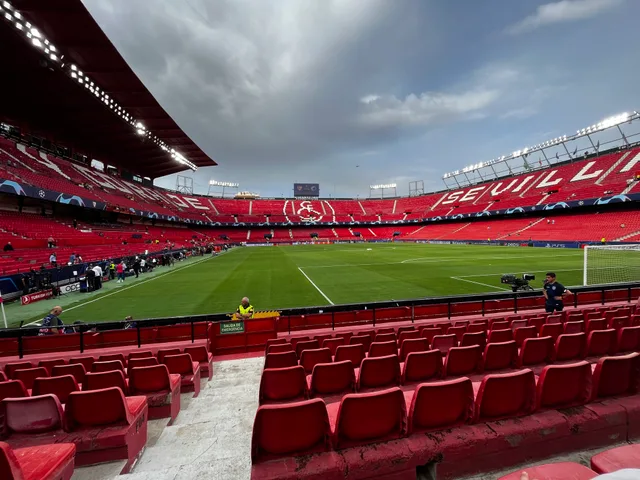
 Stade Ramón Sánchez Pizjuán
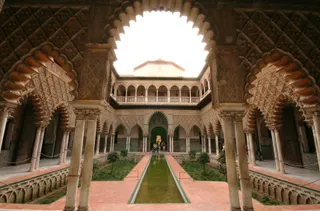 alcazar de Séville
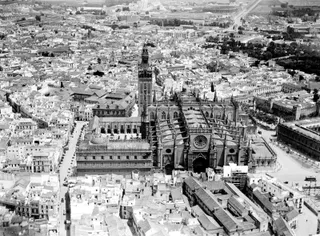 cathédrale Notre-Dame-du-Siège de Séville
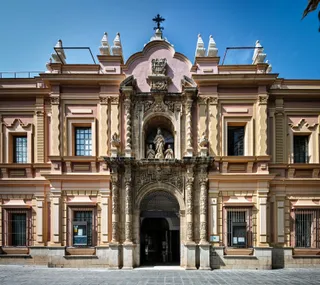 musée des Beaux-Arts de Séville
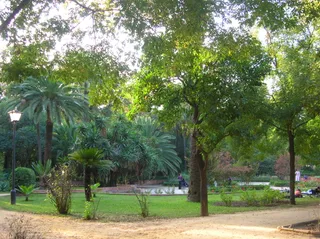 Parque de María Luisa
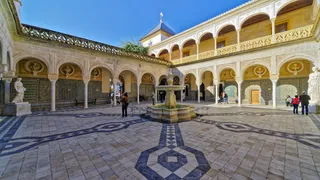 Casa de Pilatos
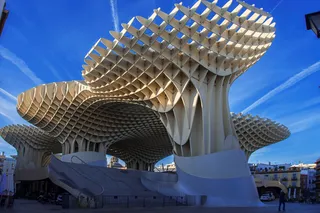 Metropol Parasol
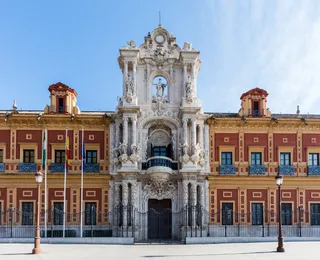 palais Saint-Elme
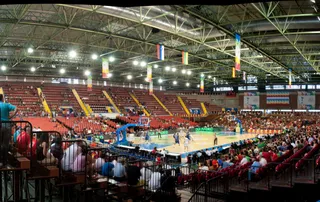 Palacio Municipal de Deportes San Pablo
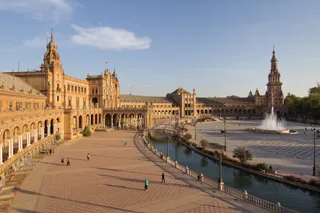 place d'Espagne
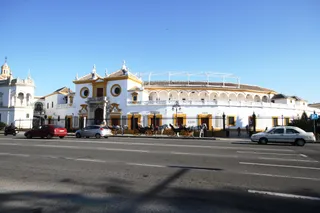 arènes de la Real Maestranza de Caballería de Séville
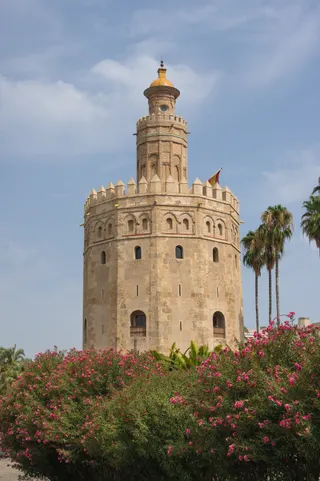 Torre del Oro
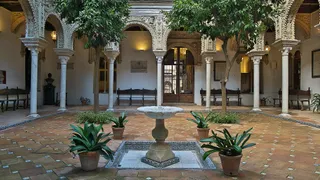 Académie royale des beaux-arts de Sainte-Isabelle de Hongrie
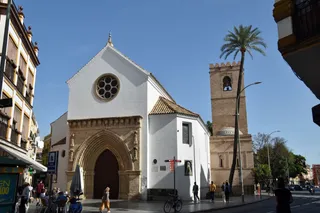 église Sainte-Catherine de Séville
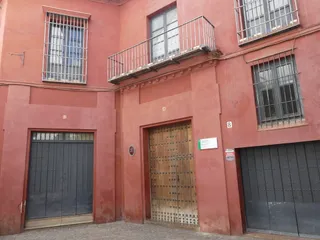 Museo Casa de Murillo
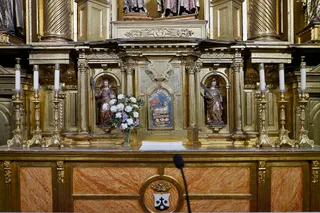 Convento de las Teresas
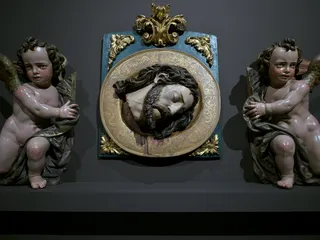 Convento de San Leandro
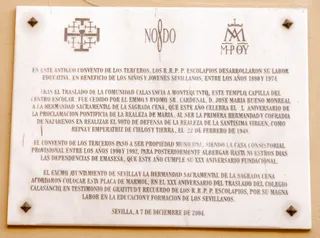 Iglesia de Los Terceros
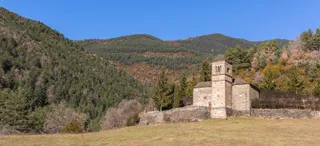 Iglesia de San Bartolomé
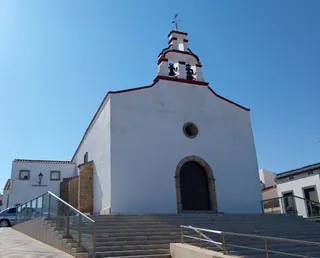 Iglesia de San Benito
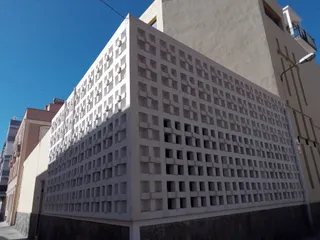 Iglesia de San Ildefonso
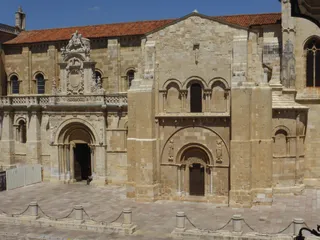 Iglesia de San Isidoro
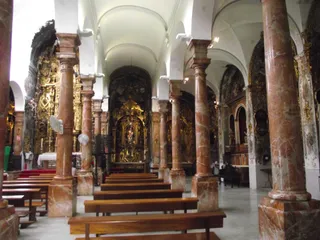 Iglesia de San Nicolás de Bari (Sevilla)
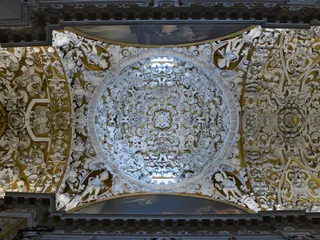 Iglesia de Santa María la Blanca (Sevilla)
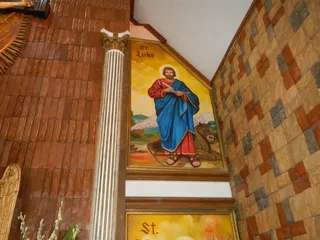 Parroquia de Santa Cruz
 Plaza de San Ildefonso
 Jardines de Murillo
 La Carbonería
 Palacio de Altamira
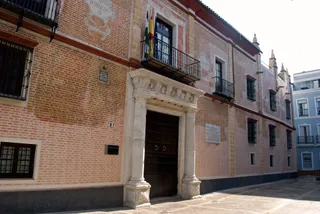 Palacio de Mañara
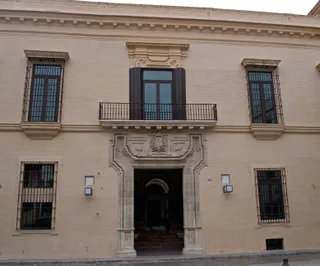 Palacio de Villapanes (Sevilla)
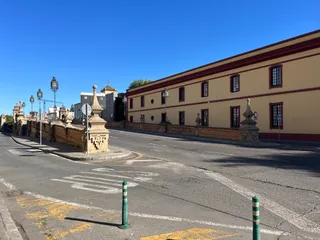 Puente de San Bernardo
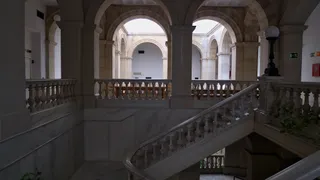 Archivo Histórico Provincial de Sevilla
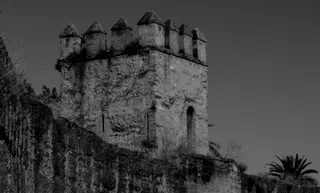 City walls of Seville
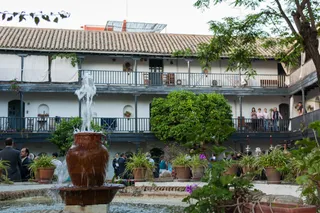 Corral del Conde
 Hospital de los Venerables
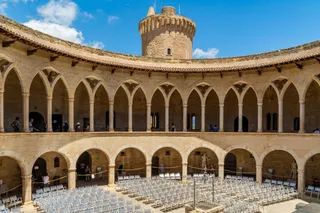 Mariano Bellver Collection
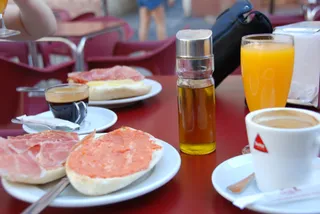 Church of the Convento de San José
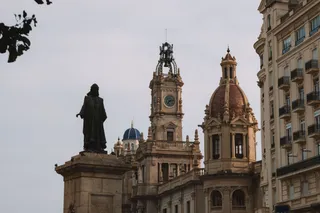 Plaza del Buen Suceso
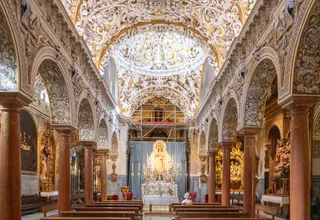 Santuario de los Gitanos, Sevilla
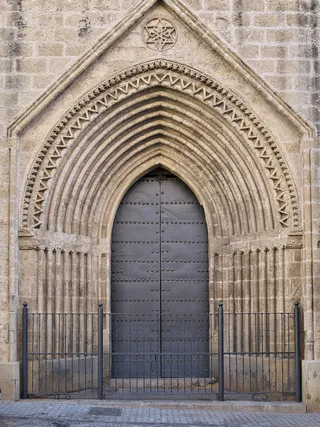 Museo del Baile Flamenco
Built during the Roman era and later restored under Almohad rule, the aqueduct carried spring water from Alcalá de Guadaíra into Seville. Caliph Abu Yaqub Yusuf rebuilt large sections of the conduit during the same era he constructed the Buhaira palace, the Puente de Barcas, and the grand mosque. The channel directed mountain water across the countryside to feed royal gardens and municipal basins.
The engineering relied on subterranean tunnels cut into bedrock and brick conduits equipped with vertical inspection shafts for maintenance. Underground passage provided natural filtration, making the flow the cleanest drinking supply available to the city. At the terminal city gate, the stream filled a primary reservoir that supplied noble residences, the Casa de Pilatos, public bathhouses, and several grain mills.
The masonry continued operating until municipal demolition dismantled the main arcade system to accommodate urban expansion. Today, disconnected spans of brick arches stand exposed along modern streets rather than within a park or protected enclosure. Exploring the remnants requires walking along ordinary urban roadways where historical stonework directly borders contemporary apartment blocks and road traffic.
Ce que les visiteurs écrivent sur Google Maps
La note et les avis récents de Google Maps se chargent à la demande.
à ≈ 15 minalcazar de Séville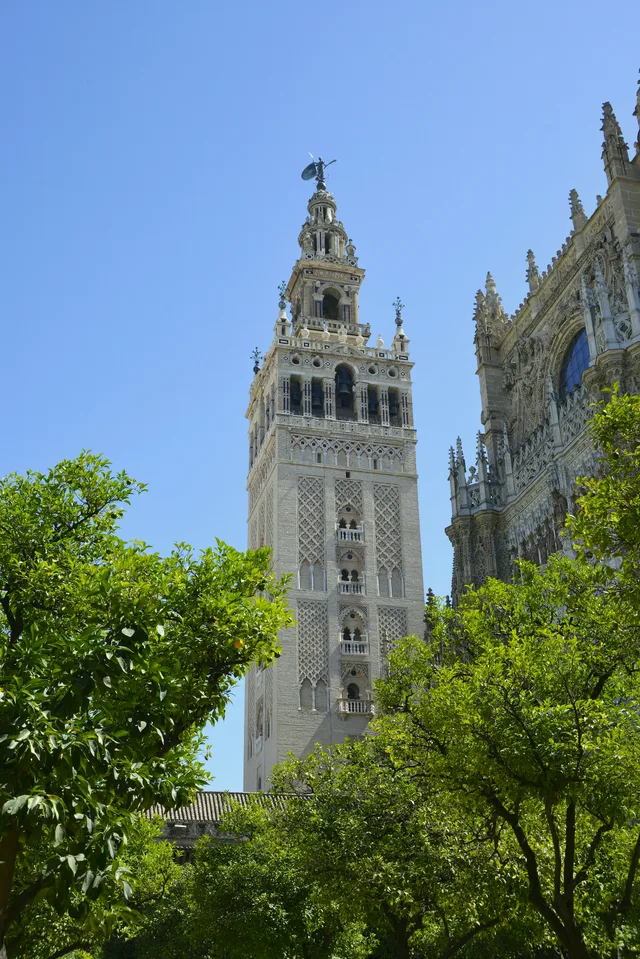 à ≈ 15 minGiralda
Vous ne trouvez pas la destination souhaitée ? La recherche prend en charge toutes les langues. Ouvrir la recherche