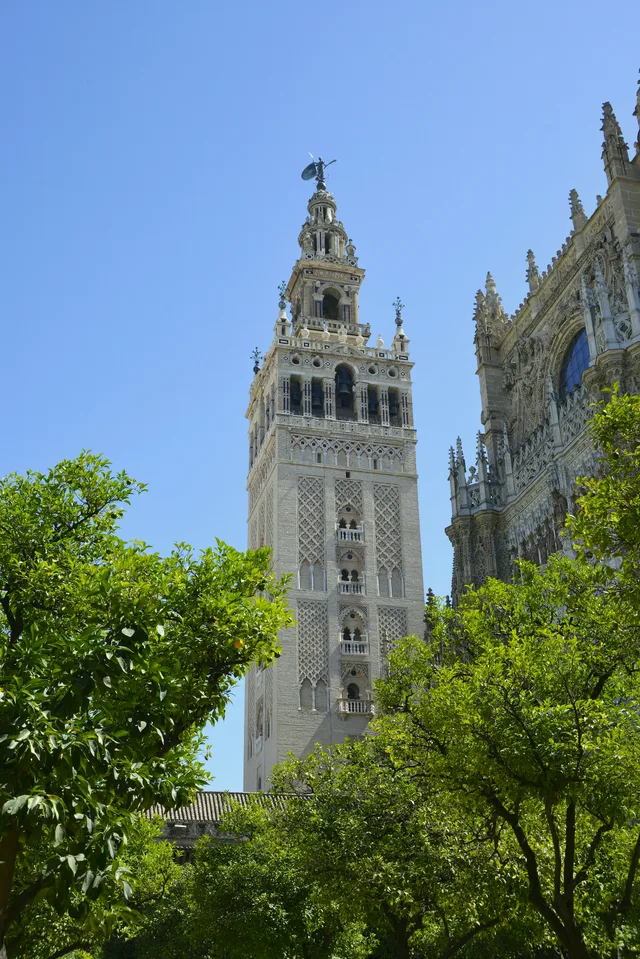
 à ≈ 10 minGiralda
- Distance
- 700 m
 TravelHub
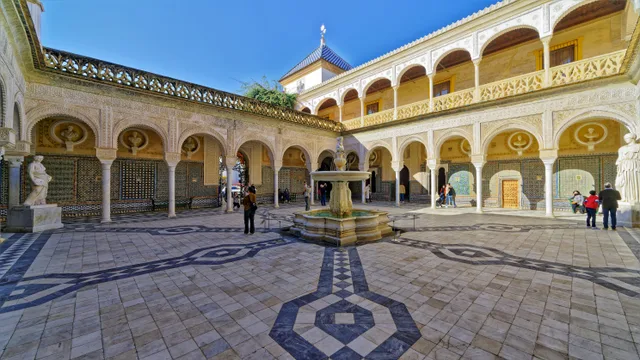
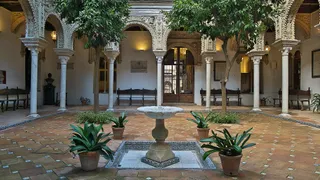
Scholars living nearby encounter the private home of the Dukes of Medinaceli, where Renaissance arcades and Mudéjar tilework function as part of an inhabited family residence rather than a hollowed-out monument.
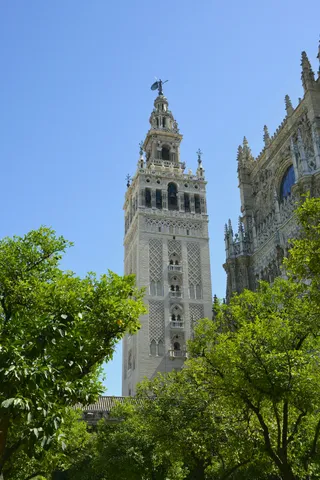 Giralda
 Stade Ramón Sánchez Pizjuán
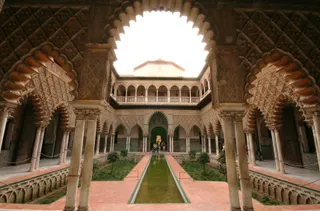 alcazar de Séville
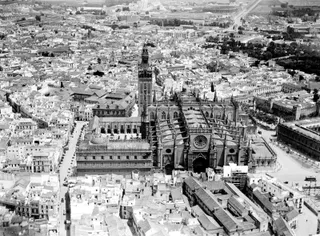 cathédrale Notre-Dame-du-Siège de Séville
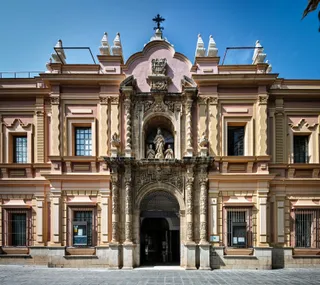 musée des Beaux-Arts de Séville
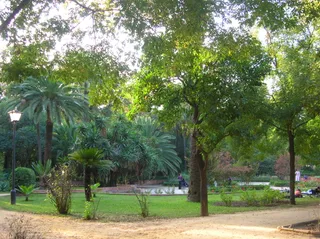 Parque de María Luisa
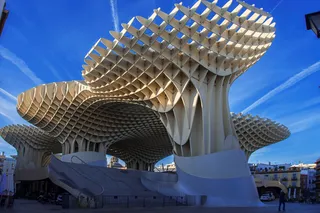 Metropol Parasol
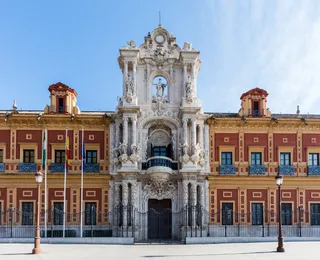 palais Saint-Elme
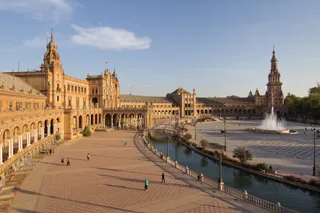 place d'Espagne
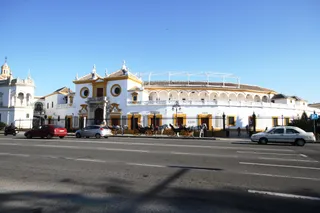 arènes de la Real Maestranza de Caballería de Séville
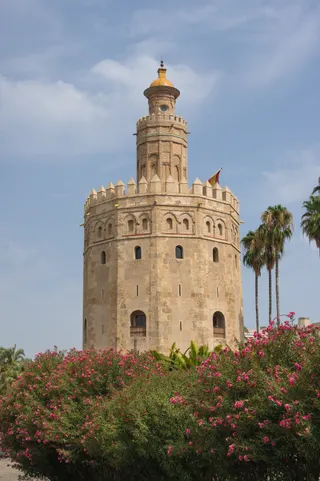 Torre del Oro
 Académie royale des beaux-arts de Sainte-Isabelle de Hongrie
 église Sainte-Catherine de Séville
 Museo Casa de Murillo
 Convento de las Teresas
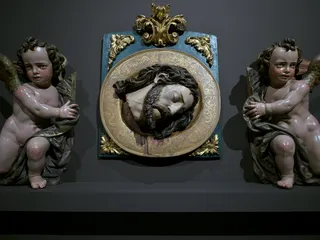 Convento de San Leandro
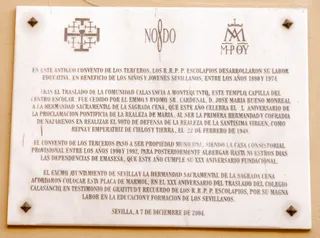 Iglesia de Los Terceros
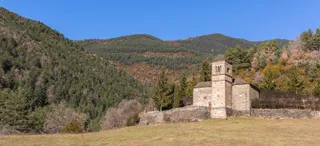 Iglesia de San Bartolomé
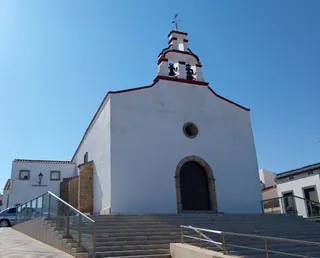 Iglesia de San Benito
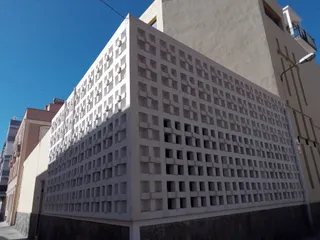 Iglesia de San Ildefonso
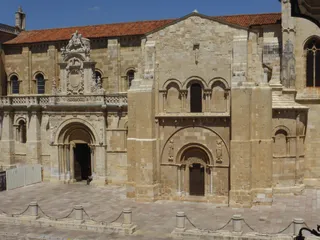 Iglesia de San Isidoro
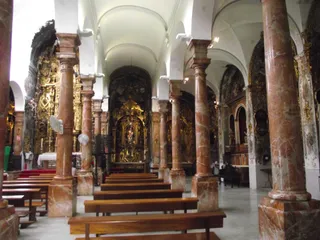 Iglesia de San Nicolás de Bari (Sevilla)
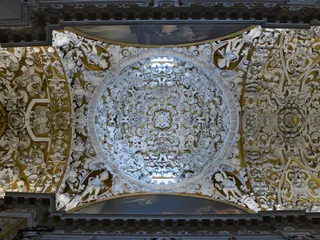 Iglesia de Santa María la Blanca (Sevilla)
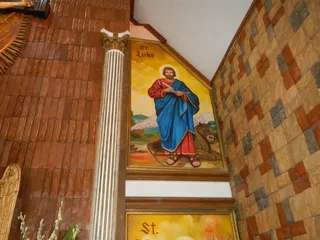 Parroquia de Santa Cruz
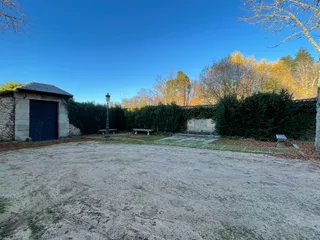 Plaza de San Ildefonso
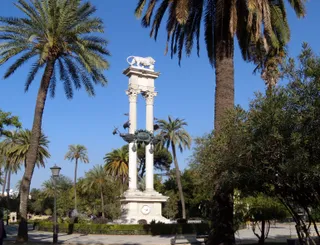 Jardines de Murillo
 La Carbonería
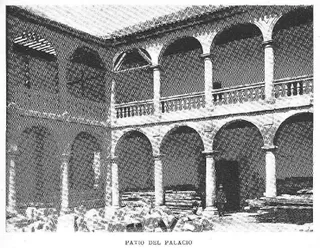 Palacio de Altamira
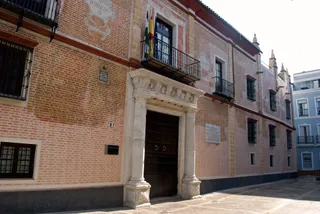 Palacio de Mañara
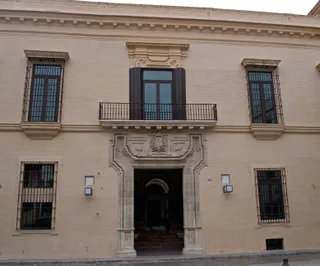 Palacio de Villapanes (Sevilla)
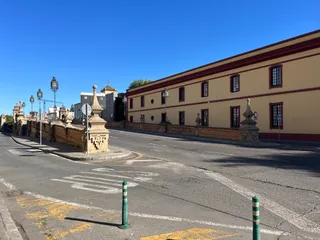 Puente de San Bernardo
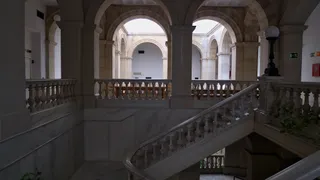 Archivo Histórico Provincial de Sevilla
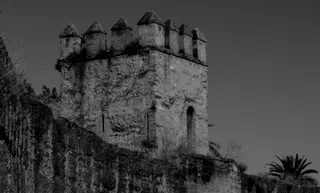 City walls of Seville
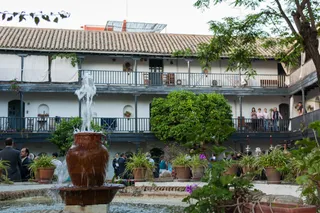 Corral del Conde
 Hospital de los Venerables
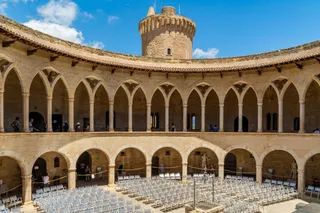 Mariano Bellver Collection
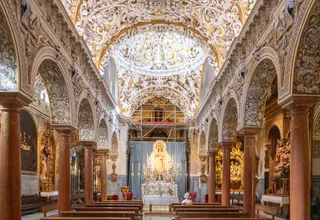
 Church of the Convento de San José
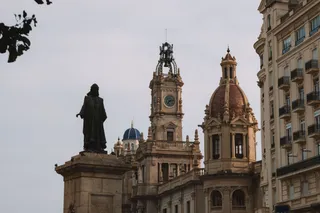 Plaza del Buen Suceso
 Santuario de los Gitanos, Sevilla
 Museo del Baile Flamenco
Pedro Enríquez de Quiñones and Catalina de Rivera began building the residence, which their son Fadrique Enríquez de Rivera expanded after returning from travels across Europe and the Holy Land. Later remodeling under the viceroy of Naples tasked architect Benvenuto Tortello with restructuring the palace while preserving the earlier Mudéjar rooms. The finished courtyards blend Italian classicism with glazed azulejo ceramic tiles.
Devotional geography shaped the public identity of the complex when Fadrique instituted the local Holy Way of the Cross. This penitential route ran from the palace chapel to Cruz del Campo beyond the city walls, matching the traditional distance between the praetorium and Calvary. Civic folklore came to treat the estate as an imitation of Pilate's residence, inspiring Passion-themed chamber names that endure to this day.
Residents discovering the site encounter an active private home for the Dukes of Medinaceli rather than an empty municipal museum. Protected by statutory National Monument designation, the property combines formal historic reception halls with secluded domestic gardens. Archival records documented the popular title centuries ago, yet the estate continues to operate as an inhabited family home amidst the surrounding urban fabric.
Ce que les visiteurs écrivent sur Google Maps
La note et les avis récents de Google Maps se chargent à la demande.
à ≈ 10 minGiralda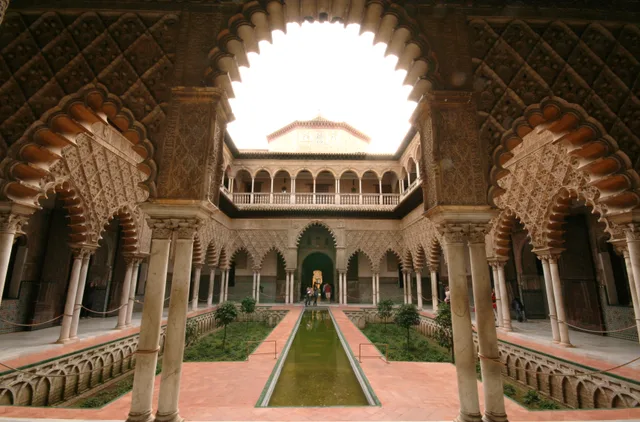 à ≈ 10 minalcazar de Séville
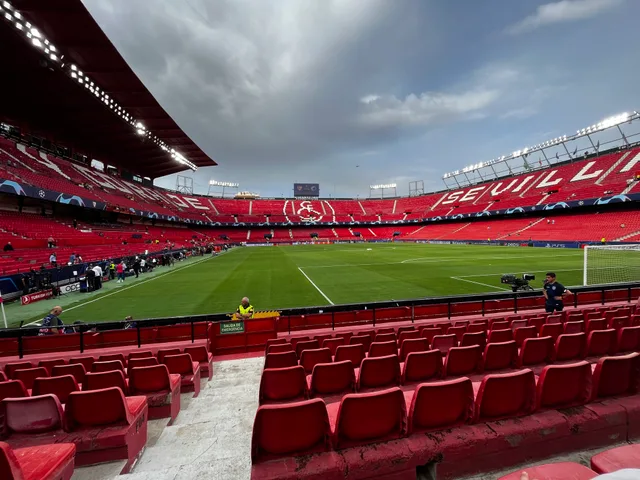 à ≈ 20 minStade Ramón Sánchez Pizjuán
Vous ne trouvez pas la destination souhaitée ? La recherche prend en charge toutes les langues. Ouvrir la recherche