 距离 ≈ 15分钟塞维利亚王宫
- 距离
- 900米
 TravelHub
Pedestrians in this quarter share their daily commute with Almohad and Roman masonry that once channelled spring water into city cisterns.
 吉拉達
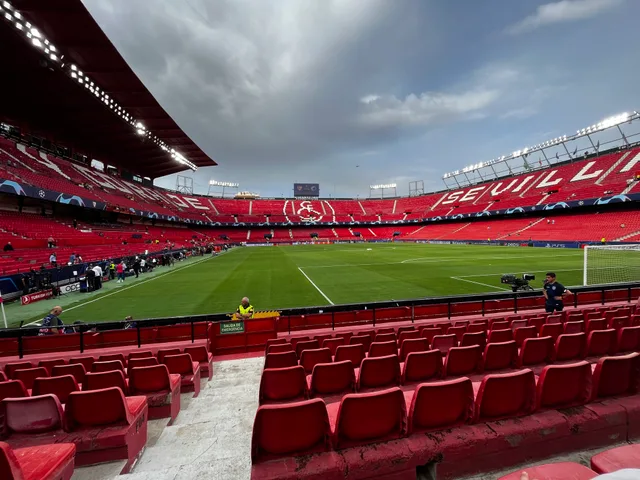
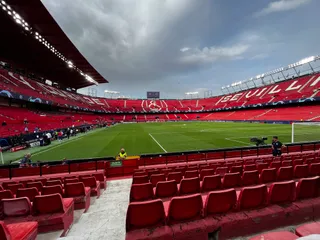 拉蒙·桑切斯·皮斯胡安球場
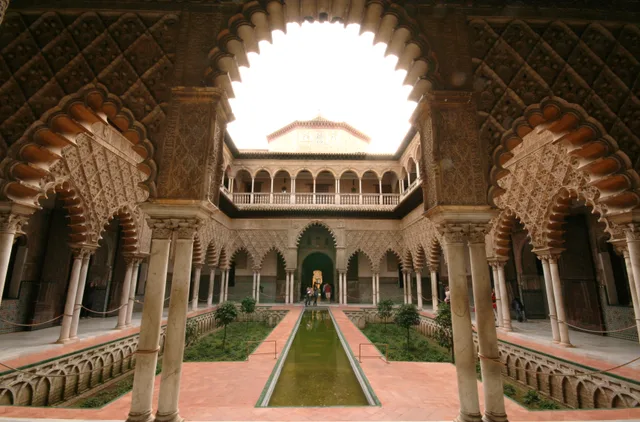
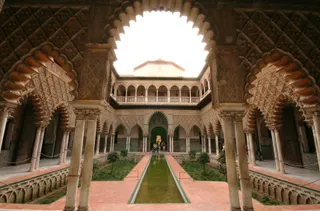 塞维利亚王宫
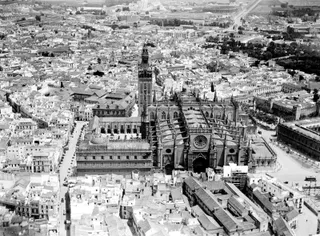 塞维利亚主教座堂
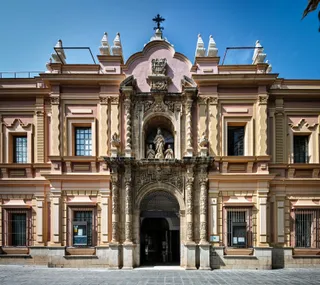 塞维利亚美术博物馆
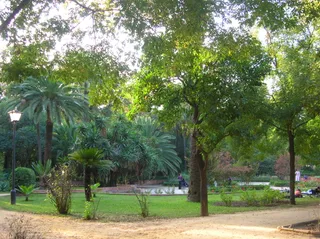 玛丽亚路易莎公园
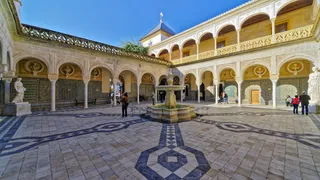 彼拉多官邸
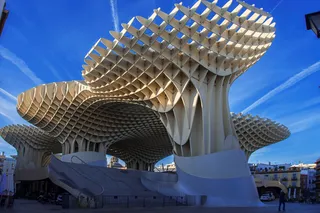 都市阳伞
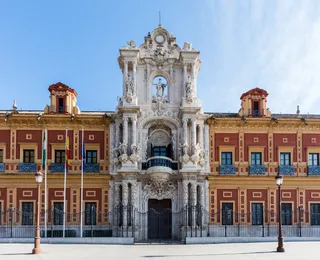 圣特尔莫宫
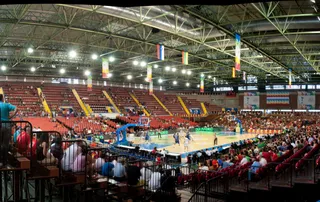 塞維亞
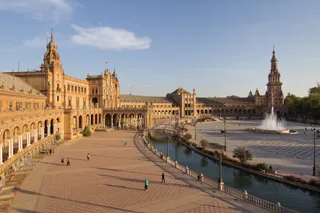 西班牙广场
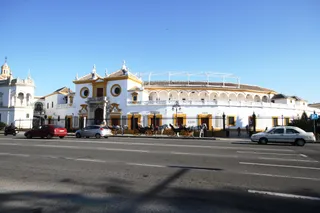 塞维利亚斗牛广场
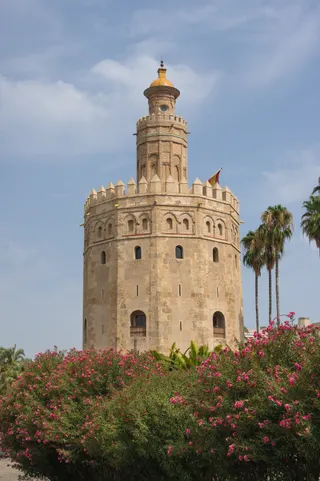 黄金塔
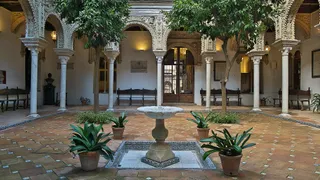 匈牙利圣伊莎贝尔皇家美术学院
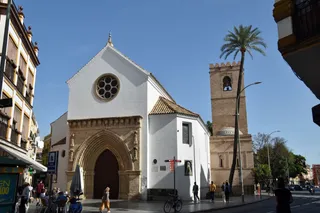 圣加大肋纳堂 (塞维利亚)
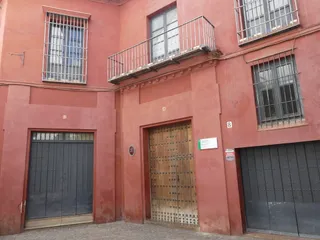 穆里略之家博物馆
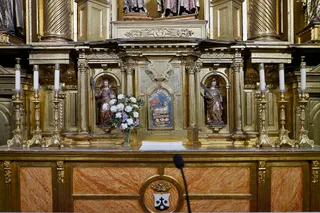 Convento de las Teresas
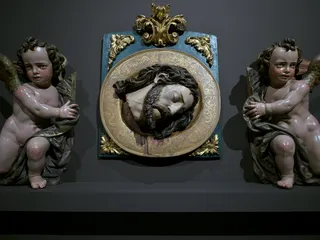 Convento de San Leandro
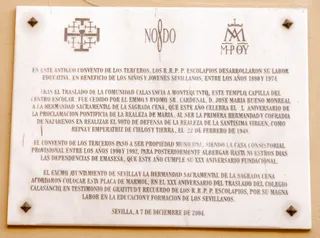 Iglesia de Los Terceros
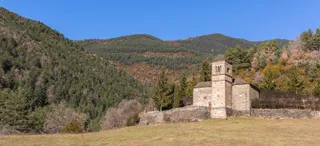 Iglesia de San Bartolomé
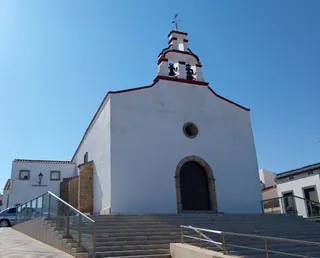 Iglesia de San Benito
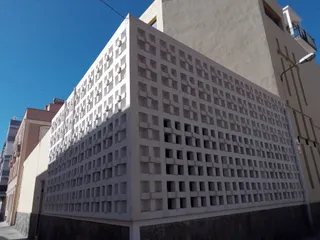 Iglesia de San Ildefonso
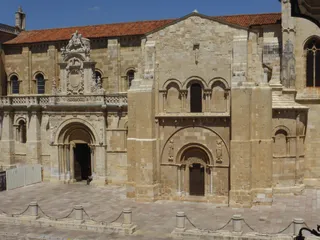 Iglesia de San Isidoro
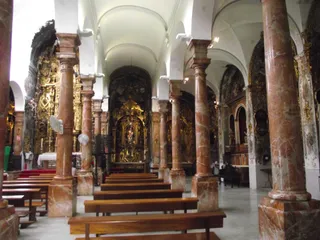 Iglesia de San Nicolás de Bari (Sevilla)
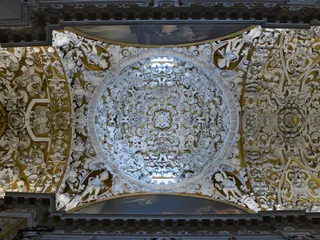 Iglesia de Santa María la Blanca (Sevilla)
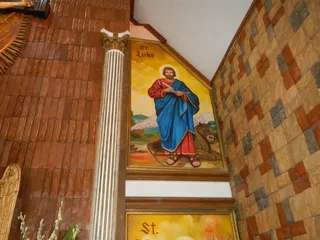 Parroquia de Santa Cruz
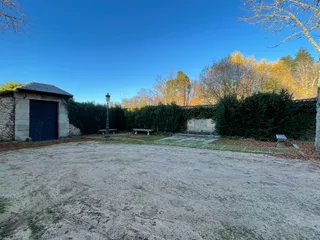 Plaza de San Ildefonso
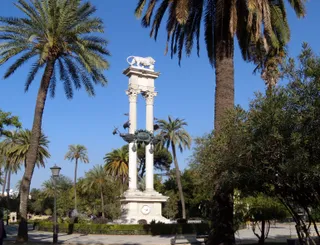 Jardines de Murillo
 La Carbonería
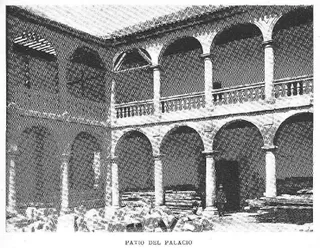 Palacio de Altamira
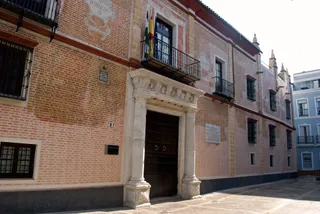 Palacio de Mañara
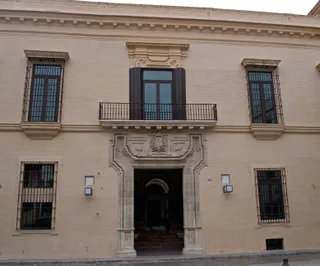 Palacio de Villapanes (Sevilla)
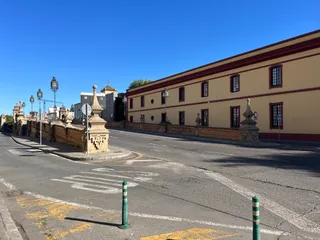 Puente de San Bernardo
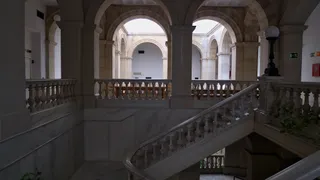 Archivo Histórico Provincial de Sevilla
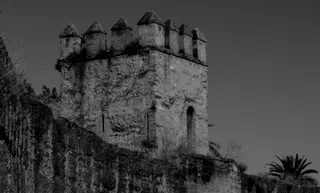 City walls of Seville
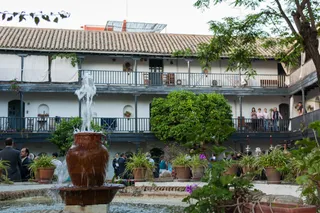 Corral del Conde
 Hospital de los Venerables
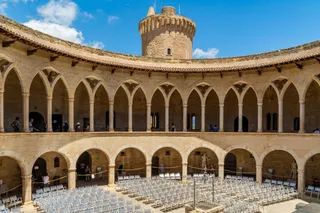 Mariano Bellver Collection
 Church of the Convento de San José
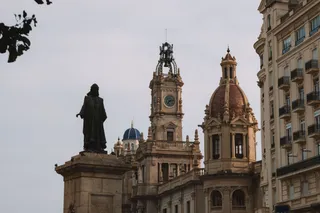 Plaza del Buen Suceso
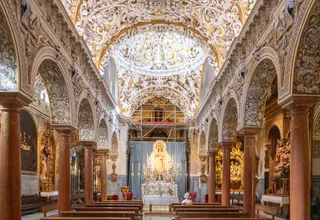 Santuario de los Gitanos, Sevilla
 Museo del Baile Flamenco
Built during the Roman era and later restored under Almohad rule, the aqueduct carried spring water from Alcalá de Guadaíra into Seville. Caliph Abu Yaqub Yusuf rebuilt large sections of the conduit during the same era he constructed the Buhaira palace, the Puente de Barcas, and the grand mosque. The channel directed mountain water across the countryside to feed royal gardens and municipal basins.
The engineering relied on subterranean tunnels cut into bedrock and brick conduits equipped with vertical inspection shafts for maintenance. Underground passage provided natural filtration, making the flow the cleanest drinking supply available to the city. At the terminal city gate, the stream filled a primary reservoir that supplied noble residences, the Casa de Pilatos, public bathhouses, and several grain mills.
The masonry continued operating until municipal demolition dismantled the main arcade system to accommodate urban expansion. Today, disconnected spans of brick arches stand exposed along modern streets rather than within a park or protected enclosure. Exploring the remnants requires walking along ordinary urban roadways where historical stonework directly borders contemporary apartment blocks and road traffic.
访客在 Google 地图上怎么说
Google 地图的评分和最新评价将按需加载。