
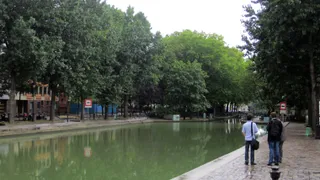
- Entfernung
- 1,3 km
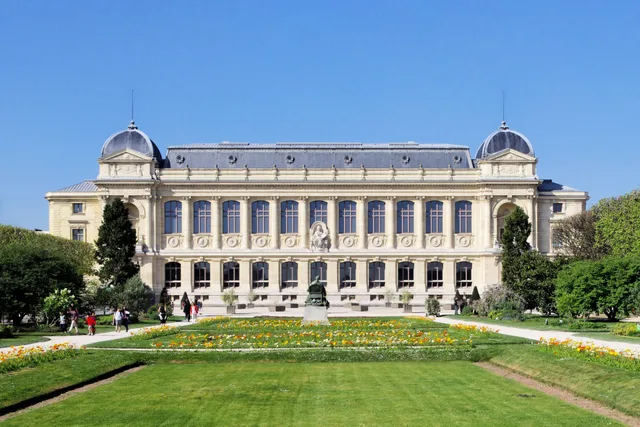
Paris · Frankreich
Muséum national d’histoire naturelle: was in der Nähe ist, wie man hinkommt und wann man fährt · 2026
Naturalists based at the Jardin des Plantes share their daily laboratory routes with streams of exhibition crowds.
In der Umgebung15
Wechselkurs0,89 €Stand: 02.11.2026
Über den Ort
The Muséum national d'histoire naturelle anchors French biological research from its historic galleries and botanical grounds at the Jardin des Plantes.
The institution operates both as a national museum and as a grand établissement of higher education within Sorbonne University. Its campus originated as a royal medicinal plant garden directed by royal physicians before dropping its exclusive medical focus in favour of public lectures on botany, chemistry, and comparative anatomy. Multiple specialised galleries and historic greenhouses preserve these working collections.
Weiterlesen
Generations of resident naturalists shaped evolutionary biology and physical science on this ground. Early directors like the Comte de Buffon challenged traditional creation doctrines, while anatomist Georges Cuvier and evolutionary theorist Jean-Baptiste de Lamarck established modern zoology. Later laboratory experiments on site led Henri Becquerel to demonstrate the radioactivity of uranium salts through photographic plates.
Long-term researchers encounter an active urban park where public pedestrian traffic intersects daily with academic work. Fiction often romanticises the setting, from the naturalist narrator in Jules Verne to the paleontology galleries in graphic novels, but daily life involves coordinating access between dispersed national research sites, scheduled greenhouse closures, and security protocols across shared garden paths.
Verbände
- Jardin des Plantes
- Comte de Buffon
- Henri Becquerel
- Gallery of Palaeontology
- Dispersed sites
Fakten
- The museum belongs to Sorbonne University as a grand établissement of higher education.
- The grounds originated as a royal garden for medicinal plants directed by royal physicians.
- Physicist Henri Becquerel demonstrated the radioactivity of uranium salts in museum laboratories.
- Chemist Michel Eugène Chevreul conducted research on animal fats that influenced candle manufacturing.
- Novelist Jules Verne modeled the narrator of his submarine fiction on a naturalist from the institution.
Muséum national d’histoire naturelle in Bildern6 Fotos
Anreise und Unterkunft
Kostenlose Aufenthalte bei GastgebernGastgeber anzeigen
In der Stadt5.030
2 Quellen · Stand: 3. November 2026
Quelle: TravelHub · OurAirports (public domain)
Google-Bewertungen
Was Besucher auf Google Maps schreiben
Bewertung und aktuelle Rezensionen von Google Maps werden auf Wunsch geladen.
Ähnliche Orte in der Nähe
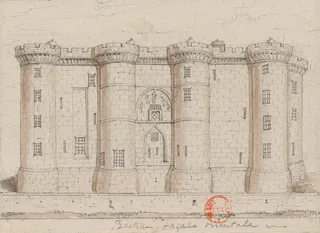
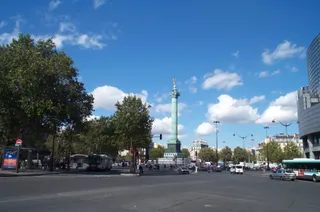
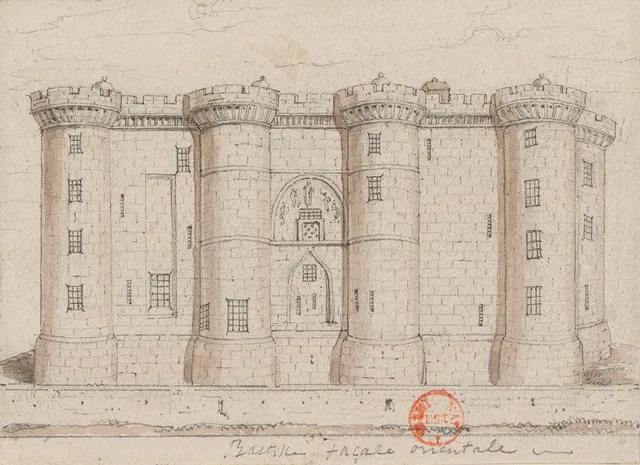 ≈ 20 Min. entferntBastille
- Entfernung
- 1,6 km
 ≈ 35 Min. entferntLouvre
- Entfernung
- 2,6 km
Städte in Frankreich
Orte in Muséum national d’histoire naturelle
Ort nicht gefunden? Die Suche versteht jede Sprache. Suche öffnen