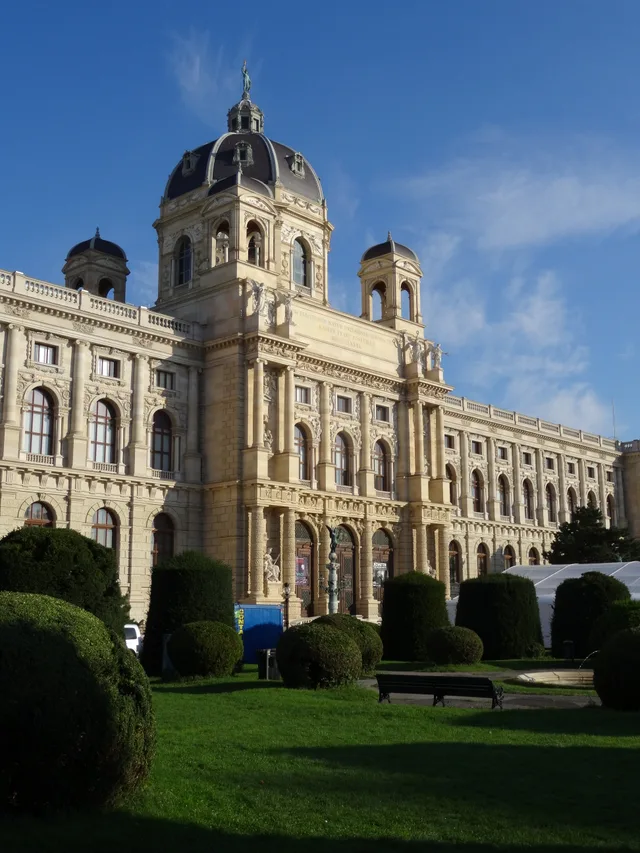
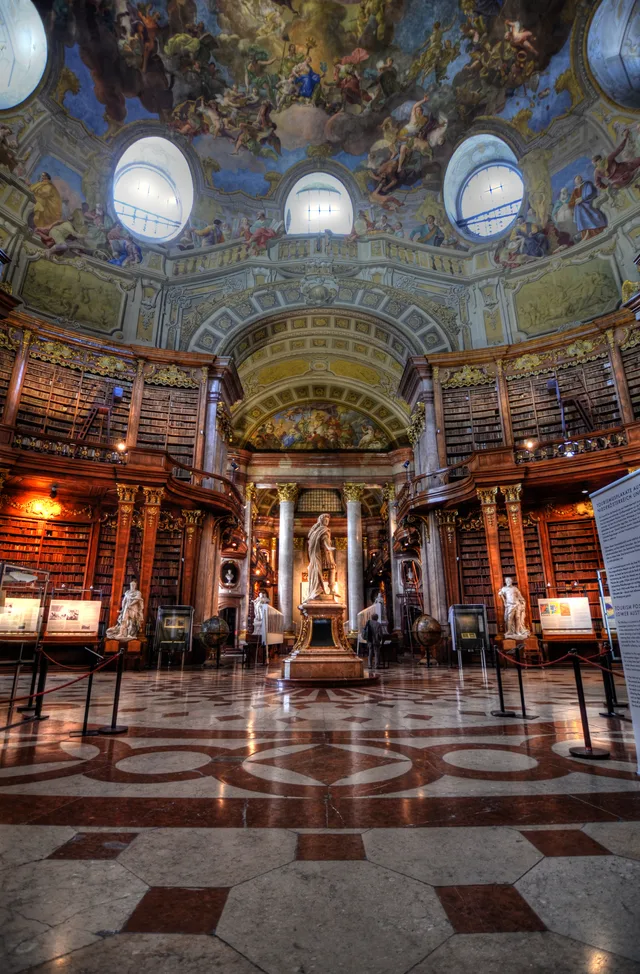
 ≈ 5 min awayAustrian National Library
- Distance
- 200 m
 TravelHub
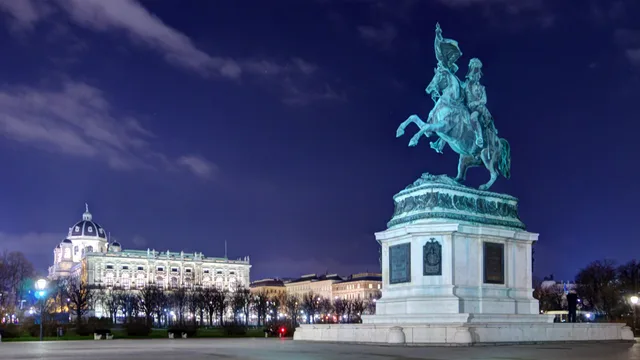
Commuters cross Heldenplatz between the Hofburg and the ring road every morning, trading quiet neighbourhood footpaths for massive ceremonial gravel and presidential security patrols.
 Mumok
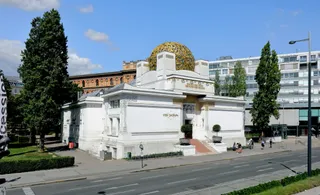 Secession Building
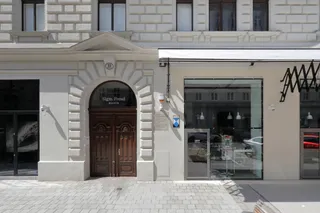 Sigmund Freud Museum
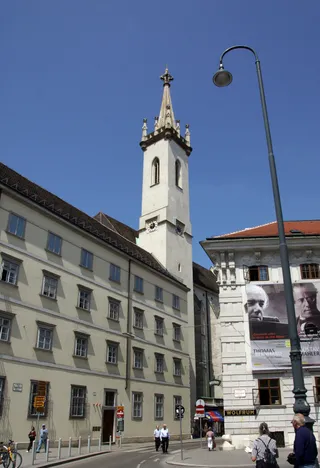 Augustinian Church
 Theater an der Wien
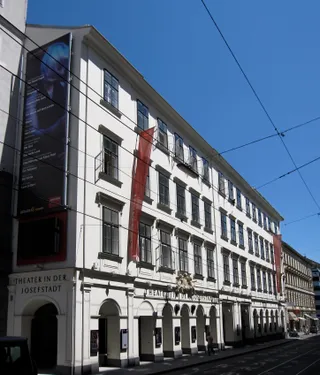 Theater in der Josefstadt
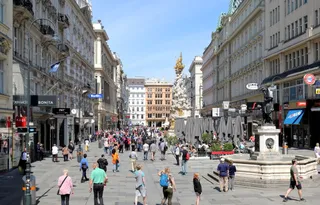 Graben
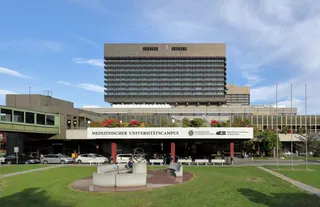 Vienna General Hospital
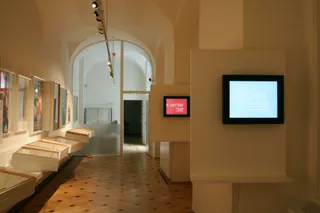 Department of Planned Languages and Esperanto Museum
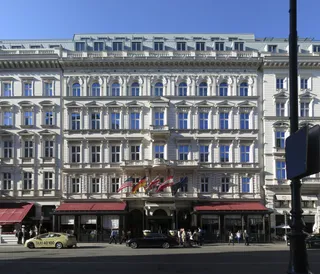 Hotel Sacher Vienna
 Imperial Crypt
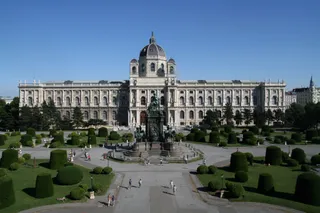 Maria-Theresien-Platz
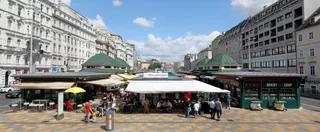 Naschmarkt
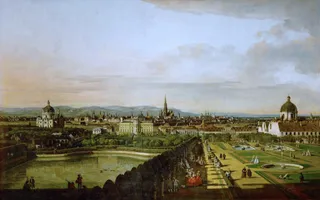 Palais Schwarzenberg
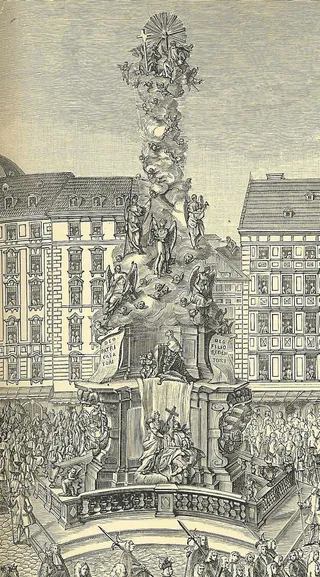 Pestsäule
 Stephansplatz
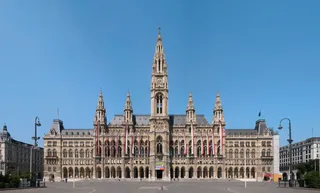 Vienna City Hall
The plaza originated under Emperor Francis Joseph as part of the grand Ringstraße boulevard development. Architect Gottfried Semper envisioned an imperial forum connecting the palace wings across the avenue to twin museums and modern exhibition halls. Construction halted before workers enclosed the northwestern perimeter, leaving Heldenplatz permanently open toward Volksgarten, the town hall, and the national parliament.
Colossal equestrian bronzes by Anton Dominik Fernkorn dominate the open gravel, honouring Archduke Charles and Prince Eugene of Savoy. Imperial authorities installed these monuments to celebrate dynastic martial prowess despite contemporary battle losses. At the southern edge, the Outer Castle Gate stands where fortress ramparts were dismantled, housing the national war memorial and the Tomb of the Unknown Soldier.
Today the square serves as the operational threshold of government. The head of state works in the adjoining palace wing, while the Federal Chancellery operates on neighbouring Ballhausplatz. Long-term residents crossing the plaza encounter official motorcades, diplomatic security, and public demonstrations on the wide expanse, which lacks tree canopy and offers little protection against biting winter winds or intense summer glare.
No free-housing hosts here yet — the nearest city with them:
MunichWhat visitors say on Google Maps
Rating and recent reviews from Google Maps load on request.
≈ 5 min awayAustrian National Library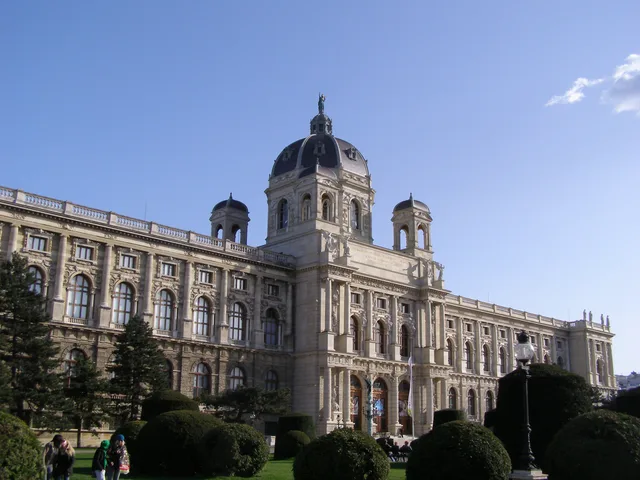 ≈ 5 min awayKunsthistorisches Museum
Can’t find the place you need? Search understands any language. Open search