- 距离
- 5.9公里
Amadora · 葡萄牙
克卢什国家宫: 周边有什么、如何前往、何时最合适 · 2026年
Residents balance the quiet surroundings of the royal hollow with daily travel into the capital, keeping their base removed from central administrative noise.
关于此地
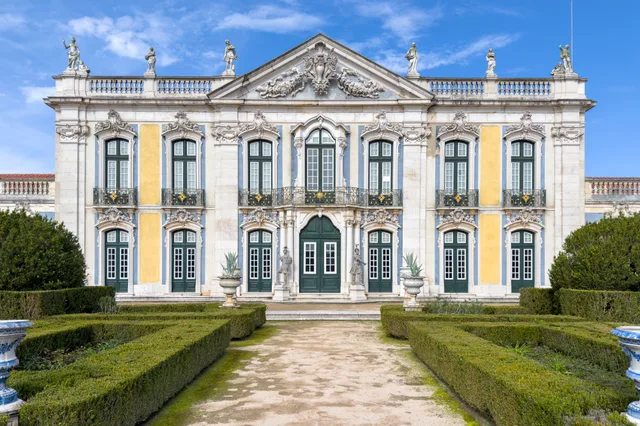
A secluded royal retreat became one of the final Rococo complexes in Europe.
Brazilian gold discoveries financed an extravagant architectural period that broke away from sombre Italian Baroque models. The crown confiscated the grounds from the Marquis of Castel Rodrigo after the expulsion of Spanish rulers, designating the property for younger princes. Mateus Vicente de Oliveira led construction, choosing light pavilions over the monumental monastic massing seen at Mafra.
继续阅读
The Lisbon earthquake halted work when labourers were redirected to rebuild the capital. Construction resumed with altered plans to prevent seismic collapse, creating extended low wings and pavilions instead of a towering block. The estate sheltered Queen Maria during severe illness and became the official court seat after fire ruined Ajuda Palace, remaining the royal residence until the court fled to Brazil before French troops.
相关组织
- Rococo architecture
- Earthquake redesign
- Marquis of Pombal
- Royal confinement
事实信息
- The estate grounds originally belonged to the Marquis of Castel Rodrigo before royal confiscation.
- Architect Mateus Vicente de Oliveira altered structural plans after the Lisbon earthquake to build low wings.
- The palace became the official seat of the Portuguese court after fire destroyed Ajuda Palace.
- Discovery of Brazilian gold funded the extravagant Rococo styling of the retreat.
克卢什国家宫 的影像8 张照片 · 1 个地点
交通与住宿
此处暂无免费住宿的房东 — 最近的此类城市为:
塞维利亚2 个来源 · 截至 2026年11月4日
来源:TravelHub · OurAirports (public domain)
Google 评价
访客在 Google 地图上怎么说
Google 地图的评分和最新评价将按需加载。